
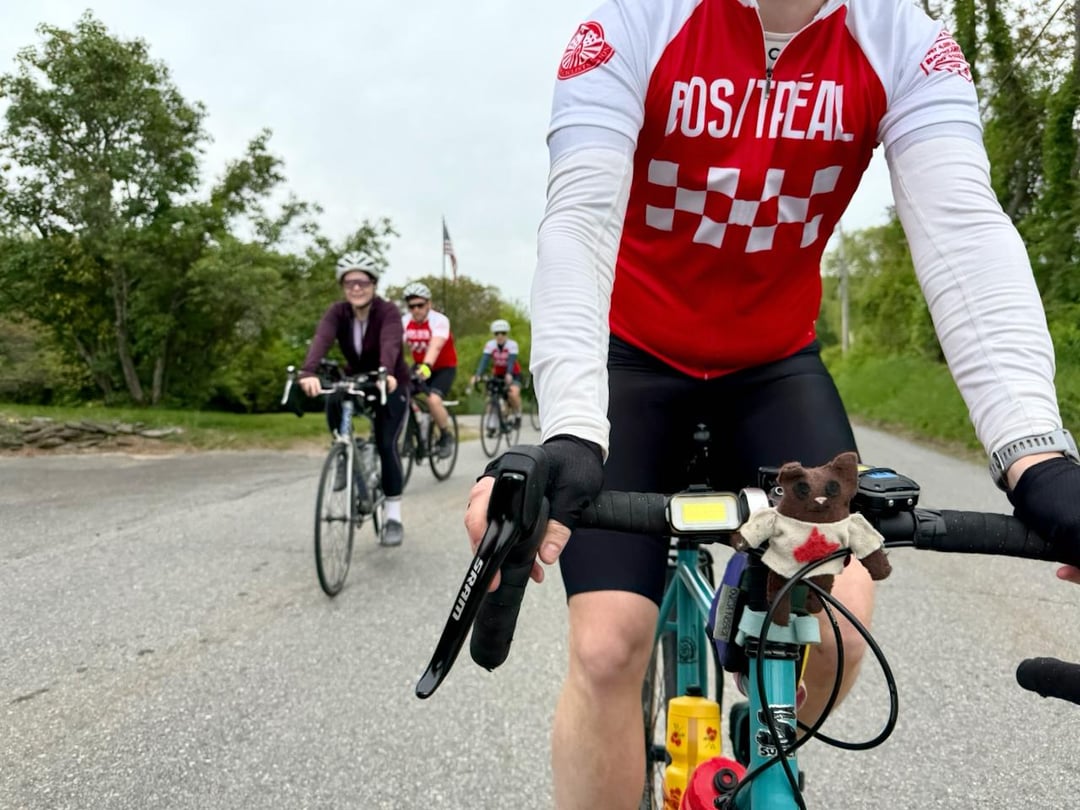
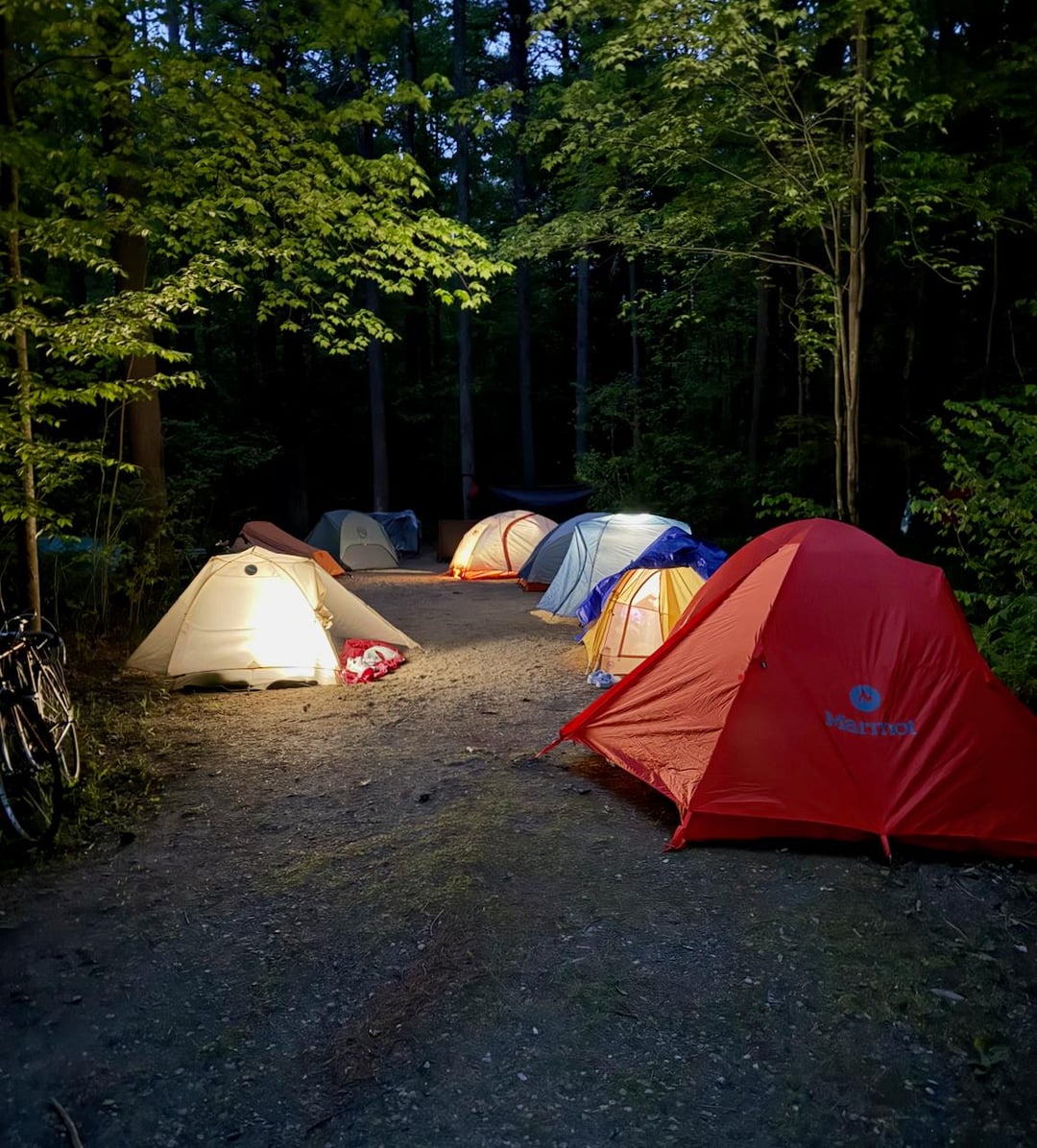
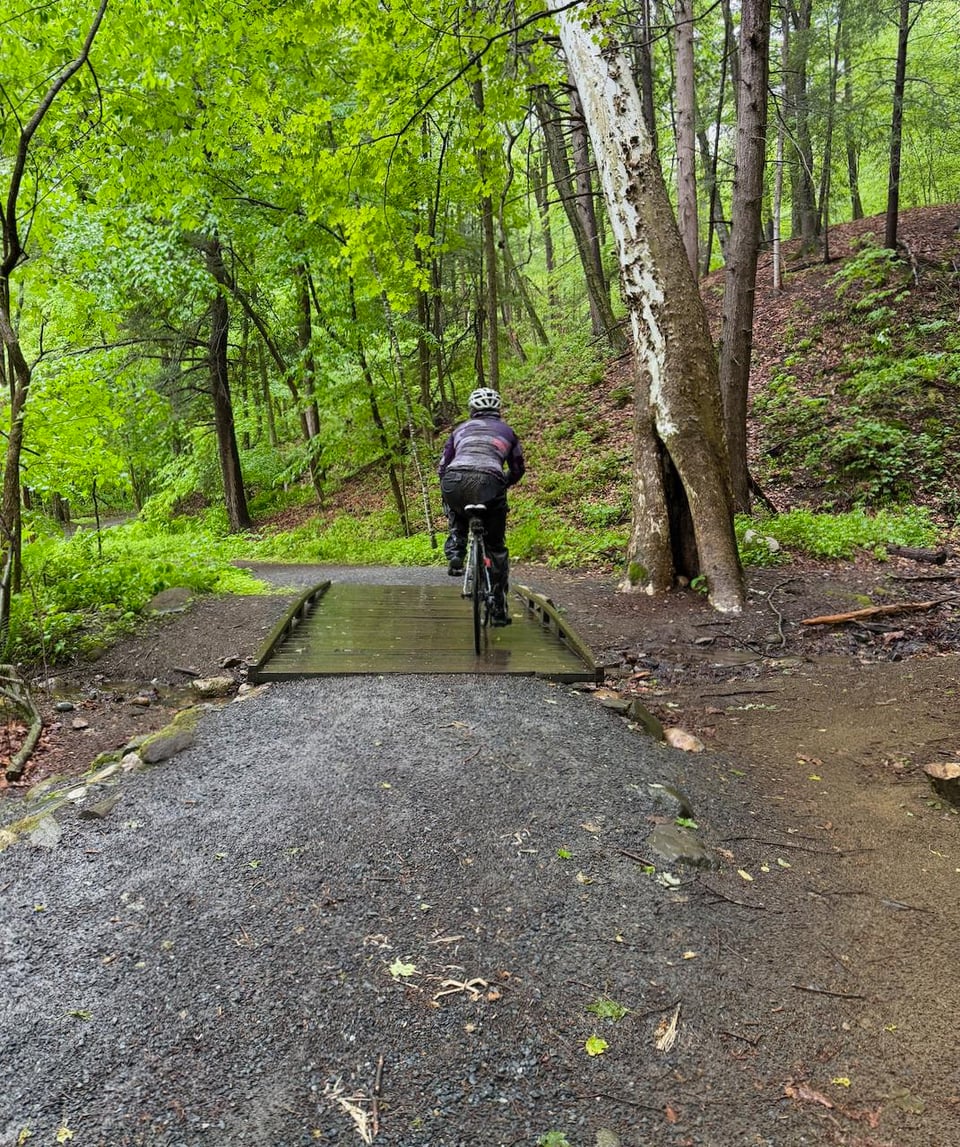
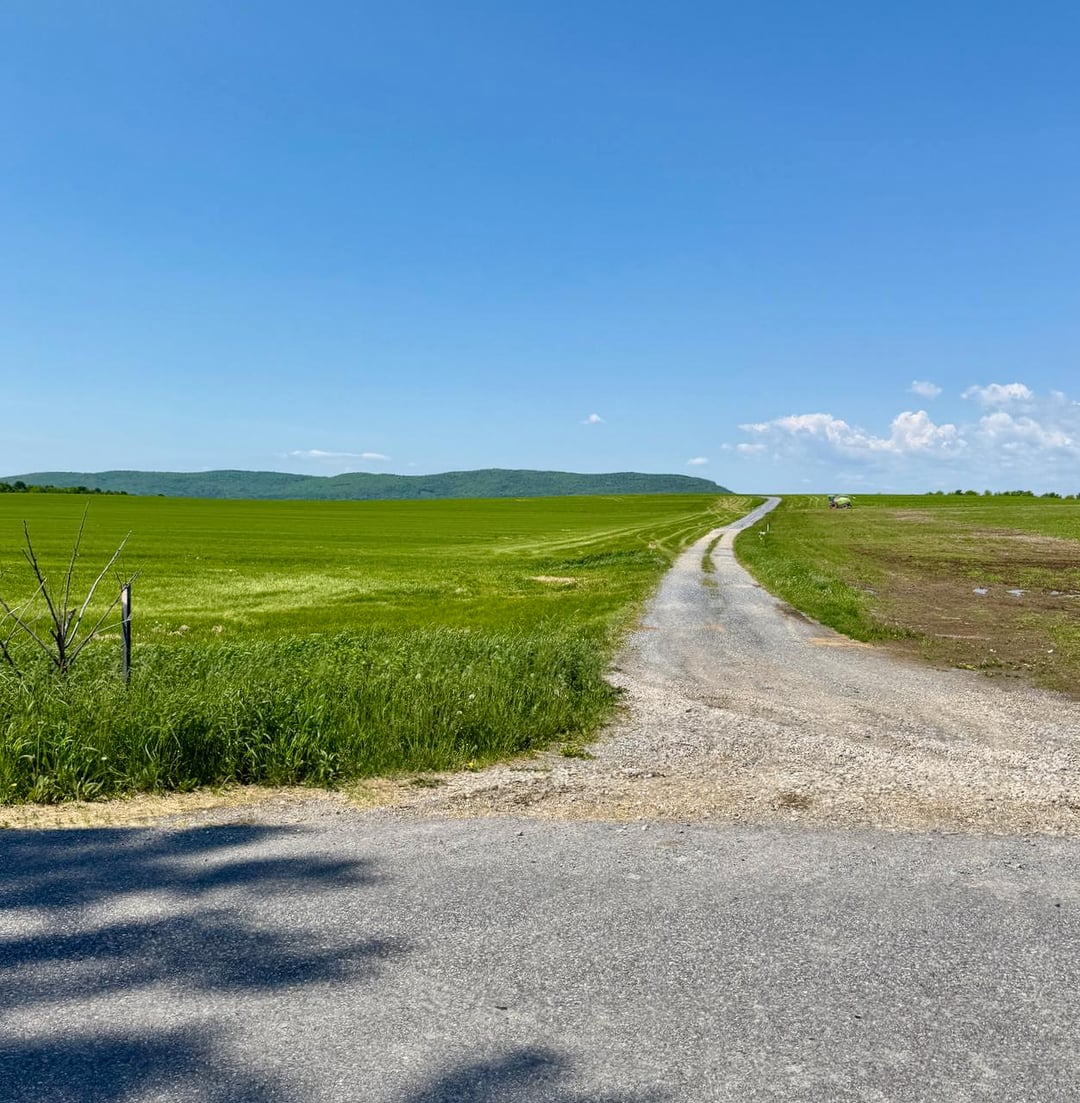
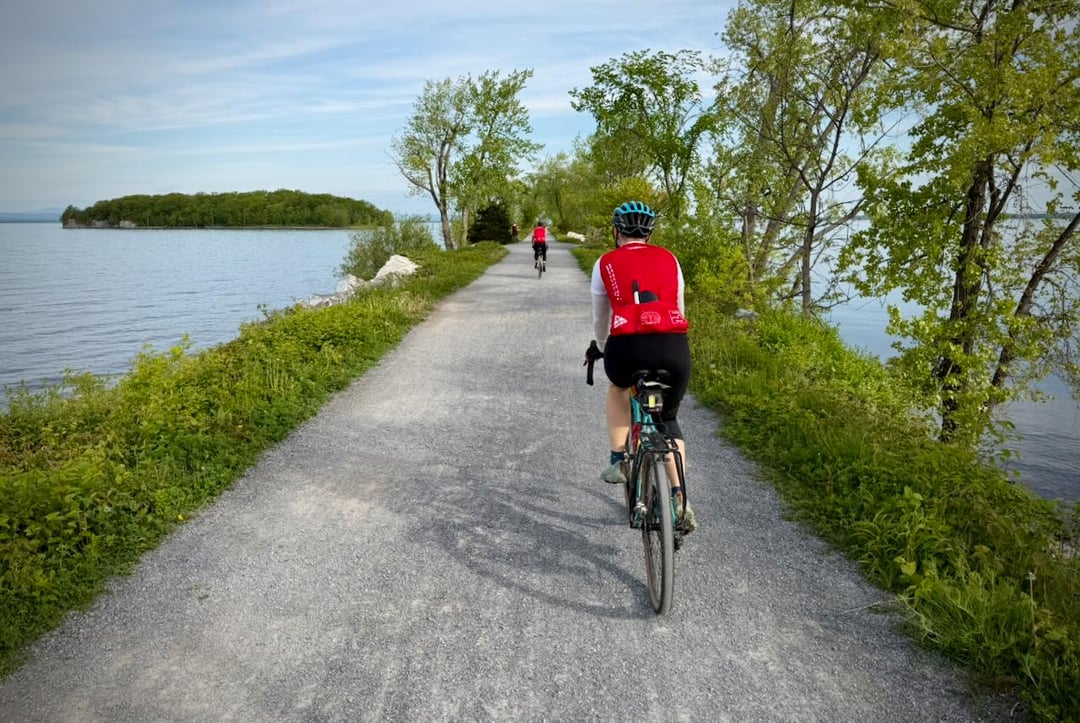
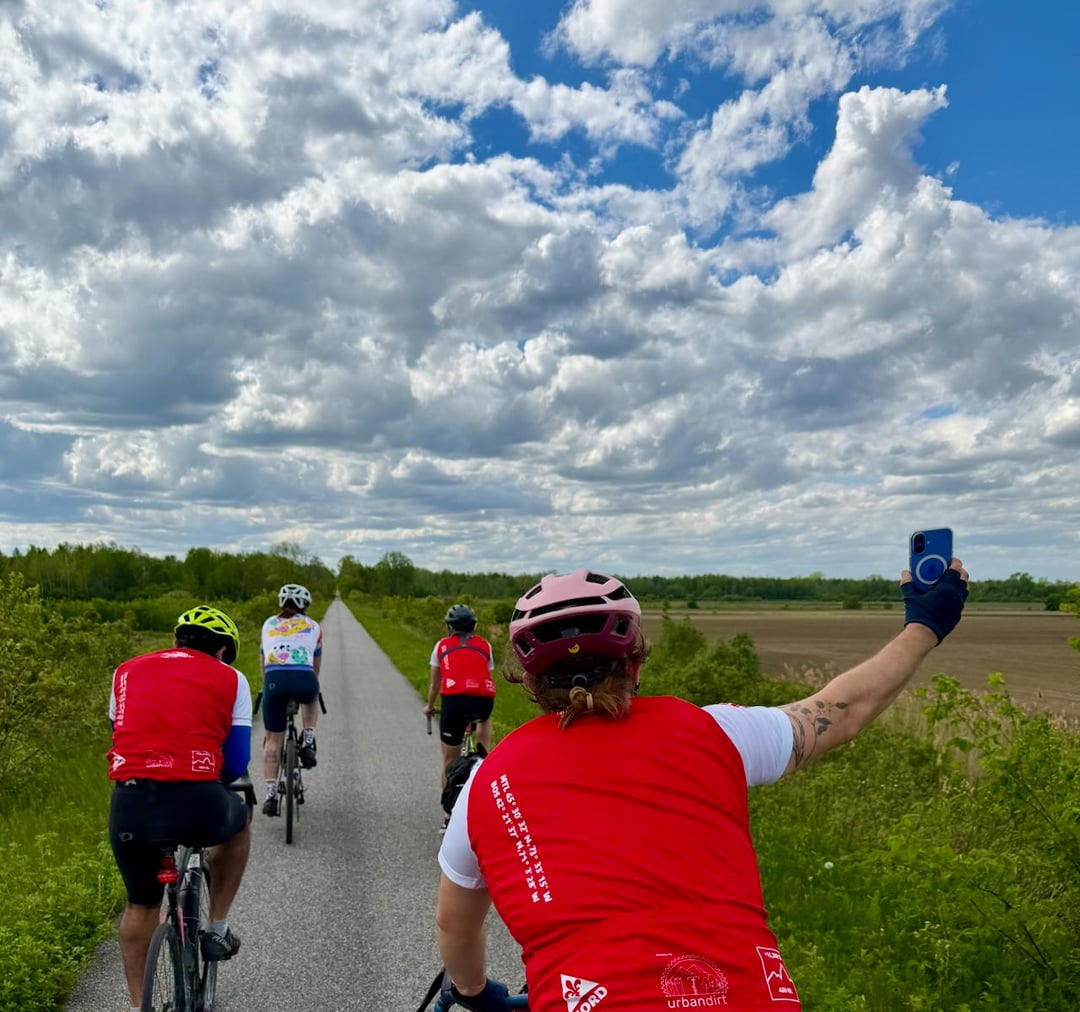
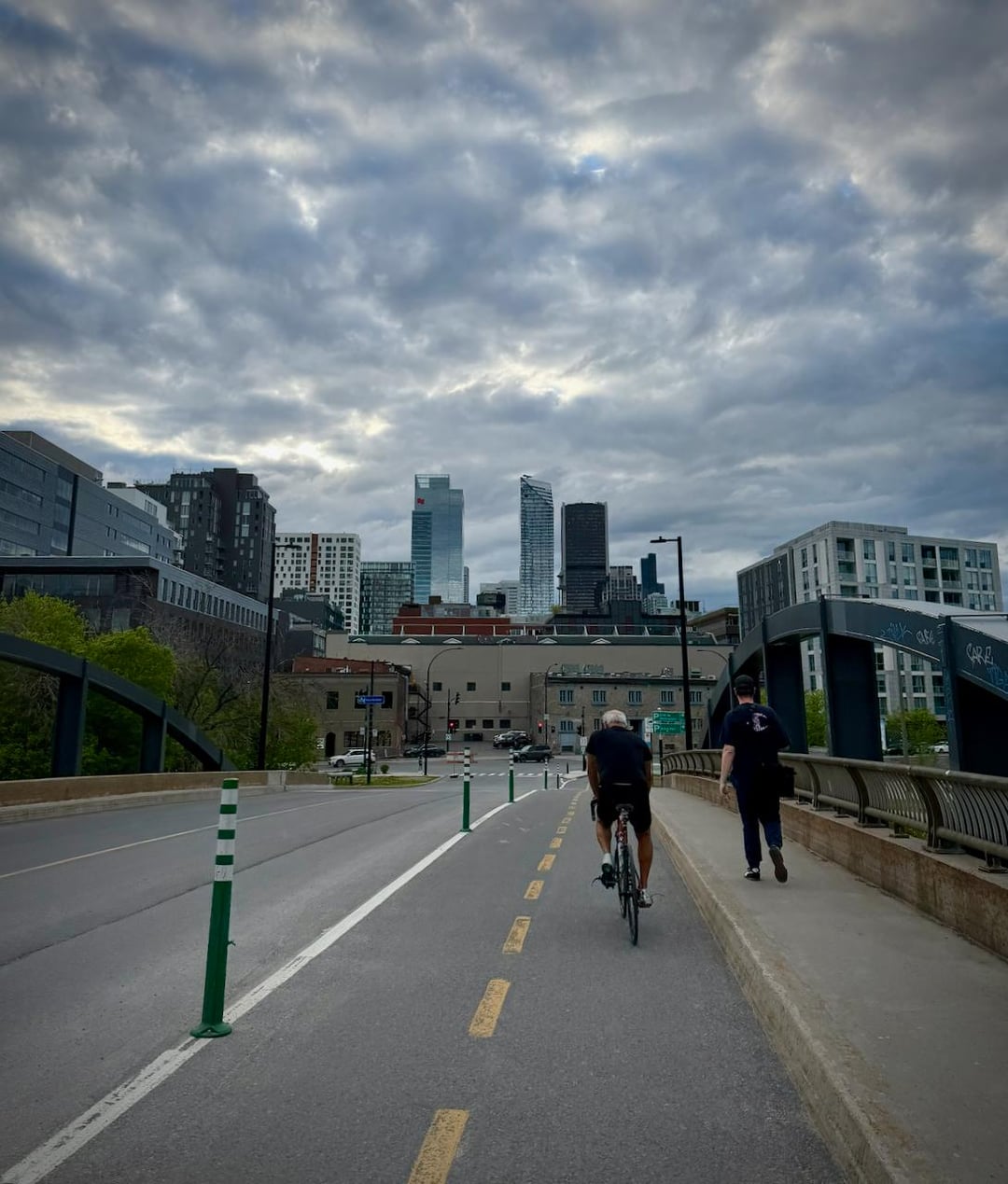
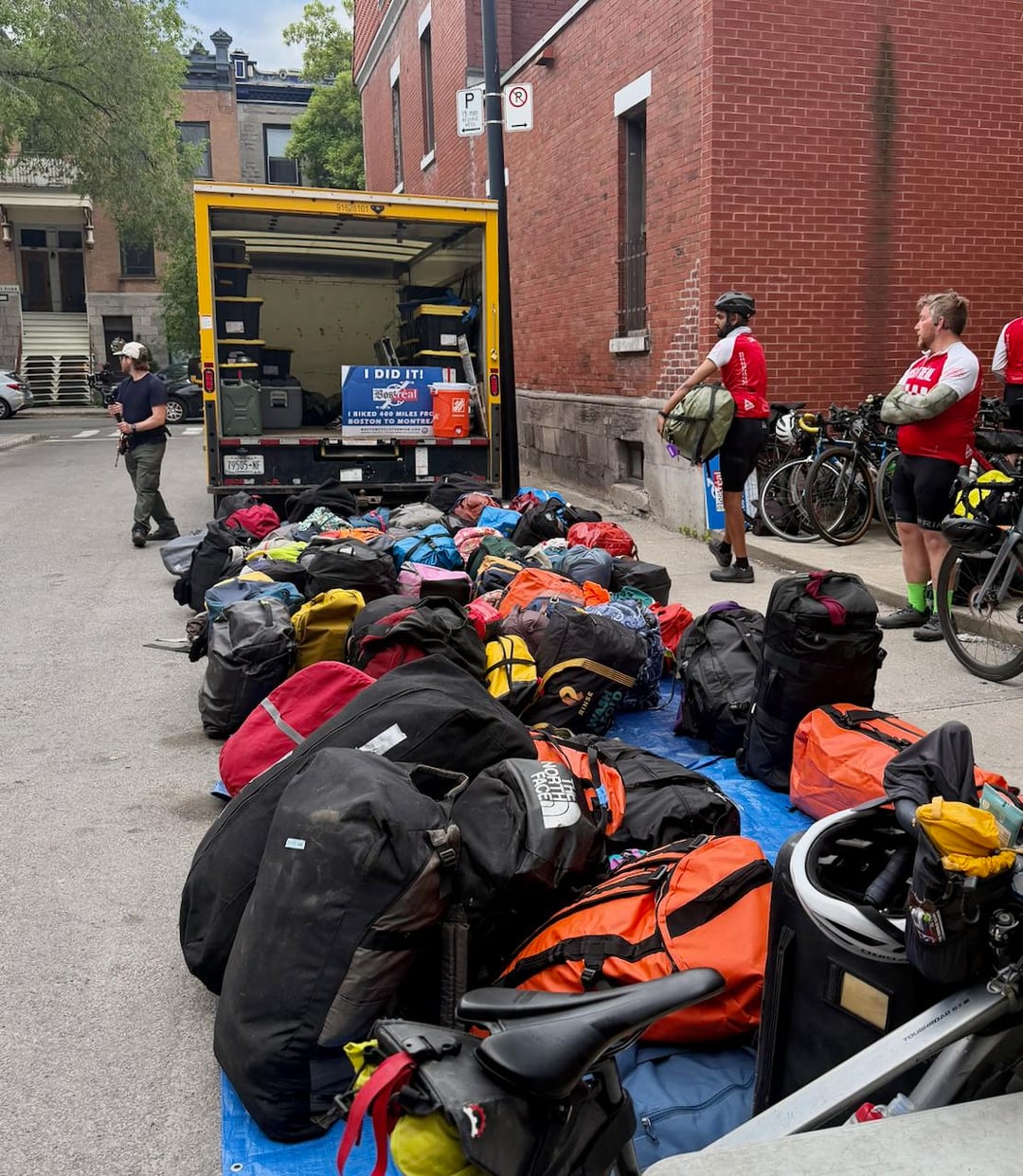
Roughly a week ago I finished a ride from Boston to Montreal with 40+ other riders, organized as a fundraiser by the Boston Cyclists Union. It was roughly 400 miles over the course of 5 days, and run as a supported ride: the entire team camped each night, but gear and supplies were ferried by a support team and SAG was available at scheduled intervals each day. Our route took us through Massachusetts, a corner of New Hampshire, Vermont, a little bit of New York, then into Quebec. We stuck mostly to quiet rural roads with some trails, mixed-use paths and a few unavoidable miles of busier roads.
I like to collect my reflections after a trip and thought my notes might be useful to other tourers!
Supported bike touring is not like bikepacking. All of my recent trips have been self-supported, whether true bikepacking or “credit card camping”. Either way, I’ve gotten used to carrying everything with me on the bike and embraced the minimalism of not having more than you can carry.But knowing that this trip allowed for 2 camp bags and 1 day bag was hard to wrap my head around. I’d catch up with my day bag every 20-30 miles, so I only needed to carry whatever I’d want for a couple of hours at a time. Bring that 6th pair of bib shorts? Sure thing. Camp slippers in addition to sneakers? Why not. Two different options for chamois cream? Go to town. I used the majority of what I packed, but I still think I overpacked. And somehow there were still things I would have liked to have had and didn’t.
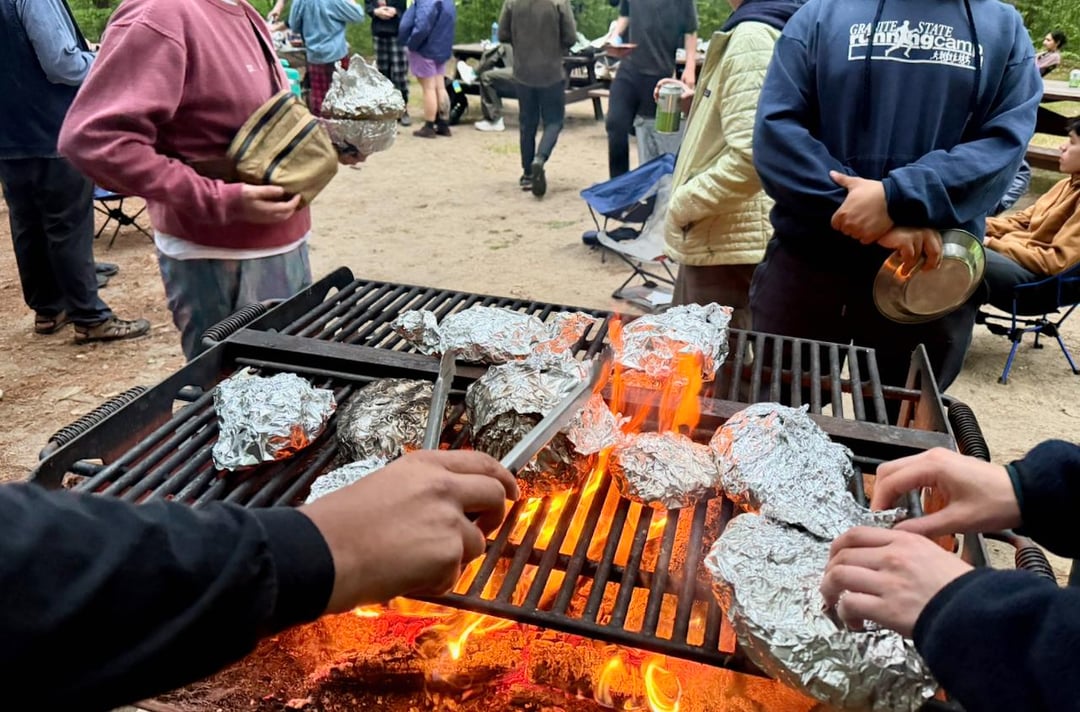
Being on someone else’s timetable can be hard to adjust to (and requires a little patience). For the last few years I’ve done all of my bike trips solo. I’m normally an early riser and up with the sun, and I don’t tend to linger around camp for long in the mornings once I’d had coffee and eaten. Likewise, once I’ve made camp in the evening I’ll often make dinner immediately and crawl into bed shortly after – it’s not unheard of for me to be asleep before 9pm.
Being in a group camp where you’re trying to avoid waking others, then also waiting for breakfasts or dinners to be laid out, can throw your natural schedule off. I had an hour or two to kill with a quiet walk or reading a book on several mornings, or was a couple of hours later getting to sleep at night than I might have wanted. I know many people might have preferred that, but I like to get myself ready and get riding.
Find your tribe, then find it again and again. This was the largest group that I’ve been on a trip with, but the truth is that you’re rarely riding with more than a handful of people at a time. It’s helpful to start a trip like this knowing some of the other riders, but it’s easy to assume that you should ride with the people that you know. Enjoying someone’s company doesn’t necessarily make them a good riding partner, and I think it helps to embrace situational riding groups: find your Camp Friends, your Climbing Friends, your Recovery Day Friends, your Pace Line Friends, your We Don’t Need to Be Talking Right Now Friends. And be open making new friends while pedaling, even if they’re only friends for a few hours, but also be open to realizing that your Expected Friends don’t fit as well once you’re on the road.
My bike performed perfectly. Not to toot my own horn, but I was one of the few people who suffered zero mechanicals. Especially with 30 straight hours of rain and riding through gritty roads and paths we had countless worn out brake pads, shifting issues, a few flat tires, freehub seizures…even one rim brake track that exploded. But I added drip wax to my chain twice and topped up the air in my tires once, gave my bike a couple of rinses with a water pump and garden hose, and that was it.
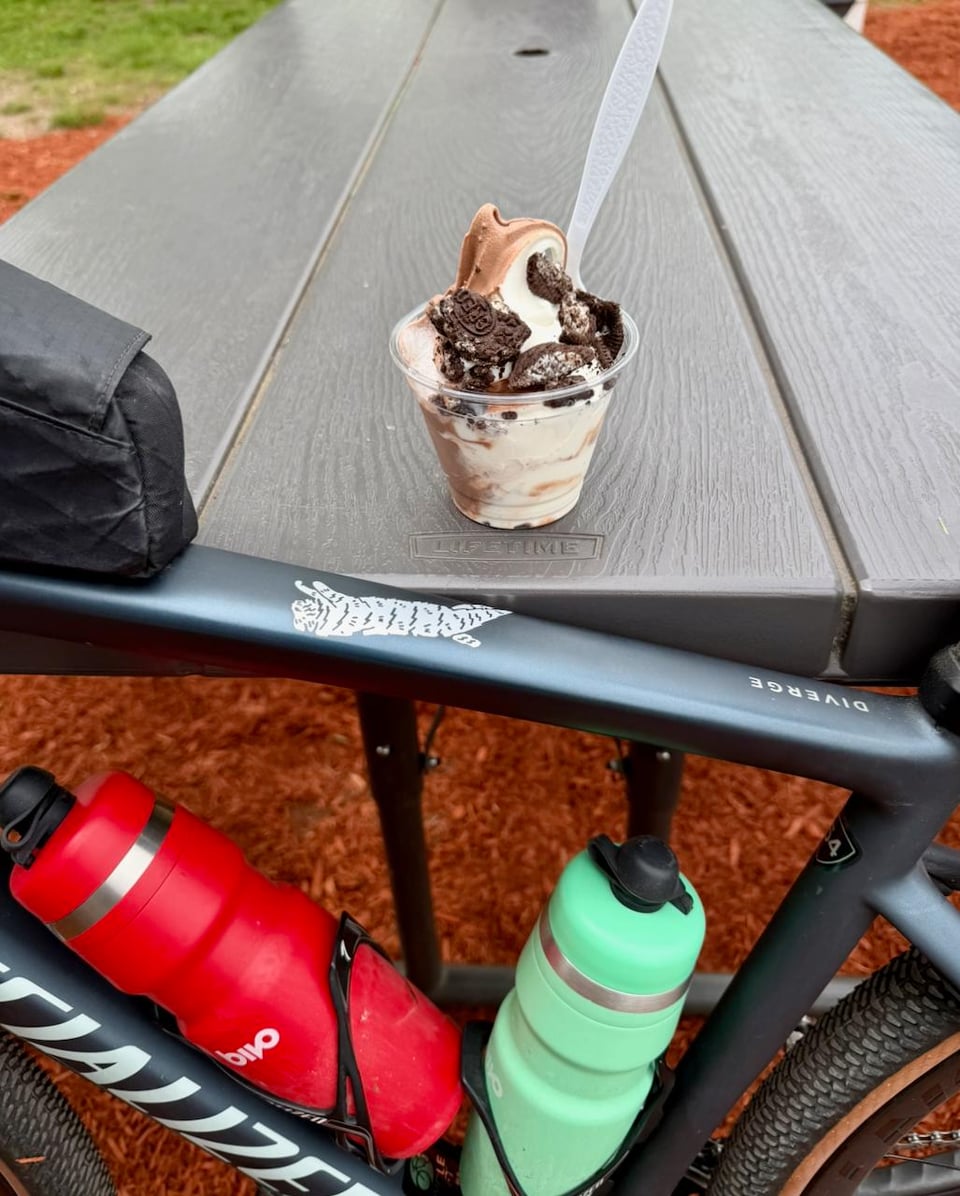
Most riders opted for road bikes but I went on the Specialized Diverge gravel bike that I use for bikepacking trips – I simply find it comfortable for long days and wanted the option of unpaved detours where possible. 40mm gravel tires looked like overkill in advance, but the extra comfort of lower pressures and grip on wet dirt paths and unpaved roads was very welcome.
So did my camp equipment. My tent, a NEMO Dragonfly 2P, was perfectly roomy and had plenty of space in the vestibules for bags, and it never wetted out despite a full night of downpour.
I swapped out my summer sleeping bag for an REI Magma 30 and was glad I did, with at least one night dipping as low as 39F. My Sea to Summit EtherLight XT Insulated sleeping pad continues to be a winner, especially as a side sleeper.
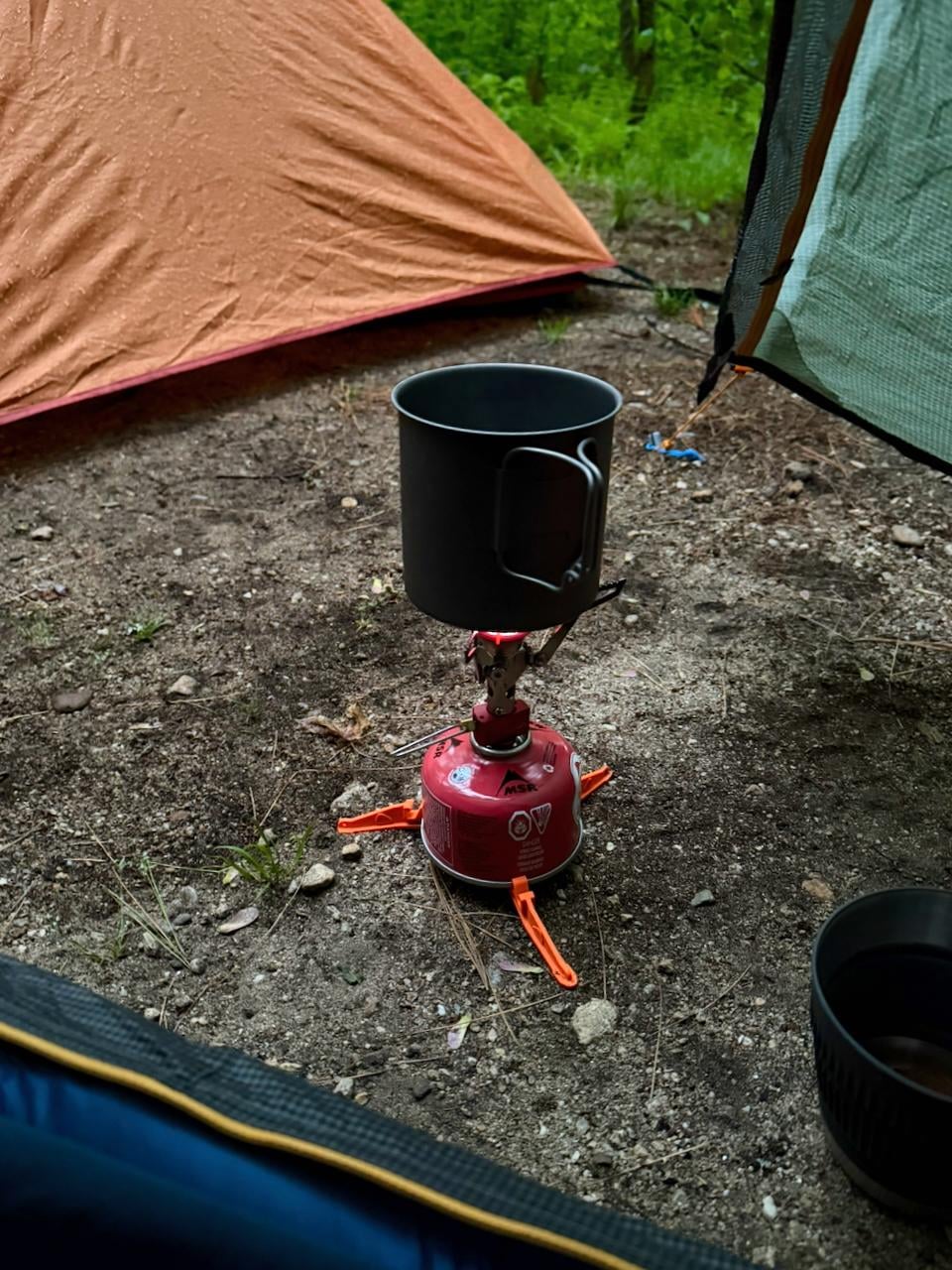
Even with meals provided, I was happy to have my little MSR Pocket Rocket camp stove. I made my own instant coffee every morning and having the option of a few dehydrated backpacking meals “just in case” was nice. Copper Cow Coffee’s Latte Creamer sachets were a nice treat as well.
The only thing that let me down was my Sea to Summit Aeros Ultralight inflatable pillow: I might have over-inflated it one night, but it must have burst one of it’s little grooves and became decidedly lopsided halfway through the trip. I still like inflatable pillows and will probably replace it with a NEMO Fillo but welcome recommendations!
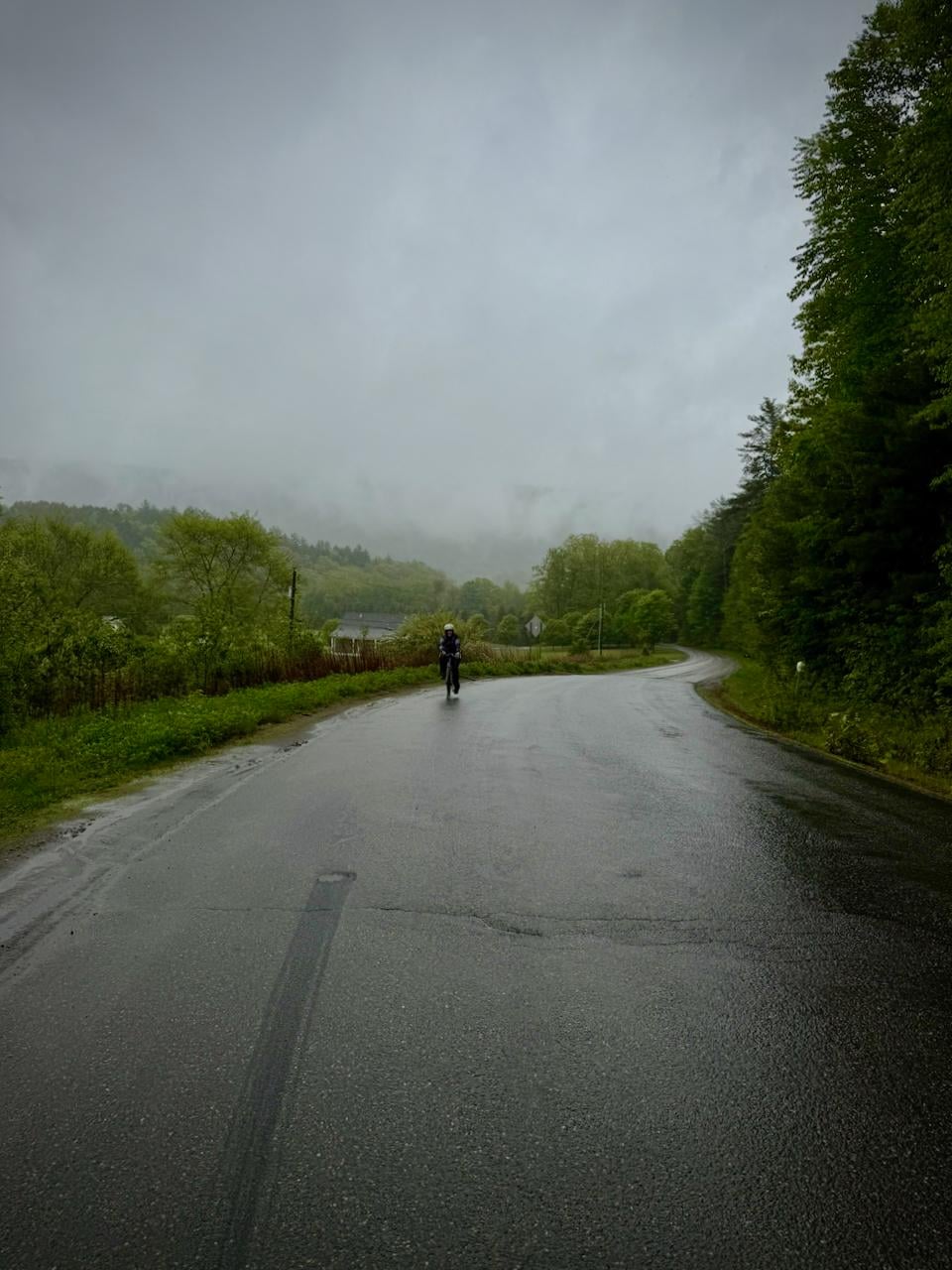
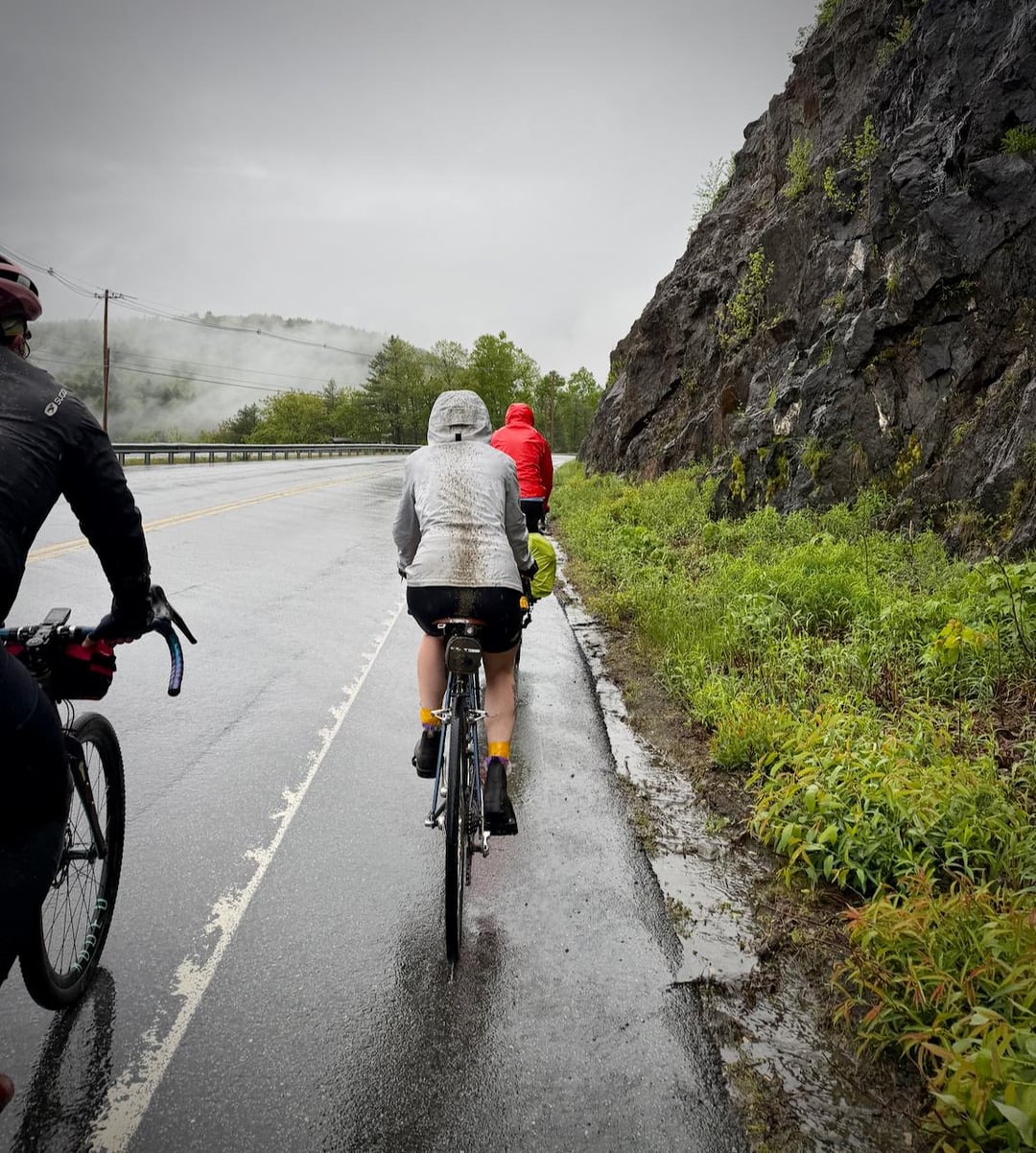
My clothing was another story. Sadly my on-bike clothing choices had some missteps. I don’t do a lot of riding in the rain, and definitely not rides that start in the rain, finish in the rain, and rain the entire time in between. And it showed.
My rain jacket, a GoreTex Shakedry from several years back, performed perfectly and kept me both dry and warm with a couple of layers underneath. But my “water-resistant” gloves and bib tights wetted out almost instantly. And my waterproof 45NRTH Ragnarok boots, which I packed as secondary shoes when the forecast turned, have a major caveat: the lowers are totally waterproof but the neoprene cuffs may just be DWR-treated, which wears off over time. This means they took water in through the top that had nowhere to go, so I basically spent the day riding with my feet in cold kiddie pools. I went through 3 pairs of socks in a single day.
Doing it again, I’d pack real rain pants, heavier gloves, re-treat my boots and bring plastic bread bags or waterproof socks for my feet.
Riding for 8+ hours/day is license to eat whatever you want. Second breakfasts, mid-ride ice cream stops, pre-dinner while you’re waiting for dinner – if you’re craving it, have it. Especially riding through Vermont, with abundant Maple Creemees and craft brewers!
I generally ride with a combination of on-bike nutrition products (gels, bars, carb mix in bottles) and “real food” and think the combination is valuable when doing more-than-leisurely distances each day – otherwise I’d struggle to get in enough solid food. Having lunch and snack stops provided by a SAG team was incredibly helpful in keeping breaks short.
Addendum: It’s a relief knowing where your next food and water is coming from. In the US we generally don’t have a lot of public water sources, and riding on the back roads of New England means it’s not uncommon to be hours of riding between towns or even gas stations unless you make major route diversions. Not having to worry about water resupply or where meals will be, and knowing that you’ll be encountering SAG-supplied stops several times per day (and exactly when and where), took away a huge element of anxiety. It’s hard to convey how much easier this made the trip.
Riding self-supported, I would have normally worn a 2L hydration pack and carried two bottles on the bike. On this trip I carried 2x 750ml bottles and not once did I get close to depleting both before hitting a resupply.
Many hands make light work. Our last day was our longest and hottest day, at an expected 102 miles and peak temps in the high 80’s F, but also a day with consistent 15mph+ head and cross-head winds from start to finish. Riding in a rotating pace line, keeping effective drafting distances and ensuring no one was taking “hero pulls” was key to making it through the day. Many of the riders had never drafted or ridden in a pace line before, but were total pros at it by the end of the day.
Crossing an international border by bike was a bucket-list item for me. For bike tourers in Europe this might seem like no big deal, but we don’t get a lot of opportunities to do this in North America. Riding up to a Customs & Immigration checkpoint and being interviewed on my bike was an experience, and brought home the idea that we started the week in one place and were ending it somewhere very different – especially with all the signage flipping over into French as soon as we crossed the border. Tallying up 4 states and 2 countries in 5 days is a fun stat.
I’m about 10 days past this trip and ready to go again!
by MotorBet234
8 Comments
Photos make the ride look awesome.
Great adventure! Thanks for sharing =)
That sounds spectacular!
https://preview.redd.it/bknpsdgwqv5h1.png?width=3420&format=png&auto=webp&s=0bc26459bdfadae824400271ff78fa8a2aae2091
I meant to add the route to the image gallery! Here it is for folks who are curious.
Nice racing stripe on number 8!
Great share & detailed post. This sounds like an awesome trip-sorry about the rain!
Thank you for posting the map and details.
Your Boston to Montreal looks good, then Montreal to Quebec by the Kings Road
[https://www.greatcanadiantrails.com/Quebec/Kings-Road-by-bike](https://www.greatcanadiantrails.com/Quebec/Kings-Road-by-bike)
Thankfully, Canada still allows the “enhanced driver’s license” to be used when entering by foot or bicycle, but a passport is recommended.
My next ride will be from Montreal to Burlington and back. The section through Champlain lake looks awesome! Great ride!