
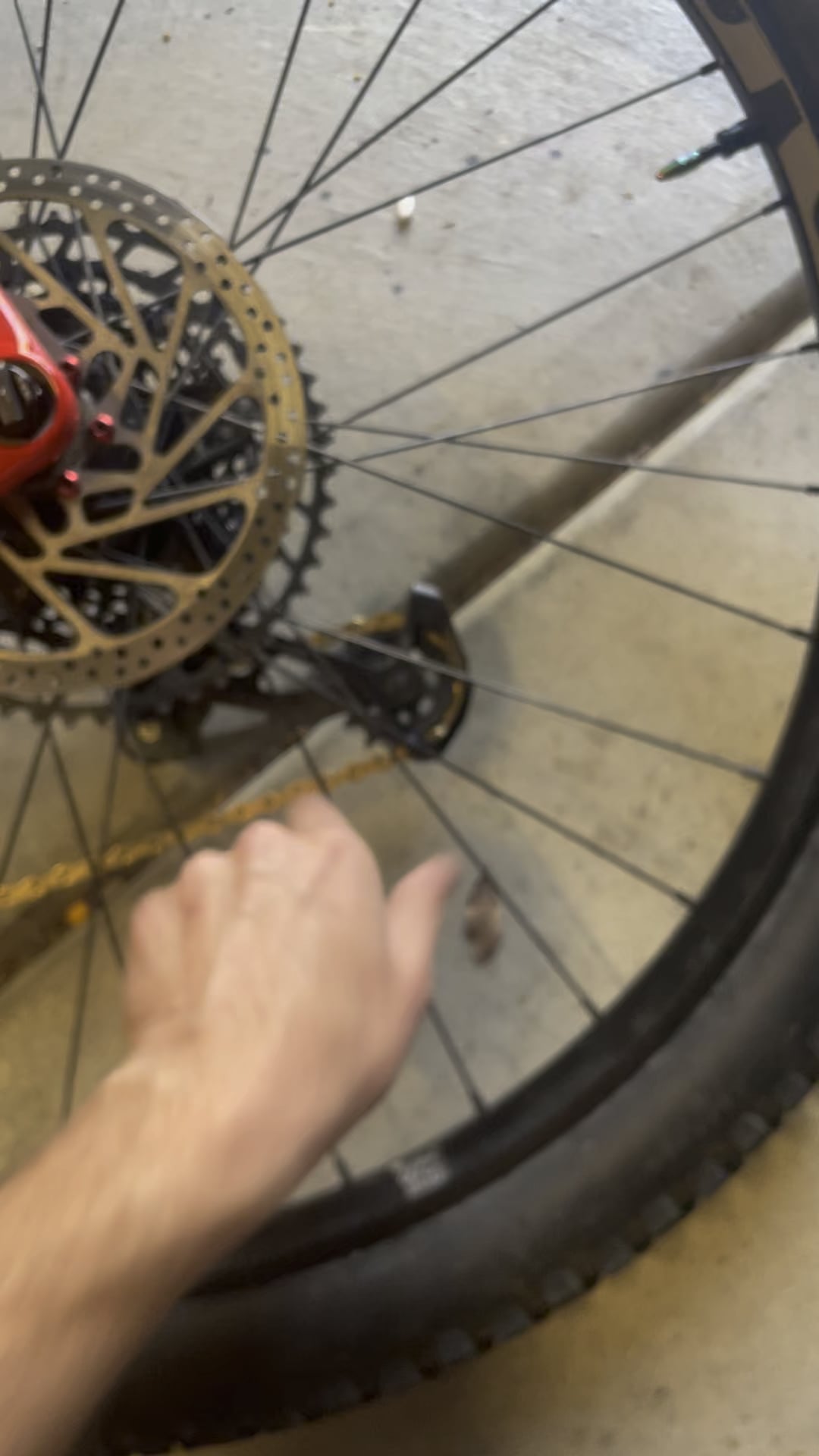
Just left the LBS after a wheel true. This is too loose right?
Just left the LBS after a wheel true. This is too loose right?
byu/epilepsyisdumb inbikewrench
by epilepsyisdumb
Just left the LBS after a wheel true. This is too loose right?
Just left the LBS after a wheel true. This is too loose right?
byu/epilepsyisdumb inbikewrench
by epilepsyisdumb
22 Comments
They falsed your wheel
bro got the spaghetti spoke upgrade
In most scenarios, non drive spokes on the rear are looser than drive side spokes. That squeeze test looks pretty normal, but virtual squeeze tests arent very accurate.
There’s exactly no way to tell from this video
It doesnt look that crazy. Id want to see the dish and measure the tension on each side before I got mad.
If you’re worried, have them show you the tension with a spoke tension meter. Squeezing it by hand is only useful if you’ve built hundreds of wheels, and even then it’s still barely reliable. It’s kind of a tire-kicker method that doesn’t really tell you much.
Looks way too loose. I agree tension is different on drive and non-drive sides of the wheel. I know how much I have to tension my wheels so the spokes don’t loosen up. So part of the answer is knowing how much tension you need for your riding style and then perhaps a spoke tension meter.
You dont know how to true a wheel yet you took it to a shop and now questioning their work ? You need a tension meter to see if they are out of spec. I suggest you learn something new , watch YouTube and invest in some wheel tools.
This does not look too loose to me, but it’s also pretty much impossible to tell from this video.
A *better* but still goofy subjective test is to grab two inside spokes across the plane of the wheel – like one drive side and one non drive side, and squeeze them towards the center line of the bike. You should be able to get them to separate from their crossed partner, but not by an extreme amount. Like if you see a 1/2” between the two then I’d say that’s too loose.
Berd spokes?
Idk but isn’t this objectively way too squishy?
Spin the wheel. Is it straight?
Not necessarily too loose. That hub/rim combo may have a significant difference between the driveside and non-drive flanges. The drive side may be at maximum tension kgf and still have the non-drive quite loose to achieve the correct dishing, for example.
No. I would suggest doing a bit of nerding out reading about wheel building and spoke tension.
There’s some interesting data out there about just how tight a wheel actually doesn’t have to be to function properly. Every rim has recommended specs and you need a tension meter. Using a tension meter itself is a learned skill, unless you get a digital meter user error can significantly impact your readinga and the usefulness of your readings.
Honestly the variation and amount of tension based on your scientific enough test looks fine to me.
Just my two cents. I build my own wheels and ride DH.
Hmmm seems okay but can get a spoke tensioner tool tool see what the reading are on the spikes and if they are all the same I would let it be if not take it back to them
You can always talk to ur bike mechanic guy and ask for clarification
A $20 wheel true is not the same as a tension/balancing of a wheel at shop rates.
The short version is DS will be tighter and NDS slightly looser.
Your hand squeeze is not a gauge!
Truing and tensioning are not the same things.
If all spokes feel more or less the same with none super tight nor super loose it is fair to assume things are fine.
An inexperienced mechanic might get the wheel true but in doing so results in some very loose and some very tight. If you don’t feel that then go for a ride
I have had situations where a rim is a bit bent and to make it rideable there needed to be some loose/tight spokes. Generally, on steel wheel older bikes
Wheels are weird. Get on bike, ride bike, worry about other shit
This is like asking if your tire has too little pressure by just pushing on it with your thumb. Without knowing how hard you’re pushing, the size of tire, which compound and casing you’re just shooting in the dark which is never going to get you an accurate answer. If you’re worried, put a tensiometer on it and get yourself some hard data or bring it back to the shop. You’re wasting your time here
Take it back and ask… people make mistakes,, it’s part of being human.
Tire casing contributes significantly to how much spoke tension drops once it’s installed. But as a mechanic I will run wheels way past what my customers would do there is that cobbler mentality.
The only way to know for sure is a tension meter. As an absolute last resort, you could always pluck the strings like an instrument, if there is a tone, there is tension. If there is a thud, it’s too loose to ride.
If the wheel is true and the drive side spokes are equal tension it’s good to go
Is this a joke april fools ?