often the smaller cogs are steel and the larger aluminum
uwootmVIII on
larger diameter equals more mass, so using a lighter material pays off much more. also you have muuuuch more teeth engaging, so way less force on each teeth, so the durability is still fine.
mmlow on
Balance weight and durability. Larger cogs spread the load and can be made with softer but lighter material, small cogs wear faster so are made of more durable steel.
Bermnerfs on
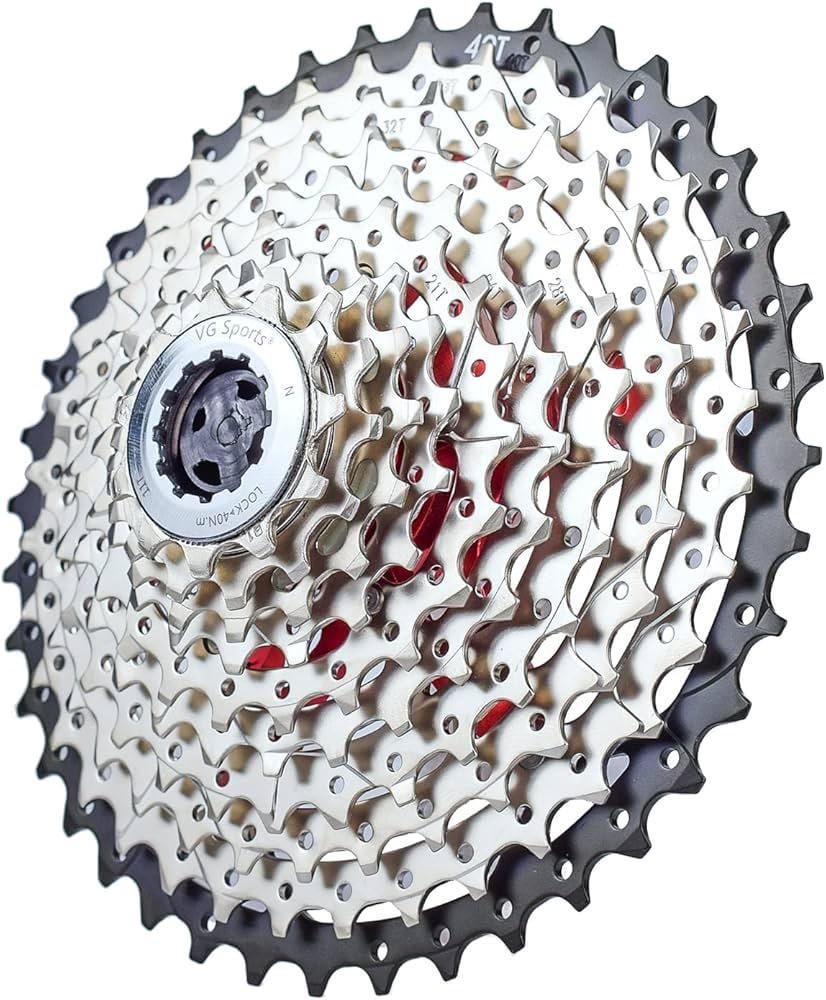
It’s because the smaller cogs are usually steel and the larger cogs along with the spider are aluminum alloy. Different metals get different finishes based on what is the most durable for the lowest production cost.
Rufus-76 on
Also larger ones can be made with softer metal as they are not used as often.
Acceptable_Grape_437 on
also, you typically don’t use the extreme cogs as much as the middle ones, so they get worn out slower… except the less teeth the cog has, the faster it wears out.
that way it makes sense to use lighter (softer) material for bigger cogs (but not for the smaller ones, despite being used less)
curiousengineer2 on
Some higher-end cassettes have a combination of steel cogs and aluminum cogs. Aluminum cogs are usually machined out of 7075-T6 alloy. The steel cogs are often nickel plated, and the aluminum cogs anodized black. Nickel plating enhances corrosion resistance and wear resistance of the steel cogs, and anodizing does the same for aluminum cogs. In some rare instances titanium cogs are also used in combination with steel cogs. The titanium cogs will typically have a dull grey finish.
racerchris46 on
All the bikes I have that have different color big gears are all still steel, not aluminum with small ones in steel.

9 Comments
often the smaller cogs are steel and the larger aluminum
larger diameter equals more mass, so using a lighter material pays off much more. also you have muuuuch more teeth engaging, so way less force on each teeth, so the durability is still fine.
Balance weight and durability. Larger cogs spread the load and can be made with softer but lighter material, small cogs wear faster so are made of more durable steel.
It’s because the smaller cogs are usually steel and the larger cogs along with the spider are aluminum alloy. Different metals get different finishes based on what is the most durable for the lowest production cost.
Also larger ones can be made with softer metal as they are not used as often.
also, you typically don’t use the extreme cogs as much as the middle ones, so they get worn out slower… except the less teeth the cog has, the faster it wears out.
that way it makes sense to use lighter (softer) material for bigger cogs (but not for the smaller ones, despite being used less)
Some higher-end cassettes have a combination of steel cogs and aluminum cogs. Aluminum cogs are usually machined out of 7075-T6 alloy. The steel cogs are often nickel plated, and the aluminum cogs anodized black. Nickel plating enhances corrosion resistance and wear resistance of the steel cogs, and anodizing does the same for aluminum cogs. In some rare instances titanium cogs are also used in combination with steel cogs. The titanium cogs will typically have a dull grey finish.
All the bikes I have that have different color big gears are all still steel, not aluminum with small ones in steel.
Token black cog!