
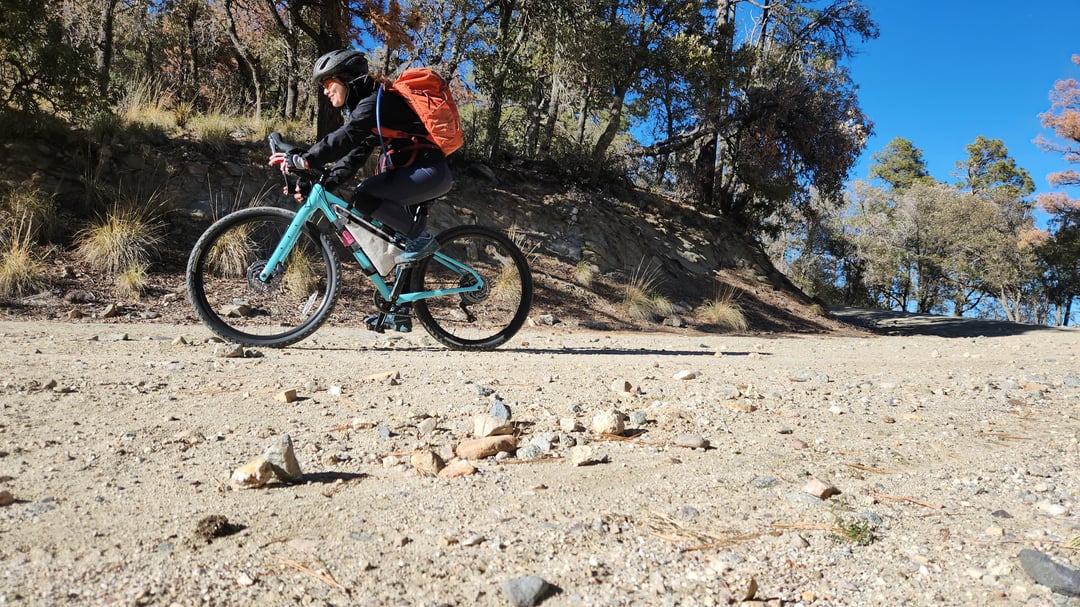
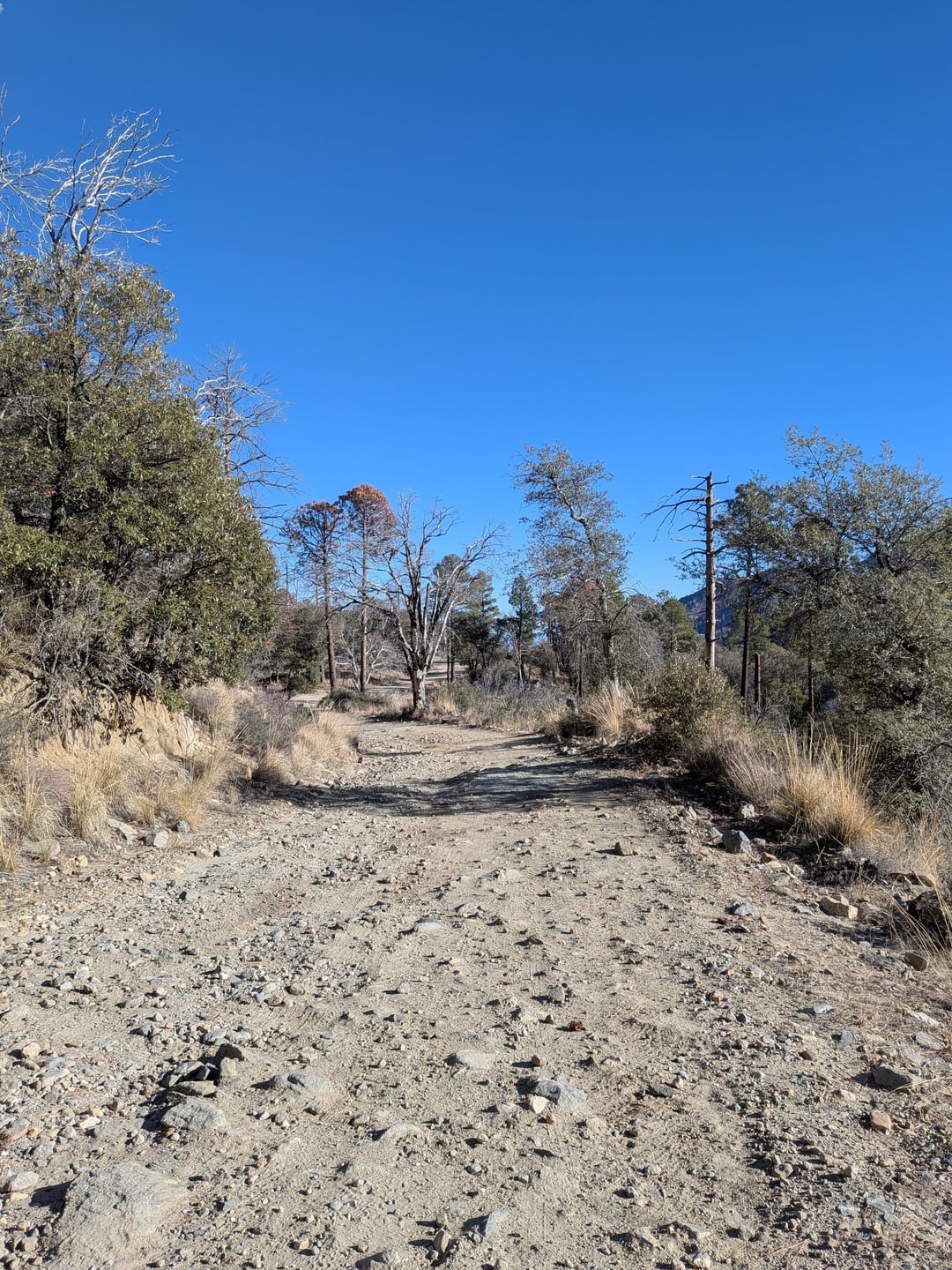
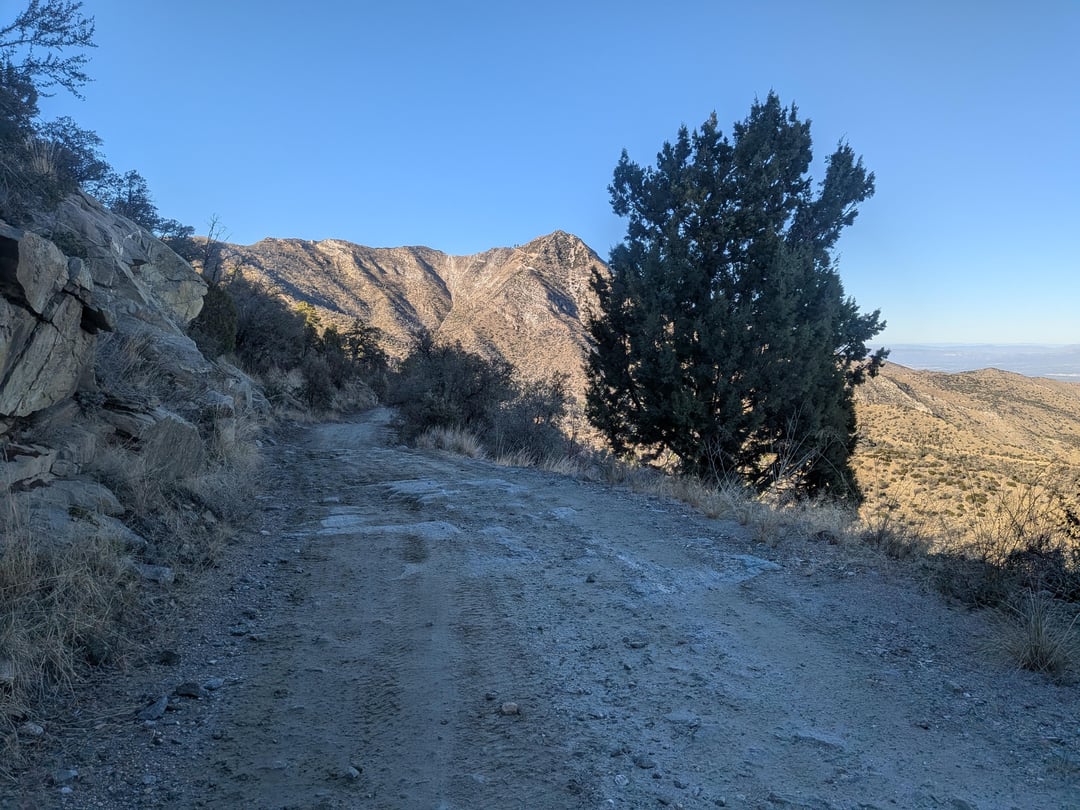
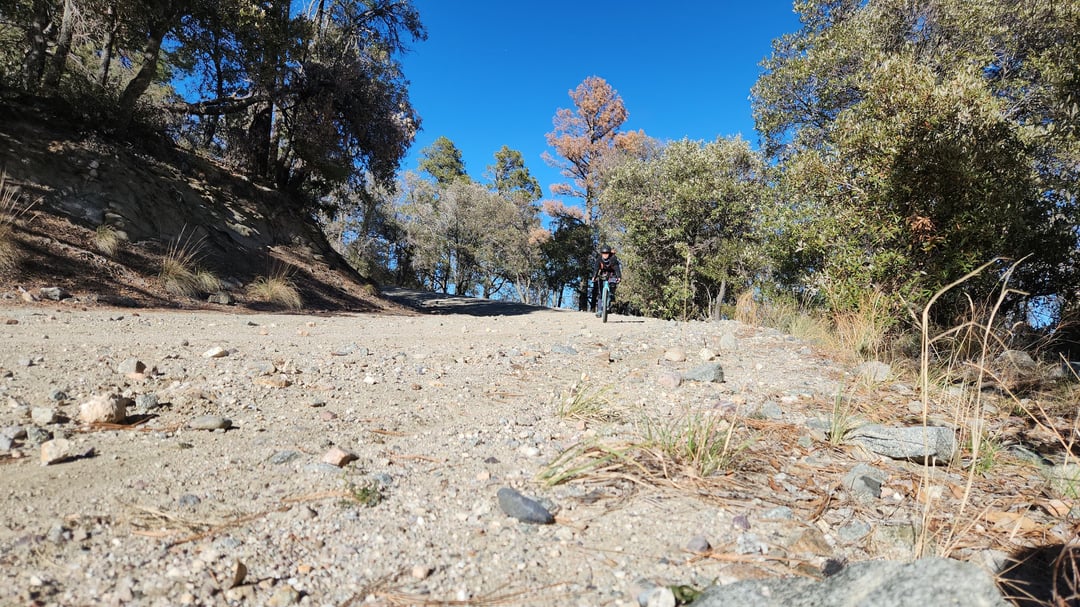
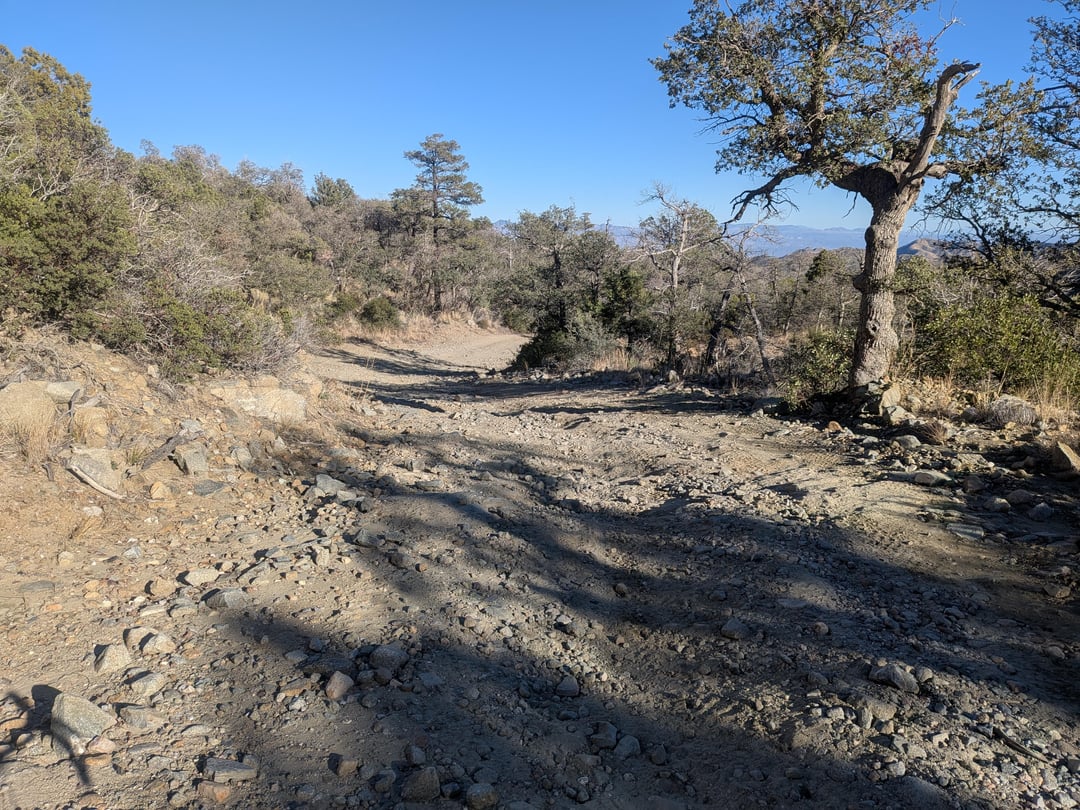
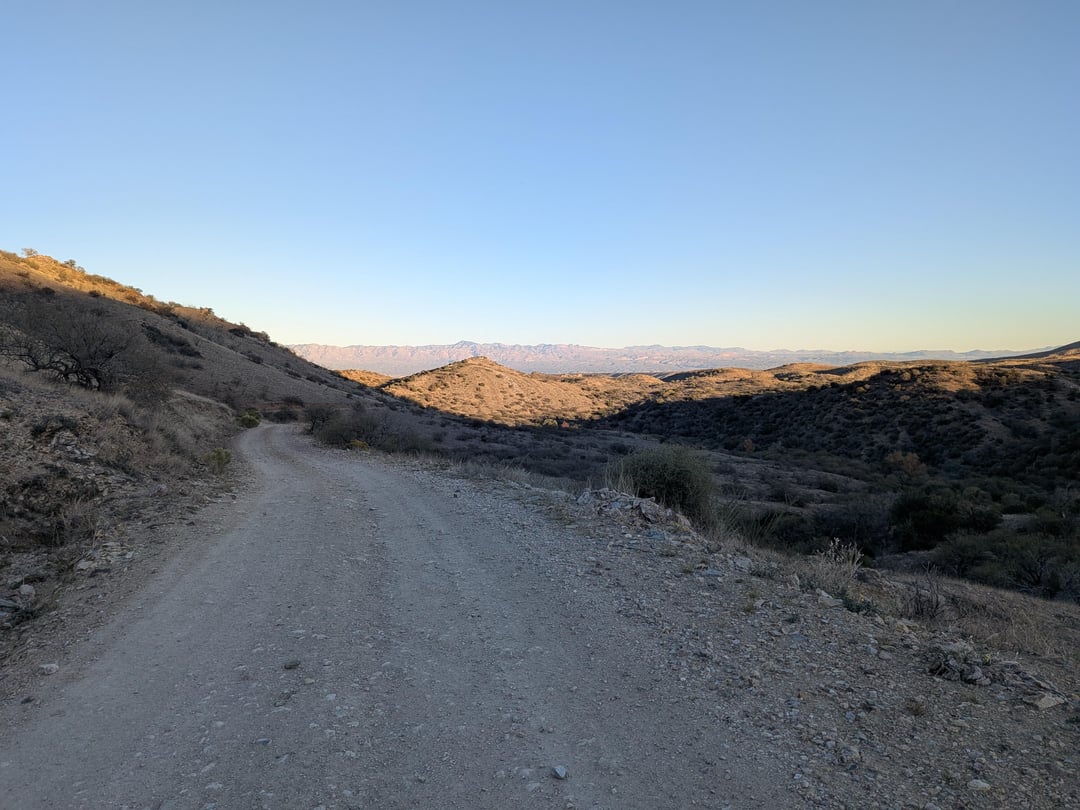
Just bought a gravel Salsa Journeyer with hydraulic brakes and thought that I would be ready to hit dirt roads of Southern Arizona. Did a trip on Mount Lemmon, the climb on paved road was fine, but once we got in the gravel road I realized that my bike couldn't handle it. I spent hours extremely uncomfortable absorbing all the shaking/impact with my arms, having to break real hard till my hands were so painful, and had my back and neck so hurt from being so in front because of the handlebars. Was a terrible experience, just became comfortable when the road was flat and sandy at the end. Am I just a newbie or should I change it for a mountain bike asap?
by nature_mad
33 Comments
That looks like something I would ride on my hard tail MTB. I also wouldn’t ride with a big backpack either. Curious what you are carrying.
At the minimum you need some fat tires for that chunk.
I described gravel to my girlfriend once by picking her up and shaking her. In all seriousness, yes the gravel experience is one of shaking and vibrations. I ride roads like that on my rigid bikes frequently and after a long ride my hands and neck can be pretty beat up. It’ll get better, and relax a little on the bike. Get up out of the saddle on the chunky stuff if you have to
You need a bike fit and no backpack.
I mean most of those pics are of fairly rough gravel. If that’s the majority of your ride that ride will beat you up. You want at a reasonable amount of the ride to be like the last pic. It’s okay to have some chunkyness as long as you have some smoother sections to break things up
Looks pretty rough but similar to some stuff in southern California. Part of it is being a beginner and not being used to the bike and terrain but that kind of gravel riding will be rough on a gravel bike with no suspension and thinner tires. An xc hardtail with 2.2-2.4″ tires would be pretty fun there but if you’re going to be on any flat
And tubeless? Size and pressure? Could be some fine running to get that comfort
We have a lot of fire roads like this in VA. I get a little shaken up on my rigid Ogre (2.5 tires) if I don’t let some air out of them before these sections. Maybe try this technique if you can, if that’s your bike in the first pic then you likely have some wiggle room – especially if you’re running tubeless (and if you aren’t, I highly recommend it). I’ll drop to mid-20s PSI as a 180lb guy on a 30lb bike. I was running drops on it but switched back to flats with some back sweep and this also had a considerable effect on comfort while riding on chunky terrain like this.
Also just noticed the backpack. Carrying weight on your back like that will definitely contribute to fatigue. Potentially look into some bags you can attach to your bike if you’re carrying gear often.
Less tire pressure, don’t death grip the bars and leg the bike wander around a bit.
Gravel is harder than pavement but most people make hard work of nothing.
Seriously look into the lowest recommended tire pressure and let the bike do the work for you.
This bike doesn’t fit you at all. Knee angle, sattle height, cockpit and reach are all off. You need to get this bike fitted or buy at least a larger size.
Running tubeless with a carbon stem/handlebars and seatpost makes a world of a difference
“bike couldn’t handle it”?
This is a rider experience issue, not a bike issue.
It’s all about technique, underbiking can be lots of fun! As someone who’s ridden and raced rigid SS mtn bikes on trails all over TX, you’ll have to learn to absorb the impacts with your arms and legs better.
When you don’t have any suspension on your bike, your arms, ankles, knees and hips all have to be very active to smooth out the ride. If your hands were very sore, you likely had a ‘death grip’ on the bars… that’s no good because that means your tense and not using your arms effectively which then transmits all those bumps back into your body.
It will come with time but you do need to be attentive to what you’re doing on the bike with your arms and legs. Think about absorbing the impacts while your riding. Be mobile (fore and aft) while on the bike on technical terrain… I tell folks I’m working with to ‘be an athlete’ while on the bike.
Also, check your tire pressures. Im 6’3 and 185lbs. I run 45mm tires on my gravel bike and when Im riding chunky gravel my tire pressure is around 40psi. Lower tire pressures can help smooth things out too.
Honestly the road looks fun to me, but I would hate to wear a backpack like that. Guaranteed back pain for me. Other questions: do you always ride in the drops? Has the bike been fit to you properly (saddle height/reach)? Have the brake levers been adjusted for you? What tire pressure are you running? Are you coming up out of the saddle on the downhills and letting your legs absorb the bumps?
Yes, your arms will be tired riding on a surface like this, but you shouldn’t be in this much discomfort. 🙁
That road is more than fine for your Journeyer. You most likely have your tire pressure set way too high. Use a free online tire pressure calculator like the one from Silca or Sram. You can probably go a little lower than what they say for extra comfort. Too low and you risk pinch flatting when you hit a large enough rock.
Ditch the backpack. Even on pavement loaded backpacks get very uncomfortable for the neck and shoulders. A rear rack with a pannier bag or a bag on top of the rack would be great. Idealy don’t carry so much stuff but if you need to, keep it on the bike and not your body.
I looked at those pics and immediately recognized where you were at. I go up the control road all the time between our RZR, the truck or my MTB. The upper portion is pretty gnarly. I’m sure some people would ride it on a gravel bike, but I would stick to the lower half before you get to the road closed in the winter time barriers. Anything above that is going to be hard to pick a clean line and not get abused.
Some of those roads look really loose, how experienced are you riding off pavement?
This is all rideable terrain on a gravel bike, but a few things will help:
**Gear**
* Ditch the backpack – the additional weight will cause some back and neck pain.
* Wide tires – wider tires (42-50c would be best for this terrain) can be run at lower pressures which will absorb more of the bumps.
* A comfortable saddle – this will also help absorb some shocks and ensure you’re not shifting weight onto your hands.
* Brake adjustments/bedding – most modern hydraulic disc brakes have adjustment screws underneath the levers. This adjustment can change the lever position so your hands aren’t stretched. Also if you didn’t [bed the disc brakes ](https://www.youtube.com/watch?v=kUBJvizA27Y&t=209)in they may not be as effective.
**Fit**
* You should get a bike fit, your saddle looks low (judging by your knee angle).
* Bike fit can also help ensure you distribute your weight across 3 points of contact (saddle, hands, feet) appropriately.
* You can also get a saddle recommendation (ideally a few to try out during a demo period or over the course of a few fits).
**Skill**
* Line choice – picking smoother, easier lines is a skill you have to develop, and it only comes with experience.
* Dynamic weighting – learning to unweight your hands/butt to reduce fatigue (bouncing over rocks and obstacles).
With time and a small investment, you can easily crush this route!
I have ridden that road and it is pretty chunky and doesn’t really let up, I wish I had a little squish when I did it but the bike handled it fine. That being said, your bike fit looks off which could cause a ton of discomfort. Also, technique goes a long way when being under biked. Tires, tire pressure, that backpack etc could also be factors. The bike is fine and capable enough, it’s the set up and the rider that should be adjusted.
I would call this type of road challenging but well within the realm of gravel.
Saddle height is low, but stem probably a bit long. Don’t think bike size if too wrong, but get bike fitted and stack adjusted as needed. Also, adjust brake lever reach. You can do this with 2mm allen key. This bike should accommodate rear rack and fork bags.
That is some seriously rough road.
I have 0 interest in suspension on my gravel bike, but if that was the typical type of gravel I rode, I would want to switch right away.
Your seat is too low and your bars appear to be at a wild angle, unless it’s just the picture.
Use something like the wolf tooth tire pressure app to make sure you’re running the right PSI.
With proper fit and PSI, this will be a fun road. The backpack is fine as long as you’re using the hip straps for heavy loads. I bike with a backpack regularly and with up to 40lbs of groceries in my hiking bag without pain. If the bag is ill fit or really heavy, it might be that.
Cycling never gets easy. But you have 1000 way to make it more enjoyable.
Practice riding with your hands on top of your brake levers (hoods) for me at least, riding with your hands on the lower part of your handlebars (drops) is only for smooth roads and trying to go fast (being more aerodynamic). It’s a lifelong learning experience, enjoy the journey.
The angle of those hoods are insane. You need a professional. Besides, gravel can go anywhere a MTB can, but you’ll pay for it. 😂
Bike fit , ditch the back pack as that undoubtedly added to shoulder neck pain (along with bike size and riding position.
Along with the other suggestions, a suspension stem like Redshift or Cane Creek helps a lot on the arms.
Do you come from another cycling background, or is this all a new experience? A lot of new cyclists are put off riding on rough gravel with drop bars. Usually road riders are used to the drop bar position and can focus more on the terrain. There’s nothing wrong with using flat bars if it’ll make you feel more comfortable.
I have a Journeyer too! At the beginning of the year I wasn’t very comfortable on gravel. Not just with my body (which was always in pain)… I felt like I was never in control.
I got the tires set up on tubeless and ride at about 30-35 psi, and after a proper bike fit I am MUCH more comfortable, confident and can keep up with others.
Tire pressure is the big one!
SPDs and proper seat height
Get rid of the suitcase on your shoulders and get clipless pedals. Will help immensely with power and control. Also most likely help with fatigue. And ride… a lot.
That is chunky stuff. I would be on my xc bike with tires at low psi. Other comments about size and too many packs are spot on too.
Did similar ride in Ensenada for 3 hours on my Specialized gravel bike with a future shock 20mm travel on very rough fire roads similar to what you posted. It was a horrible experience, and I was fairly beatup early-on and just felt like going home. 95% of riders had MTB’s while I had the gravel bike. Couple months ago, did the same ride on a full suspension Specialized Chisel XC MTB and it was wonderful and I was bombing the descents at high speed like it was nothing. The winner, FWIW, did have a gravel bike.