
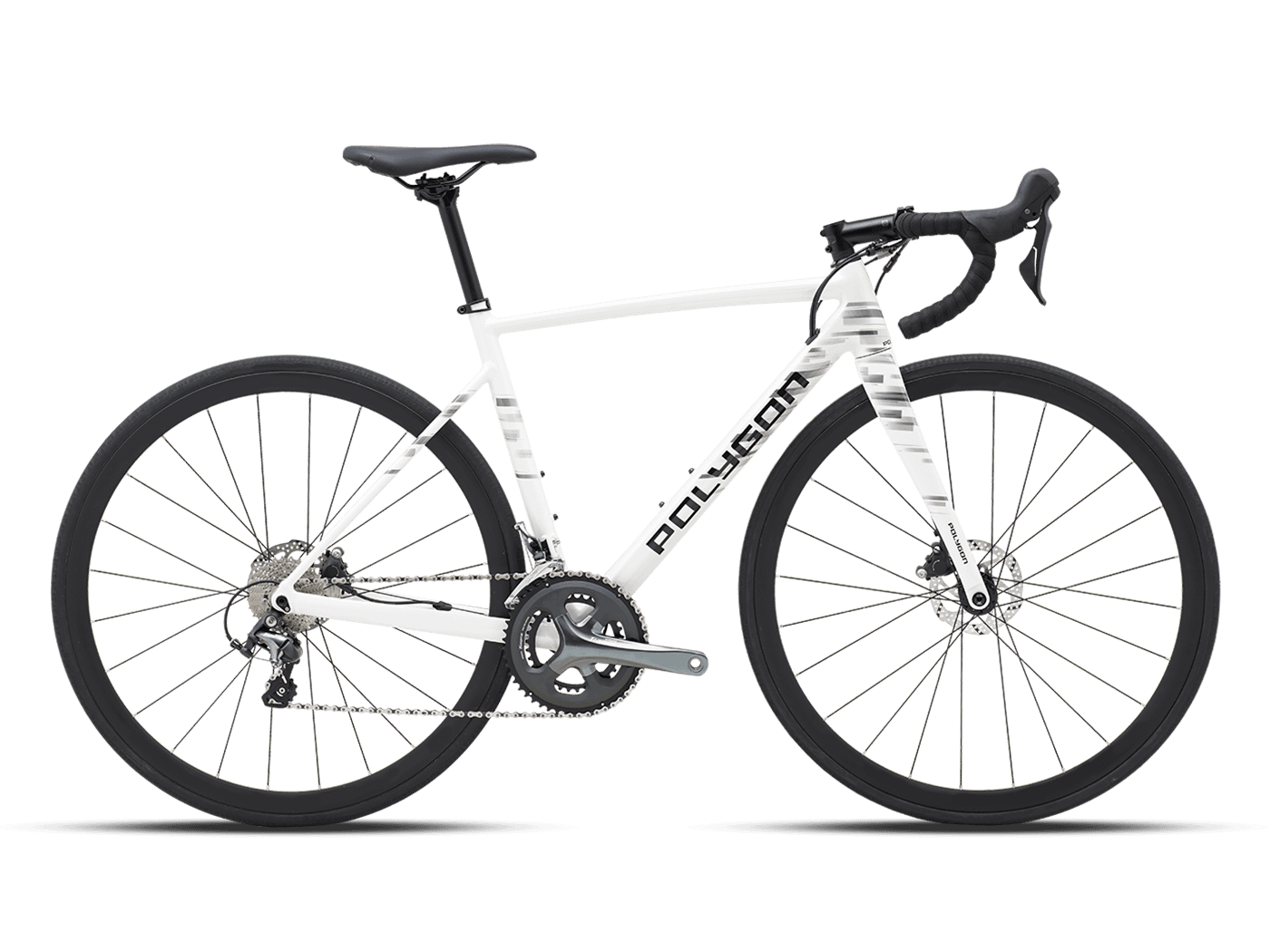
Large brands offer seemingly terrible value. For example, Specialized Allez and Trek Domane AL 2 give you Claris and mechanical brakes at $1200, but for the same price, you can get Tiagra and hydraulic brakes from Polygon. It's a similar story with Triban, Cube, Marin, Poseidon, etc. as opposed to brands like Specialized.
What I want to know is whether you're paying the extra few hundred just for the brand name or for quality that isn't as immediately apparent as the component set, e.g. rims, hubs, BB, frame, and all the other things I may not know to look for.
by LingonberrySpecific6
3 Comments
The simple answer is both, and it depends. With a Specialized or Trek bike, you are 100 percent paying extra for a name, but you’re also paying for their (genuinely more expensive) R&D and (sometimes more expensive) manufacturing. Whether this actually makes a difference is very much debatable.
Objectively, you can build up a lighter and more aerodynamic bike than a stock SWorks Tarmac SL8 for less money and it might actually last longer. Tour Magazine testing shows it’s by far not the most aero frameset and the Roval wheels and some of the finishing kit isn’t especially light, so 100 percent, some of what you pay for is the full trek/specialized/cervelo/Scott “package”. Admittedly the current gen foil and S5 are pretty incredible bikes, but the current madone and SL8 kinda aren’t.
If you go with a Polygon or a Merida, your bike won’t be quite as fast as an S5 and it won’t be quite as light as an SW SL8, but whether there’s some magic in the layup that’ll make the S5 ride like a perfectly stiff, responsive, comfortable dream? Sone do, I don’t think so. So in general, a 6 grand Merida beats a 6 grand Tarmac every time. I think it’s a given.
If you were building up something yourself, I firmly believe you could get a reacto, RCR-F, winspace or elves frameser faster and lighter than a 12 grand SL8.
I would say this runs in a spectrum from Chinese DTC Lightcarbon etc, to a China Cycling spec winspace or quickpro, to the likes of Polygon and Merida, to Canyon and Giant and then to Cervelo and Trek etc.
All the way up you can build amazing fast bikes, and you pay a bit more for branding with each step.
I’ve owned mostly ‘big-name’ brand bikes, like right now I am mainly riding two Treks and a Yeti, also have a couple of Specialized, but I bought all of them used.
With Trek and Specialized buying new you are paying for the brand, or an ‘I didn’t do research/Trek bought out my local bike shop’ tax, especially with alu framed bikes at the lower end of the range for which they tend to really trade on their brand image and marketing.
If you are spending 5k+ on something from the top of the range, it’s possible there is some unique or proprietary tech or carbon layup process the big-name brand has that you won’t see on the likes of a Cube or Polygon, but this generally isn’t the case lower in the range.
Buying big brands in cycling is bullshit. R&D is bullshit for the majority of “consumers”. It is like this for most things now, everyone is fucked by the marketing. I don’t get why I should pay A LOT more for a Spec or a Trek when: 1) The product in the end is always the same; 2) $ vs € exchange is low so the price should be a lot less just for this reason; 3) The production of critical components is still made in Taiwan/China without any control on working conditions or environmental aspects etc; 4) Big brands do not make better quality products or “better bikes” in general.
The only reason to buy a big brand is the (possible) better value for resell purposes…but again, selling and buying a bike every bunch of years is a “new” habit the brands decided to make the normality, just because they release “new” models every 3/4 years.