
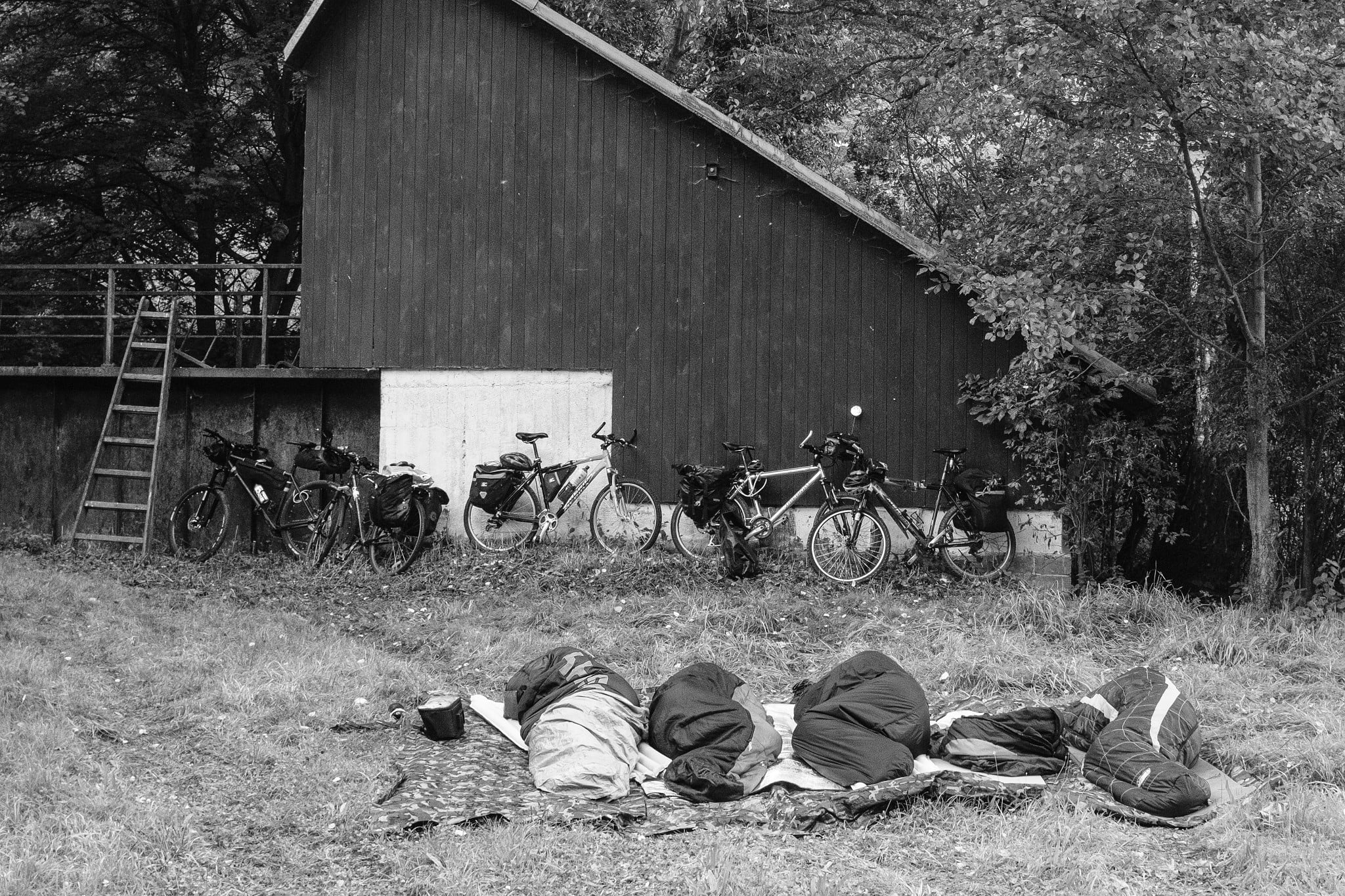
In Czech Republic, its possible for sure. You have to follow some rules, but I would not think that you could get a fine here. How is it in your country?
by ctothez2018
In Czech Republic, its possible for sure. You have to follow some rules, but I would not think that you could get a fine here. How is it in your country?
by ctothez2018
12 Comments
germany really depends, i always do, even if strictly forbidden. my credo: leave the bivy spot better (cleaner) than i found it. never had a problem
Japan is no problem, people have been nothing but kind. Just be sure to be clean and courteous of course 🏕️
Not Wildcamping per se, but I always ask a farmer if I can pitch up on his land. Usually they guide you to a nice spot with some trees, sometimes they bring you coffee in the morning. Worked in all western european countries for me so far.
In Finland it is allowed, but anyone visiting should make sure they get the rules right. Each year some tourists act like they own the place ‘because it’s legal here’.
Most often I still use national park camp spots, as they have fire rings and firewood, outhouses and often a source of water.
In Australia it’s technically illegal, but a kid of rangers will look the other way as long as you don’t make a mess, have big fires, pump loud music. Basically just use your brains and you’ll be right
In Poland it is only allowed in designated areas. Which pretty much didn’t exist before 2019, so people were doing it illegally anyway. For a couple of years now there actually is a network of designated areas, and I tend to use them if they are available somewhere nearby. Unfortunatelly these tend to be hit or miss – some are quite nice, but I have also seen some designated in mosquito infested bushes on at a slope.
In the US, yes. Lots of National forests, State Park, National parks, and public land.
Norway has “The right to roam” which includes camping. It is wildly popular, and there are strong cultural codes relating to cleaning up after yourself and not leaving a trace. Hiking (or bikepacking) and wild camping is basically something every norwegian growing up is expected to do. Even the natural parks and woodland areas close to the cities, like Oslo, people will pack their hammock or tent and just spend a night or two on the weekend, even though their apartment is just 40 minutes away.
[https://www.visitnorway.com/plan-your-trip/travel-tips-a-z/right-of-access/](https://www.visitnorway.com/plan-your-trip/travel-tips-a-z/right-of-access/)
I’ve never had any issues wild camping in the Welsh uplands, but you have to be prepared to leave quickly if asked to by the landowner.
Denmark:
No, but we have a lot of free [primitive shelters](https://gdkfiles.visitdenmark.com/files/471/171508_Haderup-Shelterplads.png?width=987) and free camp sites dotted around the country.
There are also forest areas with wild camping allowed, but outside those areas it’s not permitted.
I’ve been on a bike trip where we had to set up a camp in the middle of nowhere, as we were far from the nearest shelter/camp and we were tired. Our tent is green and we hid very well behind some trees. We woke up to the sound of a guy walking his dog. Later that evening, the police came and checked on us. They let us stay, though. It was around the time when Syrians refugees were entering the country and walking around on our highways, so we assume they suspected us to be some of those.
I wouldn’t be afraid to do it again at all, but my friend doesn’t want to try again.
Every time I do it:
https://preview.redd.it/k554b9nh6b3f1.jpeg?width=426&format=pjpg&auto=webp&s=bb05071ce84661e6125b108195bcbe82ee75b92c
in the united states, definitely not allowed on private land. on public land it depends, but national forest and bureau of land management definitely. those represent a huge chunk of the country and are mostly unmaintained, undeveloped land that the federal government just owns. often leftover land that didn’t get homesteaded. sometimes they lease it for ranching, logging, or oil extraction, and it’s fine to camp away from roads and trailheads.
state park, national park, national monuments, generally no. those types of lands get more visitors and have stricter rules. often you can backcountry camp in the bigger national parks but that’s if you’re hiking. national parks aren’t usually bike friendly.