After previously covering some of the better-known cycling routes, this time I’m taking you to a more niche, lesser-known project, that was actually designed with cyclists in mind.
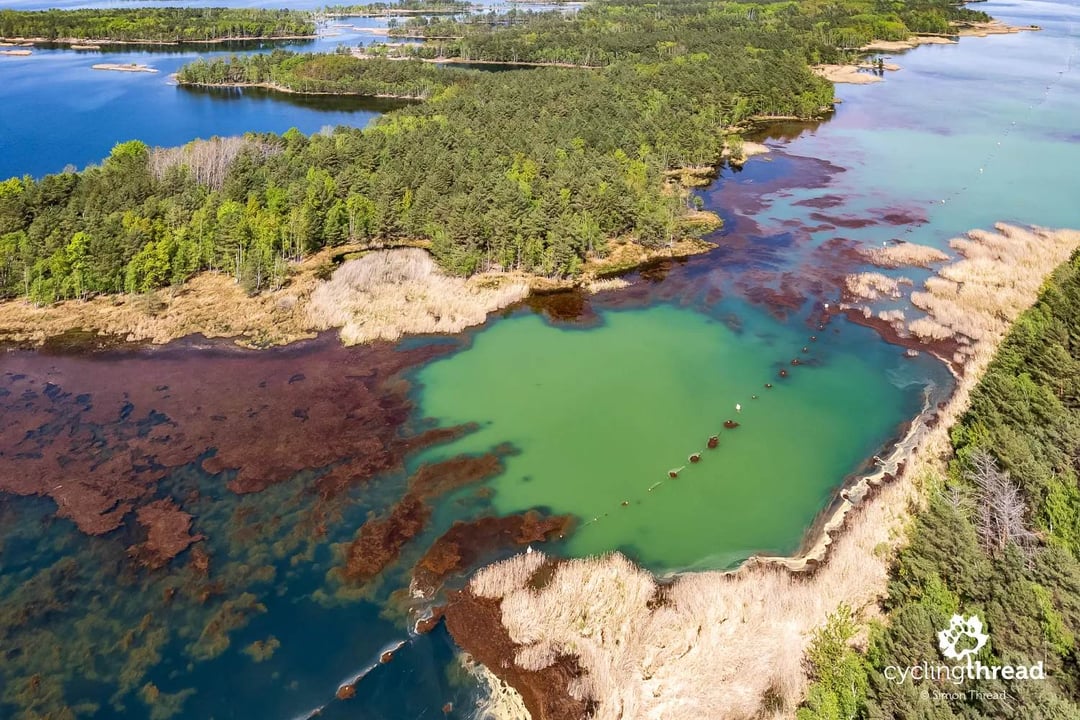
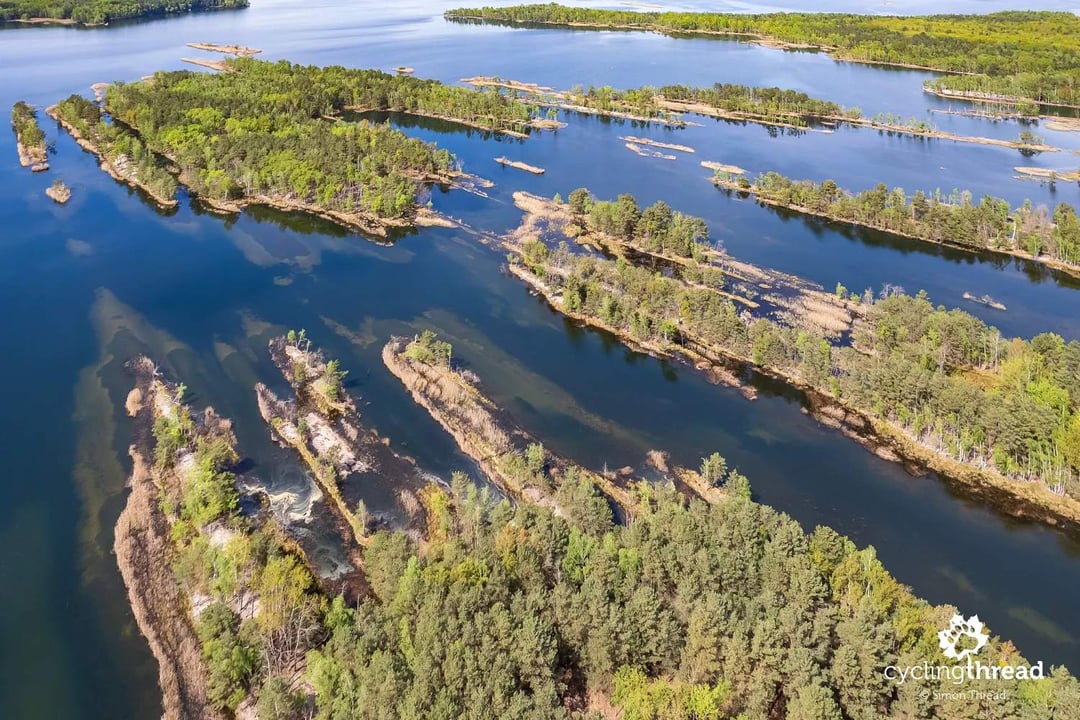
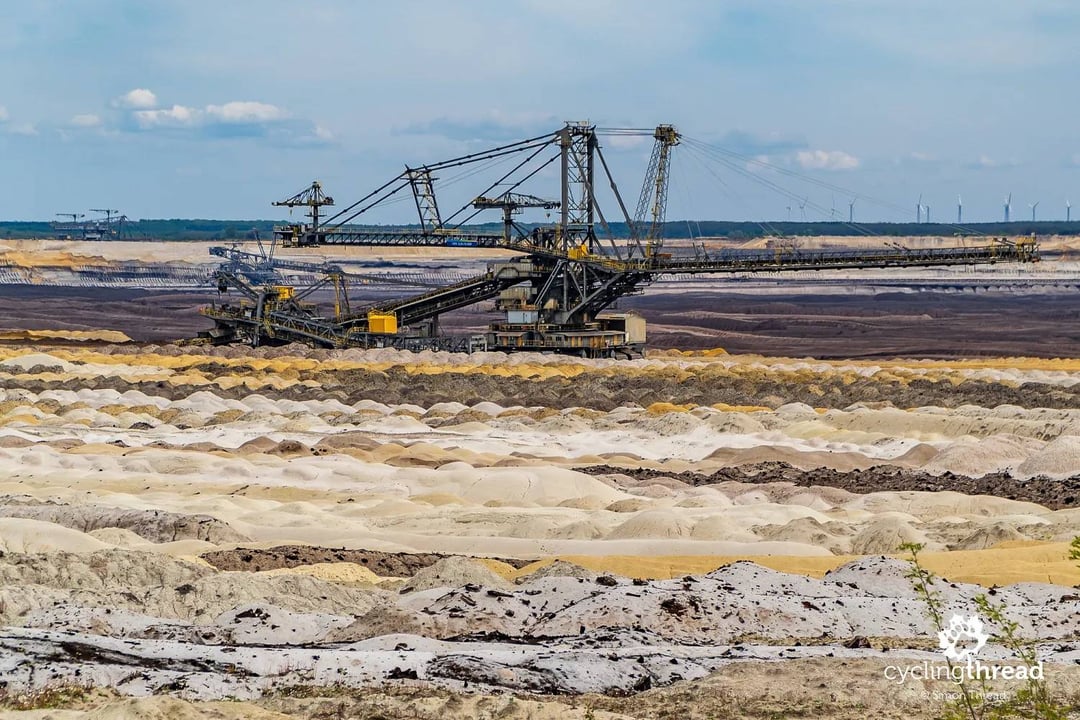
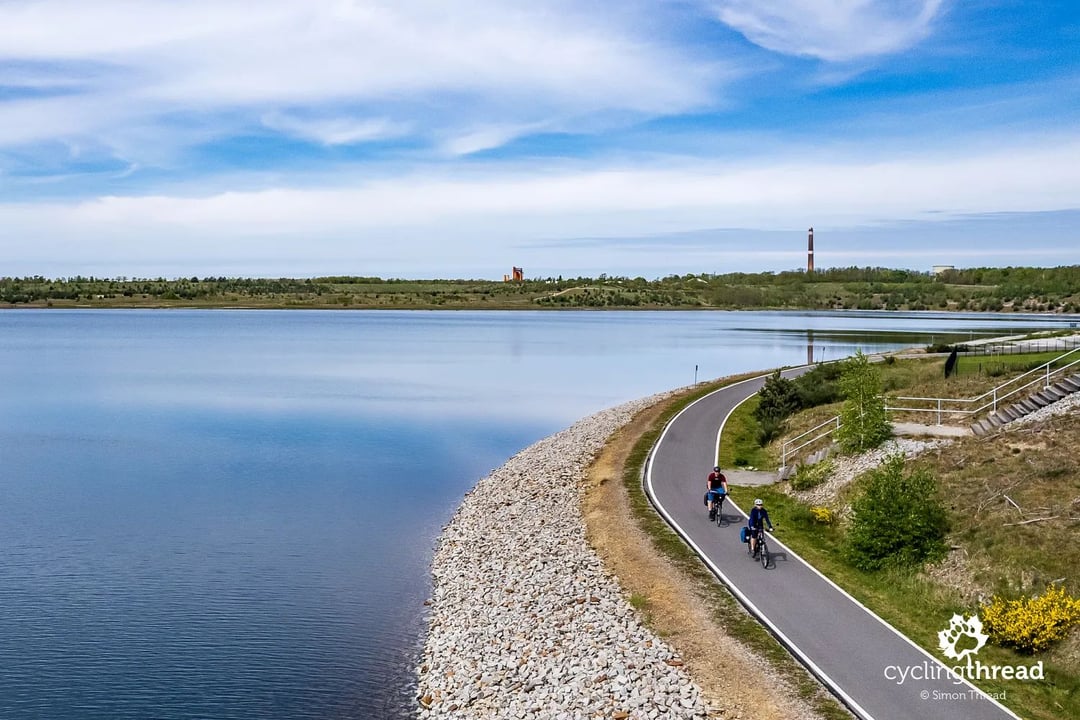
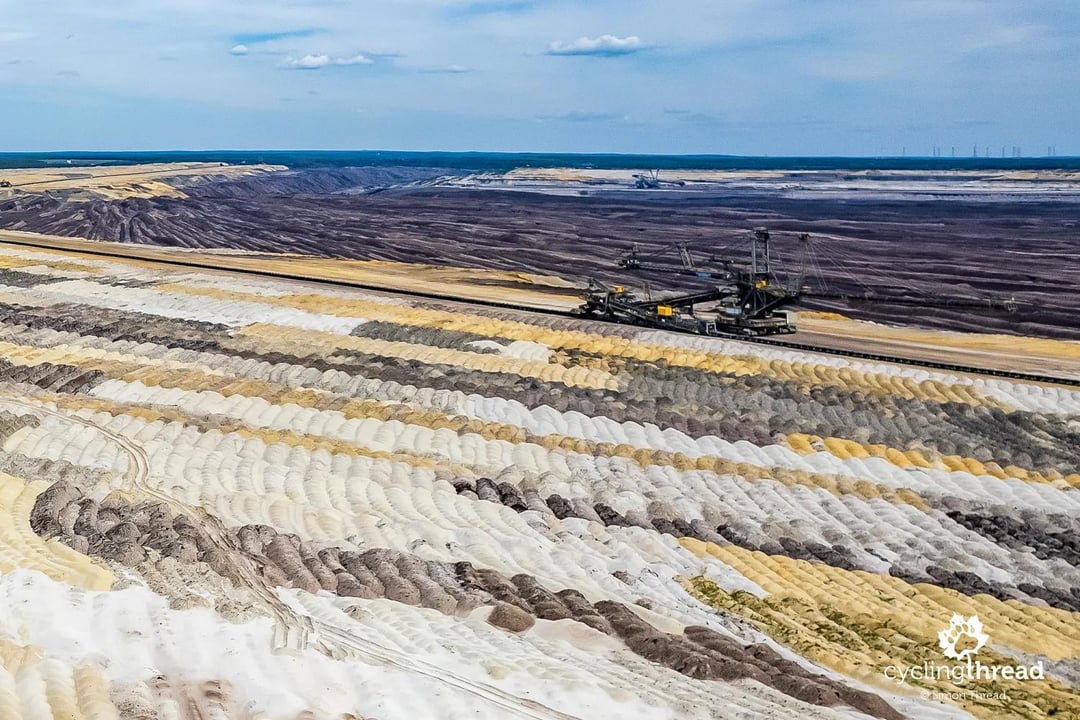
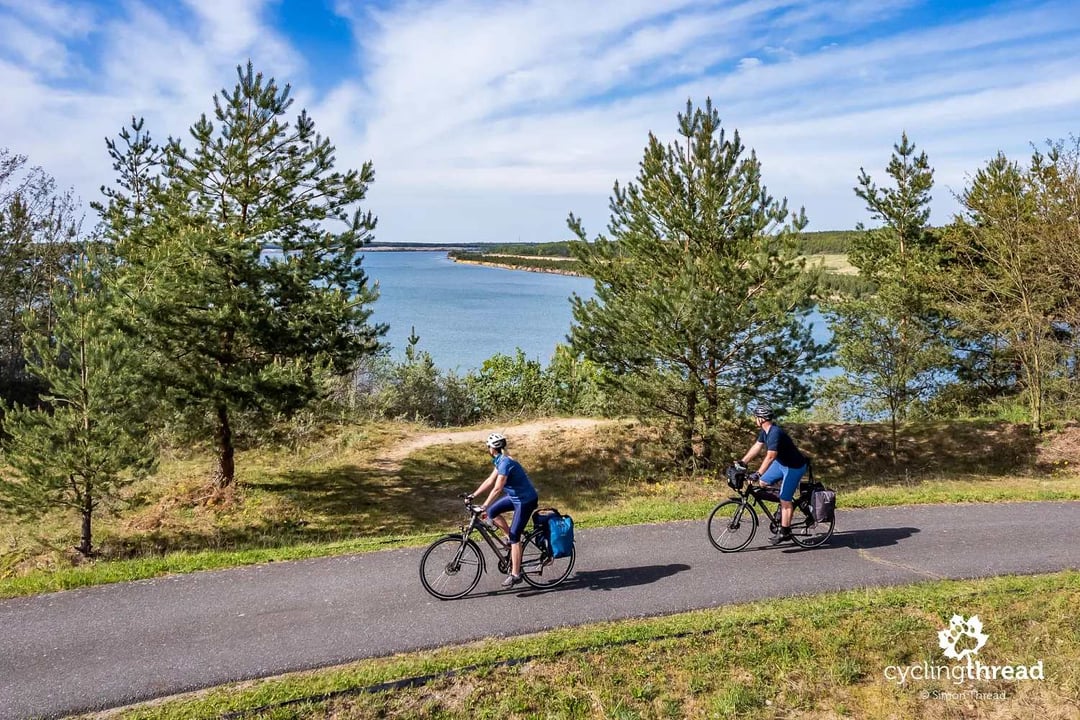
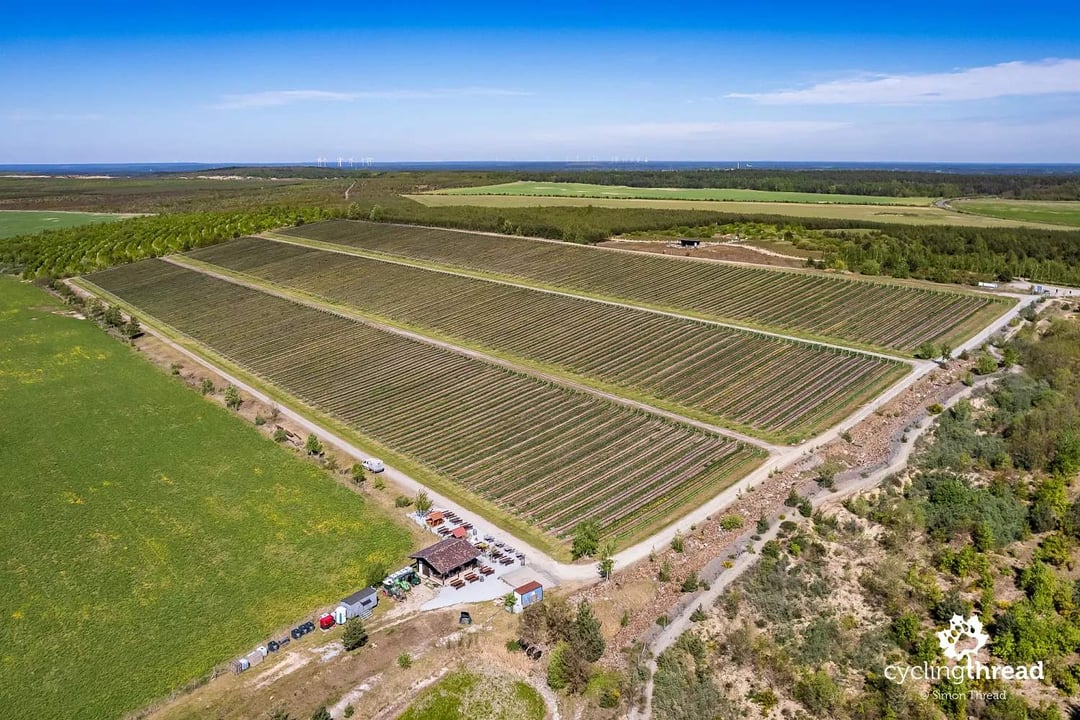
A few decades ago Lower Lusatia (Niederlausitz) was considered one of the most devastated regions in Europe, due to the scale of open-pit lignite mining in the former East Germany. But as the coal deposits were gradually exhausted – and as local awareness and environmental policy began to shift – the region started to transform. What was once a vast industrial landscape is now becoming a tourist destination. The massive craters left behind by mining are being cleaned up and filled with water, creating what is now known as the Lusatian Lakeland.
We spent a few days there last May – here’s our full article with detailed tips, photos and a gpx file:
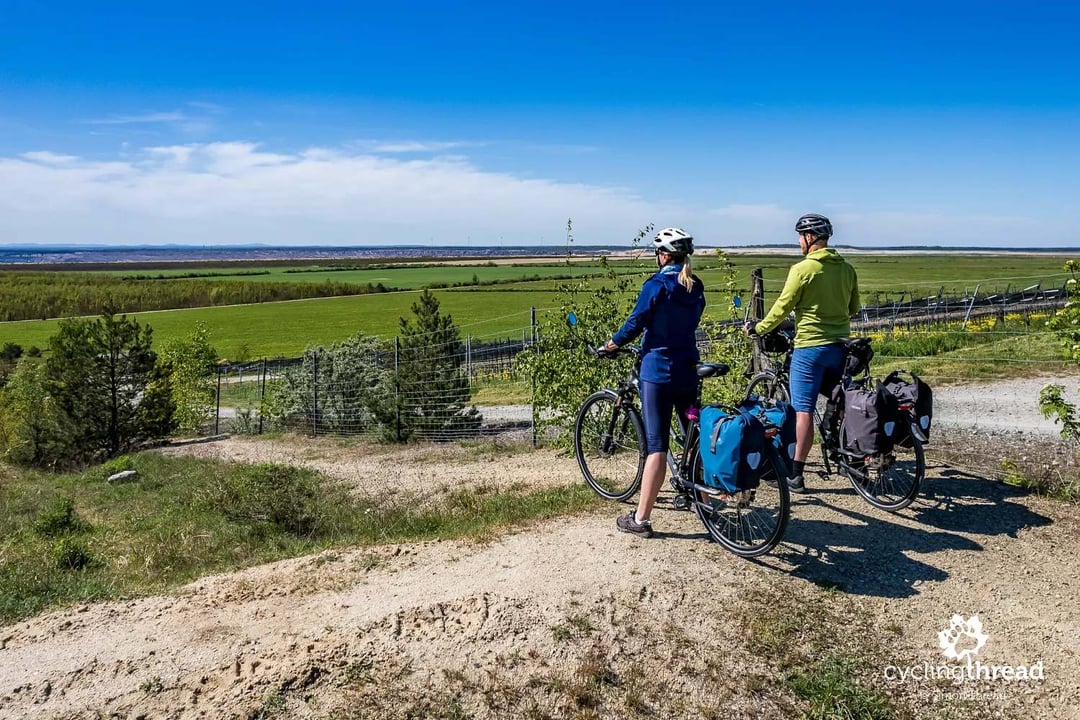
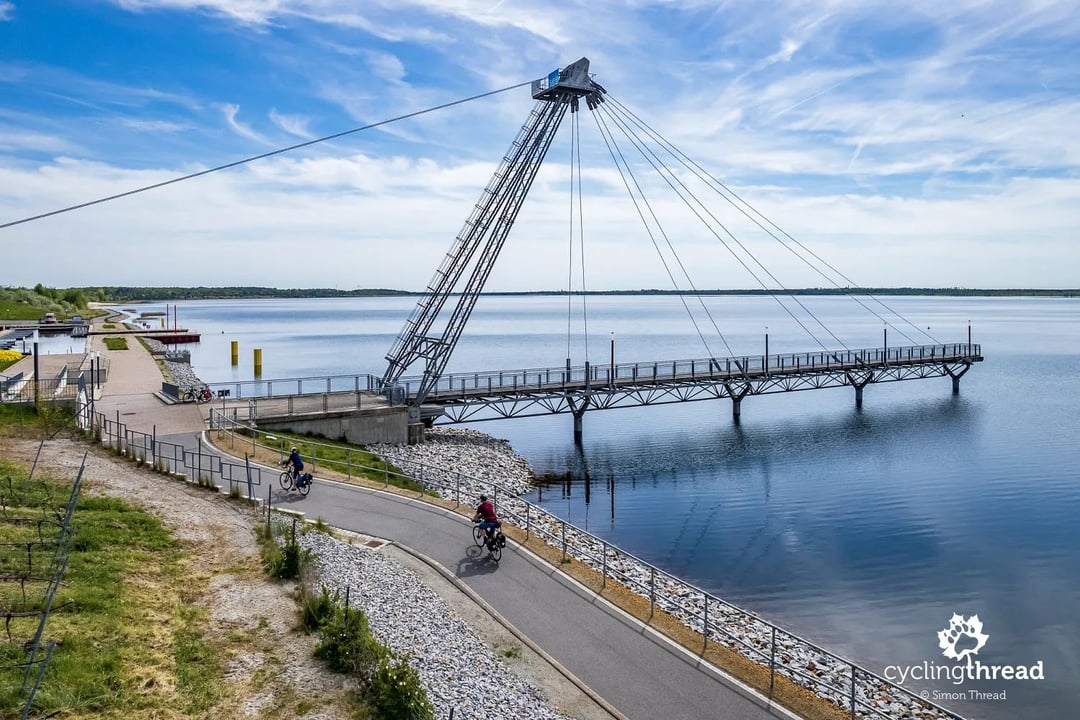
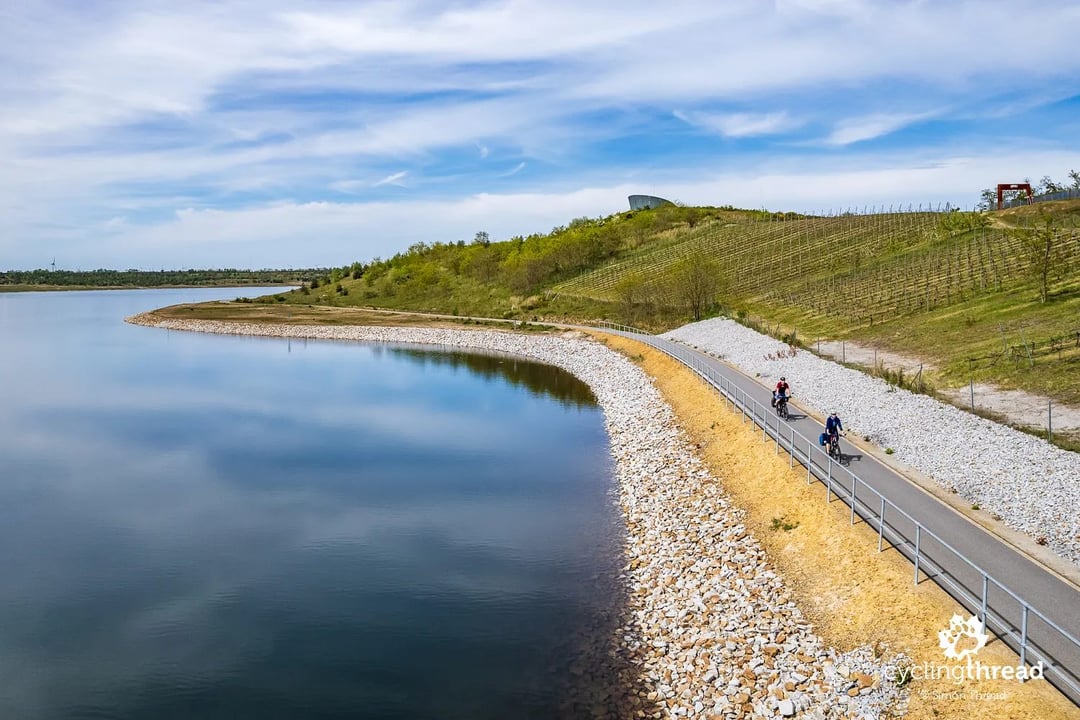
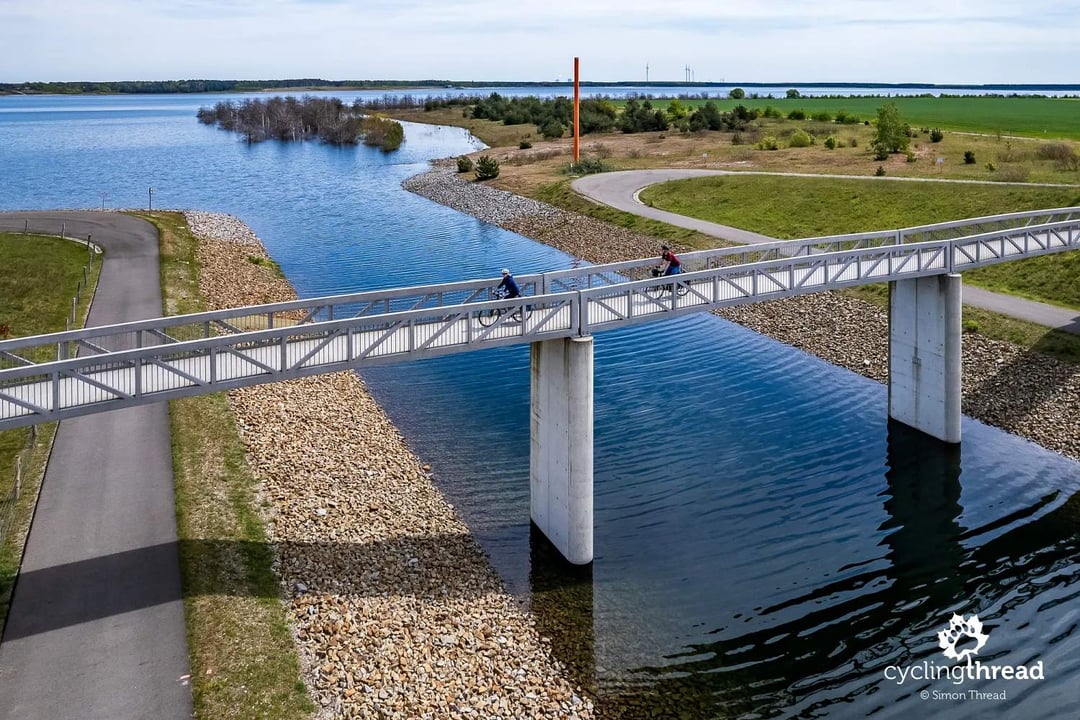
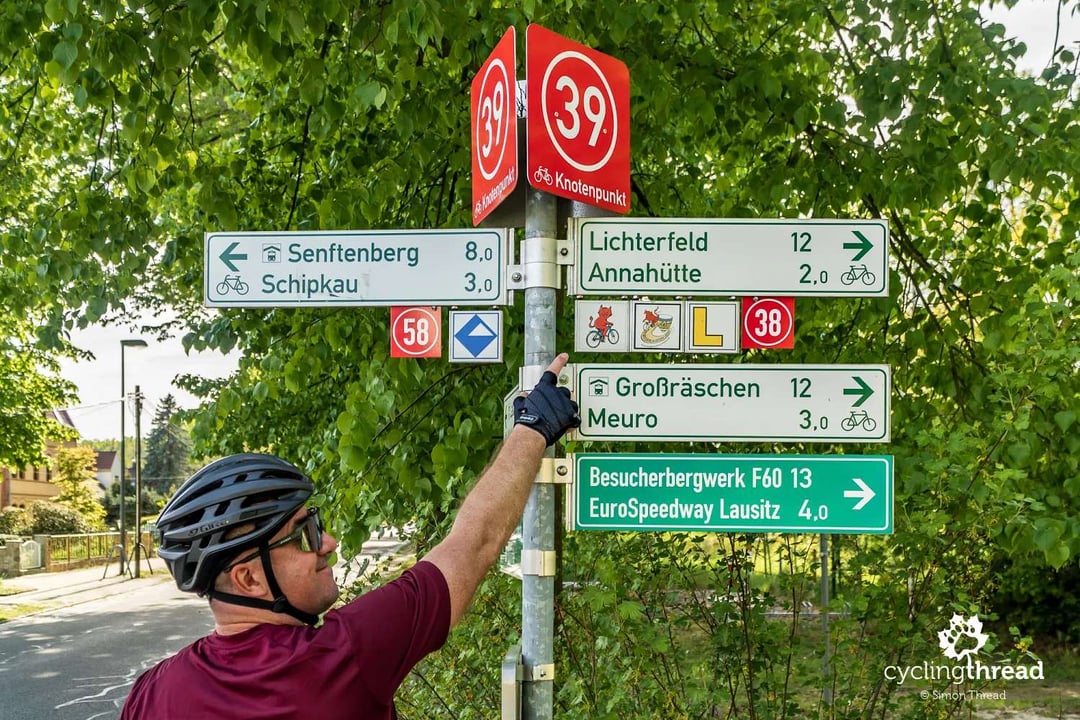
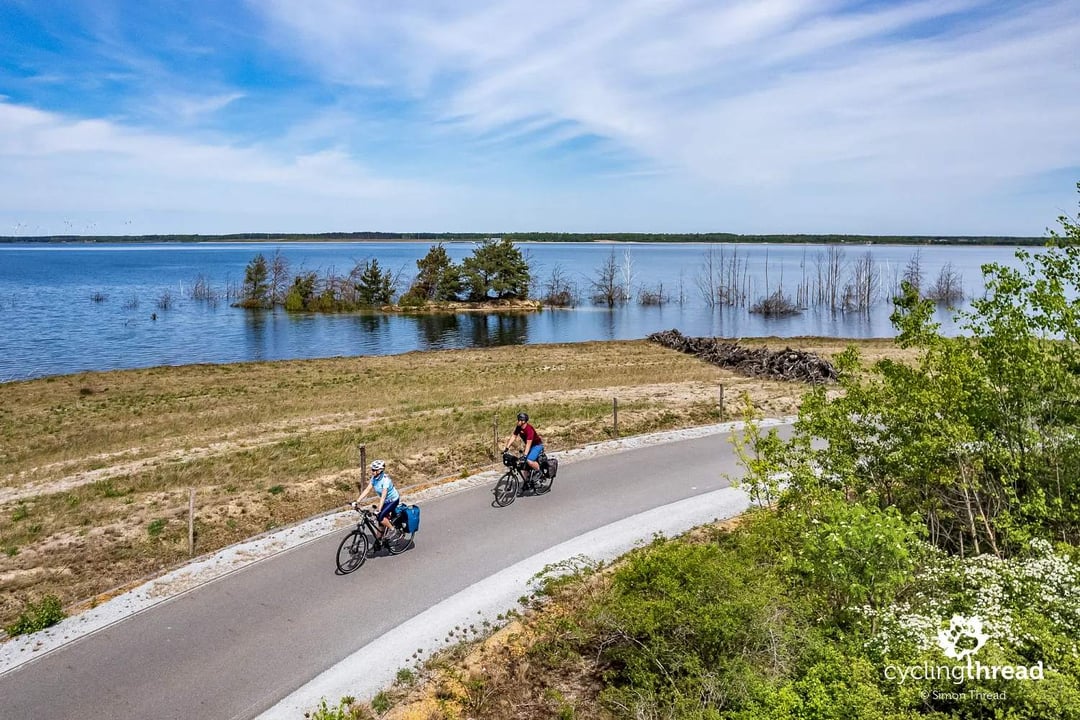
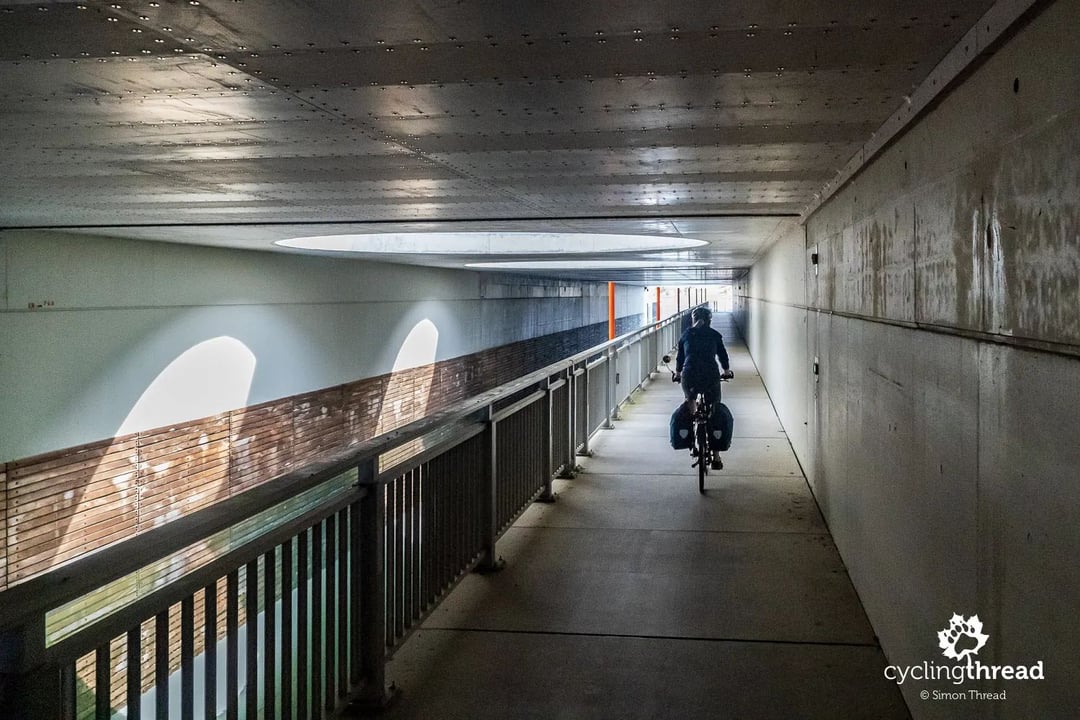
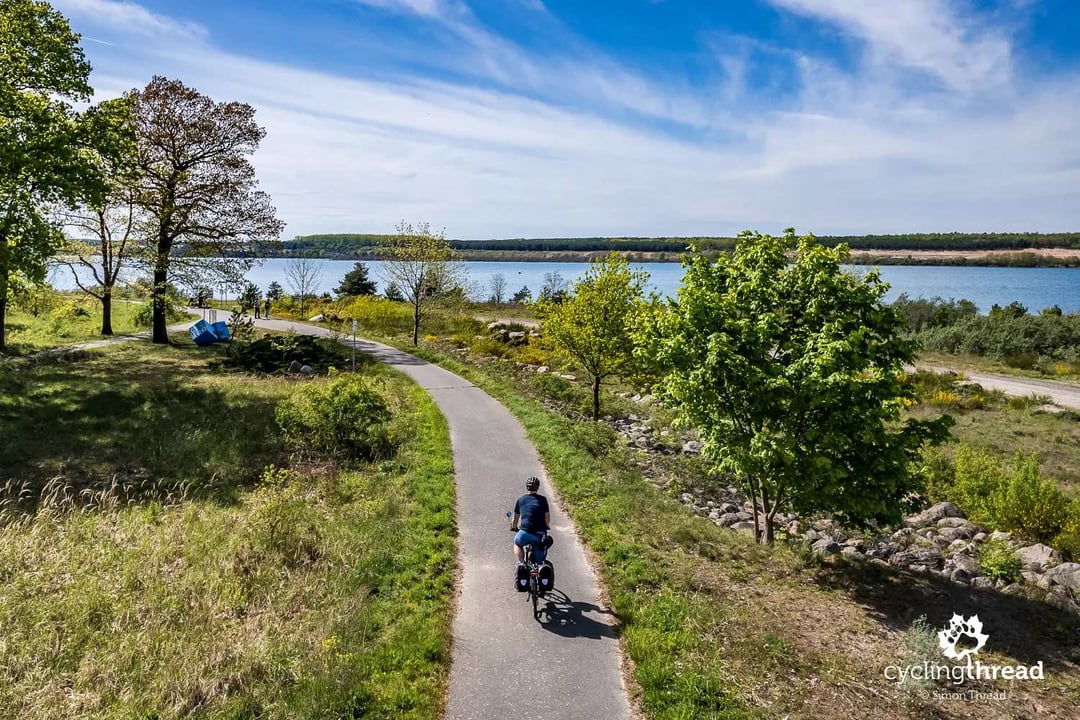
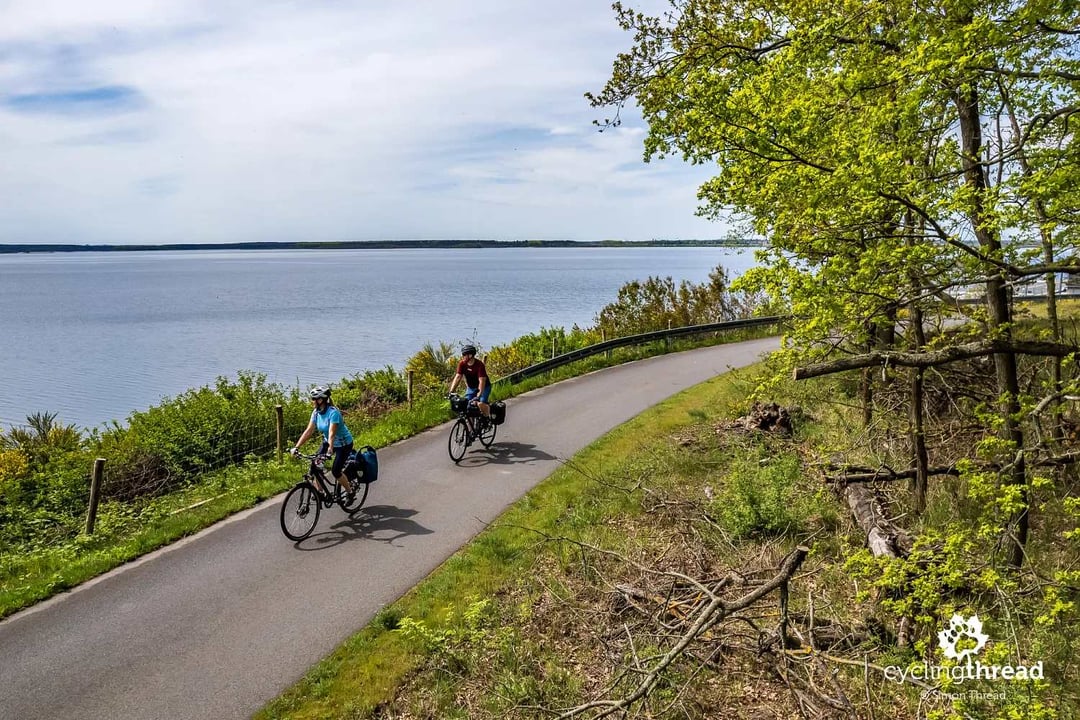
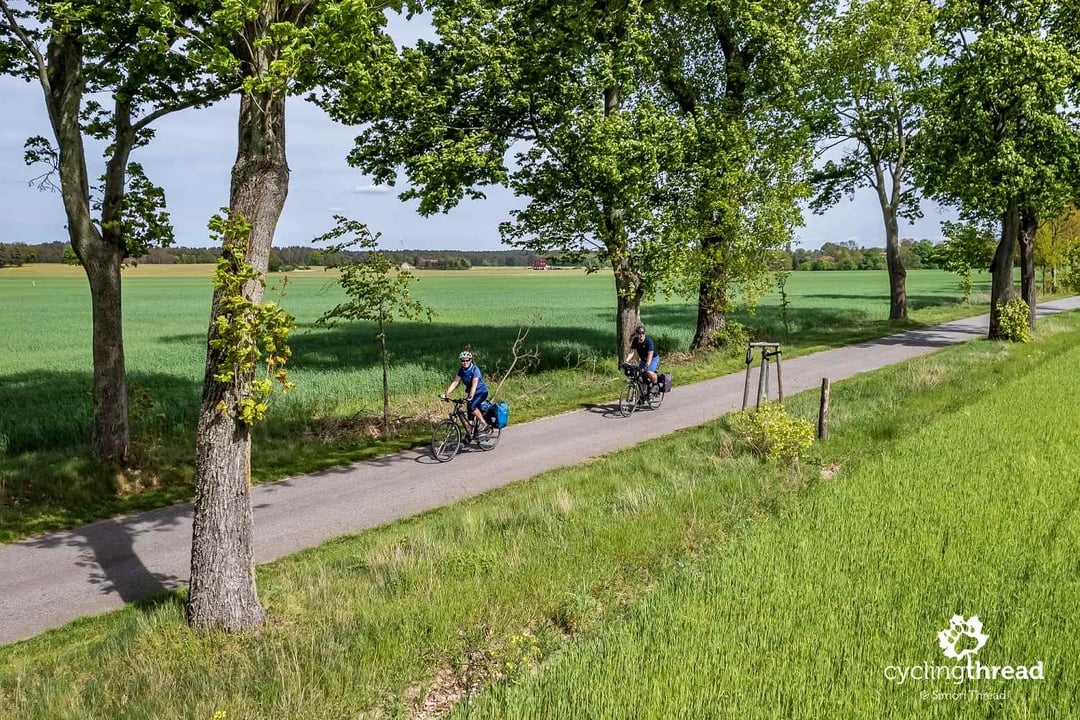
Developing cycling tourism has become one of the region’s priorities. Paved bike paths now circle the lakes, forming both scenic day loops and a longer multi-day itinerary known as the Lower Lusatia Mining Route. The loop passes through towns like Spremberg, Senftenberg, Cottbus. Now it’s a nice weekend getaway with quiet, well-separated cycling infrastructure.
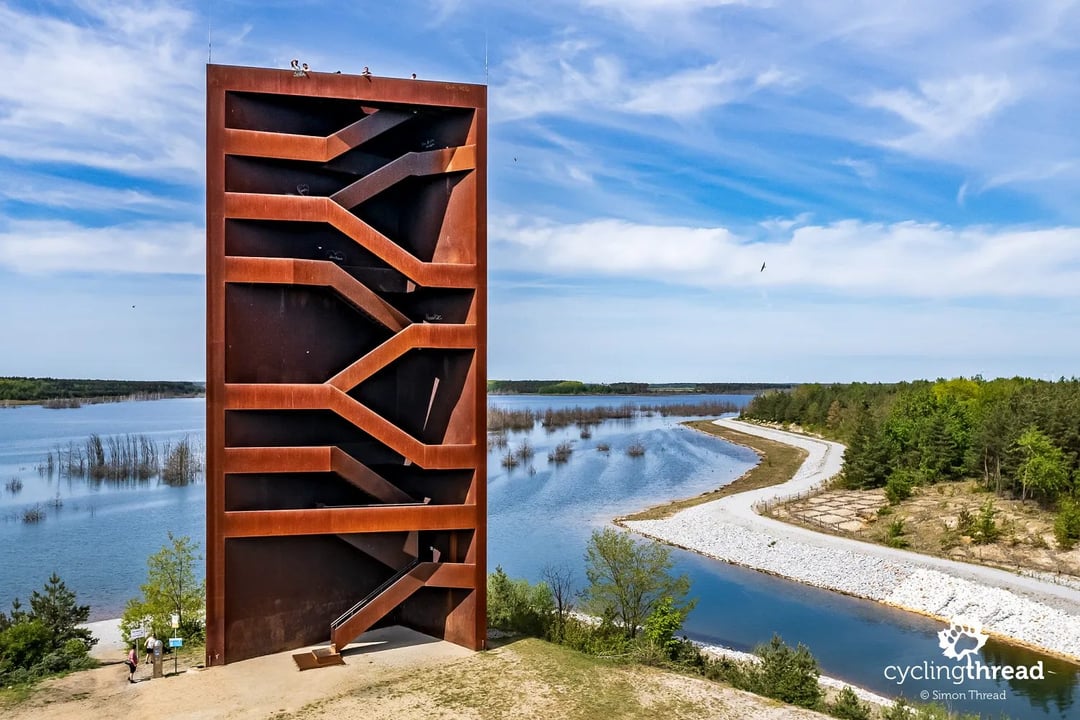
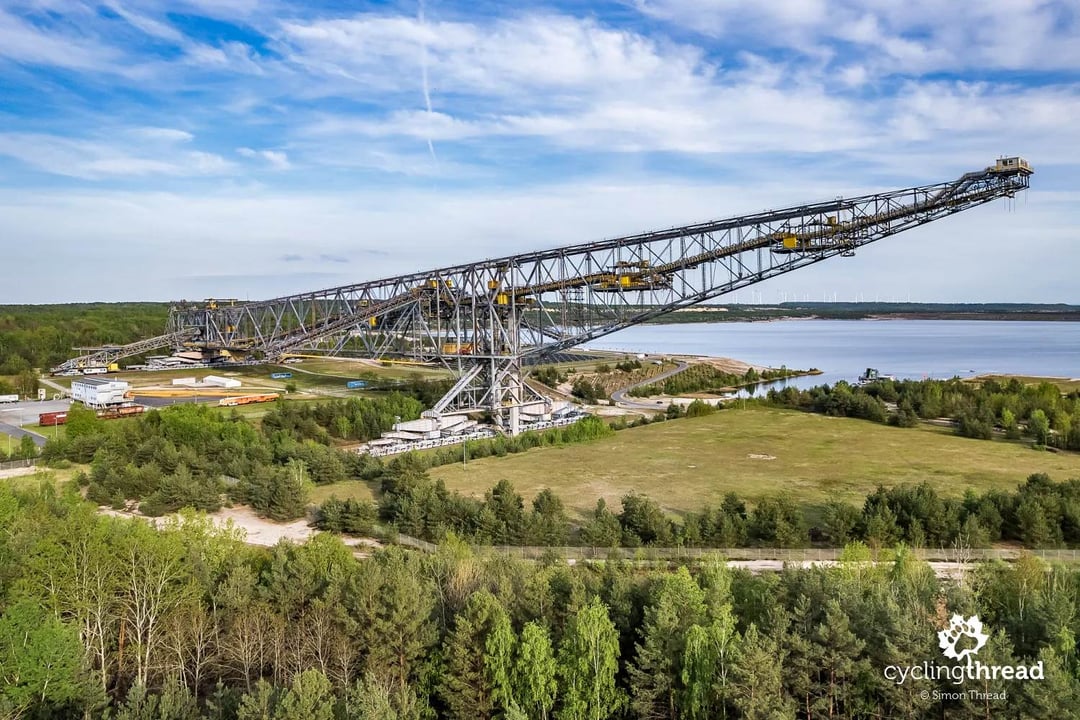
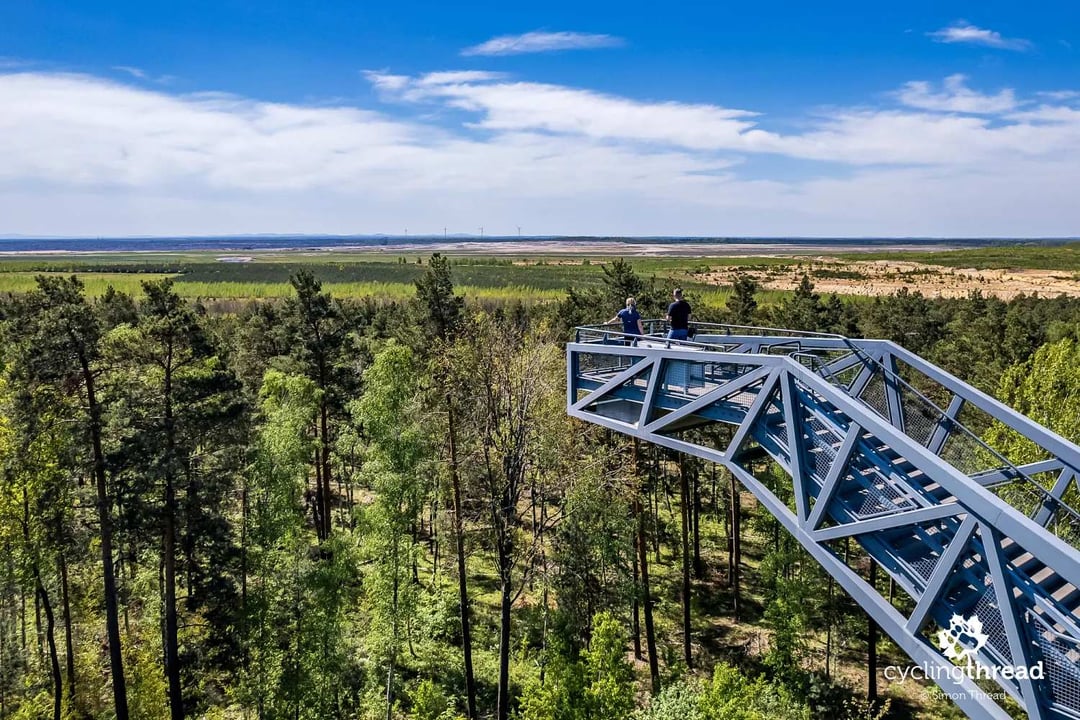
What’s especially striking are the relics of the mining era that have been turned into attractions – observation points, museums, industrial monuments. The most unique of them is the so-called Lying Eiffel Tower, a gigantic former mining bridge now serving as a panoramic platform. New viewing towers are also popping up, often designed to reflect the region’s industrial heritage.
A great spot, especially if you’re into unusual landscapes.

1 Comment
After previously covering some of the better-known cycling routes, this time I’m taking you to a more niche, lesser-known project, that was actually designed with cyclists in mind.
A few decades ago Lower Lusatia (Niederlausitz) was considered one of the most devastated regions in Europe, due to the scale of open-pit lignite mining in the former East Germany. But as the coal deposits were gradually exhausted – and as local awareness and environmental policy began to shift – the region started to transform. What was once a vast industrial landscape is now becoming a tourist destination. The massive craters left behind by mining are being cleaned up and filled with water, creating what is now known as the Lusatian Lakeland.
We spent a few days there last May – here’s our full article with detailed tips, photos and a gpx file:
[https://www.cyclingthread.com/lusatian-lakeland-and-lower-lusatia-mining-route-cycling-brandenburg](https://www.cyclingthread.com/lusatian-lakeland-and-lower-lusatia-mining-route-cycling-brandenburg)
Developing cycling tourism has become one of the region’s priorities. Paved bike paths now circle the lakes, forming both scenic day loops and a longer multi-day itinerary known as the Lower Lusatia Mining Route. The loop passes through towns like Spremberg, Senftenberg, Cottbus. Now it’s a nice weekend getaway with quiet, well-separated cycling infrastructure.
What’s especially striking are the relics of the mining era that have been turned into attractions – observation points, museums, industrial monuments. The most unique of them is the so-called Lying Eiffel Tower, a gigantic former mining bridge now serving as a panoramic platform. New viewing towers are also popping up, often designed to reflect the region’s industrial heritage.
A great spot, especially if you’re into unusual landscapes.