
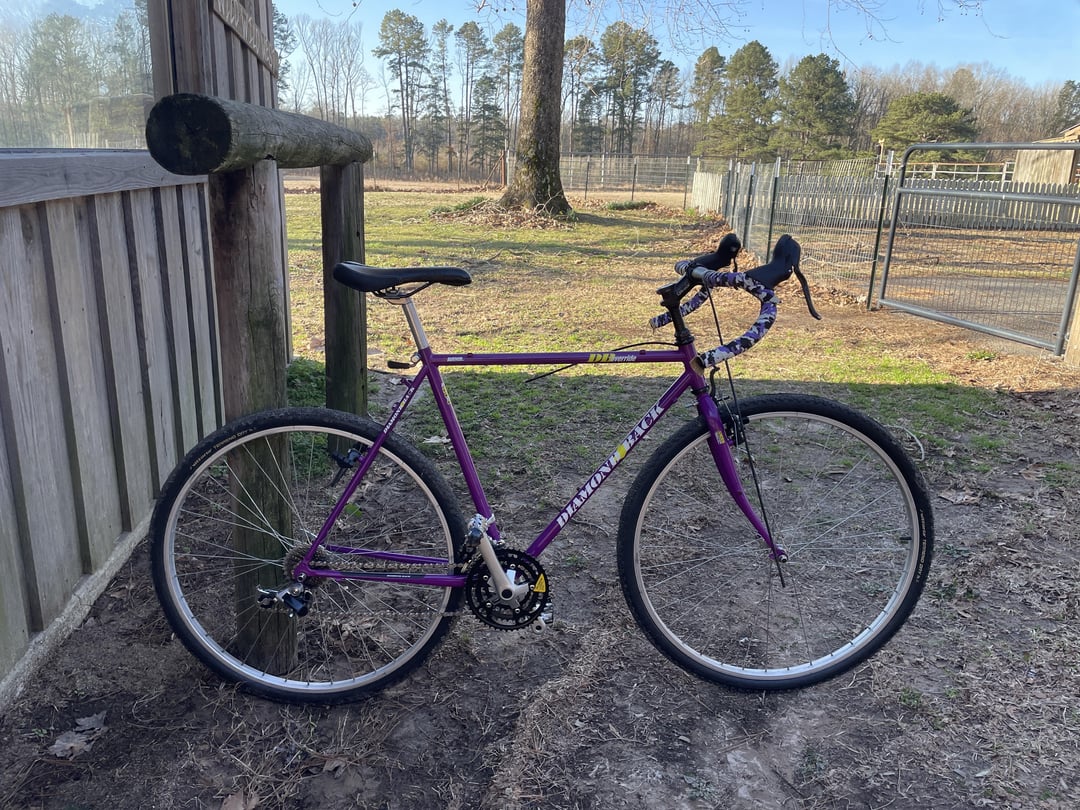
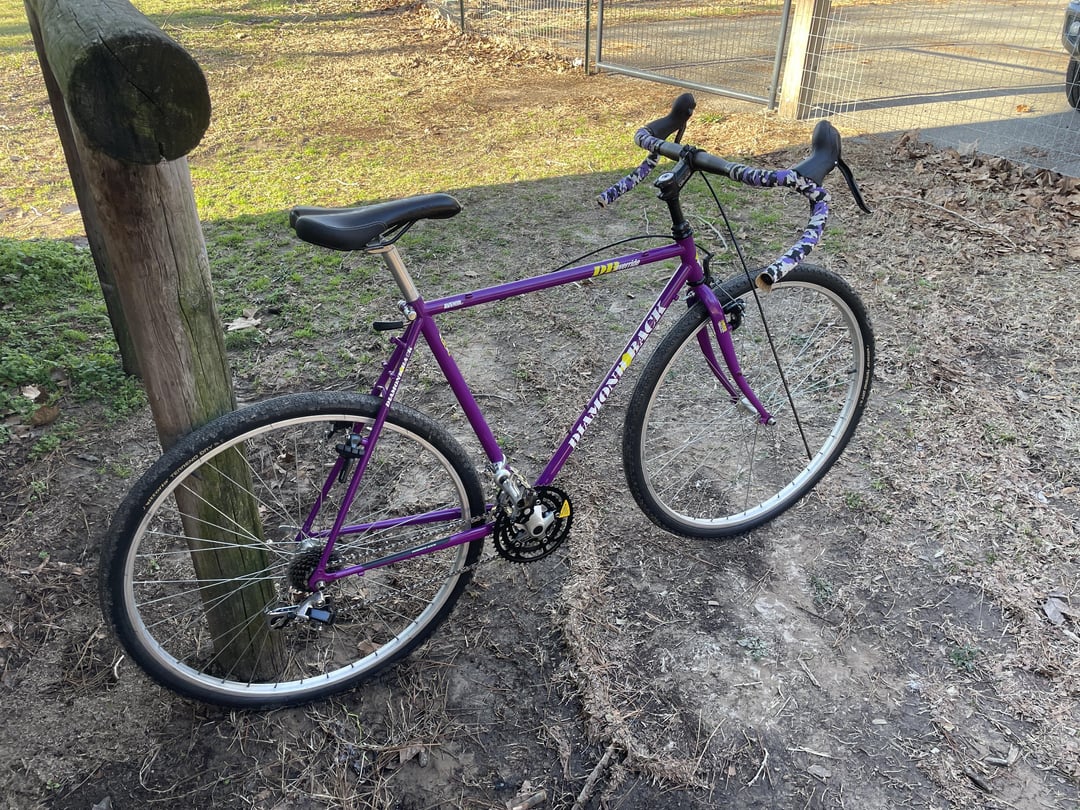
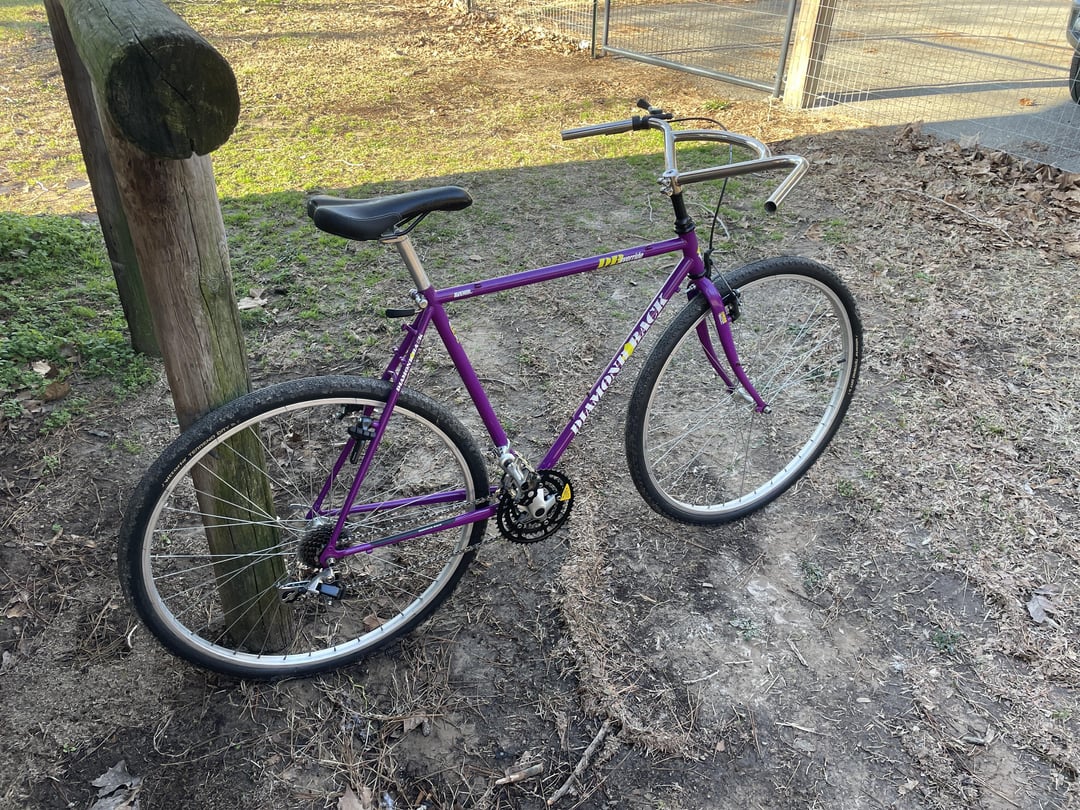
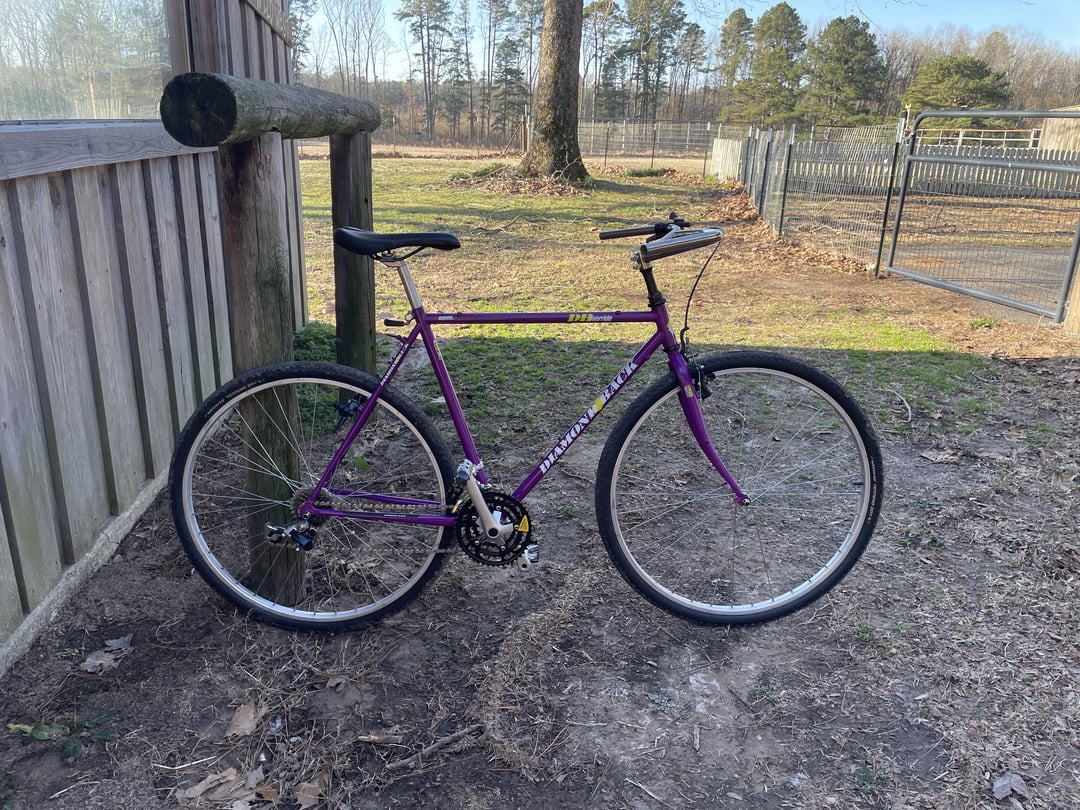
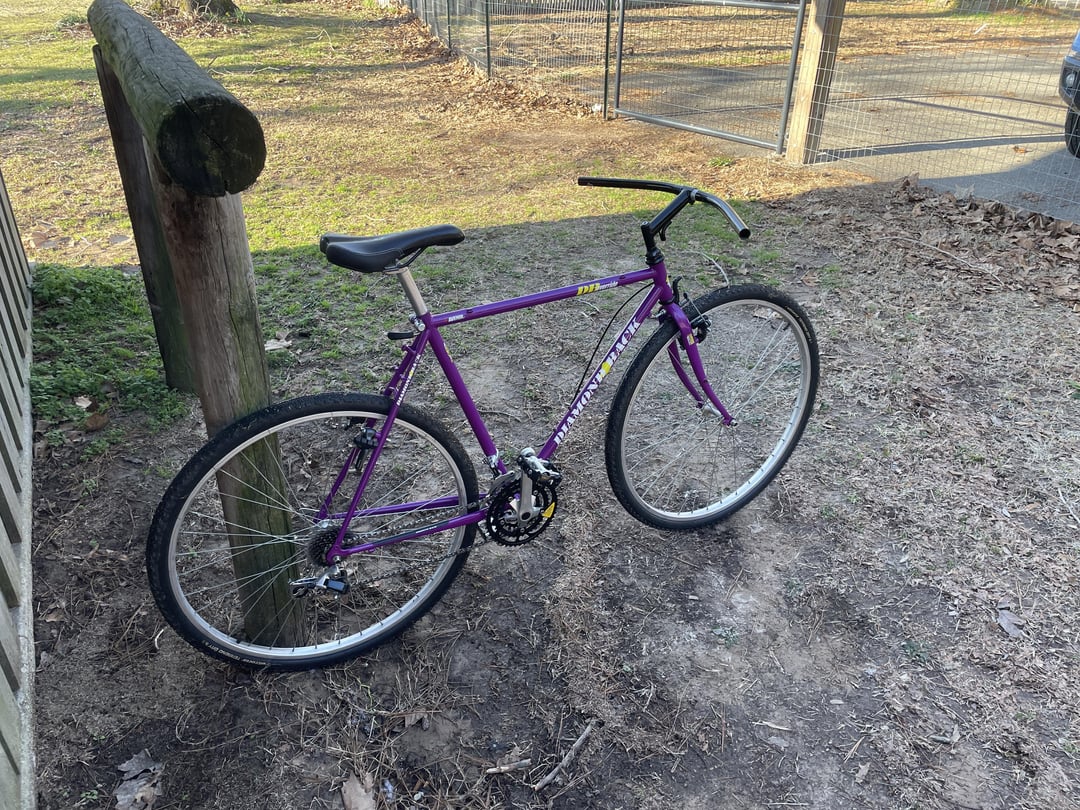
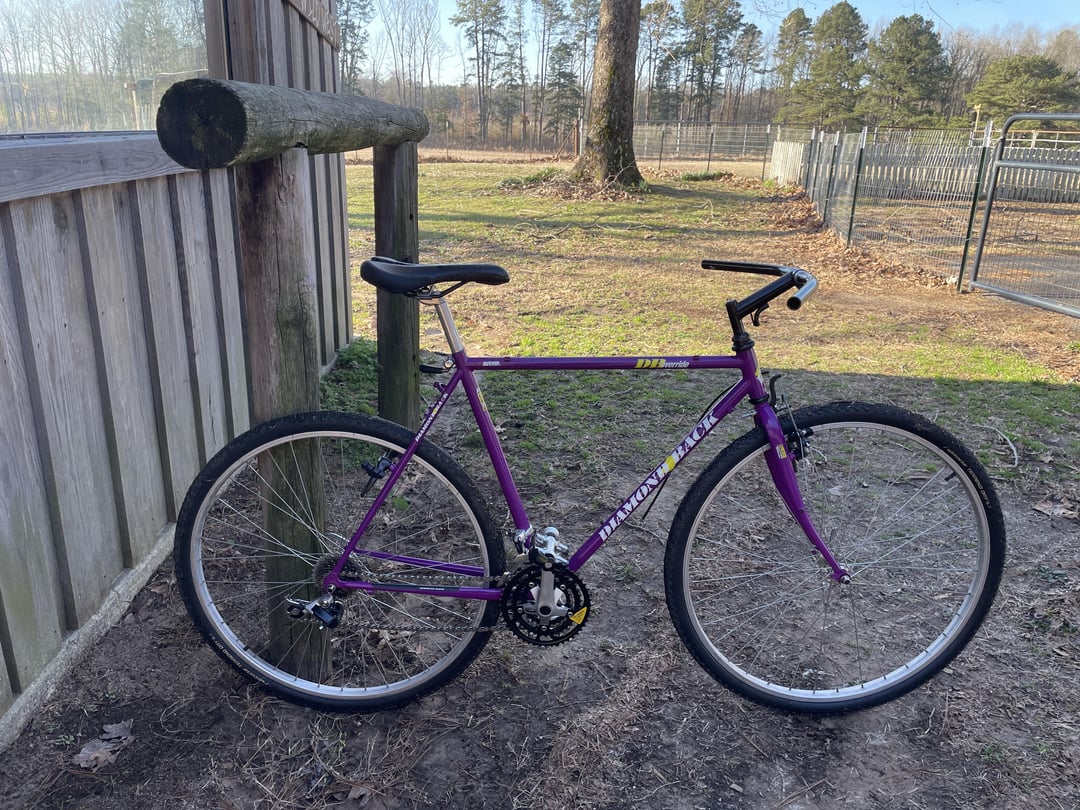
Really can’t decide what direction to take the cockpit on this bike. I’m going for a slightly racey but still comfy gravel build
by OldSchoolWillie
Really can’t decide what direction to take the cockpit on this bike. I’m going for a slightly racey but still comfy gravel build
by OldSchoolWillie
11 Comments
Ooh, a DB Override. That one is on my list. What size tires are those? I’ve heard you can go up to around 48c with those.
I vote the second, swept bars.
I’d stick with the drops, especially if you want slightly racey + your bar tape compliments the frame nicely.
I bought one for $5 during the pandemic. I stripped it down, swapped it with high end parts bin components. For tires put on some 41mm there was definitely room for wider tires. 45 mm probably would fit fine.
It was a nice ride, I sold it to a friend.
I like the drops…and the position looks good! Not too low, not too reachy.
Stick to drops if you like the fit. That said the setup #3 has a cleaner look than #2.
Do you have access to an indoor trainer? If so see what you like. With an indoor trainer you wouldn’t need to worry about the shifters or brake levers. Some people like one vs another type of handlebar or in order to get the bars in the right place you’ll need a stem which is likely not what you have.
Velo Orange Crazy Bars might give you the best of both, worth a look.
What are those bull-moose style albatross bars in #2?
I’m team drops
You could do a Flop-and-chop on the drop bars.
Same forward position as riding on the hoods, but levers are in better position to give you more braking power.
https://www.instructables.com/BULLHORN-YOUR-BARS/
Here’s the interesting back story on this model, from a post I found on BikeForums when I was doing background research:
“The story is longer and fascinating, but basically this – yes, the Diamond Back road bikes from that era and the Centurions are the same. They’re Japanese-made steel and really nice, underrated smooth riding frames.Both Diamond Back and Centurion were brands marketed by WSI (Western States Import) in California.
Back in the 60s and early 70s during the bike boom years, Japan had multiple large bicycle manufacturing plants and was making very impressive advances on the coveted European designs of the day.
The story goes that Raleigh contracted one or more of these plants to crank out several thousand of its Grand Prix frames, because their own factory in England couldn’t keep up with demand at the time. Problem was, the Japanese frames turned out to be too nice – Raleigh realized the gap in quality between their own frames and the contracted ones was too great, so they pulled out of the deal, leaving a surplus of unwanted frames back in Japan.
Raleigh’s sales agent in the US, Mitch Weiner, saw an opportunity. He took the frames off the Japanese, slapped Centurion labels on them, and founded WSI, developing a small network of US distributors.
Eventually, production moved to Taiwan, beginning around 1986.Diamond Back (two words) was the BMX version of the operation, and became the platform for the company’s foray into the rise of the mountain bike era. When Centurion faded (the last of those bikes came out in 1990) along with the dying market at the time for road bikes, WSI’s road bikes became exclusively Diamond Backs, usually with a decal that said “Centurion Designed.”WSI folded in 2000.
The Centurion name was sold to a German company, while – incidentally – the Diamondback (now one word and synonymous with today’s department store fare) brand was sold to Raleigh USA.”
TL;DR a well make bike that you can pick up today for a shockingly low price as they are misunderrated.