
When commuting my bike got left out in the rain for the work day and ever since there have been these braking lines on my rear rim (as seen in the pic). I’ve tried washing the pads, washing the braking surface with soap, not sure of what to try without ruining the surface. Any ideas?
by Banan1232
12 Comments
Isn’t it just the paint worn off and it’s now bare metal?
Can you post a close up shot?
Umm… are those disc brake rims and you’re using rim brakes and have worn through the paint/anodizing?
Make sure you’re using rim-brake compatible rims. If you’re not, that’s a big problem.
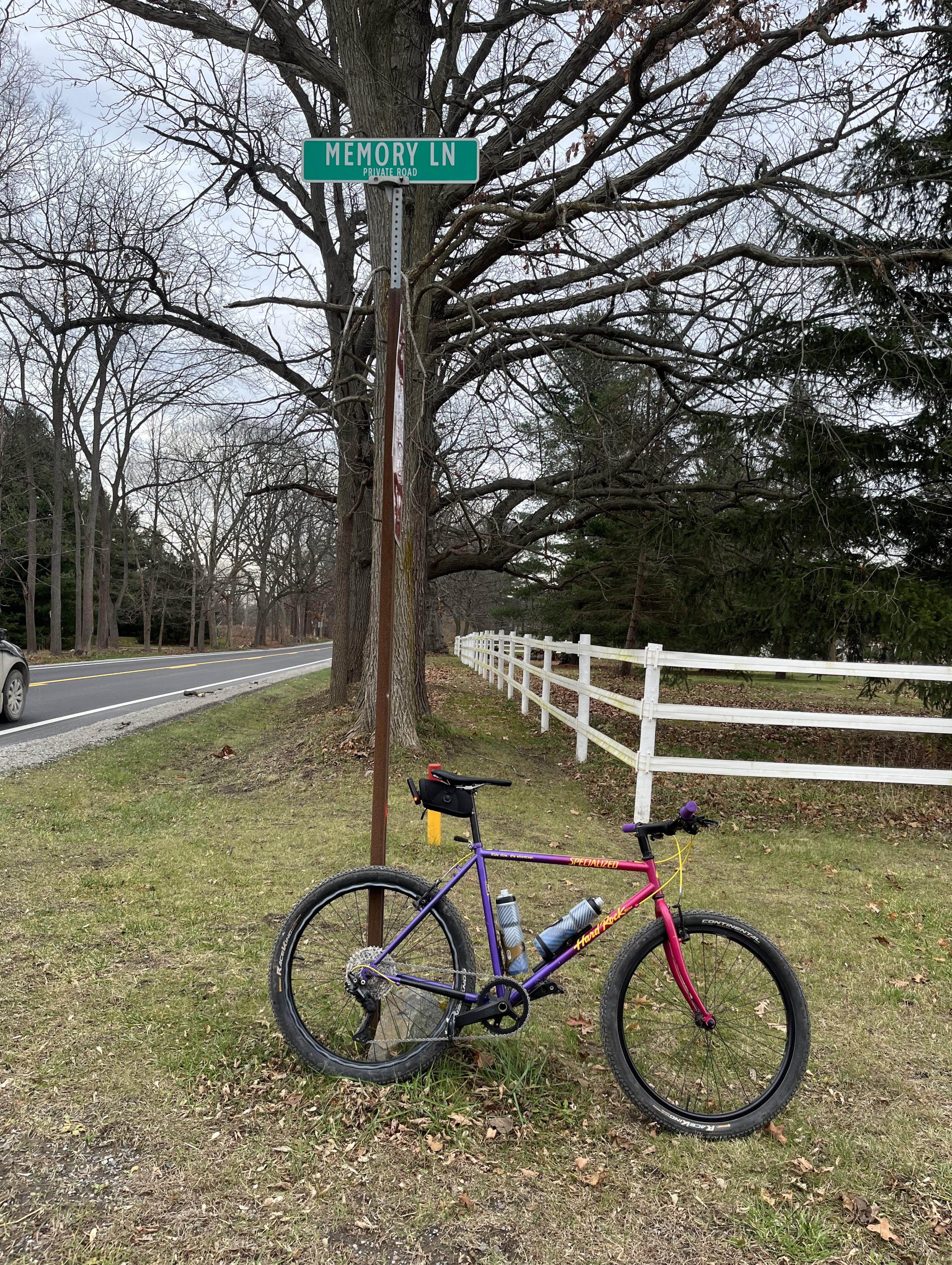
I used to have that same bike in the same color. I bought it in 1991 or 1992.
Based on what I can see on the lower half of the front rim, it does not look like these are machined for rim brakes…
Hard to say for certain based on one blurry photo, but it looks like you’ve just worn the anodizing off. That’s simply how it works. The wobbly nature of the wear pattern is caused by deformation from spoke tension. Notice that the wobbles line up perfectly with each spoke hole–This happens when the rim is under built for weight savings or it’s poorly built. Either way, there isn’t a whole lot you can do about it other than just keep riding and wear the rim in fully.
Cool bike!
Velocity Cliffhanger rims are available both ways: machined for rim brakes (MSW) or for disk brakes. Looks like you might have the latter?
You have the non-machined sidewall version of the Velocity Cliffhanger. You can still use rim brakes with those rims, but the braking performance is somewhat reduced and you run into the issue you have in your picture. The brakes are wearing away the anodizing on the rim so the only way to “fix” that is to get a new rim. Even then, the same problem will happen.
Unfortunately this is the fate of all painted or anodized rims when using rim brakes. Brake pads are by design abrasive, and wear down whatever surface it’s squeezing to bring you to a stop. I was a bike mechanic for a decade and I would see super high mileage bikes where the rim metal was so worn down that eventually the pressure of the tire bead pops the rim apart at the hook.
Toeing in the pads will provide more even pad pressure to make the wear marks more uniform.
I’ve spent many hours explaining to customers this is just how it is and yea it looks ugly, but most rim brakes hoops have machined side walls that are bare aluminum for this reason. You can hit the rest of the braking surface with fine sandpaper to remove the rest of the paint, it’s will significantly improve the consistency and stopping power of your brakes.
First bike?
those were inevitable, no going back from them. just the paint wearing off the braking surface from use. you may want to use some fine grit sandpaper to take off the rest of the black.
by the way great looking bike!