
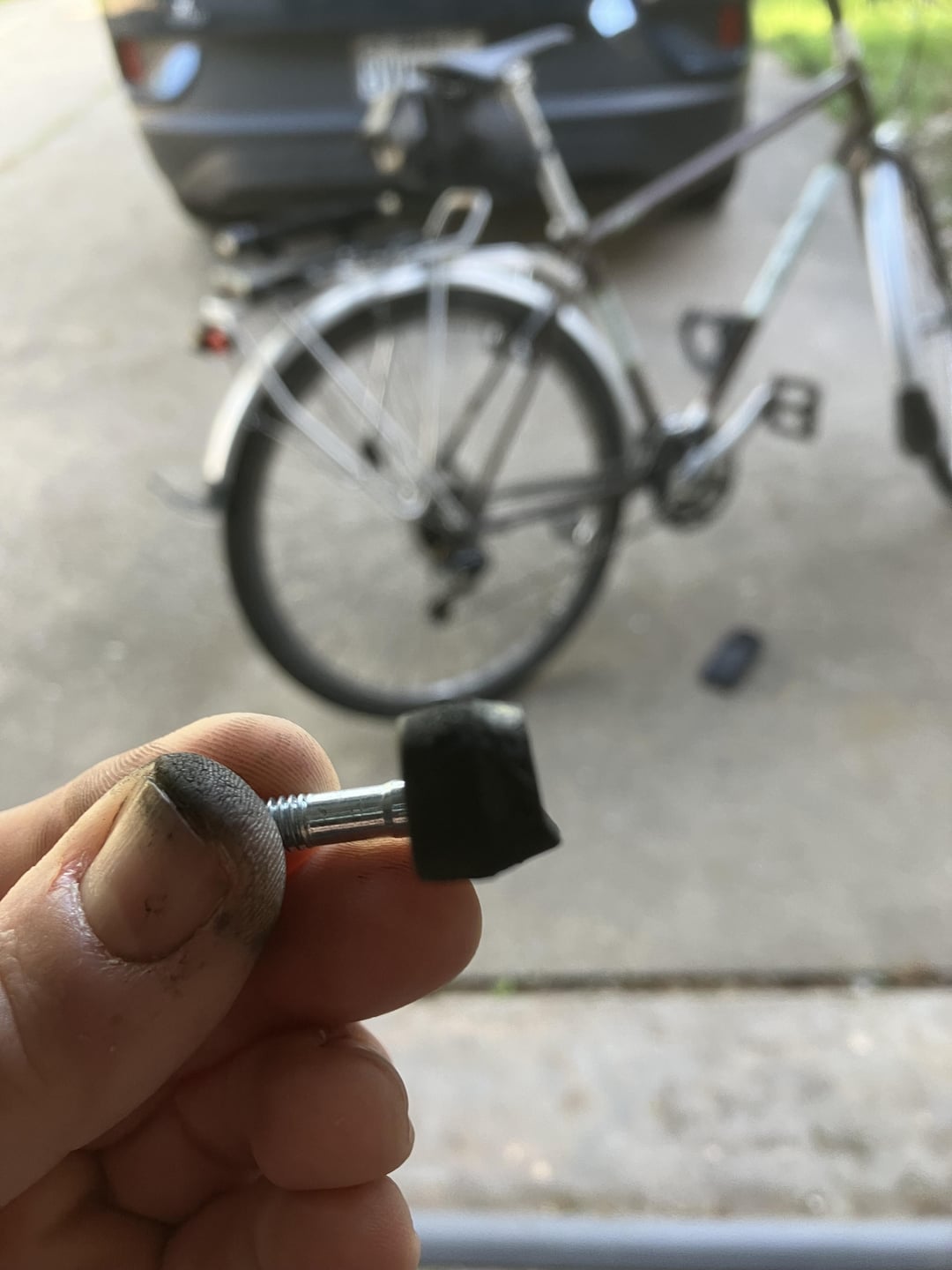
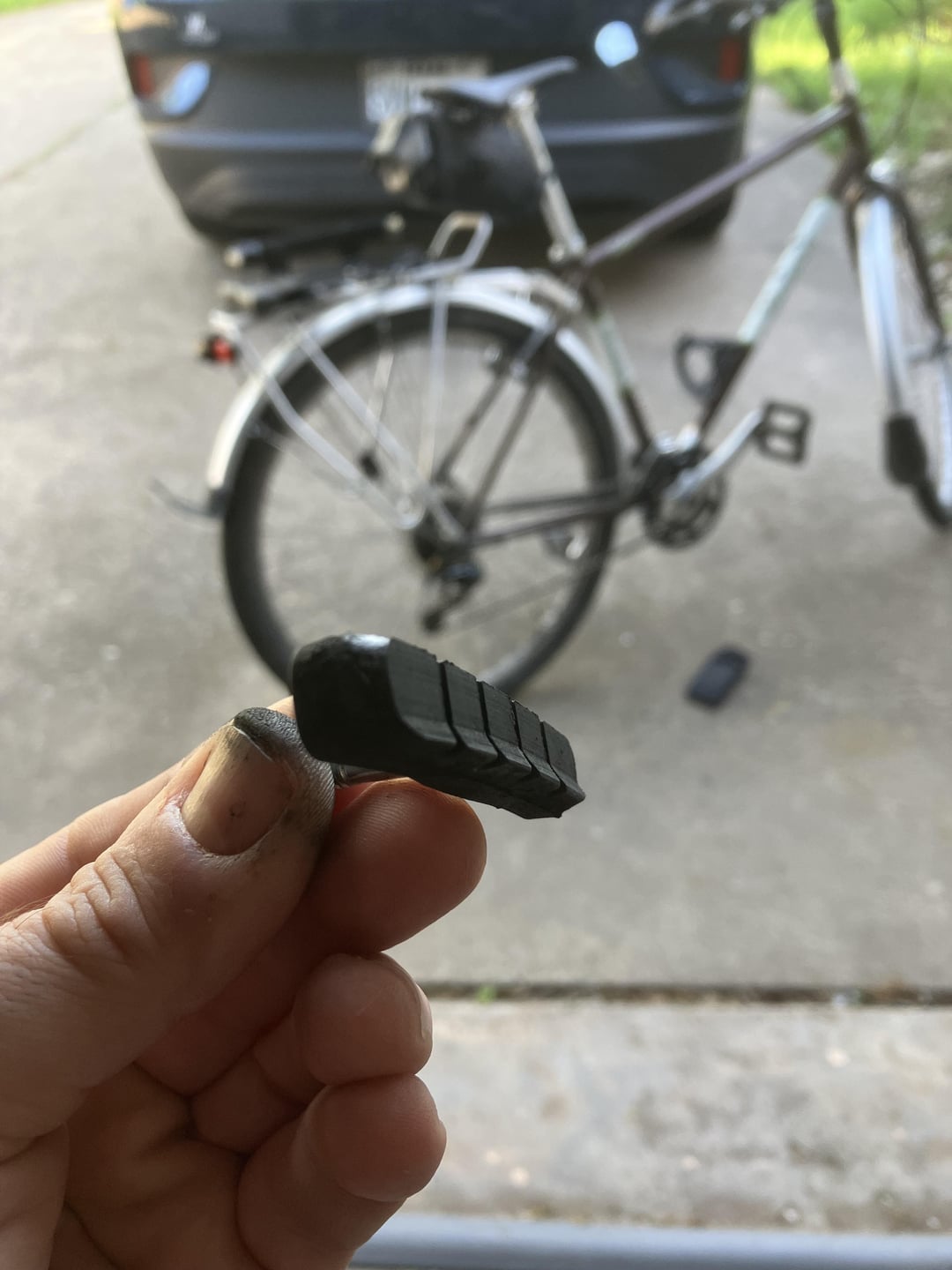
Relatively new to working on my own bike. I had pads replaced back at the end of November. I’ve ridden north of 700 miles, less than 1000 since then. Rear brakes have been stopping slower my last couple of rides. Checked them out yesterday and this is the wear pattern. I already had an extra set of new pads so I went ahead and swapped them out. Curious to know if:
1. This is an amount of wear that is normal for this amount of use? If it matters, I’m a big dude (250 pounds) and am almost always carrying 10-15 pounds on my pannier rack.
2. This is a normal wear pattern or if it means they were installed incorrectly.
3. This is an amount of wear that warrants replacement, or if I’d have been fine to adjust them instead. With that lip at the bottom it didn’t seem like there was anyway to adjust without significantly reducing the surface area of the pad in contact with the rim.
Thoughts?
by Tx_trees
8 Comments
Poorly adjusted hence uneven wear. 1k miles is pretty typical for pads, especially in winter.
1. Depends on different factors, weight and speed but also rim surface, pads compound etc
2. Wrong installation, the pads were set too low
3. Pads should have an little indicator of wear, like a line. When you reach that is time to change
More weight = more friction. You’re going to wear your pads out quicker.
Judging by the wear, they weren’t centered to the braking surface correctly. Pads wear down at an angle, but that lip on the bottom says they weren’t making full contact.
Brand name makes a difference too.
Also, I concur, ideally, the pads would’ve been set a little bit higher so that the pad spreads its contact area all on the rim.
On some tyre and rim combos though, it can be difficult and this can be a result of that.
They were installed incorrectly.
As for breaking power and long levity, can’t recommend KoolStop enough.
First, ensure that your brake pads aren’t rubbing when they are installed. Sometimes they will only rub on a certain part of the wheel. Sometimes they will look like they aren’t rubbing, but after a bit of riding and a few pulls of the brake they will start rubbing. Sometimes they will only rub due to frame flex when you’re actually riding the bike.
Also, the amount of wear will depend on how much braking you are doing. Do you ride in the city where you have to stop every 300 feet for a stop sign or intersection? Is there a lot of hills and do you drag your brakes down the hill? Lots of variables will come into how much brake wear is normal. Some people can go years between replacing pads because they hardly ever use them.
1k miles seems short for a rim brake pad, even with the extra weight. I usually get 5k – 8k mikes out of a set of brake pads…granted it’s a racing bike, but I’d still say 1k is abnormal. Are you riding with a lot of stoplights? Do you ride your brakes down hills? Those are things that can accelerate pad wear.
Those do look like they were installed incorrectly, as others have said. The entire face of the brake pad should be in contact with the rim braking surface. That will cause the pads to wear out quicker too.
Run your finger along the rim braking surface. If it’s smooth, you’re good. If it’s scored (sand in the pads will cause this), that will also chew up your pads.
That’s not unusual.
It’s part of the geometry of cantilever brakes that they move into the rim at a downward angle and as they wear they hit lower. They might have been perfect when they started but needed a mid-life tweak to get them back on track.
I usually slice the bumps off with a utility knife and use them until the grooves are almost gone.
It also depends a bit on the shape of your rims. If they are not very tall rims it’s better to get a little hanging off the bottom than to have the brake pads eat your tire.