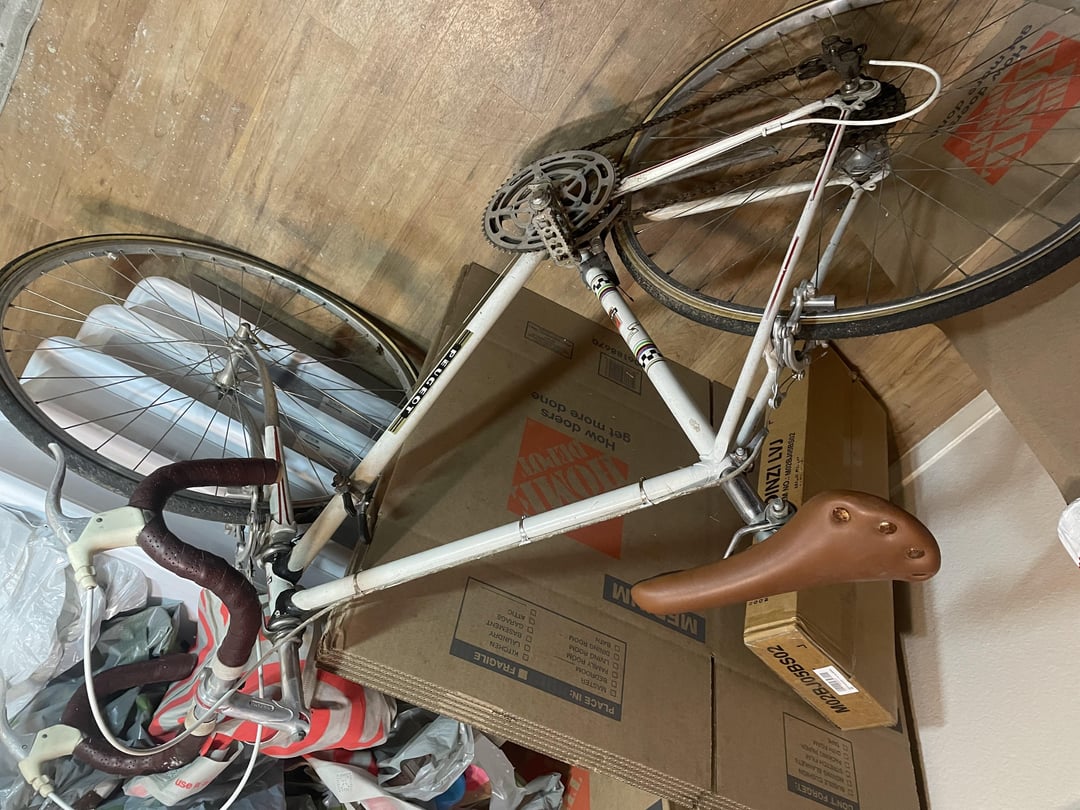
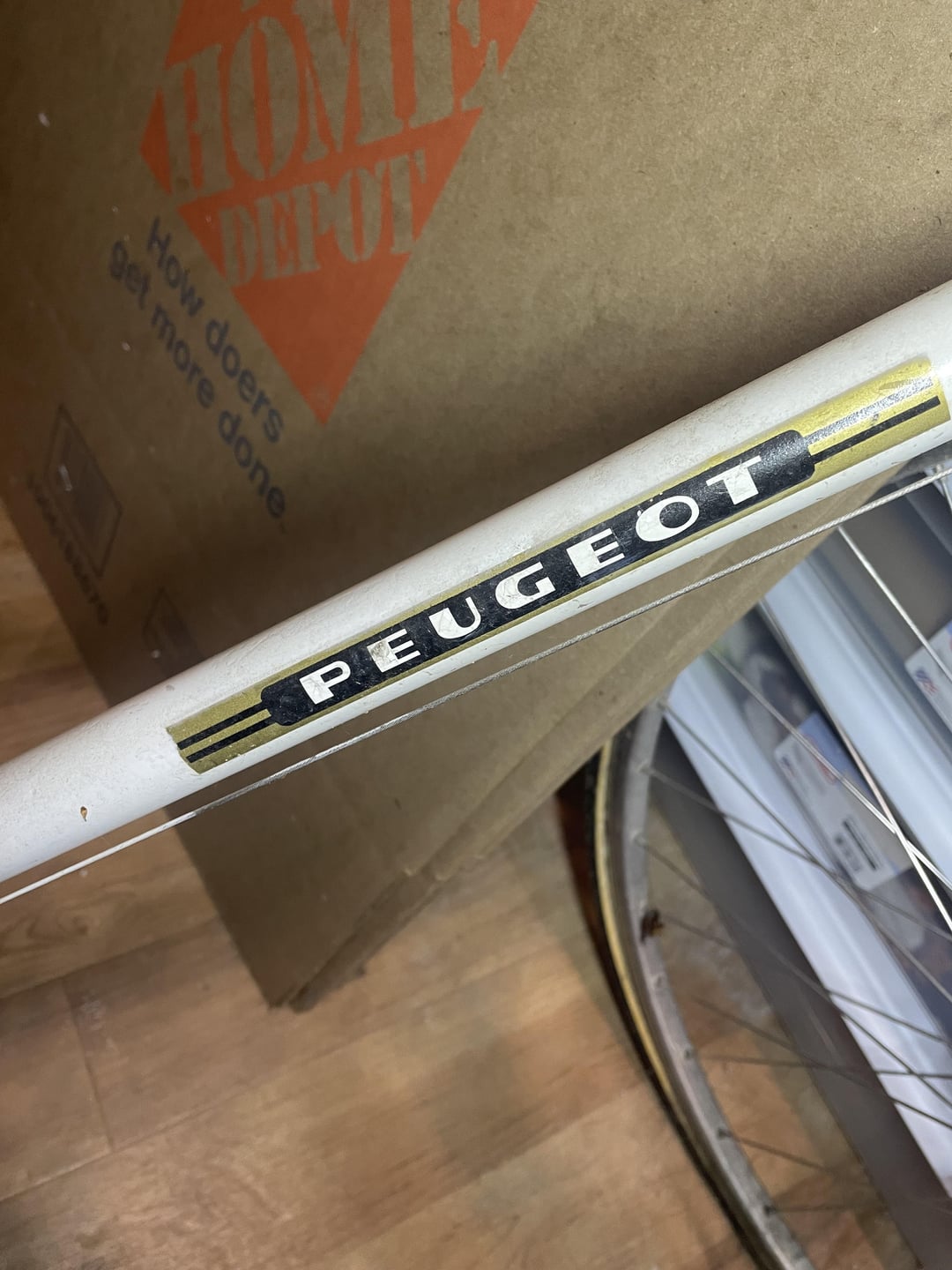
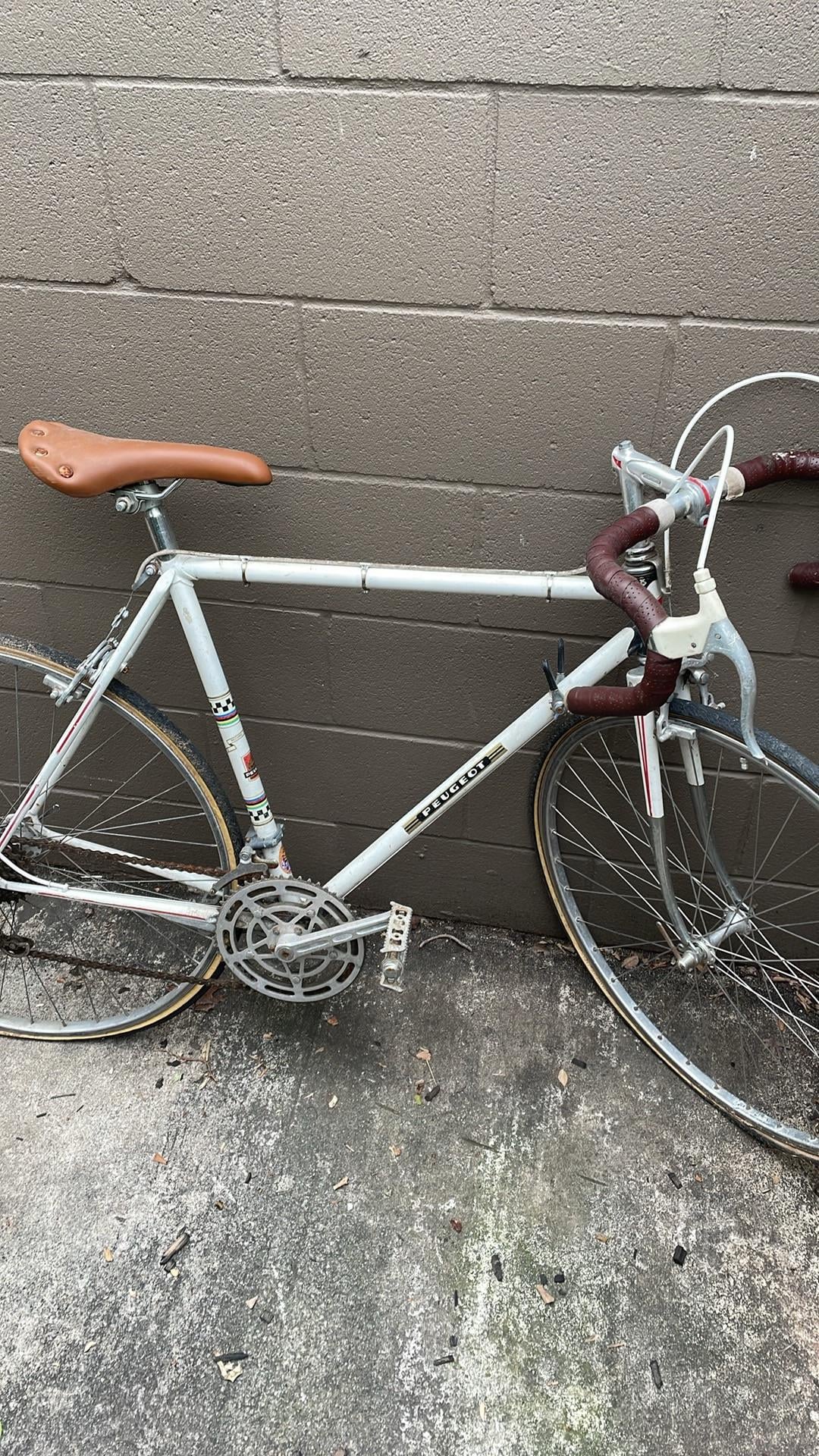
What exactly do you want to know? It‘s a fairly standard classic road bike, nothing particularly unique about it. It’s not super cheap, it’s not super fancy. „Decent“ like you put it is a fair term. Being French it may have some uncommon size standards on parts.
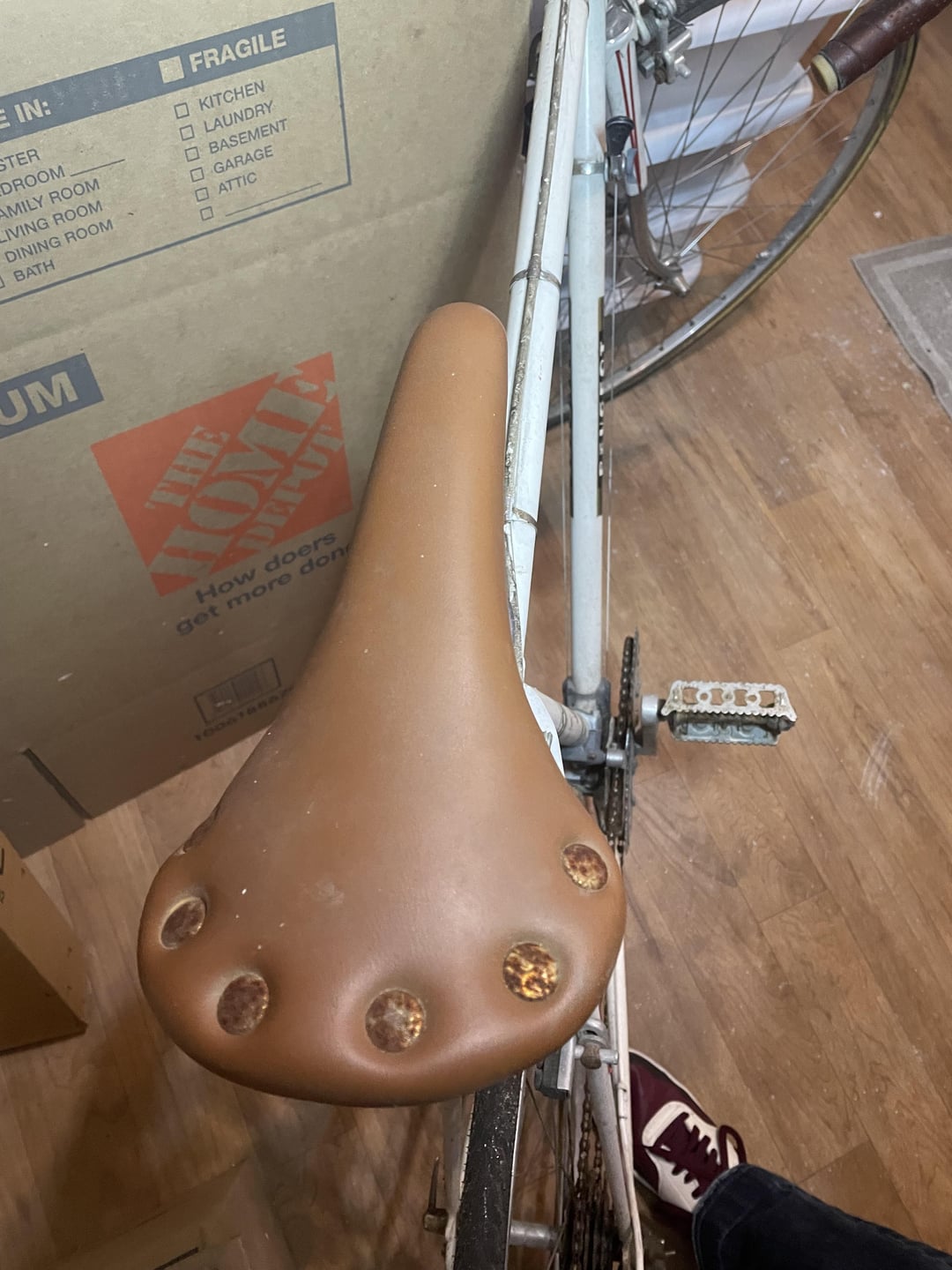
It hasn’t been abandoned for too long, and must have been ridden relatively recently – the saddle is relatively new. Condition overall looks not great, but salvageable. You restore it like you would restore any other old bike: clean everything thoroughly, figure out what still works and what doesn‘t, replace anything that doesn‘t. If you have any specific questions, we might be able to help further.
Neoretrobibliophilia on
The best source on the Internet for info on old bikes is the late, great Sheldon Brown; here’s his page on older French bikes: https://sheldonbrown.com/velos.html
If you scroll down to brands you’ll find a link to a separate page on Peugeot. Yours looks like a nice mid-range bike from the 1760s or 70s. It might even be an instance of the much-sought-after PX-10. (And if it is, you’ve got your hands on a true classic!) More info: https://classicrendezvous.com/country-of-origin/france/peugeot/
deadinsidethx on
Yeah, I was wondering if it was a PX10, I think the lugs are different on those though
yntodd on
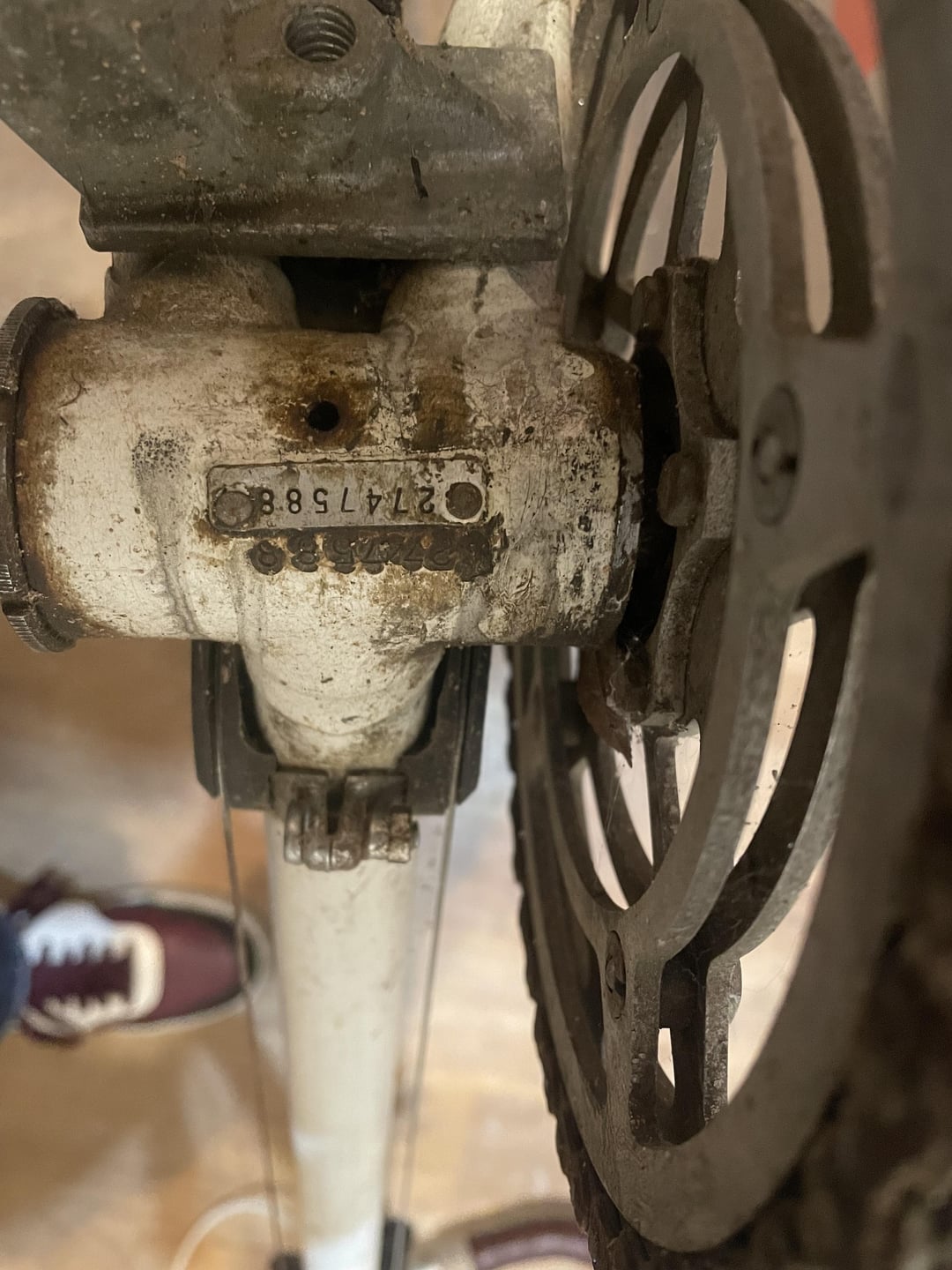
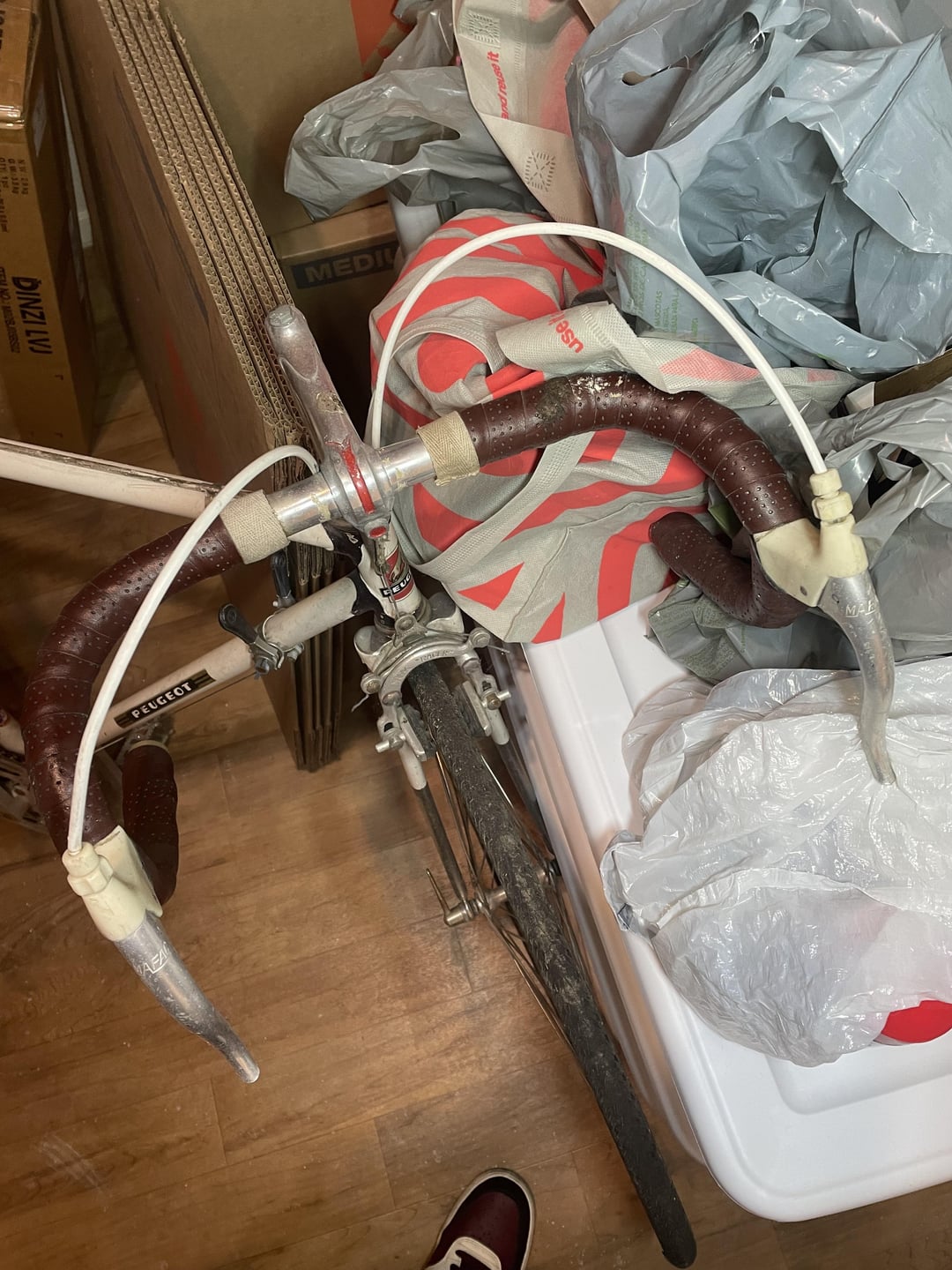
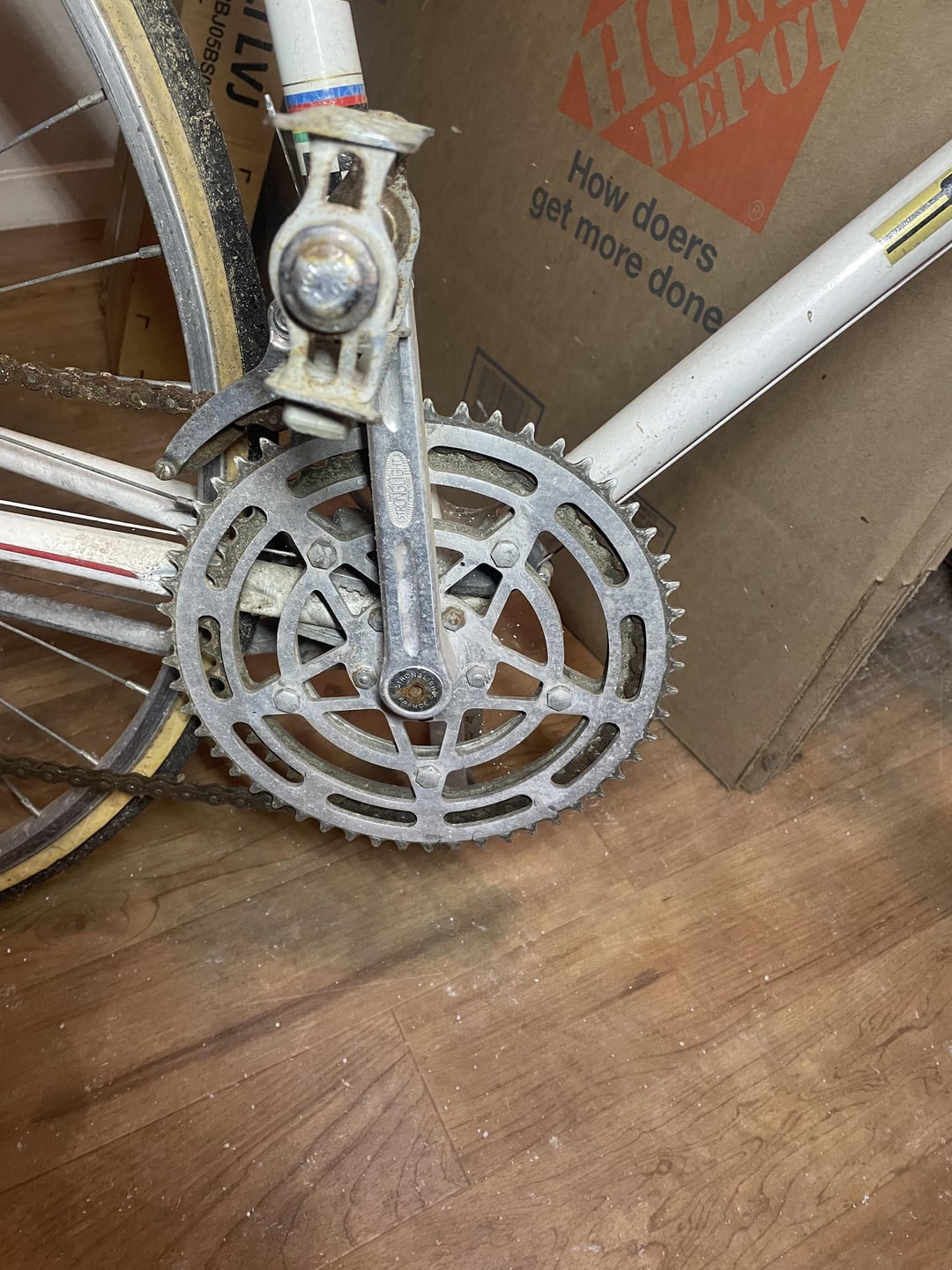
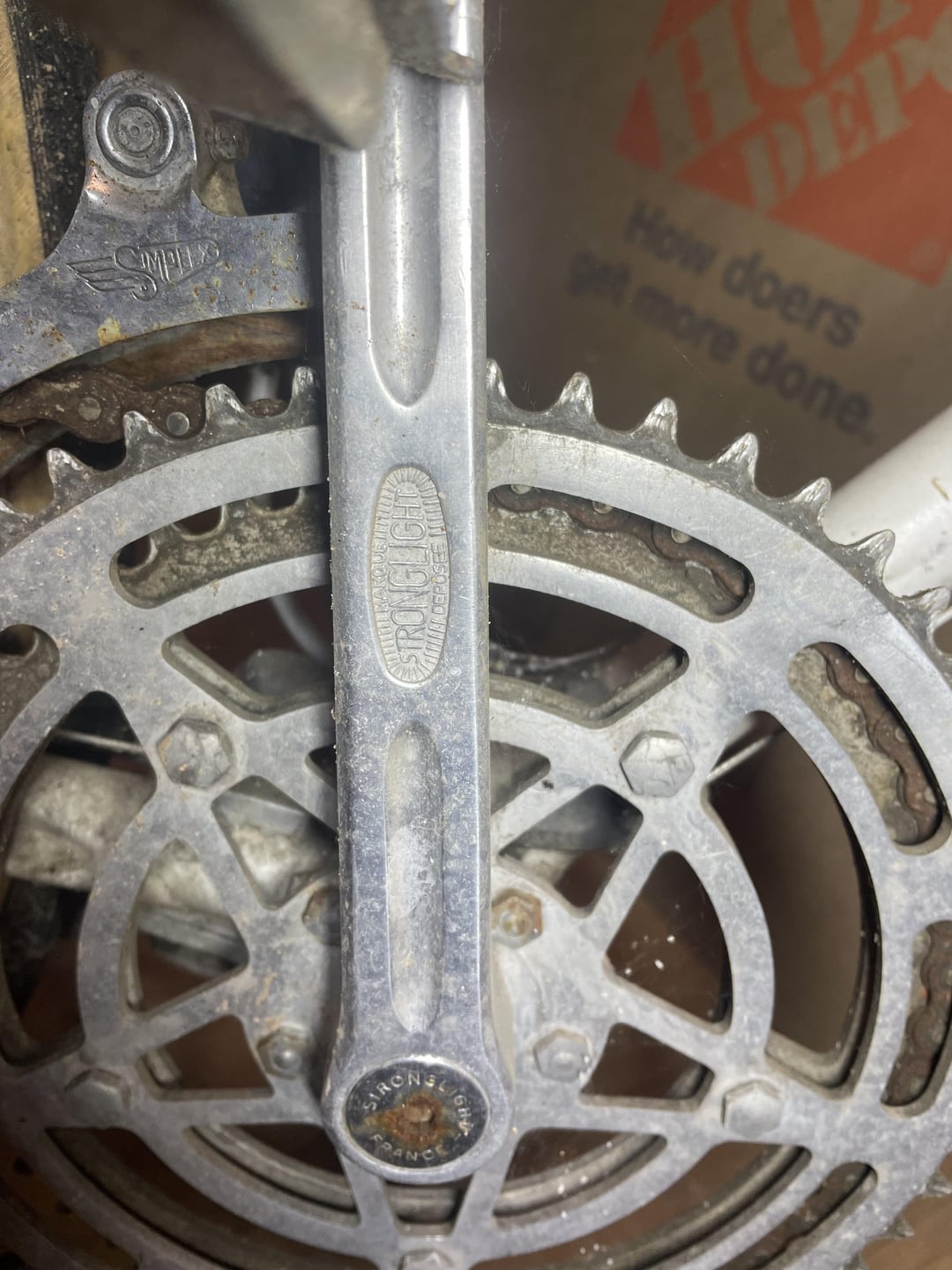
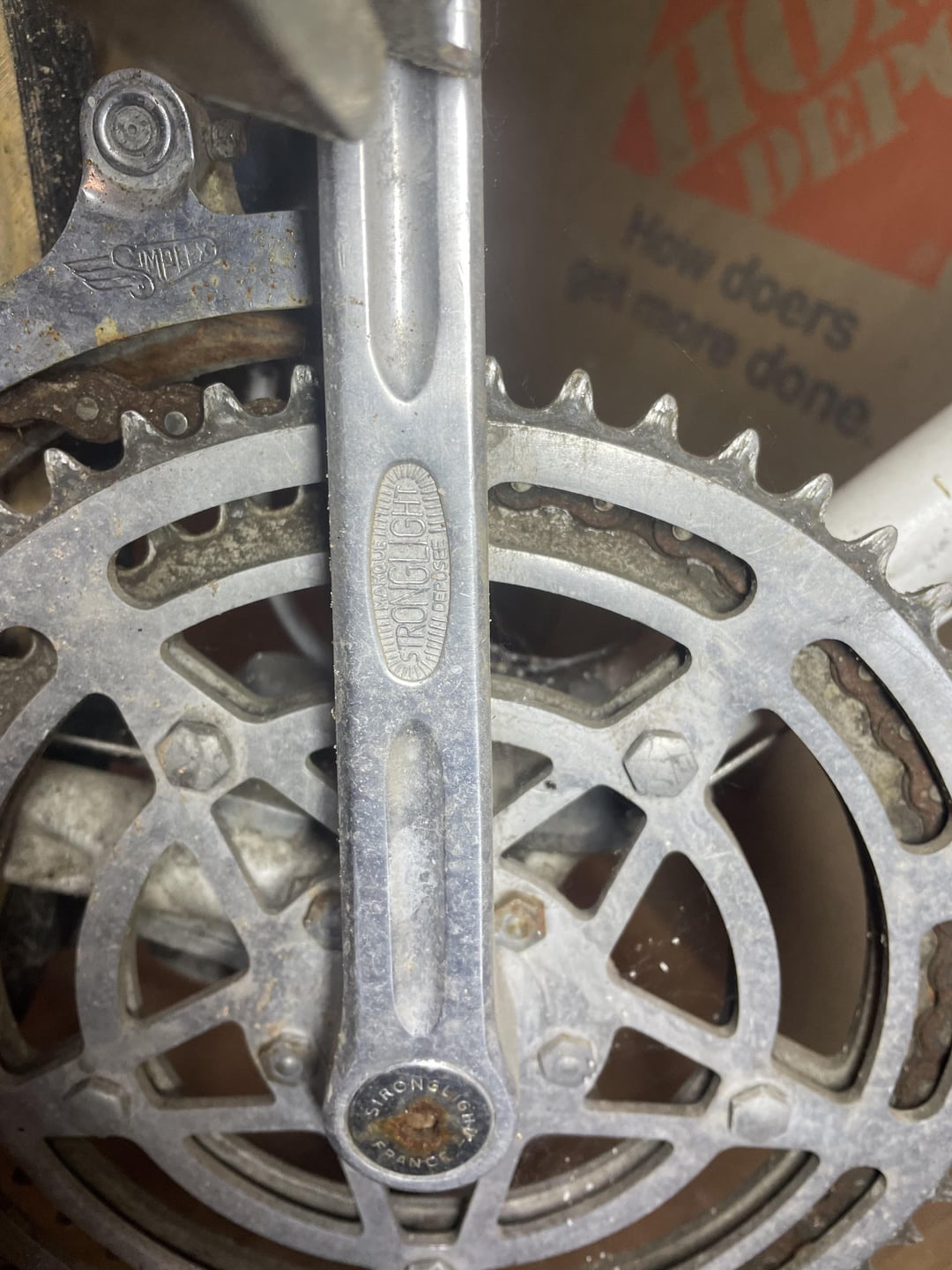
Looks like a PX-10! the painted lugs and Stronglight cranks are the biggest tells.
bargotron on
Most likey a mid 70’s PR10, the ‘poor man’s’ PX10. It has Reynolds 531 main tubes. Great geometry! They make really nice riders.
It looks like the bicycle was refurbished just few years ago then it may have been stolen and abandoned. When you again refurbish it, you will have to replace the chain, oil the cables, but you may also need to disassemble the bicycle to clean and regrease the ball bearings as it looks like it was left out in the rain when it was abandoned. This bicycle is old enough to use many size standards that were only common in France. The stem, headset, bottom bracket, and possibly the pedals use french standards. The crankset also cannot be removed to service the bottom bracket bearings unless you or your shop has the right tool. In future it is best not to post the serial number of bicycles like this, instead just post photos or a description of the bike, and leave some room for the rightful owner to provide you with the serial number or other info if to confirm their ownership. Abandoned bikes can be a headache as each time you refurbish a bike, you put in as much as the bike is worth and the former owner may always pop-up and reclaim it: [https://youtu.be/kqbluSvwhqE?si=QAeDh7ukw90oi90y&t=2240](https://youtu.be/kqbluSvwhqE?si=QAeDh7ukw90oi90y&t=2240)
tiregroove on
Welp you have one of the Peugeots worth restoring at least. You clean and restore it like any other bike. Take off all the parts, get a bucket of mineral spirits and a kitchen brush, degrease, clean and polish out the frame, then degrease clean and polish out the metal, those Stronglight cranks will come back to a mirror finish.
blackdvck on
Just finished restoration of.one of these
There’s a Facebook page for Peugeot and french bikes,they will be a lot of help.
Great bike ,it will need a full service have fun and be patient,there are a few challenges ahead.
toejrb on
Nice Pug but not a PX10. No chrome on the stays is a big giveaway.
Skuggsja on
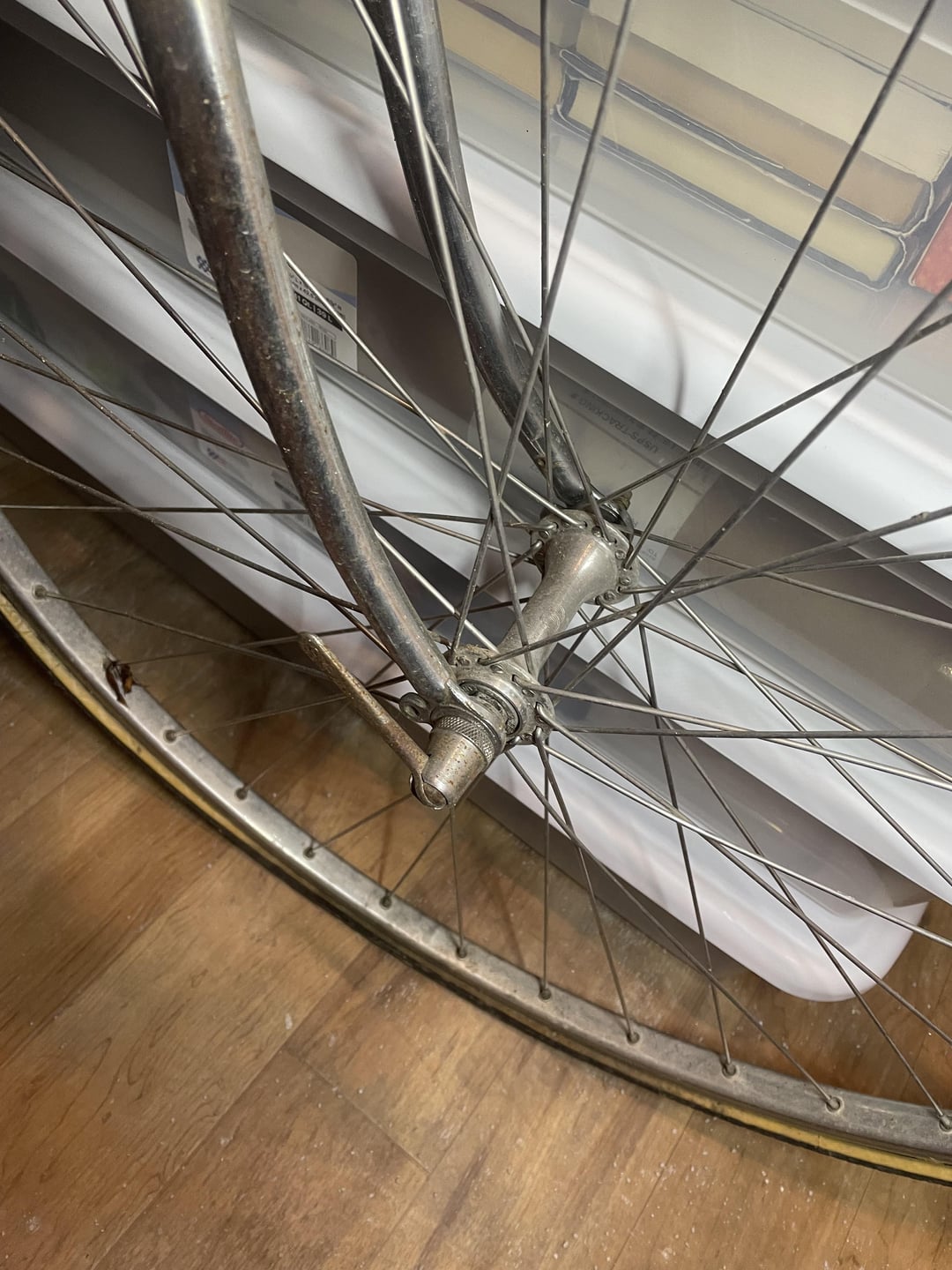
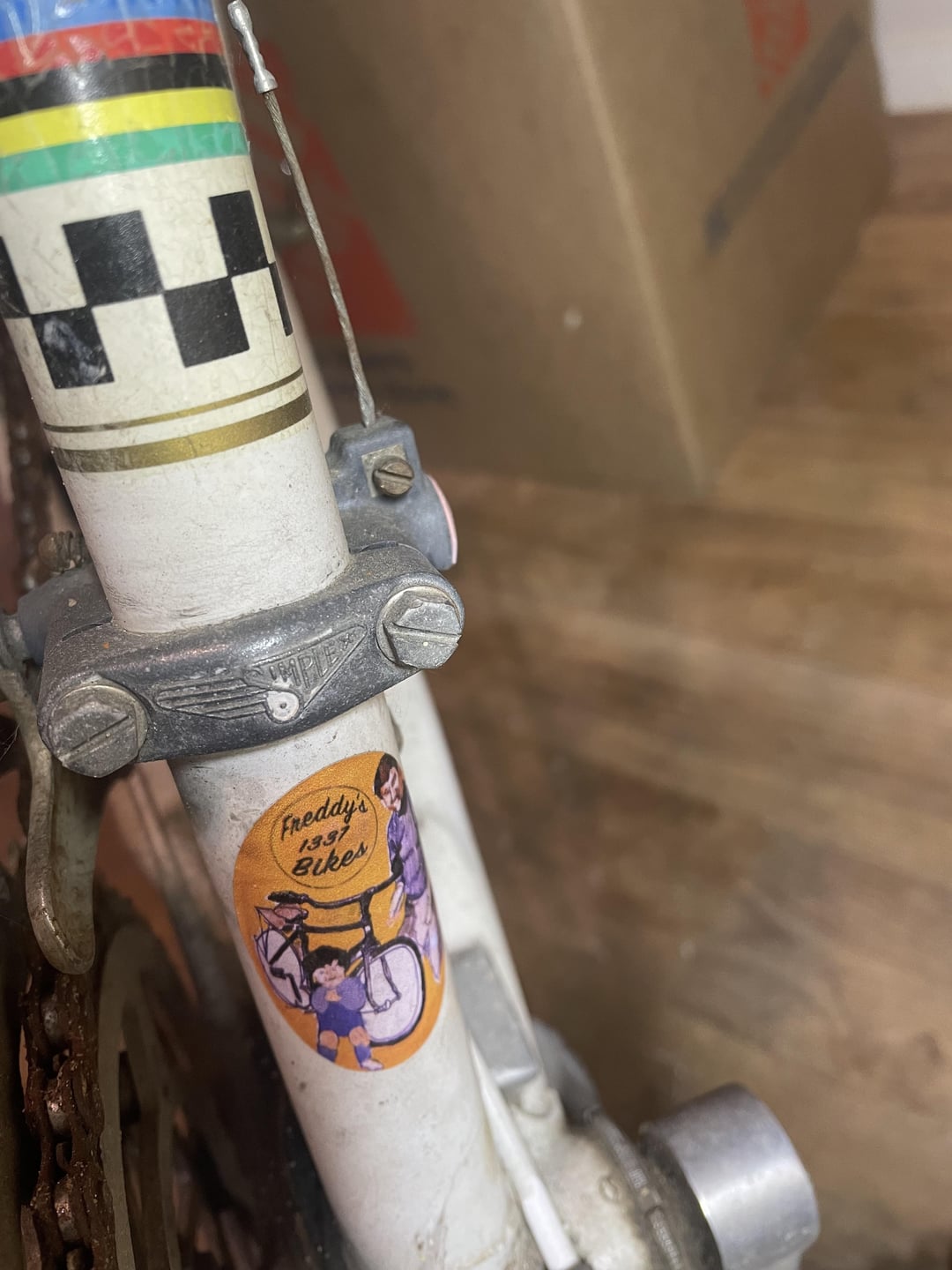
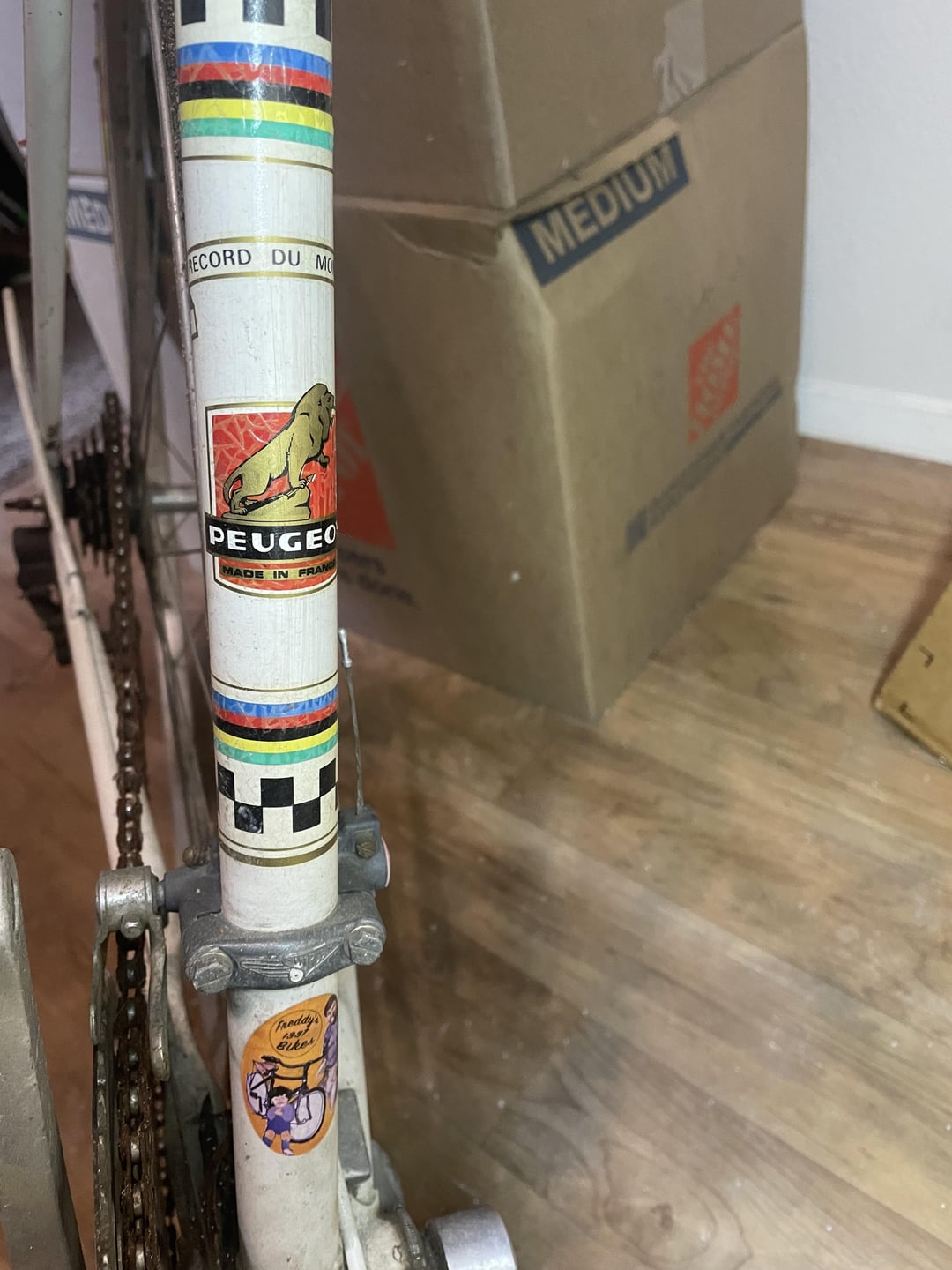
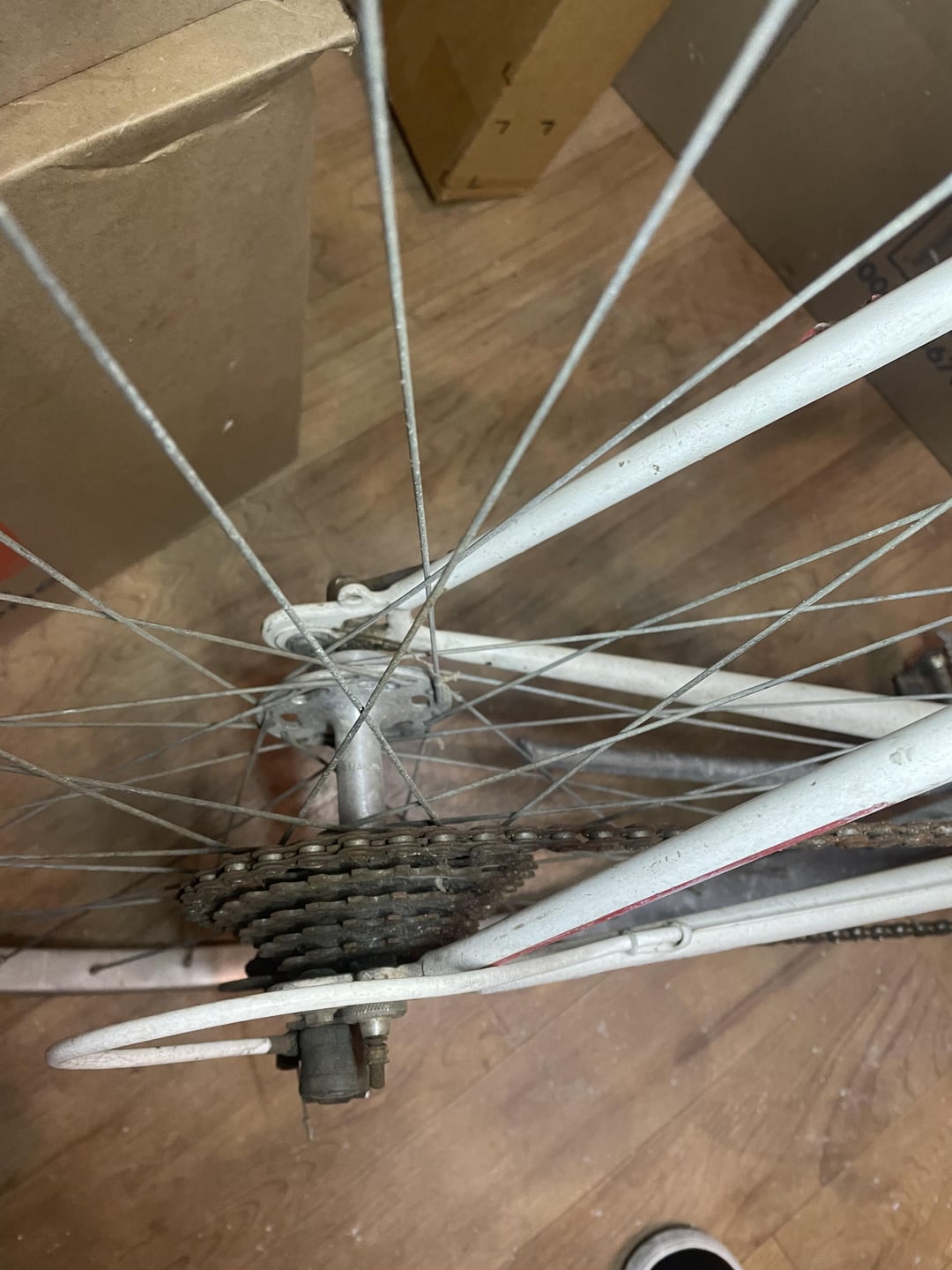
The serial indicates 1972 (first digit is year – 7 digits in total means 1970s). This particular model was called PA10 in France and eventually PR10L in English-speaking markets. It’s one level below the top racing model PX10. 1972 was the year PA10 and PX10 got those Ref. 32 Dubois lugs (sometimes called Nervex in the catalogue since they came from the same company – Francolam, which had recently been acquired by Aimé Dubois). The Simplex quick-releases are very rare and quite valuable.
zCar_guy on
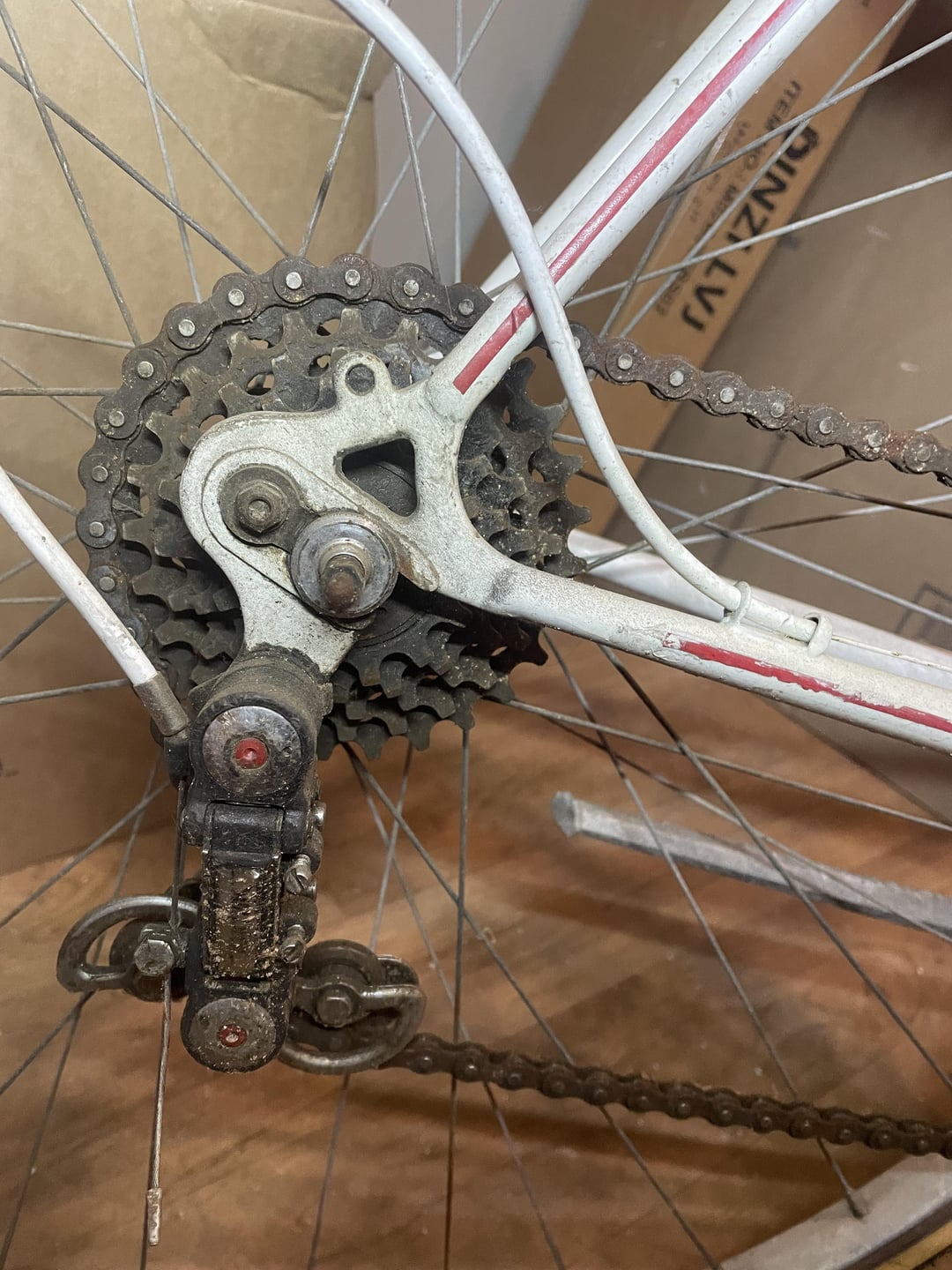
Look at the wheels. If they are still original, there will be a year code in a diamond shape stamp. Also, look close at the rear derailleur cage for a date stamp.
vwlsmssng on
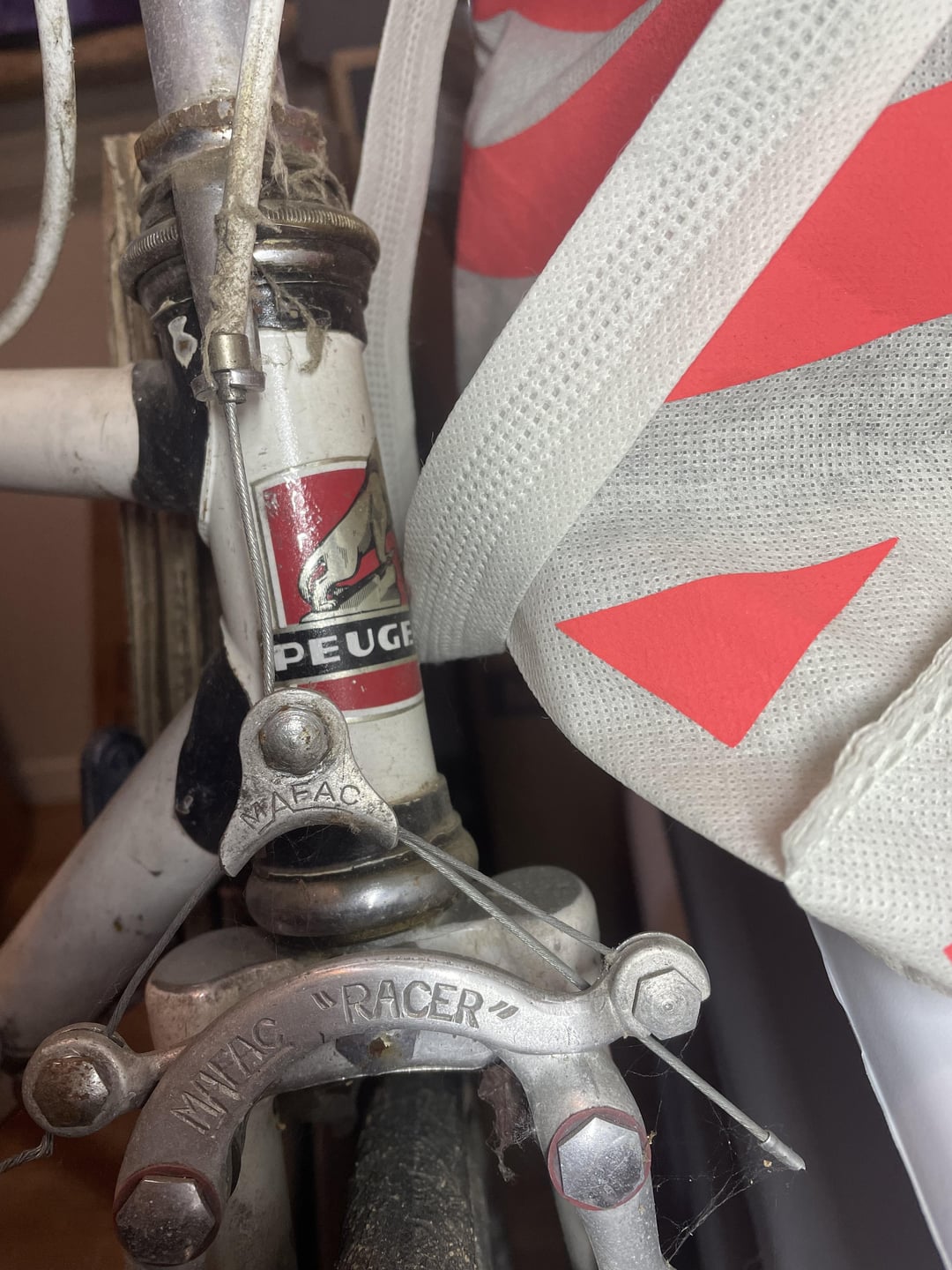
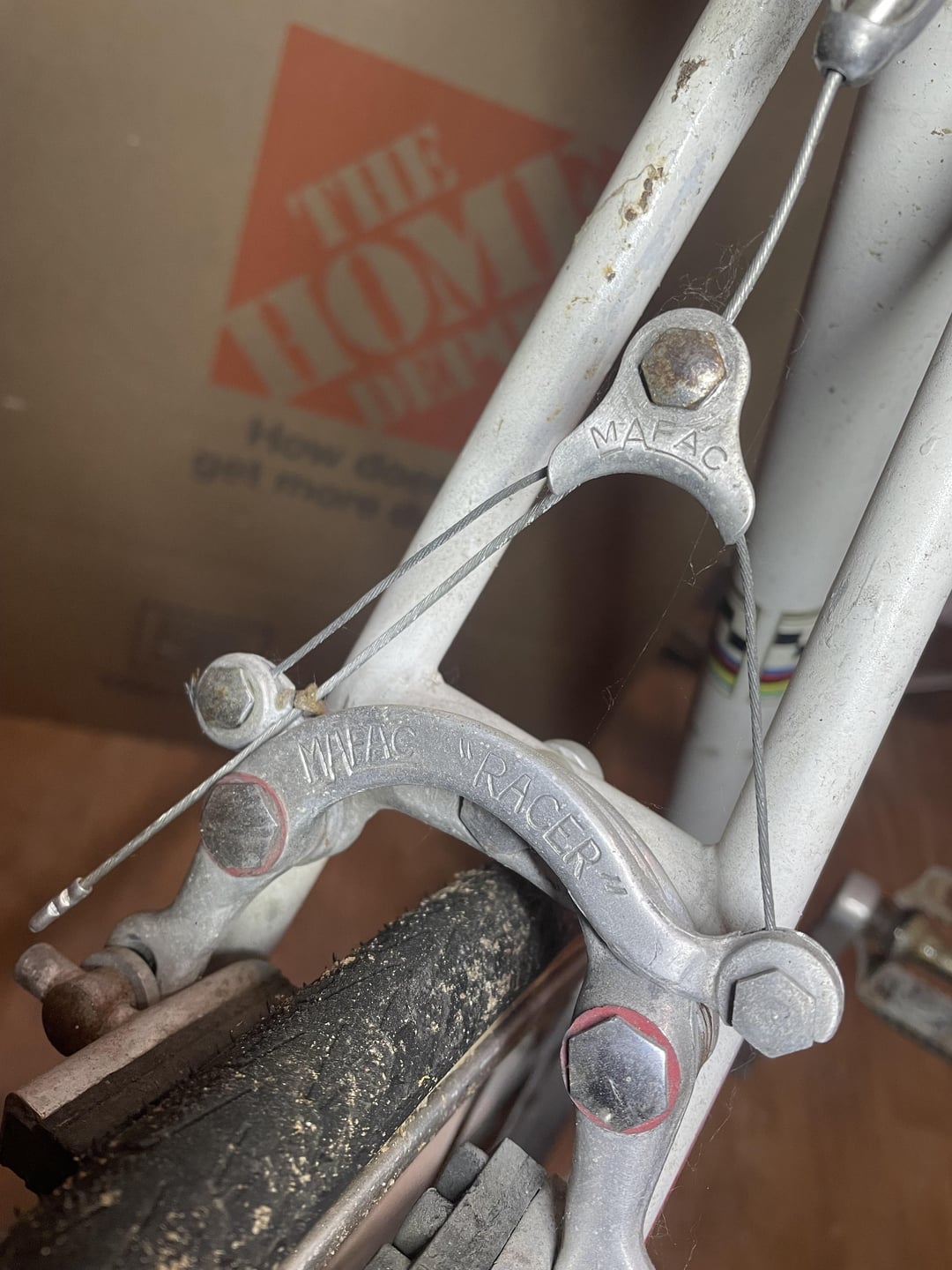
The MAFAC “Racer” brakes are my favourite centre-pull, superior to the ubiquitous Weinmann Vainqueur. Take them apart, clean them up and put grease on the pivots. The pivots should have brass bushings. With the right brake blocks, brake levers and careful setup you will get very good braking.
SeasideTurd on
OMG I would absolutely LOVE to tear that thing apart and rebuild it to it’s original glory!!
mluciente on
Be careful with the plastic bits. They are very brittle. Also the chainring bolts are soft metal. If you are going to take them apart to clean use thread breaker first.

15 Comments
What exactly do you want to know? It‘s a fairly standard classic road bike, nothing particularly unique about it. It’s not super cheap, it’s not super fancy. „Decent“ like you put it is a fair term. Being French it may have some uncommon size standards on parts.
It hasn’t been abandoned for too long, and must have been ridden relatively recently – the saddle is relatively new. Condition overall looks not great, but salvageable. You restore it like you would restore any other old bike: clean everything thoroughly, figure out what still works and what doesn‘t, replace anything that doesn‘t. If you have any specific questions, we might be able to help further.
The best source on the Internet for info on old bikes is the late, great Sheldon Brown; here’s his page on older French bikes: https://sheldonbrown.com/velos.html
If you scroll down to brands you’ll find a link to a separate page on Peugeot. Yours looks like a nice mid-range bike from the 1760s or 70s. It might even be an instance of the much-sought-after PX-10. (And if it is, you’ve got your hands on a true classic!) More info: https://classicrendezvous.com/country-of-origin/france/peugeot/
Yeah, I was wondering if it was a PX10, I think the lugs are different on those though
Looks like a PX-10! the painted lugs and Stronglight cranks are the biggest tells.
Most likey a mid 70’s PR10, the ‘poor man’s’ PX10. It has Reynolds 531 main tubes. Great geometry! They make really nice riders.
You can also identify it by the original Peugeot brochures. https://www.bikeboompeugeot.com/Brochures%20USA/Brochures%20USA.htm#google_vignette
It looks like the bicycle was refurbished just few years ago then it may have been stolen and abandoned. When you again refurbish it, you will have to replace the chain, oil the cables, but you may also need to disassemble the bicycle to clean and regrease the ball bearings as it looks like it was left out in the rain when it was abandoned. This bicycle is old enough to use many size standards that were only common in France. The stem, headset, bottom bracket, and possibly the pedals use french standards. The crankset also cannot be removed to service the bottom bracket bearings unless you or your shop has the right tool. In future it is best not to post the serial number of bicycles like this, instead just post photos or a description of the bike, and leave some room for the rightful owner to provide you with the serial number or other info if to confirm their ownership. Abandoned bikes can be a headache as each time you refurbish a bike, you put in as much as the bike is worth and the former owner may always pop-up and reclaim it: [https://youtu.be/kqbluSvwhqE?si=QAeDh7ukw90oi90y&t=2240](https://youtu.be/kqbluSvwhqE?si=QAeDh7ukw90oi90y&t=2240)
Welp you have one of the Peugeots worth restoring at least. You clean and restore it like any other bike. Take off all the parts, get a bucket of mineral spirits and a kitchen brush, degrease, clean and polish out the frame, then degrease clean and polish out the metal, those Stronglight cranks will come back to a mirror finish.
Just finished restoration of.one of these
There’s a Facebook page for Peugeot and french bikes,they will be a lot of help.
Great bike ,it will need a full service have fun and be patient,there are a few challenges ahead.
Nice Pug but not a PX10. No chrome on the stays is a big giveaway.
The serial indicates 1972 (first digit is year – 7 digits in total means 1970s). This particular model was called PA10 in France and eventually PR10L in English-speaking markets. It’s one level below the top racing model PX10. 1972 was the year PA10 and PX10 got those Ref. 32 Dubois lugs (sometimes called Nervex in the catalogue since they came from the same company – Francolam, which had recently been acquired by Aimé Dubois). The Simplex quick-releases are very rare and quite valuable.
Look at the wheels. If they are still original, there will be a year code in a diamond shape stamp. Also, look close at the rear derailleur cage for a date stamp.
The MAFAC “Racer” brakes are my favourite centre-pull, superior to the ubiquitous Weinmann Vainqueur. Take them apart, clean them up and put grease on the pivots. The pivots should have brass bushings. With the right brake blocks, brake levers and careful setup you will get very good braking.
OMG I would absolutely LOVE to tear that thing apart and rebuild it to it’s original glory!!
Be careful with the plastic bits. They are very brittle. Also the chainring bolts are soft metal. If you are going to take them apart to clean use thread breaker first.