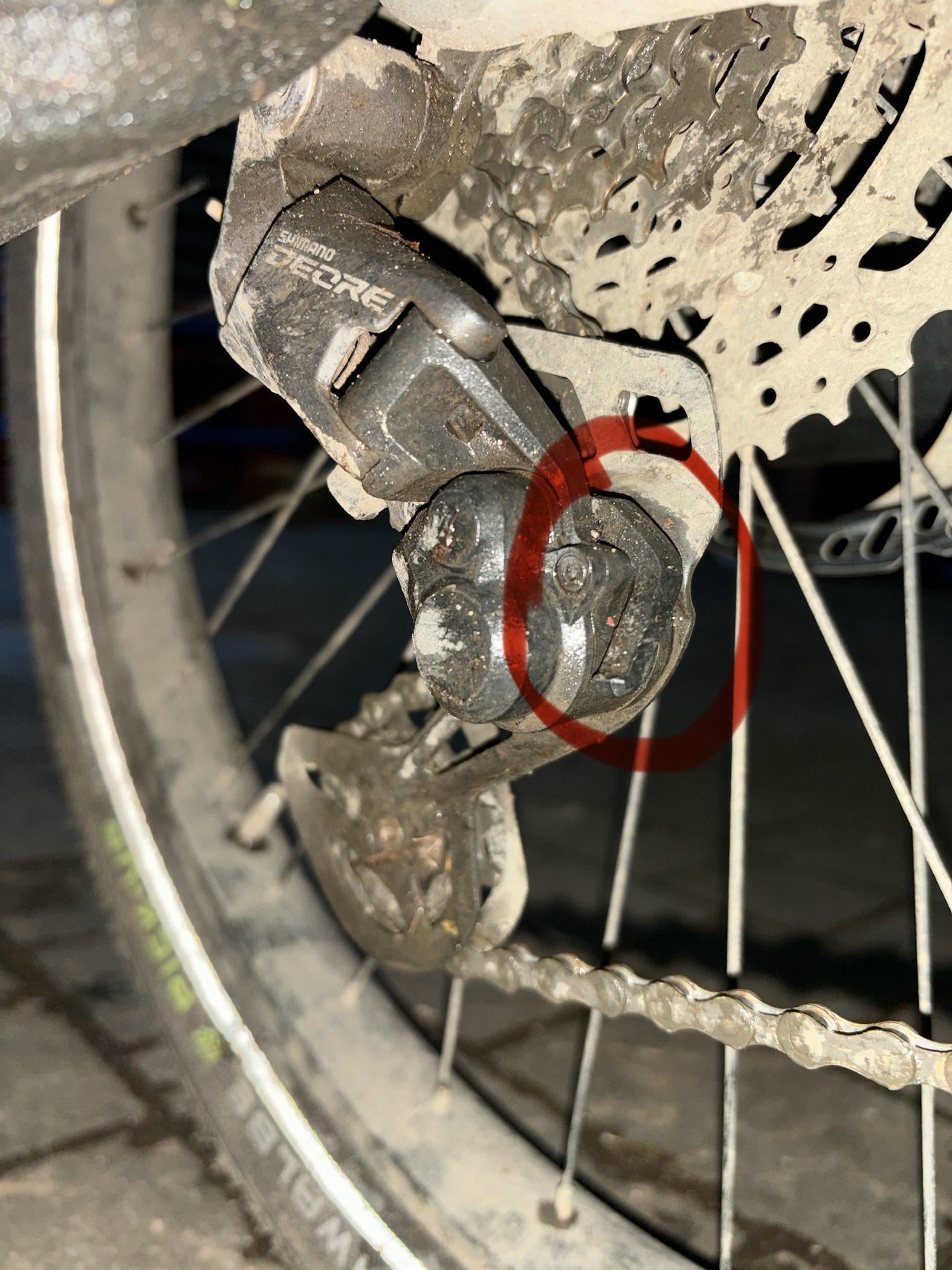
Most likely you have a clutch derailleur. In the “on” position it holds the chain very taut – great for minimising chain bounce while riding; very hard to get your wheel off. So the “off” position is there for when you need to remove the wheel and service the bike. It will ride in the off position, but you’ll hear the chain bounce when you go over bumps.
Kasumi_l on
It is a clutch. Its position determines the movement range of the cage. In one position it ensbles the cage to move more freely, the other position makes the cage “locked”, so the tension of the chain will be higher during the ride (especislly on rough terrain). https://youtu.be/17DStV9Tpjo?si=V7hSe97GfClCHc3o
White_trash_of_asia on
It’s the clutch bra
Movielover456 on
It’s to engage or disengage the clutch. It keeps tension on the chain to prevent chain slap.
[deleted] on
[removed]
Cyclist-Rally on
It is the clutch, but please for the love of all that is bikes, clean your bike
NegativePotato68 on
That’s the clutch switch, it affects how stiff the spring is on the jockey wheels (the two wheels on the derailleur on which the chain loops around)
When the clutch is on it makes the cage stiff to maintain chain tension on bumpy terrain, this keeps shifting and pedaling reliable else the chain would move across the cassette with bumps.
You can turn it off, that would be ideal, higher chain tension means more chain wear and noise and slightly worse shifting
WhyAlwaysNoodles on
The side plate can be removed to clean and lube the clutch mechanism, plus adjust the tension over time.
Most people leave it on, but turn it off if they need to remove the rear wheel for anything
three_seconds_ago on
have you tried turning it off and on again? 😀 /s
as mentioned, its a clutch, turn it on and try to push the cage against the spring tension to feel the resistance. turn it off and try again – only spring load will be the resistance
​
long story short:
clutch off – OK for most road riding and easy b-road
clutch on – bit more wear on components (more load during shifting), but keeps the chain more securely on the rings and helps avoiding chain slap on the chainstay

9 Comments
Most likely you have a clutch derailleur. In the “on” position it holds the chain very taut – great for minimising chain bounce while riding; very hard to get your wheel off. So the “off” position is there for when you need to remove the wheel and service the bike. It will ride in the off position, but you’ll hear the chain bounce when you go over bumps.
It is a clutch. Its position determines the movement range of the cage. In one position it ensbles the cage to move more freely, the other position makes the cage “locked”, so the tension of the chain will be higher during the ride (especislly on rough terrain).
https://youtu.be/17DStV9Tpjo?si=V7hSe97GfClCHc3o
It’s the clutch bra
It’s to engage or disengage the clutch. It keeps tension on the chain to prevent chain slap.
[removed]
It is the clutch, but please for the love of all that is bikes, clean your bike
That’s the clutch switch, it affects how stiff the spring is on the jockey wheels (the two wheels on the derailleur on which the chain loops around)
When the clutch is on it makes the cage stiff to maintain chain tension on bumpy terrain, this keeps shifting and pedaling reliable else the chain would move across the cassette with bumps.
You can turn it off, that would be ideal, higher chain tension means more chain wear and noise and slightly worse shifting
The side plate can be removed to clean and lube the clutch mechanism, plus adjust the tension over time.
Most people leave it on, but turn it off if they need to remove the rear wheel for anything
have you tried turning it off and on again? 😀 /s
as mentioned, its a clutch, turn it on and try to push the cage against the spring tension to feel the resistance. turn it off and try again – only spring load will be the resistance
​
long story short:
clutch off – OK for most road riding and easy b-road
clutch on – bit more wear on components (more load during shifting), but keeps the chain more securely on the rings and helps avoiding chain slap on the chainstay