
Hi everyone,
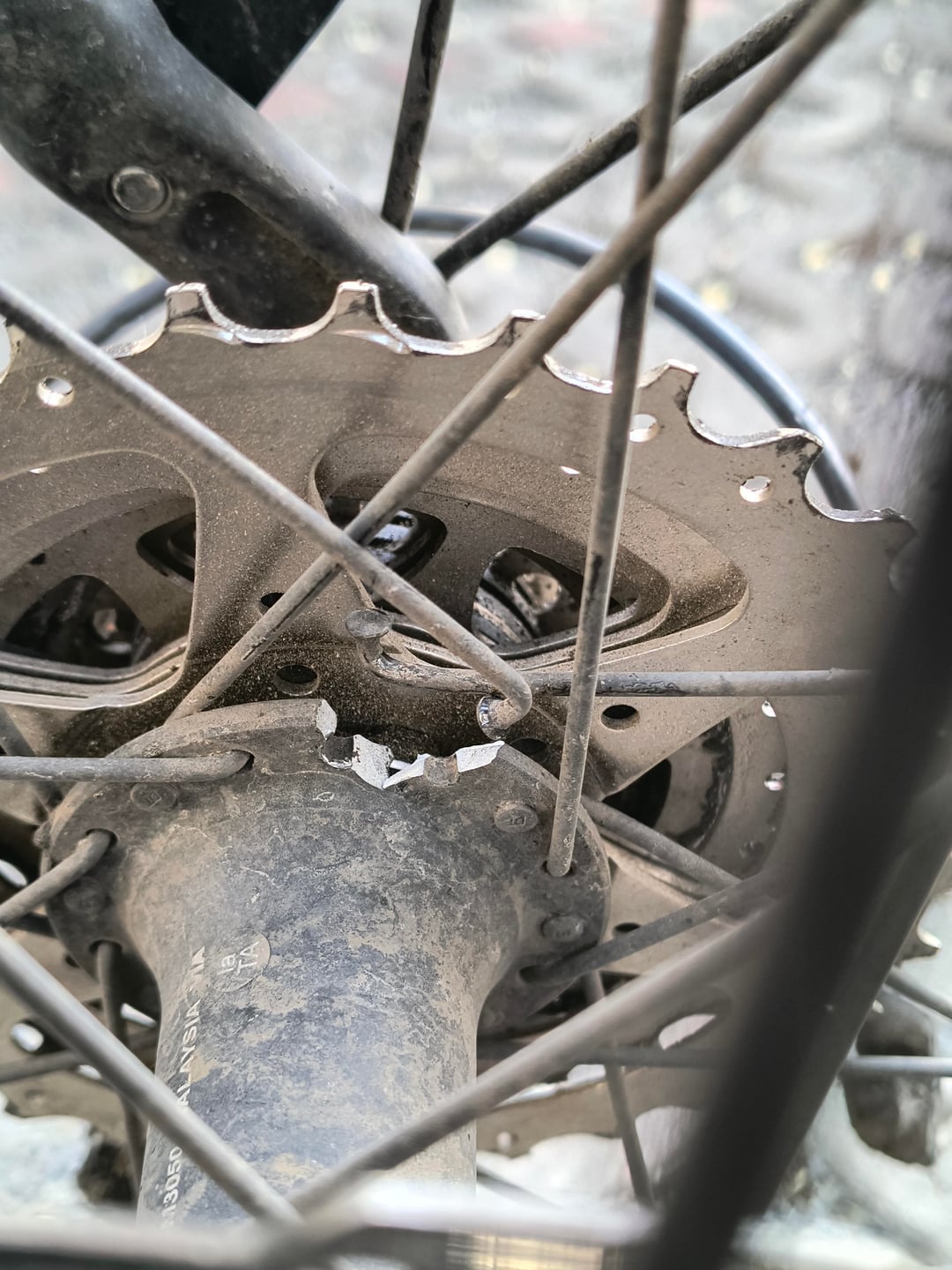
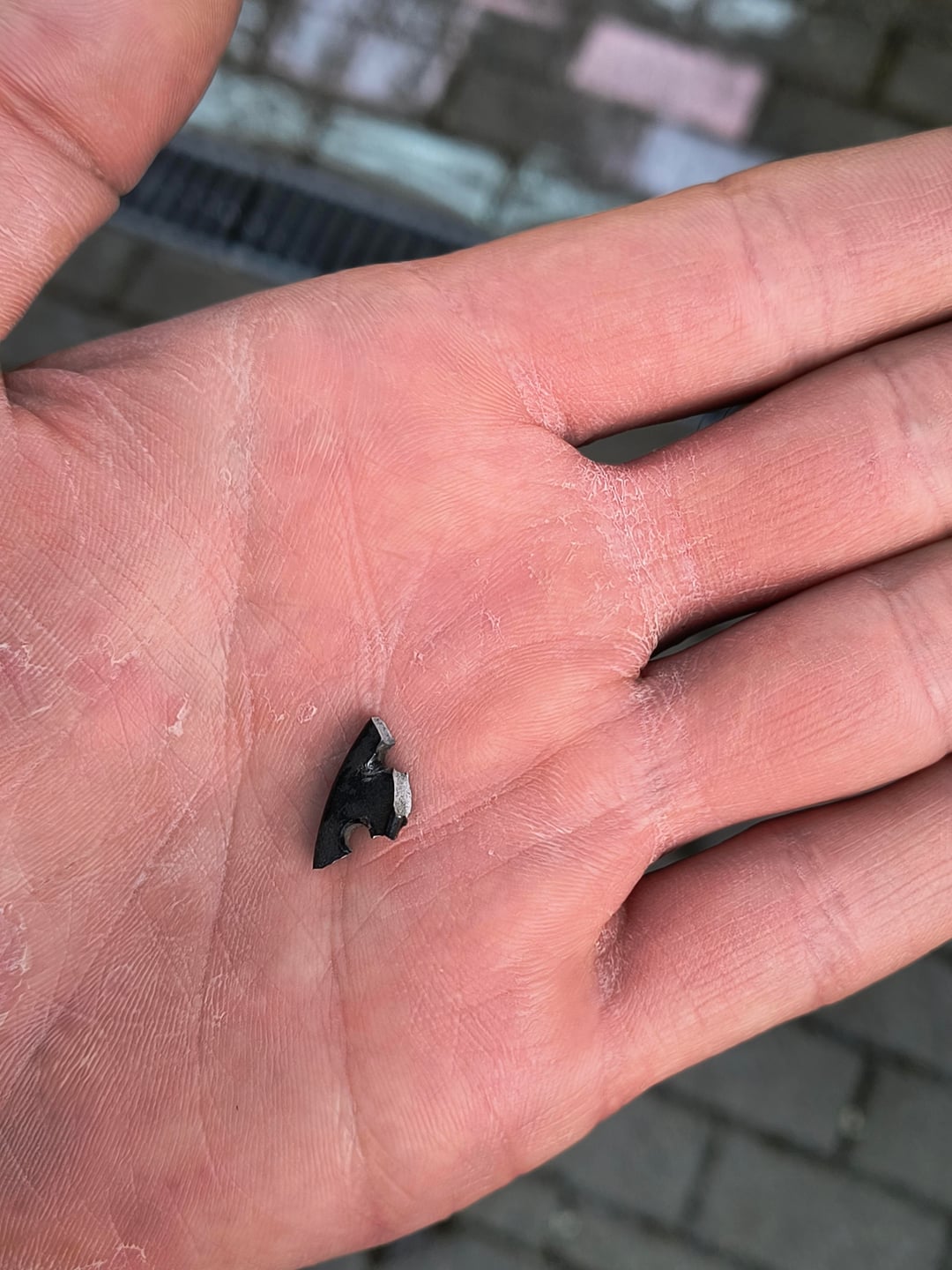
I’m missing a chunk of my hub here. And now I have some questions.
How does something like this happen? Too much watt? Too fat? Too many curbs? Or just normal fatigue after 20,000 km?
And what should I do now? I do most of my own wrenching, but I don't know how to build a wheel. Should I have a shop install a new hub (and freehub)? Or buy a complete rear wheel and swap over the brake rotor and cassette?
Thanks!
by frvmt
26 Comments
A new hub is not that hard to change, but it takes a lot of time. It’s hard to get a fully trued wheel though. A shop may charge you as much as a new wheel, depends.
Your call, but from what I understand a shop often doesn’t charge that much to build a wheel. I’d probably just do that if I’m happy with the rims and other wheel.
you got it all down. fatigue after a lot of kilometers with weight and bumps can do that to a hub. be happy that the bearings held up
That can happen from all the reasons you stated, plus others, assembly tension and hub shell manufacturing defects. Could be a combination of them all.
As a shop owner who builds wheels, I say your most affordable option is buying a whole wheel that’s made by a large scale manufacturer. Any shop should have one or the ability to order one. You’re looking at probably $70-80 at the least.
If the thing is bashed up enough to fail like that it, it probably isn’t worth saving the rim either. A new wheel is the least hassle.
Buy a new wheel, take it to a shop to have them rebuild with a new hub (if the rim is still in good shape)or learn to do it yourself. It’s really not that hard. I’ve built a couple dozen wheels over the years. I always have to refer back to some book or site to remember the basics. Except for radial spoked front wheels. They are the easiest to build. With this fancy internet and online spoke length calculators it takes all the math out of the equation.
Definitely depends what wheels you have on the bike. If they are cheaper alloy OEM rims, often it’s better to just replaced the entire wheel.
If you have higher quality alloy or carbon wheels, 100% just the rim relaced with a new hub.
Often times this is a good chance to get better hubs like Industry Nine, DT Swiss, orbOnyx hubs
yeah, stop using that, it might be cheaper to buy a complete new wheel, you can at least keep the hub body/cassette/rim as replacement parts.
i would ask a shop how much they would charge for building a wheel with the parts already provided, might be cheaper, the you just buy a new hub of your choice and pay only for labour/spokes, wont be brand new but if the rest of the wheel is not too bad you can re use it instead of it just sitting there.
It happens to me, too much tension with some of the spokes due not tighten them properly – in my case it bite larger chunk. It depends what wheel you have, if its expensive carbon wheel – replace the hub, if not just get new!
Normal fatigue if it’s an older hub. Alloy parts get brittle over time and flanges breaking off isn’t unheard of. Relacing the rim with a new hub isn’t too expensive usually, I think my bike shop would charge around $80 plus parts. I’d plan on new spokes, since sometimes flange lengths and whatnot can make reusing the spokes a little tricky. 36h rim wheel build with new spokes, call it $150 plus the cost of the hub worst case.
Good excuse for a nice new wheel if you want one. Regardless of what you choose, get something with sealed bearings.
You DO know how to build your own wheel. Not right now, though with the minimum amount of tools and bits (brass nipples, spokes of proper length, new hub, spoke wrench) you can be confident to do the job on your own. Ive build a couple of rear wheels (even with recycled bits to keep cost low) following park tool videos on youtube. It can take a few hours but it’s straightforward and gratifying.
You’ve got to replace the wheel. If cost is a concern, I’d find a local bike co-op/kitchen and buy a used wheel. Swap over the rotor and cassette as long as they’re not too worn. The co-op I volunteer at would only charge like $25 for a used rear wheel. An entry level new wheel will cost $50-$75, and a build would likely cost more just due to labor.
This is a high stress area (the drive side rear wheel). If your bike is purchased new and not that old then I would take it back to the shop you purchased it from and see about a warranty replacement or at least a discount exchange. Shimano is pretty good about standing behind their products.
Sure, you could pay to replace the hub but chances are the rim has taken a beating too. Not a bad idea to replace the entire wheel. From a time and money perspective buying a new wheel is likely favorable. You can absolutely keep your tire and cassette.
With that many km you just need a whole new wheel. You got as much as you could out of it.
As others have said buy a whole new wheel or a used one. Good on ya for riding that much!
Buy a new wheel. Even if you’re a wheel builder, I wouldn’t build a new wheel on used spokes and maybe not even on a used rim. Okay, that’s a lie, I will totally be rebuilding my latest busted wheel with existing hub and rim, but definitely new spokes and nipples and rim tape.
Just for your consideration, a new hub or wheel is going to come with a freehub body already installed. You don’t need to swap out your old one like you do with cassette, rotor, etc.
If you like tinkering and working with your hands, get a new hub (make sure hole count matches your rim), use park tool’s spoke length calculator to order spokes and nipples (you’ll need the appropriate nipple wrench), and have a go a rebuilding your wheel.
If you don’t like doing that, just buy a new wheel. A lot of shops don’t build wheels and won’t fix this. Shops that do will likely recommend just buying a new wheel as well because it’s likely that the price of repair will be about the same as a brand new wheel. So unless you’ve got some expensive carbon rim, you’re likely better off just buying a new wheel.
Replace it.
Hubs at that point are under a fair old bit of tension and they can fail because of it. Chances are there may have been a crack forming for a while that you didn’t notice and it was always going to fail sooner or later.
Depending on the value and condition of your rim it might be worth you getting it laced onto a new hub, if you can do it yourself the parts are not exactly expensive unless you go for something high end but if you have to let a shop do it the chances are they could sell you a complete new wheel ready to go for less than it would cost for parts + the labour to rebuild.
At 20000km, installing a new hub and spokes onto the old rims is throwing away your money. Buy a new wheel. That one owes you nothing.
Building a wheel is easy. Get the Musson ebook if you want to go that route. It is a life skill.
The problem is that at the price point you’re looking at if the straight gauge spokes are a tell, is that you can buy a like replacement cheaper than the cost of the parts.
Alternatively, if everything else is in great shape, buy a hub and the Musson book and have a go.
Get a new hub bub.
Wheel building is very rewarding.
With some experience you can rebuild the wheel using a new hub in about 30 minutes. I learned to build wheels on the internet. Sheldon Brown’s web provides all the information you may need. Tools, materials, advice. If it’s your first wheel, it may take a few hours.
Great opportunity to upgrade your wheels and hub
Just buy a new wheel. You will surely find something on sale somewhere.
Wow.
Well, of course after 20 000 km it can happen. Do you tighten your spokes sometimes ? Maybe some of them were not tightened regularly and made a fatigué on the hub. Leading to this. Also maybe because of strain due to load (either weight, either use on irregular road, either both).
You can change your hub, but it can cost a lot, so maybe it can be a good option to change your wheels.
Edit : you can try to change your hub by yourself, but it requires some tools that you are not likely to use very often. Also, result can be clunky if you don’t do it correctly. I also work myself on my bikes. But for this operation, I would consider giving it to a professional who owns the tools.