Probably a little heavy for modern hubs, but should be fine for headsets and bottom brackeo
GeneralOcknabar on
You shouldn’t use this on most if not all things on your bike.
AndrewRidesBikes on
Probably okay, but likely not an ideal bike grease.
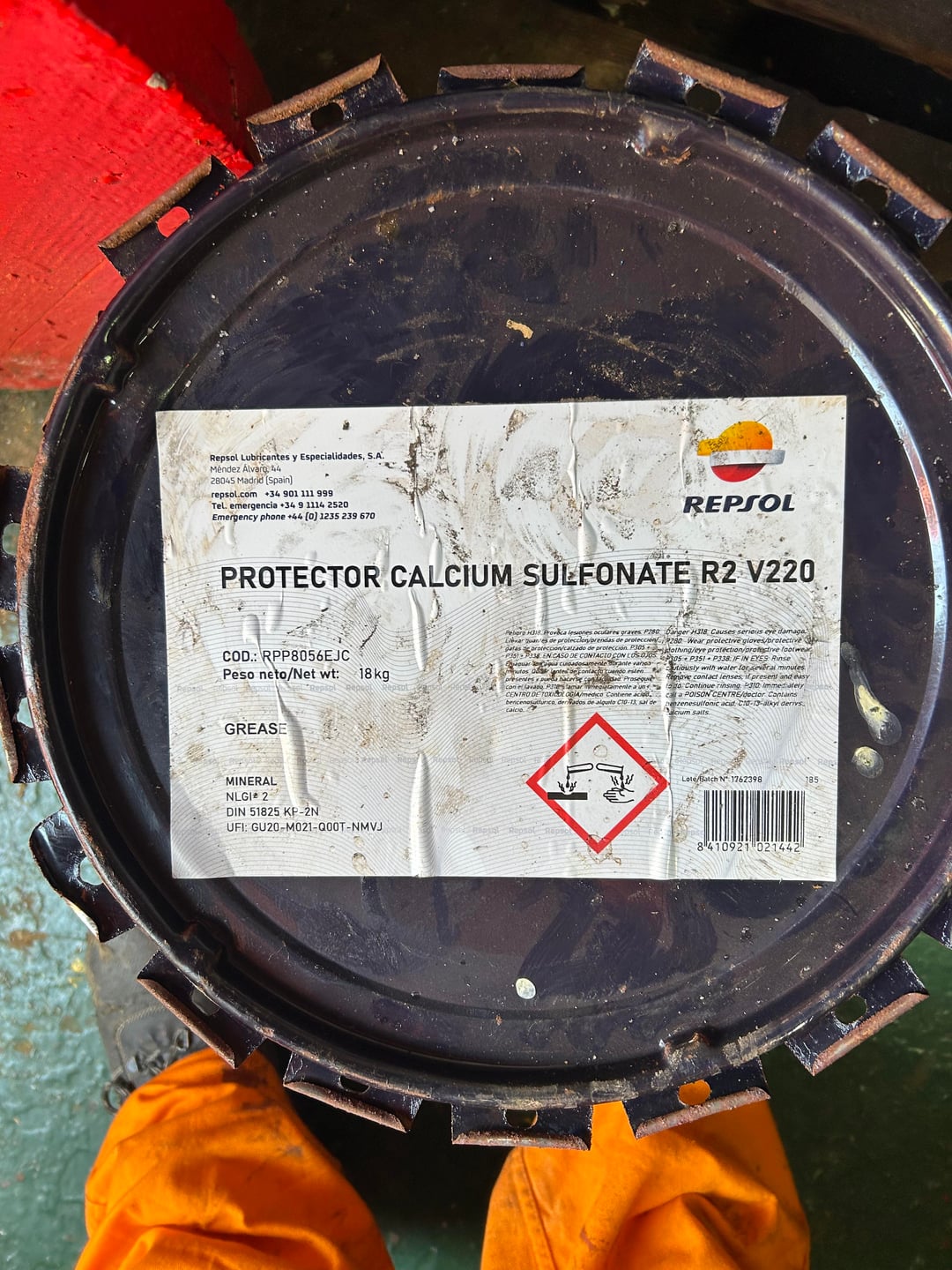
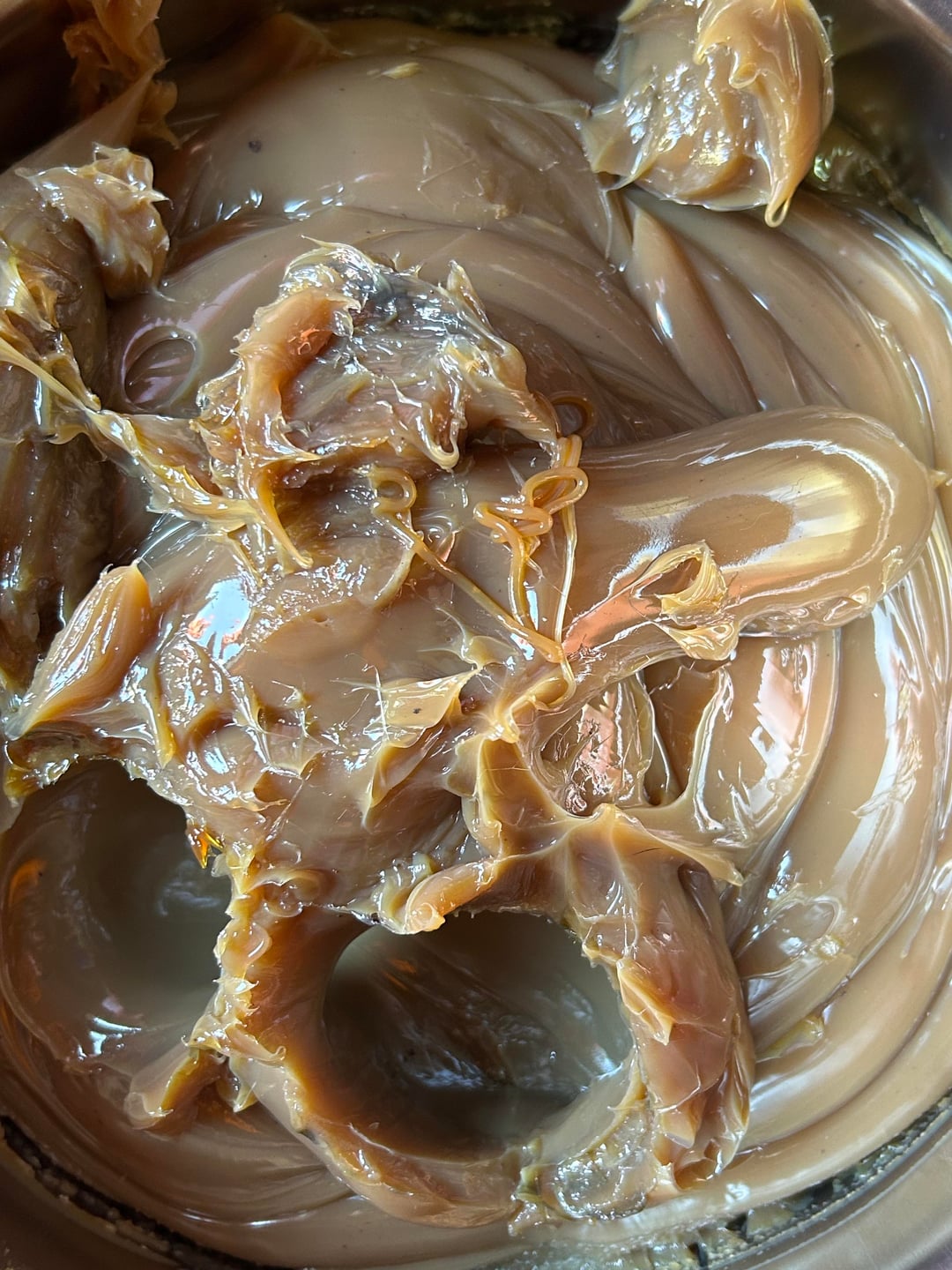
It looks like a fairly heavy industrial calcium sulfonate grease. Those are usually very water resistant and durable, so it’ll likely work fine for things like headset bearings or threaded parts.
That said, bike components can be pretty sensitive to grease viscosity and drag. I’d avoid using it in freehubs, derailleur pivots, or other fast/light-moving parts. It’s also hard to know additive compatibility and long-term behavior without a proper datasheet.
If it’s the only think you have, it’ll probably work. But if you’re buying grease specifically for bike use, I’d personally just get a known bicycle or marine grease instead
rickard_mormont on
Of you look on youtube for mapdec videos on grrase they recommend using a calcium grease on bearings and a calcium sulphunate grease on threaded stuff like bottom brackets (instead of anti-seize). So you’re probably fine, just don’t use this on bearings or suspensions or anything that moves. Also wear gloves, check out the warning.
bcblues on
Just don’t mix it with some other types of grease. For instance, it is not compatible with the common Park PPL grease (Polyeurea).
Repsol R2 V220 is, basically, marine grease and the NLGI rating puts it at the same rating as Phil Wood grease.
Edit: from repsol: Grease specially formulated for use in humid and highly corrosive environments due to its good anticorrosion performance (even in salt water), total insolubility and water repellence, extreme adherence and coating capacity.

7 Comments
Probably a little heavy for modern hubs, but should be fine for headsets and bottom brackeo
You shouldn’t use this on most if not all things on your bike.
Probably okay, but likely not an ideal bike grease.
It looks like a fairly heavy industrial calcium sulfonate grease. Those are usually very water resistant and durable, so it’ll likely work fine for things like headset bearings or threaded parts.
That said, bike components can be pretty sensitive to grease viscosity and drag. I’d avoid using it in freehubs, derailleur pivots, or other fast/light-moving parts. It’s also hard to know additive compatibility and long-term behavior without a proper datasheet.
If it’s the only think you have, it’ll probably work. But if you’re buying grease specifically for bike use, I’d personally just get a known bicycle or marine grease instead
Of you look on youtube for mapdec videos on grrase they recommend using a calcium grease on bearings and a calcium sulphunate grease on threaded stuff like bottom brackets (instead of anti-seize). So you’re probably fine, just don’t use this on bearings or suspensions or anything that moves. Also wear gloves, check out the warning.
Just don’t mix it with some other types of grease. For instance, it is not compatible with the common Park PPL grease (Polyeurea).
https://preview.redd.it/v92ru2zuvr2h1.png?width=640&format=png&auto=webp&s=cb29554118e80047d56a10702df167bdb8832351
Better not waste it!
Repsol R2 V220 is, basically, marine grease and the NLGI rating puts it at the same rating as Phil Wood grease.
Edit: from repsol: Grease specially formulated for use in humid and highly corrosive environments due to its good anticorrosion performance (even in salt water), total insolubility and water repellence, extreme adherence and coating capacity.