
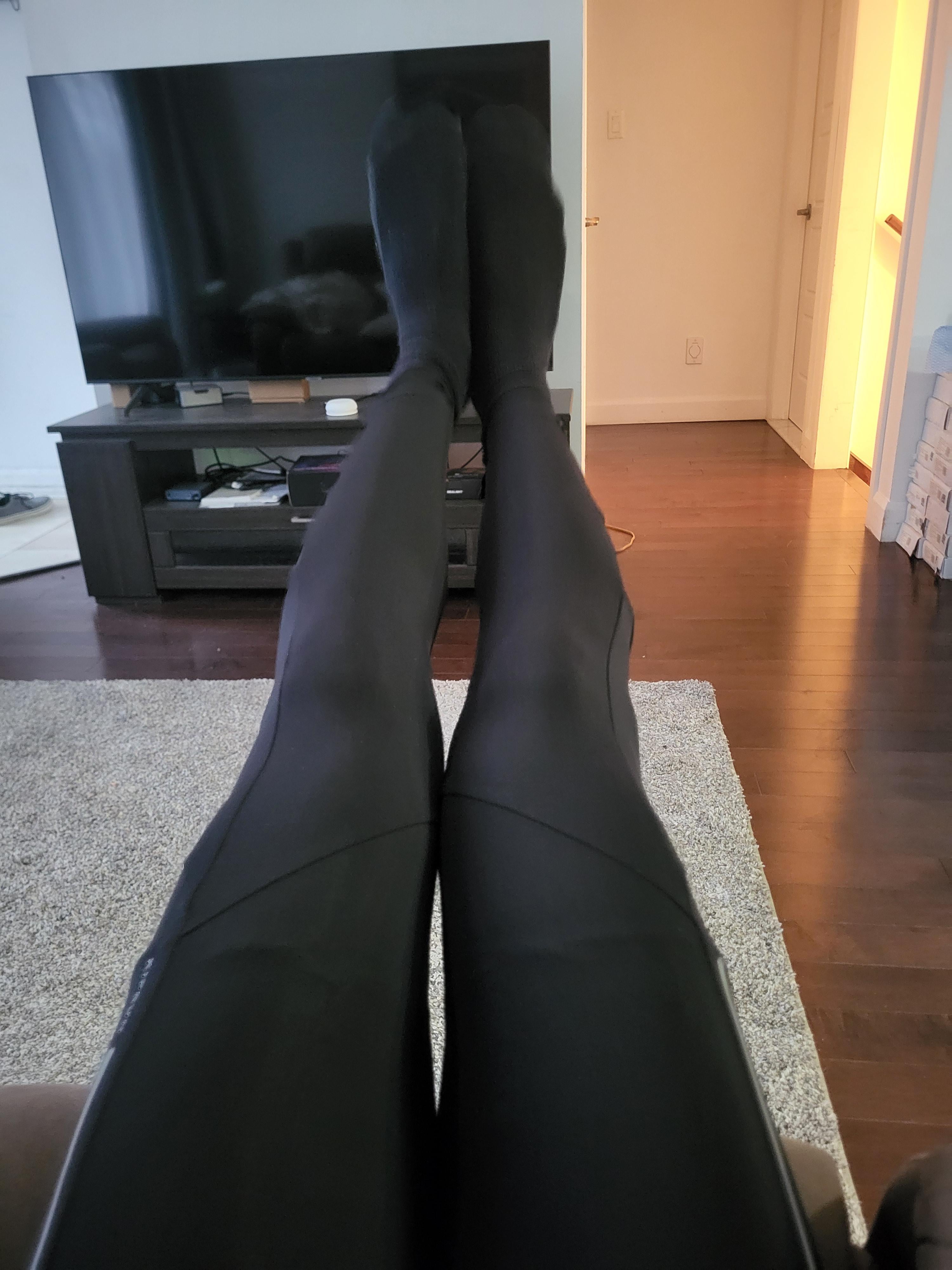
I bike 2x20km, mostly flat ish, a single climb segment. My quads are sore, my knees are ok, calves are sore but not limiting.
I try to use the drop bar, lock in and ignore all inconveniences until I reach my destination, which makes the continuous flat segment a bit easier.
Idk if my bike creates too much friction and I'm not sure what to check besides break adjustment and chain cleanliness
I try to do this routine
Day 1 : full strength, do wtv – 40min commute
Day 2 : Weaker, but good enough
Day 3 : Half day (1x20km) to recover
Day 4 : Weaker
Day 5 : Weakest – 1h00 commute
I've been doing this for 30 days, I am not sure how much more I can improve. The lifestyle is hard.
by LipoBlop
33 Comments
That seems weird for a month.
Do you have enough protein in your diet?
That’s a lot of km for a start. I bike two times a week and do strength on the other days then longer cardio once a week and a rest day. And I’m an injured runner so used to doing a lot of cardio during the week normally. Maybe start with a few days till you feel good then add
A 40 minute is long. Mine is in 50 minute range 11 miles with traffic, and I only do it occasionally. Used to bike commute full time, but my commute was 2.5 miles on flat ground then
you shouldn’t be this sore and tired after 40km per day imo. unless your work is in a warehouse or something.
if your quads are sore, check your seat height. that can be a result of a low seat.
remember to eat. protein is important but a normal diet usually provides plenty of that. to recover properly and allow your body to get stronger you also need calories in general. so remember to eat some carbohydrates after your rides and rest properly. if you drink, avoid alcohol on weekdays too, that stuff ruins your recovery as much as a beer seems to help.
Might need to slow down a bit if you’re maxing out to get there as fast as possible. Do you eat before you ride? Caffeine? Protein after to help with recovery? All important things to do.
Knees week?
Arms heavy?
Vomit on your sweater already?
Maybe try going slower? I’m pretty much in Zone 1 my entire commute and my legs are always good for doing a fun ride on the weekend. Cutting back on intensity might add 5-10 minutes to the commute but will help a lot with your legs getting tired.
Dont be so hard on yourself for one, unrealistic expectations will completely take the fun out of it. Sometimes I go out and feel like a missile and somedays im complete dog shit struggling the whole time. Fuel is the biggest factor always, if you’re underfueled with carbs theres no power and very long recovery times. Ask chat gbt to work out your nutritional needs.. tell it how long your ride is and your bodyweight and effort/ many hours cycled. Its shocked me a few times at the sheer amount of post workout carbs needed, insane bowls of pasta but it definitely works
Probably not it for an advanced rider like you, but check tire pressure. It’s like going to snowtires in the fall. Makes my legs feel like cement 🙂 same with low pressure, makes a grown man want to cry.
You need more rest days
Eat more
It never gets easier, you just go faster
*not my words
Surprised no one yet has specifically called out electrolytes, or potassium, or just bananas …
OP, do you stretch after each (heh) leg? Whenever I forget, my quads remind me!
Food. More.
Thanks for the visual aid, wasn’t sure what you meant by legs at first
Check your fit. Incorrect sitting can cause you to loose your energy faster. Measure yourself, compare the bike frane size and get proper fit. Use the AI tools for this. I improved my fit and now commuting is very light exercise for me. I do 10 kilometers with fast pace (20 km/h and above) on rough pavement and mixed surfaces. Adjusted my fit for a few weeks and now I’m feeling more comfortable and get more power when doing longer tours. 80 kn gravel tour feels like a good training now. No soreness the next day.
gotta slow down and pace yourself more. might still be sore but not as bad and it will get better over time that too
you can do it!!! also, you can eat whatever now, but be mindful that it will impact your daily “performance”
As long as you’re eating and drinking enough, you will get stronger and it will become really easy for you over time
What’s your sleep and nutrition?
You need rest in your schedule to let your legs recover (a half day is not rest). Even professional cyclist build full rest days into their training as it is a part of training. Plus, add in more calories, potassium, protein, and stretching. All that together should help you to start building the comfort along with the mileage.
Post a side profile of you on your bike in riding position, and more details on the bike. Saw a pic of your drop bar bike and it looks like your bar position is way off (could just be pic angle). But if youre in an exceptionally bad riding position, youre not going to pedal efficiently.
Prioritise rest and nutrition. You may need to eat and rest more than you might think.
1. To reiterate what everyone else is saying….Eat a lot more. Especially carbs.
2. Your body needs rest to repair the damage you’re doing to it. That means taking advantage of off days by getting lots of sleep, rest and good nutrition. Should be every day obviously, but off days too.
3. Again, sleep. Don’t mess with that one.
4. Lastly, if your fatigue is mostly in your quads, try to scoot your butt back a little further on the saddle. This will put you in a slightly lower, more aero position, but it will also take some of the load off your quads and put it onto the glutes and hamstrings. Your glutes are your largest most powerful muscles. The more you can put on them the better the rest of your legs will be. Should disperse the effort a little more evenly throughout all your muscles used for cycling.
do you deal with hills?
are you using the right gears for ‘up’?
many bikes do not have gears low enough for ‘real world’ hills
that will def wear your legs out more than necessary
knees also, eventually
show pic of bike if poissible
Honestly I would look into getting an ebike or some sort of electrical assist. 2x20km (2×12 miles in Freedom units) is no joke, and once it stops being fun it becomes a chore, and then it becomes just another commute. There are electric road bikes out there, not every one is a fat tire bulky e moto.
Or maybe break it up mid week with a rest day, I was only able to do a few times a week with a 2x 24km commute (2×15 mile) and drive the rest. Nowadays I drive part way with my bike in the back and ride the rest in office clothes. It gives me flexibility in case it rains or it’s extra cold. Some days I park maybe a mile from the office and just ride in. Keeps it fun!
At the end of the day it should be fun and/or rewarding, maybe try to find what makes it rewarding and lean into it.
Time , repetition , diet , and keep pushing ! I started at a 6 mile commute before I moved , then switched to a 20 miles round trip with a few good hills. I still get sore on my last day and feel myself dragging. (I’m also a cook so my shifts are 10-14 hours ) . Stretching helps ! Hot showers ! It just takes time to build strength keep pushing !
The few things I’ve found that help are:
1. While you’re taking a shower massage the crap out of your legs. For me a pressure that almost hurts works best, moving down towards the knee. Do this on your days off as well. Going from moving for 5 days to nothing is almost worse in my experience for soreness.
2. Eat snacks throughout the day and/or eat sugar before your commute
3. Just because you feel good doesn’t mean you should bike like it. For me going fun is fast but then it makes the rest of the week harder. Maybe try intentionally going slower 45-50 minutes on Monday.
4. This is anecdotal but on a tour I seemed to recover better than my riding friend. One difference was my protein intake.
Eventually you need a rest to allow your various ligaments to heal since they don’t have much blood flow. Is it possible to do a full week every couple of months of no riding?
Switching to a clip-in pedal from a flat (based on a pic you posted) would help improve your efficiency. Eating more fuel before and during your ride along with a recovery meal would also help.
Doing 25 miles a day, one way for about 4 years commuting, it’s making sure your water bottle has electrolytes, your post ride fuel helps clear the lactic acid build up, and you have carbs for the next day. Knowing the caloric burn and gently over filling it for the next day does a lot. Stretching, and knowing that if your body feels slow, don’t hammer on the strokes. Rev up to 90-100 and just sustain an even cadence helping your legs have steady pace with no resistance.
* Pacing. Start easy. Use easy enough gears when going uphill or against a headwind.
* Nutrition. For <1h you don’t really need to worry about carbs on the bike but just make sure you don’t start hungry or dehydrated and that you don’t run an (unintentional) calorie deficit overall. For me (66kg, BMI 20.5kg/m²) an hour of intense cycling at 200W burns 900kcal. Two hours almost double my daily calorie requirements.
* Bike. A heavy city bike or an MTB with bad knobby tyres won’t make this any easier. At least check that your brakes don’t rub by holding the bike up and spinning the wheels.
* Bike fit. Saddle too low is common for beginners but if you mainly feel it in the quads it could also be that your saddle is too far forward and maybe too high.
* Aerodynamics. Don’t wear loose clothes. Keep work clothes and stuff at work so you only have to ride with panniers twice per week.
Eat your protein
Eat your carbs
It seems like you are training during your commute. When I rode in I was almost never doing more than a 50-60% effort.
Try pulling back a lot, and just do a few days where you are just spinning along. You will be surprised that there is only a relatively short amount of time between riding hard, and going at a moderate pace.