
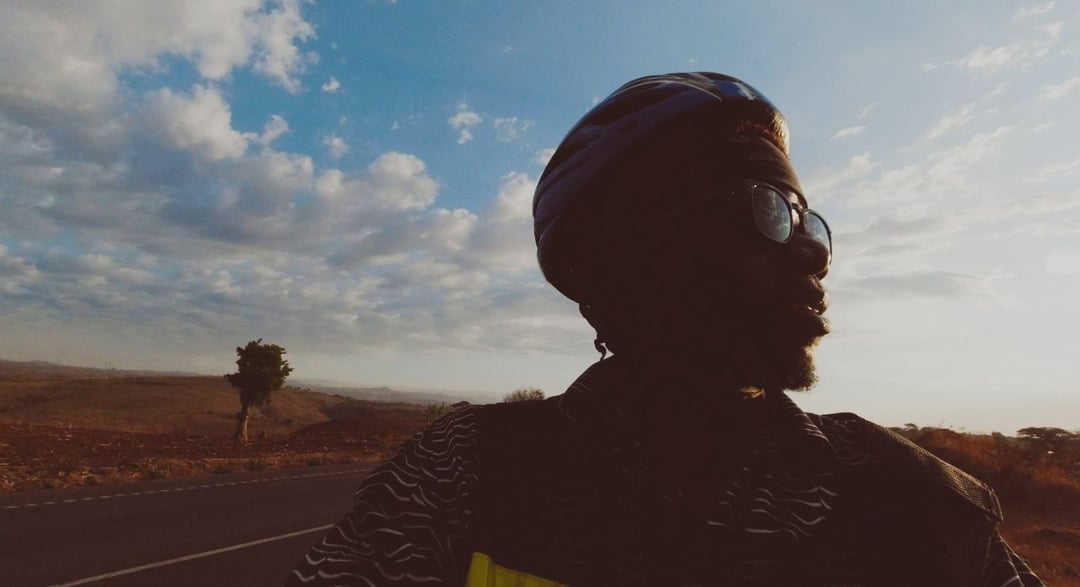
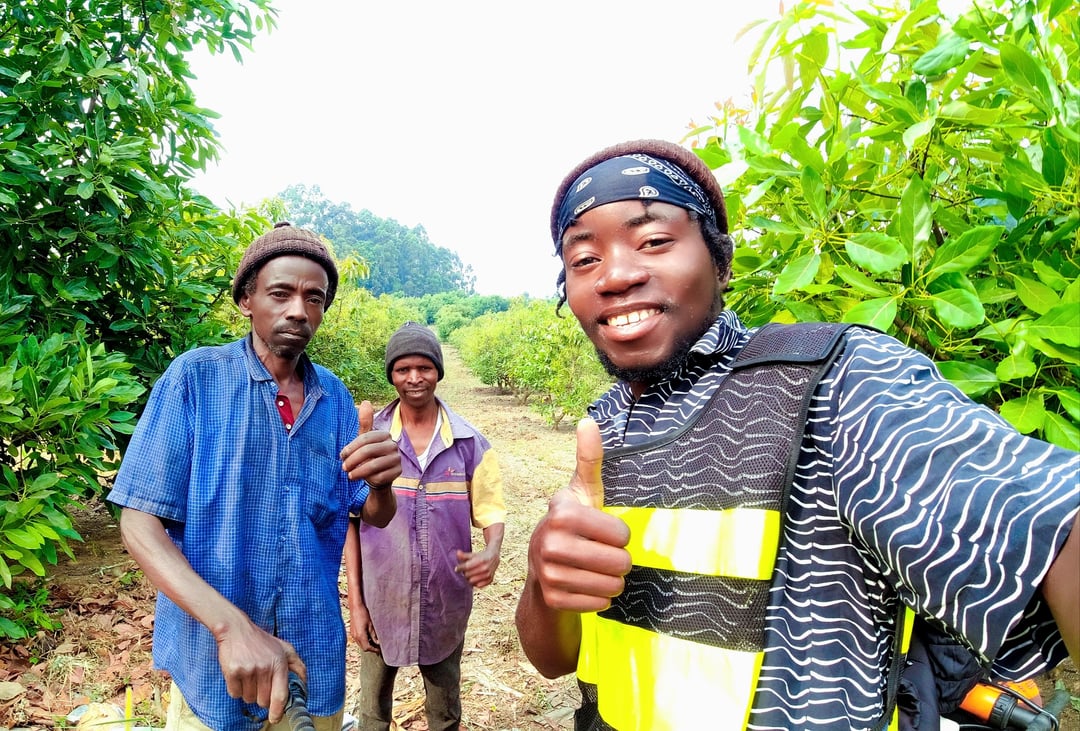
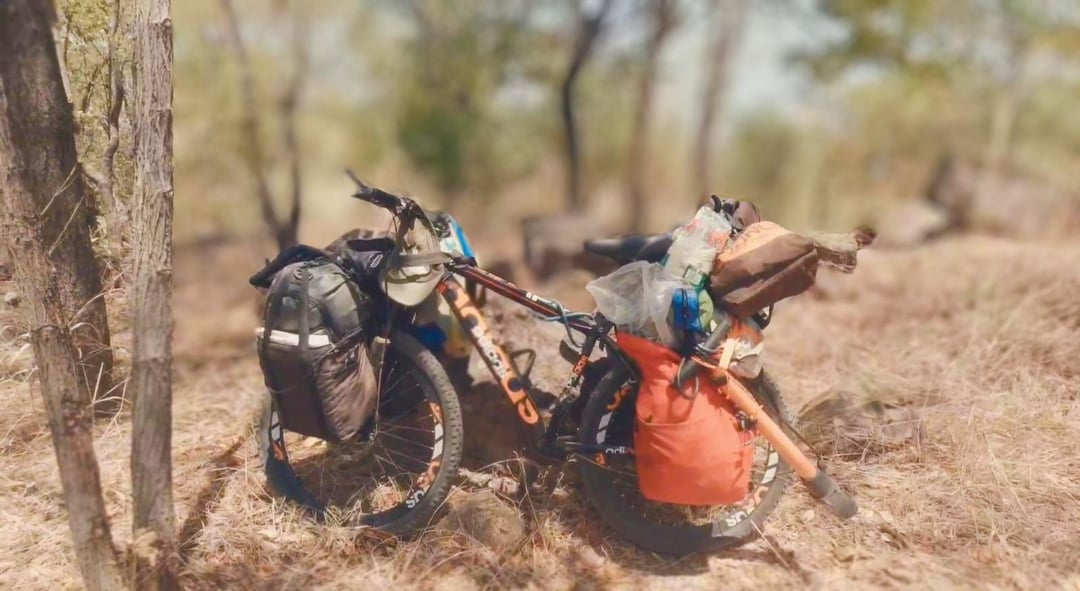
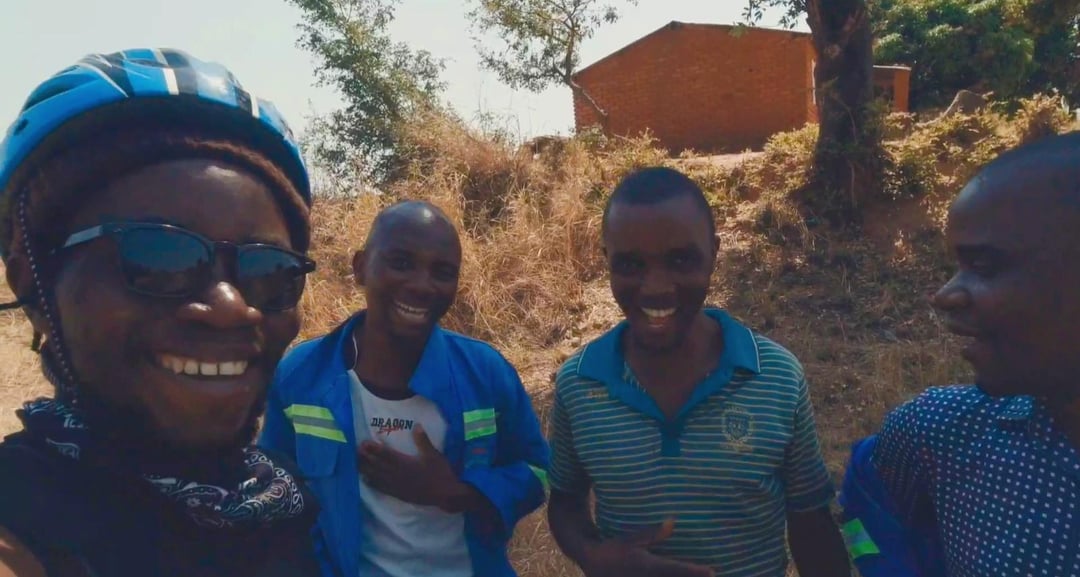
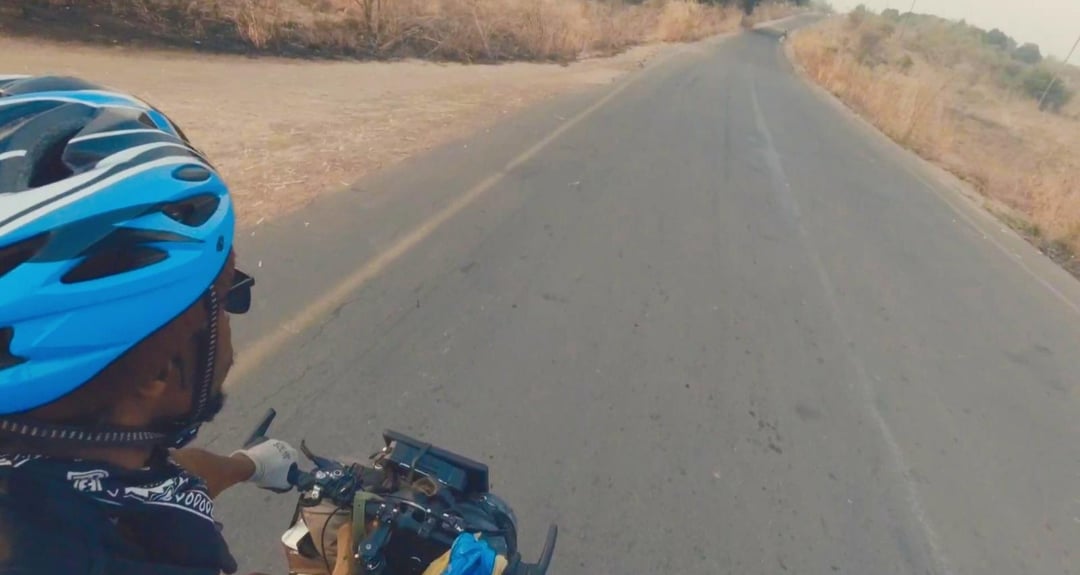
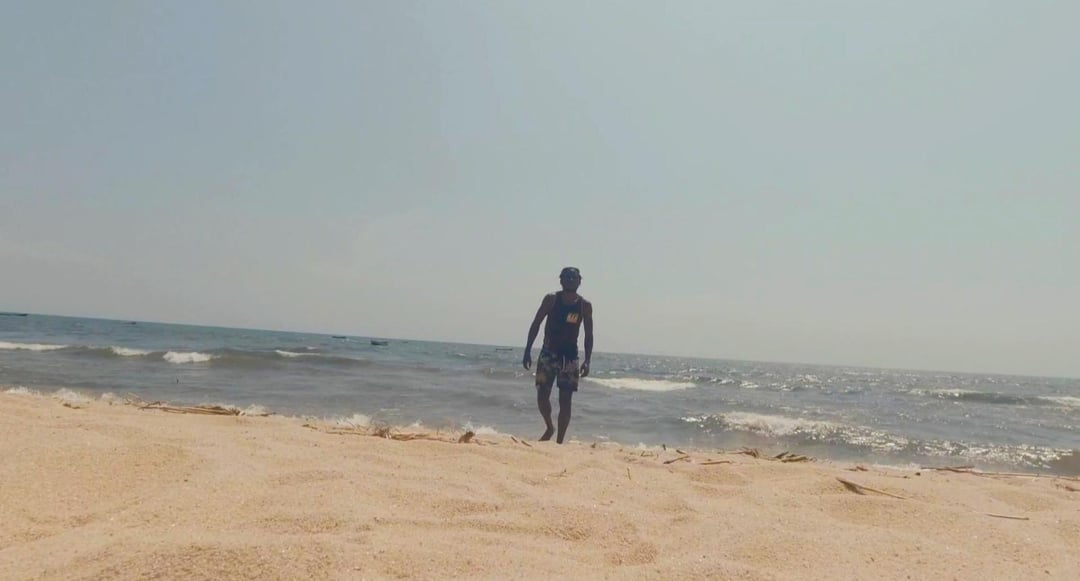
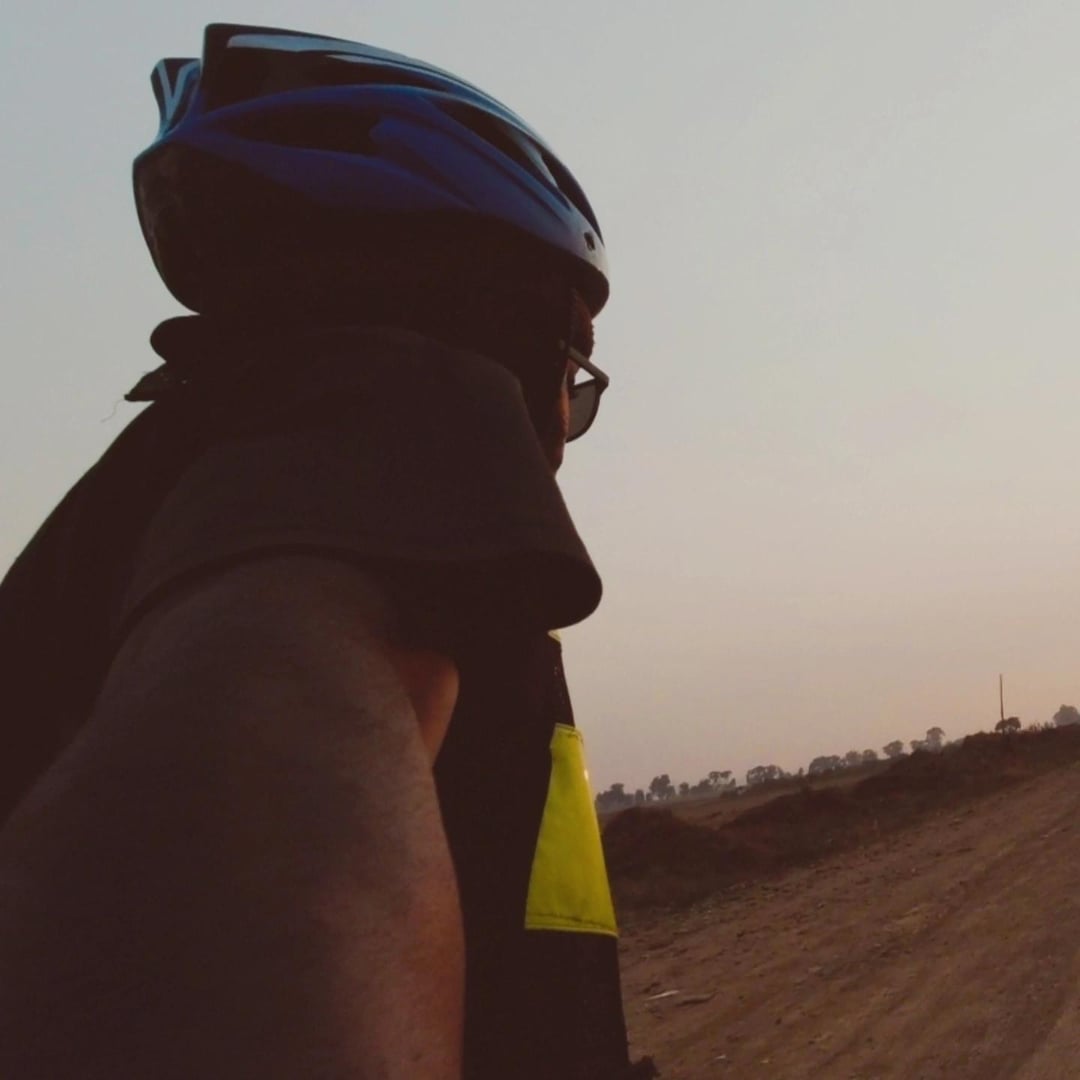
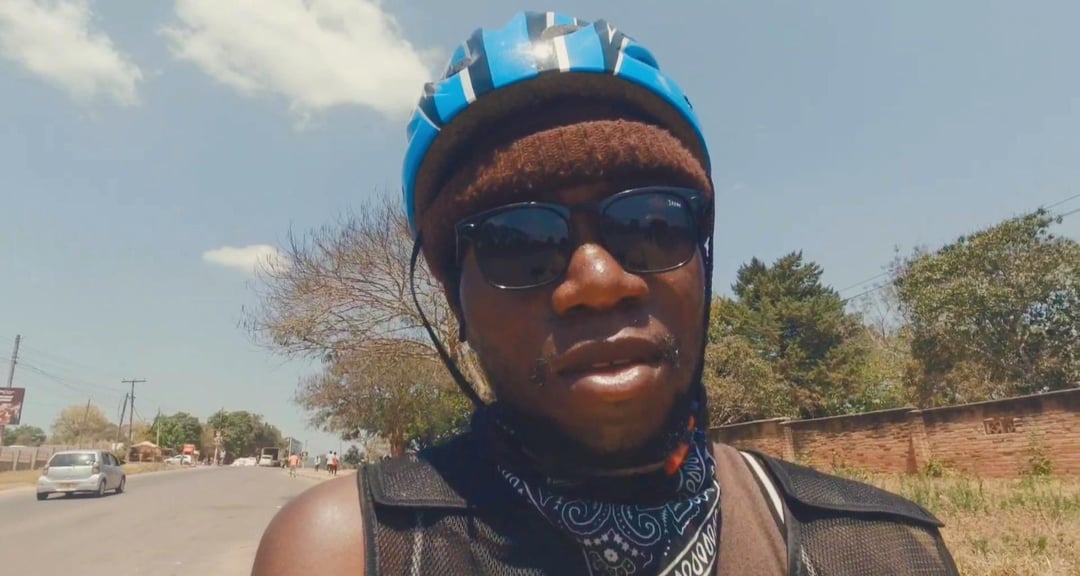
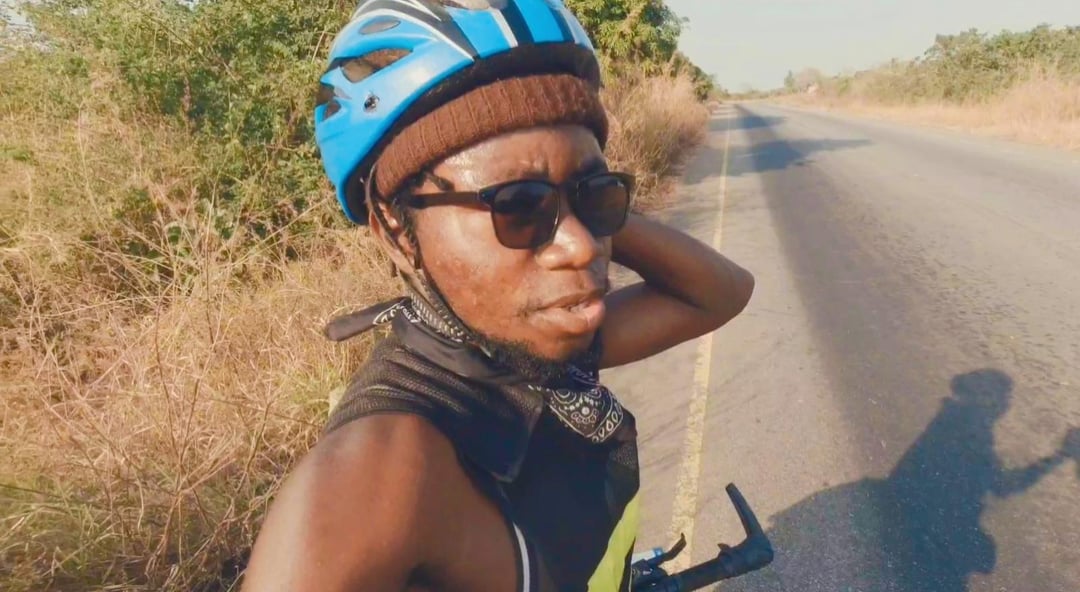
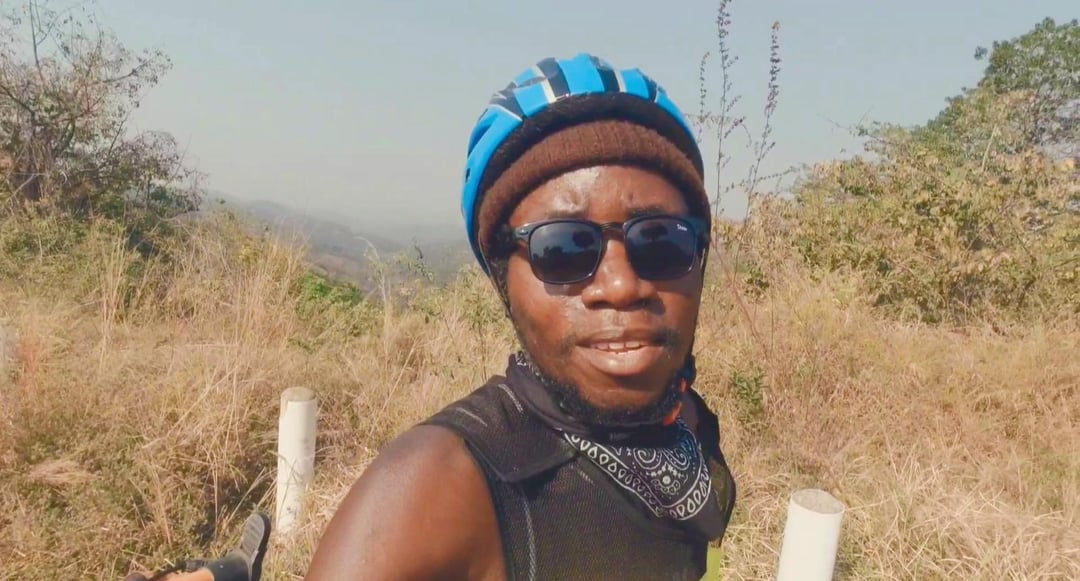
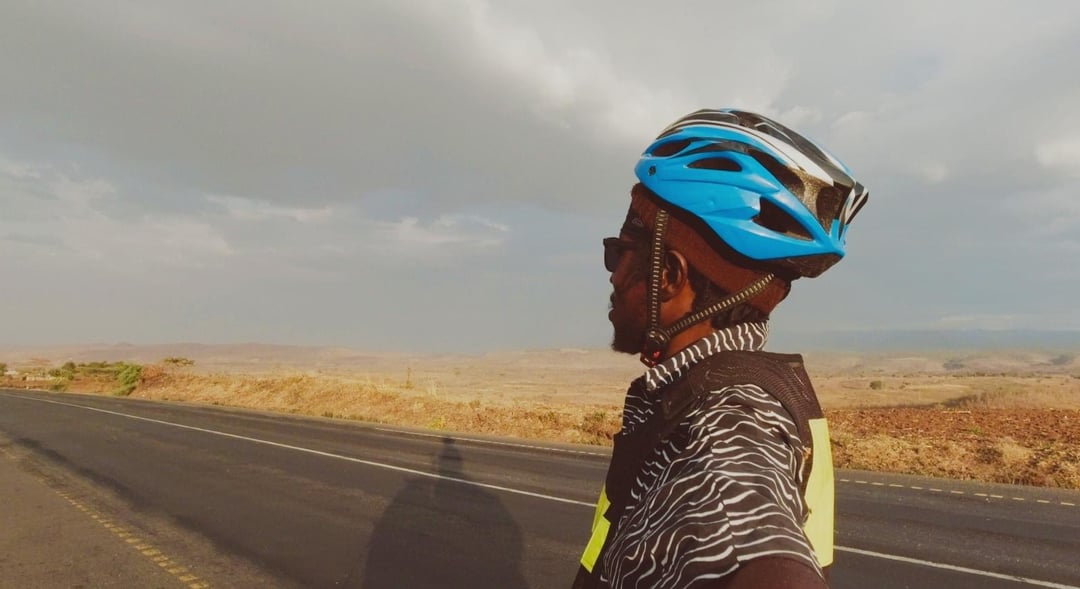
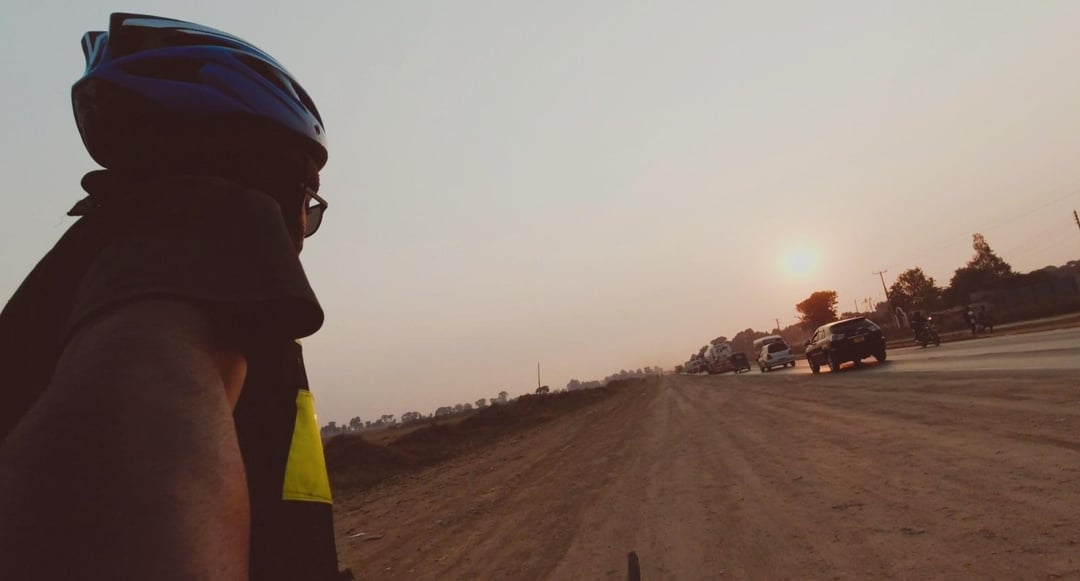
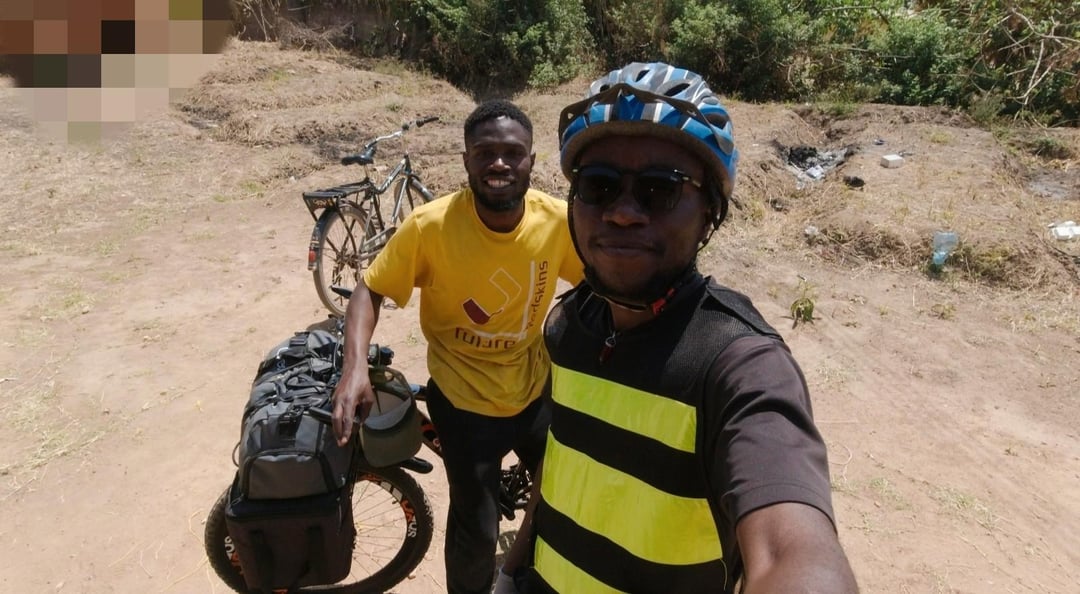
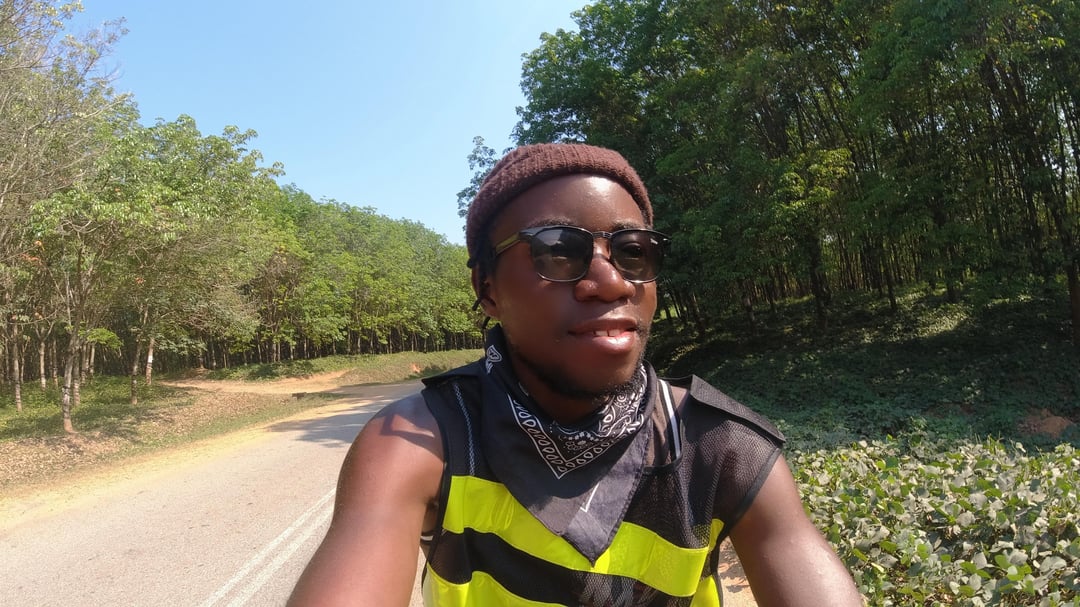
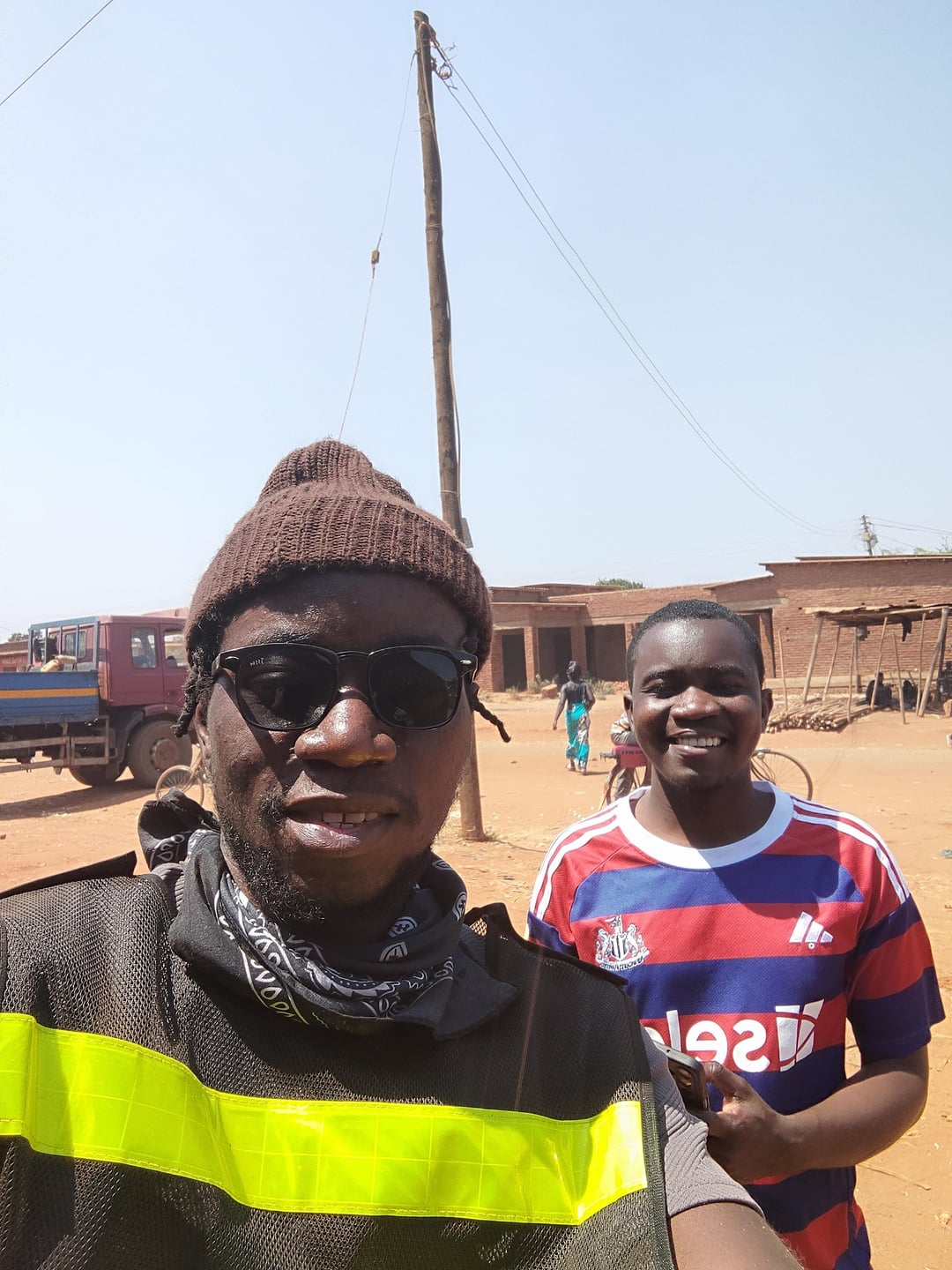
My journey began a while back in 2017 when I first discovered bicycle touring. Before that, I only wished there was a way I could cycle forever and enjoy the freedom I felt whenever I was cycling even to shorter distances. So by 2020, I began wondering how I could pull this off. I began by researching as much as I can and to my surprise, there were a lot of people doing this, except almost none were black like me. I am not trying to make this about race, but it scared me because I knew that came with both advantages and disadvantages.
In Africa, and Zambia to be specific, I grew up seeing our white brothers and sisters passing with panniers and bicycles and I always wondered "where do they go?" Seeing long distance travelers by bike was not strange to me, but I never saw even one black person doing it. I'm aware times have changed, but the truth is none of my brothers did it like we saw Westerner brothers and sisters do it.
Being black and African with such ambitions is almost like a taboo in the environment I grew up in. Questions like:
-Why would you want to do that?
-Are you mad?
-That’s for white people.
These would always come up when I was telling my friends and family about my then-upcoming trip. I knew I had to face all that head-on because if it was up to them, they wouldn't even let me go.
THE COLD START
After months of research, finally, it was time for me to go and face the wild. I didn't do any training or trials whatsoever. I remember there was a group from the CTC WhatsApp group who was going in the same direction I wanted to go (up to the north), but I guess they were too afraid to trust me enough to tag along. I reached out to Reddit and announced I would be doing this journey, asking if anyone was interested in joining me. No one joined me; all I got was well wishes and good lucks.
I bought the bus ticket from Lusaka to South Africa because I really wanted to start from there. After reaching SA, I didn't even have time to rest because I had so much excitement. Immediately the next morning, I was already on the road. The first few kilometers were fun and exciting, not knowing what was ahead of me.
THE GRITTY REALITY AND LOGISTICS
Let me be honest with you: it looks easy until you do it. This journey is not for the faint-hearted. There were days I spent just pushing through the sands of Namibia with no electricity and no way to charge, I was carrying a solar panel that stopped working upon reaching the third country. In my bags, I carried all the food I needed and barely had any money left for anything else. By the time I reached Malawi, I had the equivalent of about K150 left, which is like a mere $7 in my pocket.
MY INVENTORY: FOOD: Rice, cooking oil, sugar, spaghetti, soya chunks, milk powder sachets, 1 tin of coffee, some bags of oats, and hot water soup sachets of different flavors.
COOKING: A small pot, a small knife, and a firewood tripod stand. I used kerosene for starting firewood because throughout the journey I cooked only using firewood. (And no, I didn't start any wildfires because I’ve known how to do this since childhood.)
WATER: Two bottles of water, each 2.5L.
ELECTRONICS: A DJI Osmo Action 1, Rode Wireless Go 1 mics, mic adapter, 10,000mah power bank, and chargers. I used a Xiaomi Pad 5 for editing 4K footage and a small itel feature phone that would last weeks on one charge.
CLOTHING: I started with a lot but gave most away. I settled on 3 shirts, a reflector vest, 1 short, 2 trousers/pants, 1 pair of slippers, 5 pairs of socks, a beanie, a hat, a winter jacket, and 1 raincoat.
TOILETRIES: 4 rolls of large toilet paper, toothpaste, toothbrush, body lotion, powdered soap for washing, 1 roll-on, and 2 bars of bathing soap.
CAMPING: A cheap camping tent, a small blanket (no sleeping bag), and an inflatable single mattress which I only used once.
MECHANICAL STRUGGLES AND HUMAN KINDNESS
I didn't carry any spare tires, which I regretted later. In Malawi, I started having multiple punctures because the tires were worn out. Luckily, I have a really close friend in Malawi who hooked me up with the spares I needed to continue.
In Tanzania, the bike’s hub axle broke in half due to the weight. I almost got stranded in the middle of nowhere until a friendly guy showed up and offered to buy a new one for me for free.
Throughout the journey, I experienced kindness of all sorts, as well as judgment. Because this was very unusual behavior for a person of my color, I would sometimes be suspected of ill intentions by locals, which was scary.
SURVIVAL AND COMMUNICATION
Every time I reached a village, I had to get permission from the village headman or chairperson before setting up camp. I slept on the side of roads, in school football pitches, and occasionally in unfinished buildings when my instinct told me it was safe. In more developed countries, I simply camped in people's yards with their permission; they would often offer me food and engage me in conversation.
The language barrier was also a major factor. Starting from Tanzania, Kenya, and Uganda, there were barely any English speakers. Communication was a headache even with Google Translate because it doesn't get Swahili right. I had to rely on reading signs and connecting what people were trying to say.
REFLECTIONS FROM THE JOURNEY
One of the hardest parts was the unplanned situations, I lost a lot of footage when my first memory card got corrupted. It hurts my soul to think about those lost clips from the start of my journey in the south.
I could go on and on, but I share this story to inspire someone. You don't need much to do this, but you must expect pure grit. It will forge you and change you to the point where you will never see the world the same again; it will strip you to the real you.
I'm now planning a full world tour and this time I will be fully prepared.
You can watch the videos of this journey on my YouTube channel while I work on editing more episodes.
Any questions are welcome in the comments, my last post was called AI slop so I toned it down on the motivational talk and focused more on the story.
by Maximum-Fox-4593
4 Comments
Thank you for posting this! Such a journey you’ve had!
What a journey and a story. Proud of you. 👏
Wow, what an amazing journey. What is next for you?
Seriously cool stuff man. Where are you most excited for on your world tour?
I’m so glad you didn’t listen to the haters when they said cycling is a white person thing. That’s so self-defeating and very not true (at least globally). I am sure you’ll inspire others to seek the freedom you experienced!
When you plan your global adventure, be sure to check out warmshowers.org. It costs like $3 USD/month but it means all across North America most nights you can sleep somewhere comfortable, safe, free, and often with a home-cooked meal. It’s a really cool organization and, while I’ve never used it, I’ve only heard good things. Be careful in the US, by the way. There’s a lot of misplaced hatred of cyclists here. Definitely do plenty of research on long-distance cycling here before you come.