
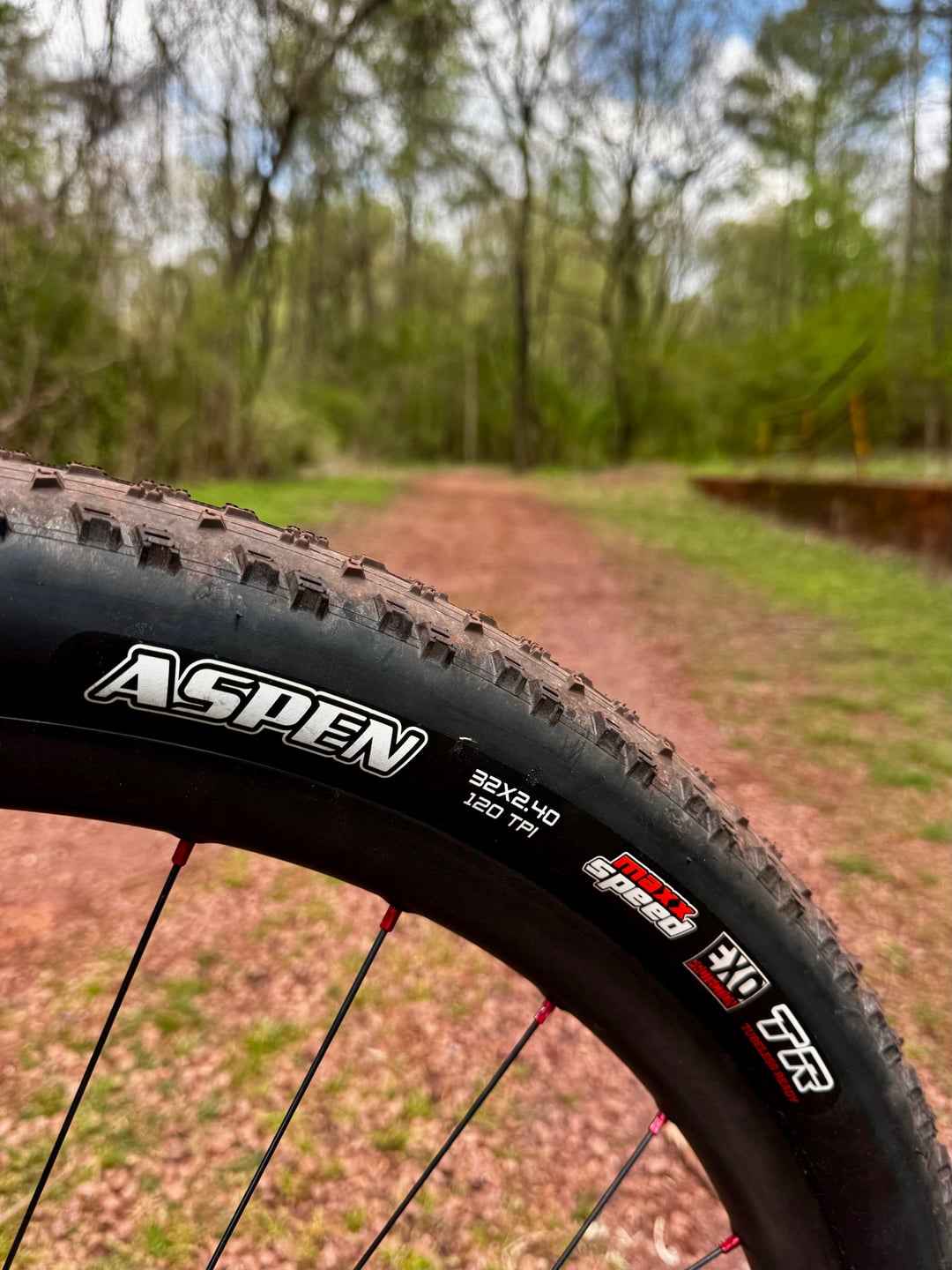
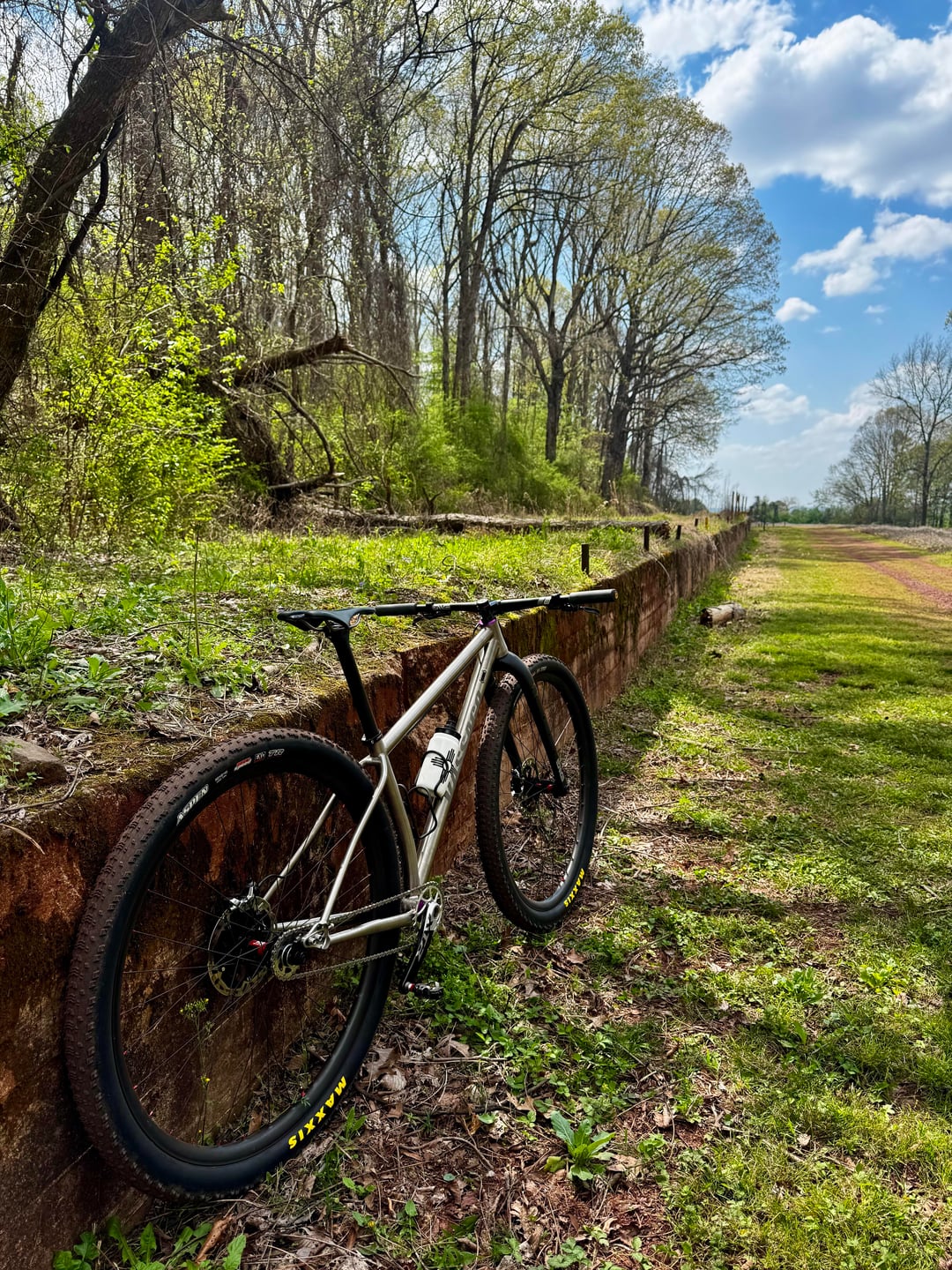
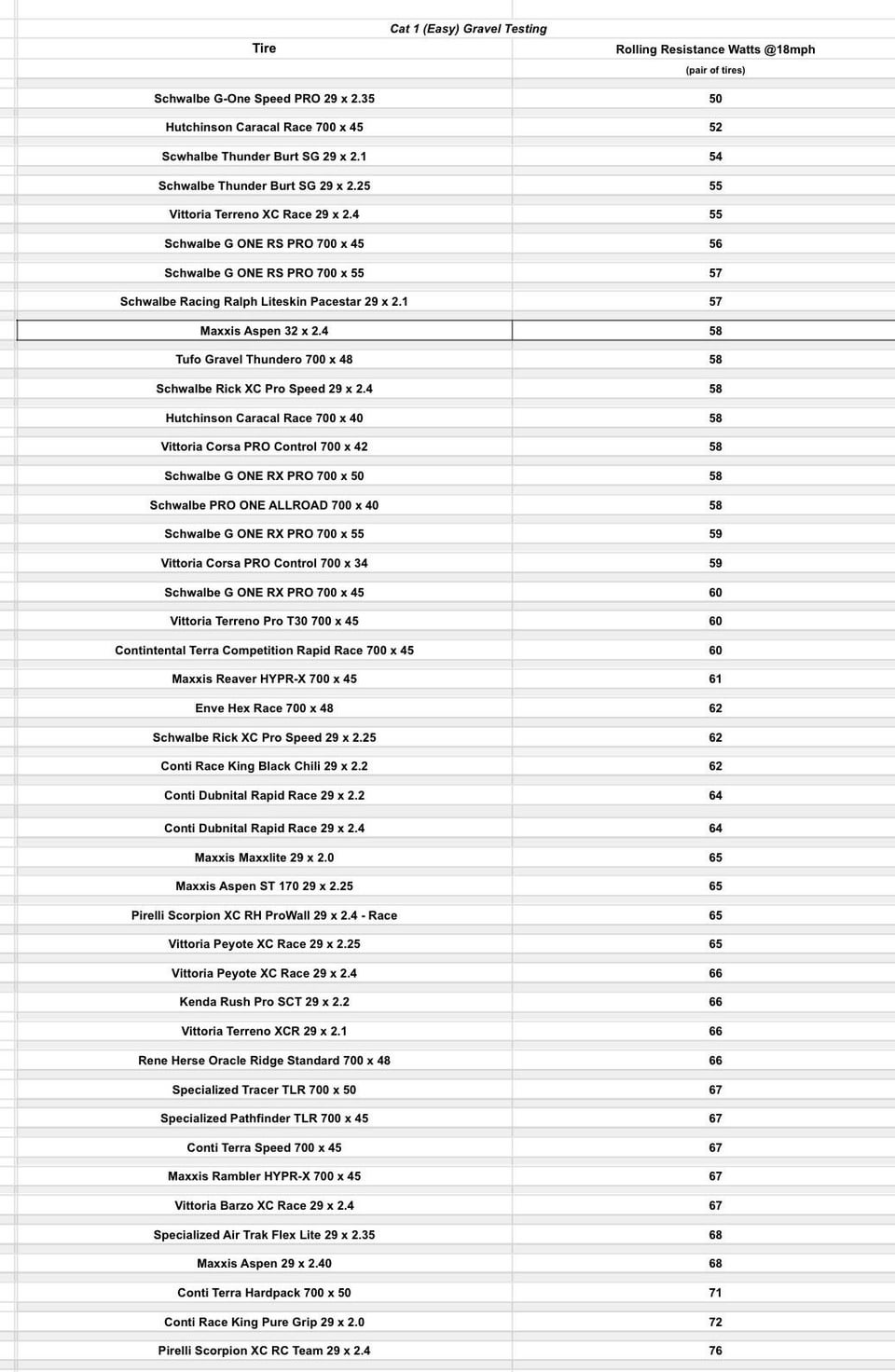
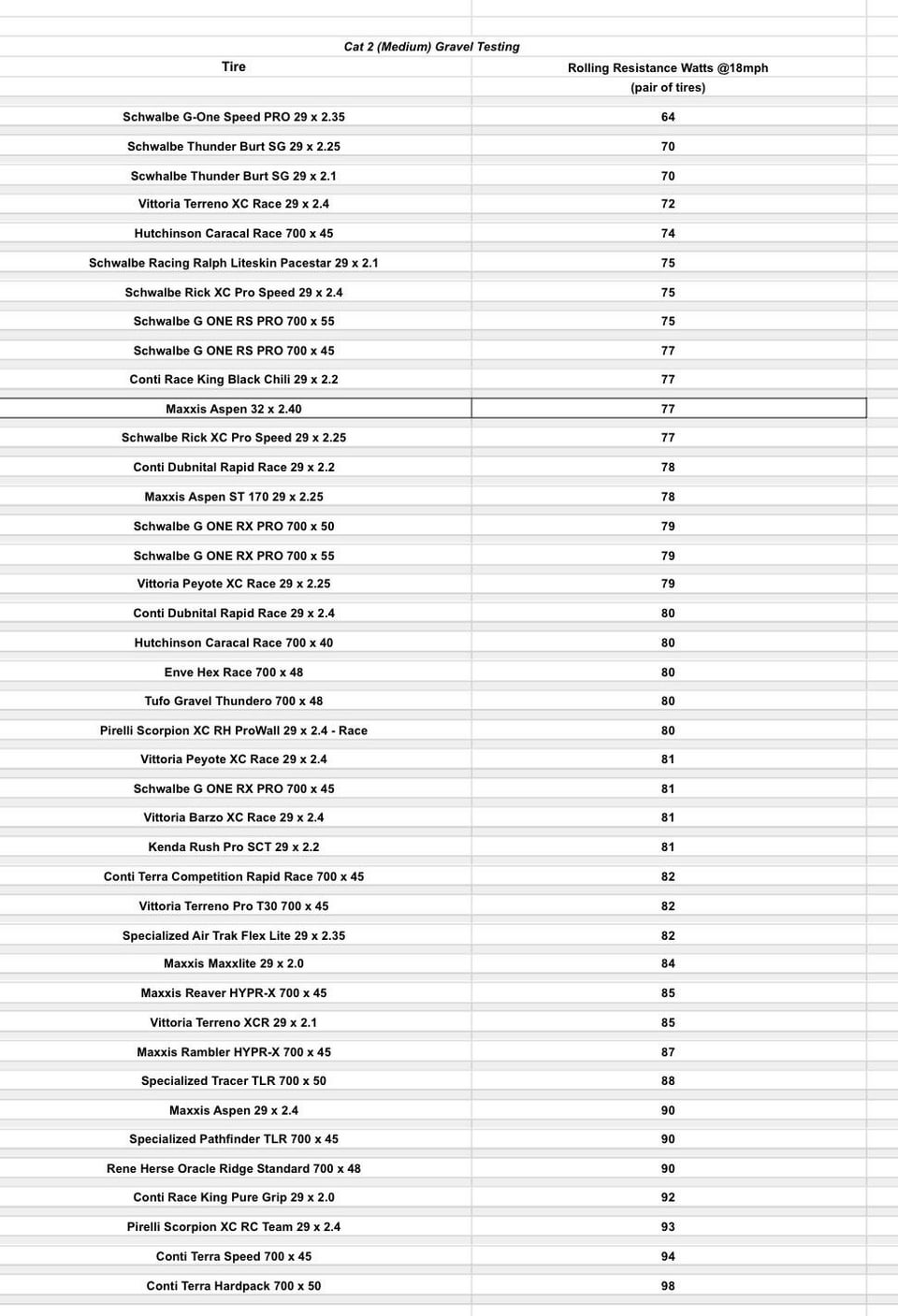
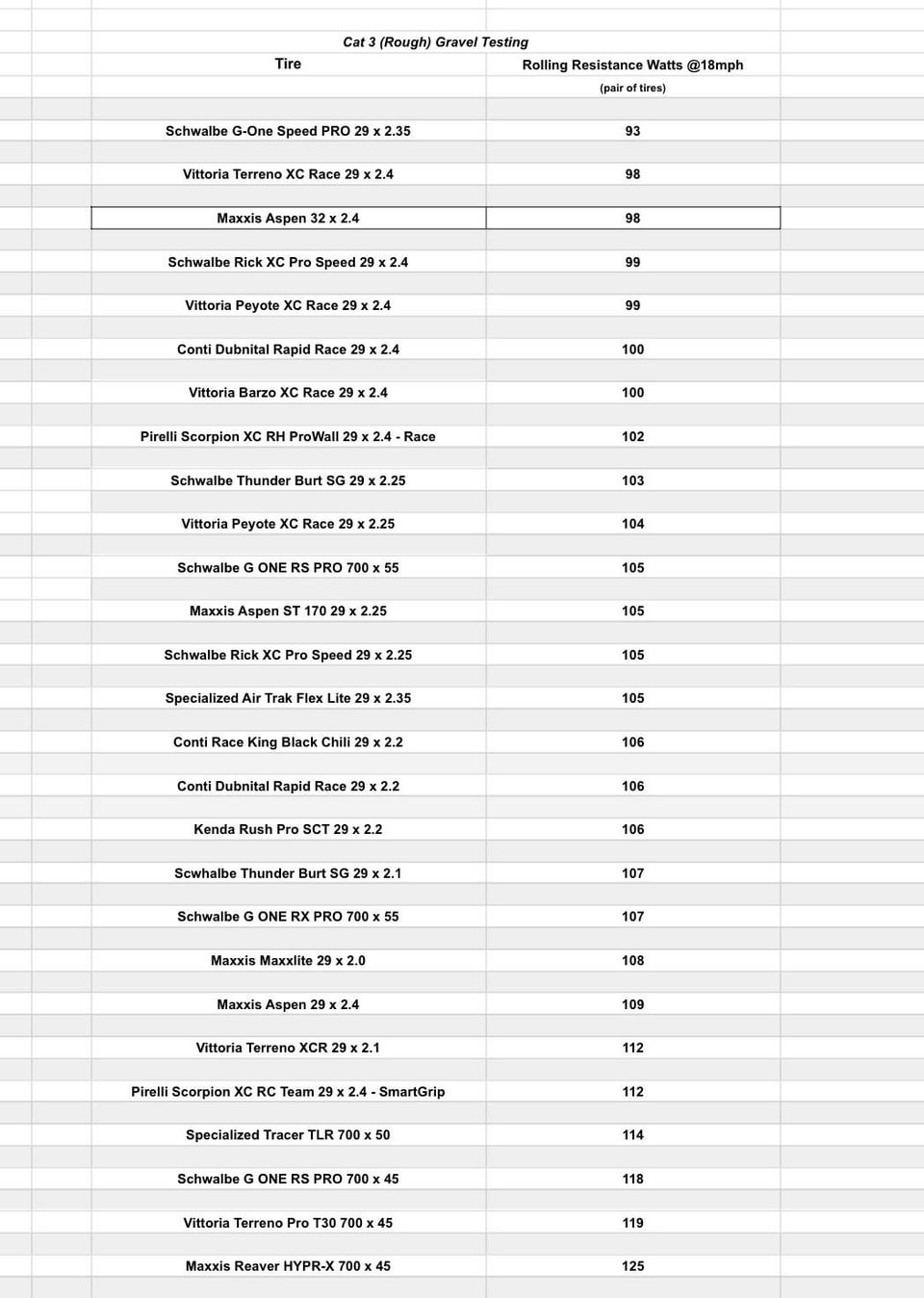
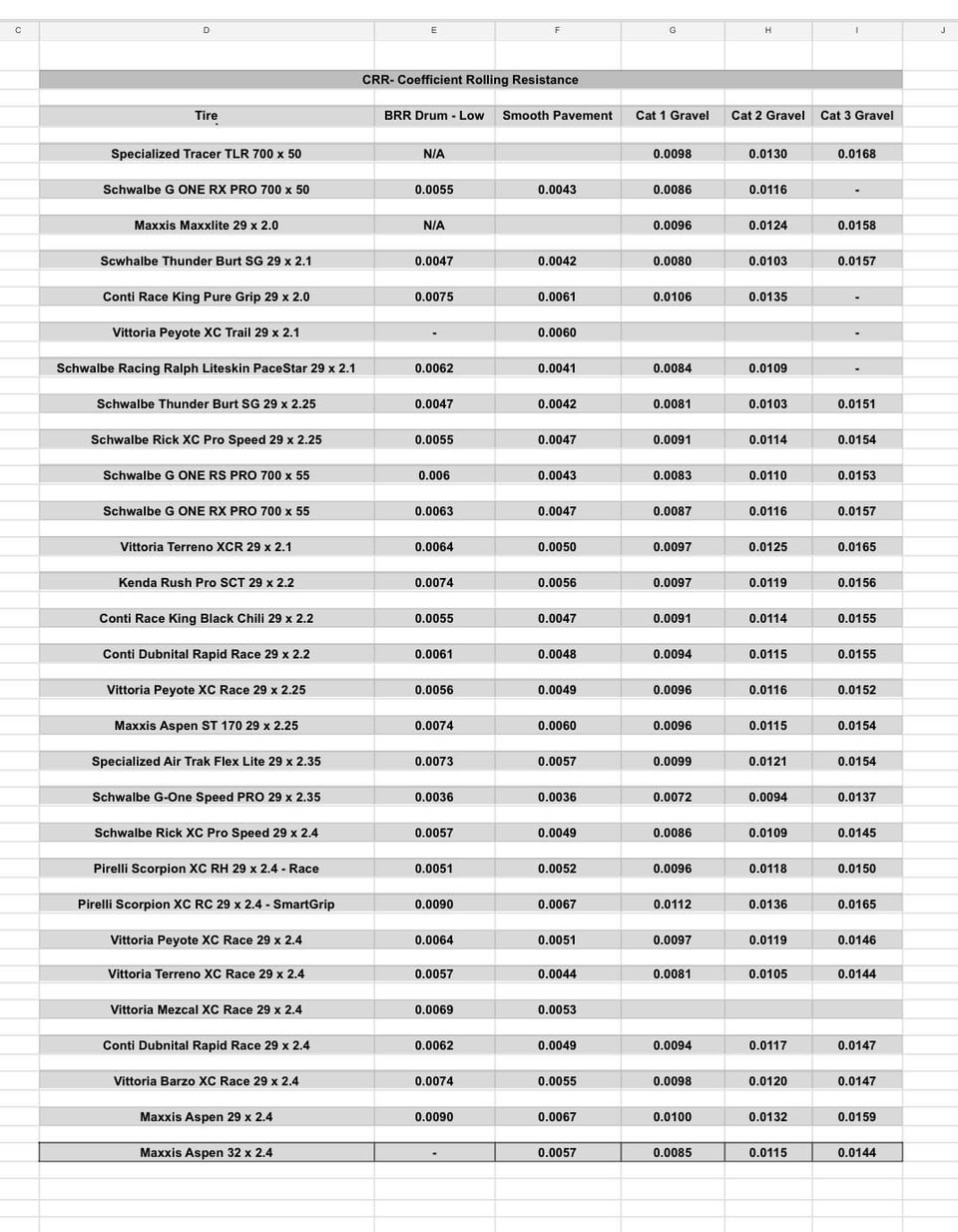
32 inch tires for off road usage aren’t new per se, but a mass market tire with a performance intention definitely is, and Maxxis opened the pathway to further development with this tire over the last two years. Opinions are readily available, but most of us want to know more. Do 32 inch tires offer a clear performance advantage or is this merely another case of the bike industry telling us we need something new?
(No, these probably won’t fit a gravel bike with 700 x 45 clearance in case it wasn’t clear.)
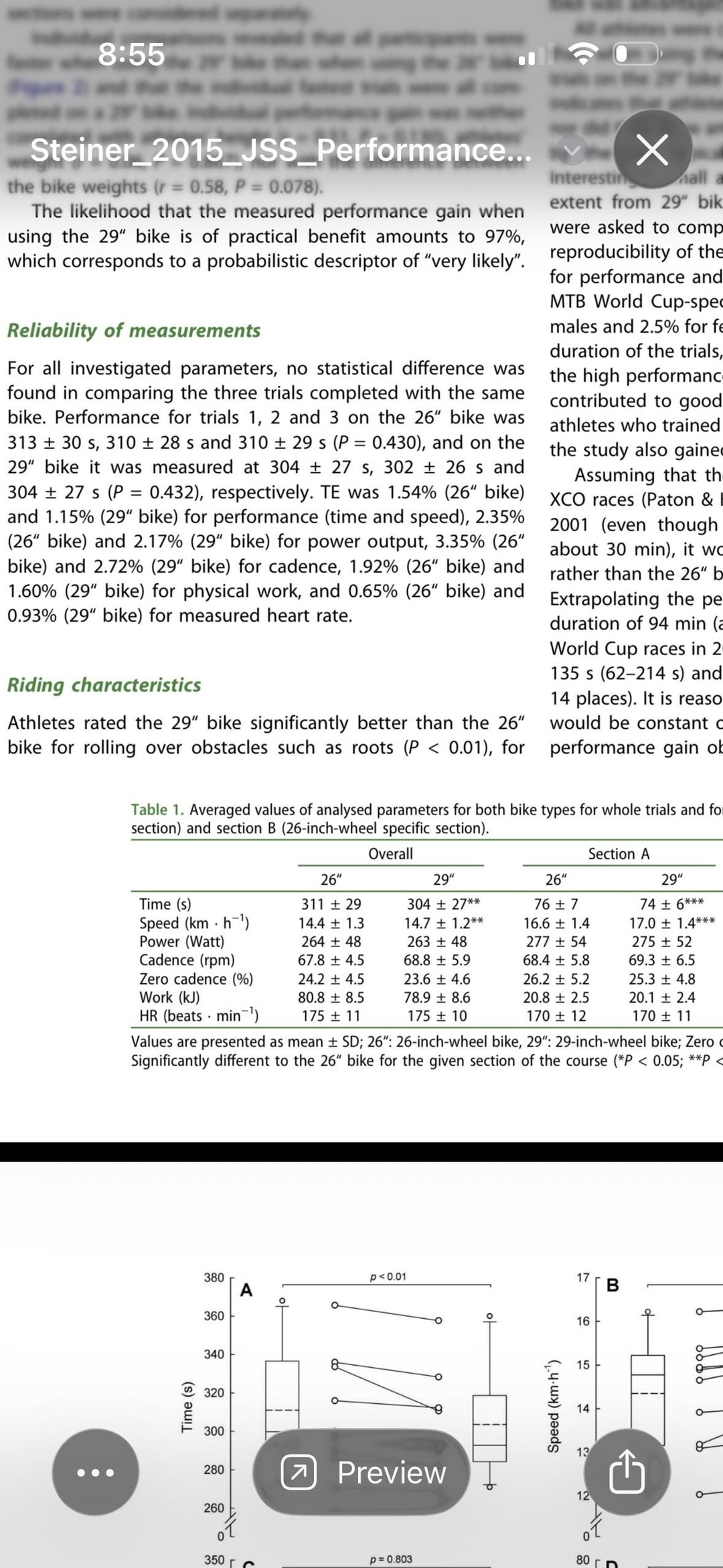
The research on pure tire diameter impact is somewhat limited as relative widths often vary, as well as appropriate pressures. A 2015 Swiss National Team study on 26 vs 29 inch wheels is the best I have seen and is quite clear on the advatage of 29 inch wheels for MTB speed.
I have been testing these 32 x 2.4 Aspens back to back with 29 x 2.4 Aspens as I never actually finished testing the 29s when I first started on them last year. Many would expect the larger tires to roll over rough spots better, but the story here is way beyond that. Let’s take a look.
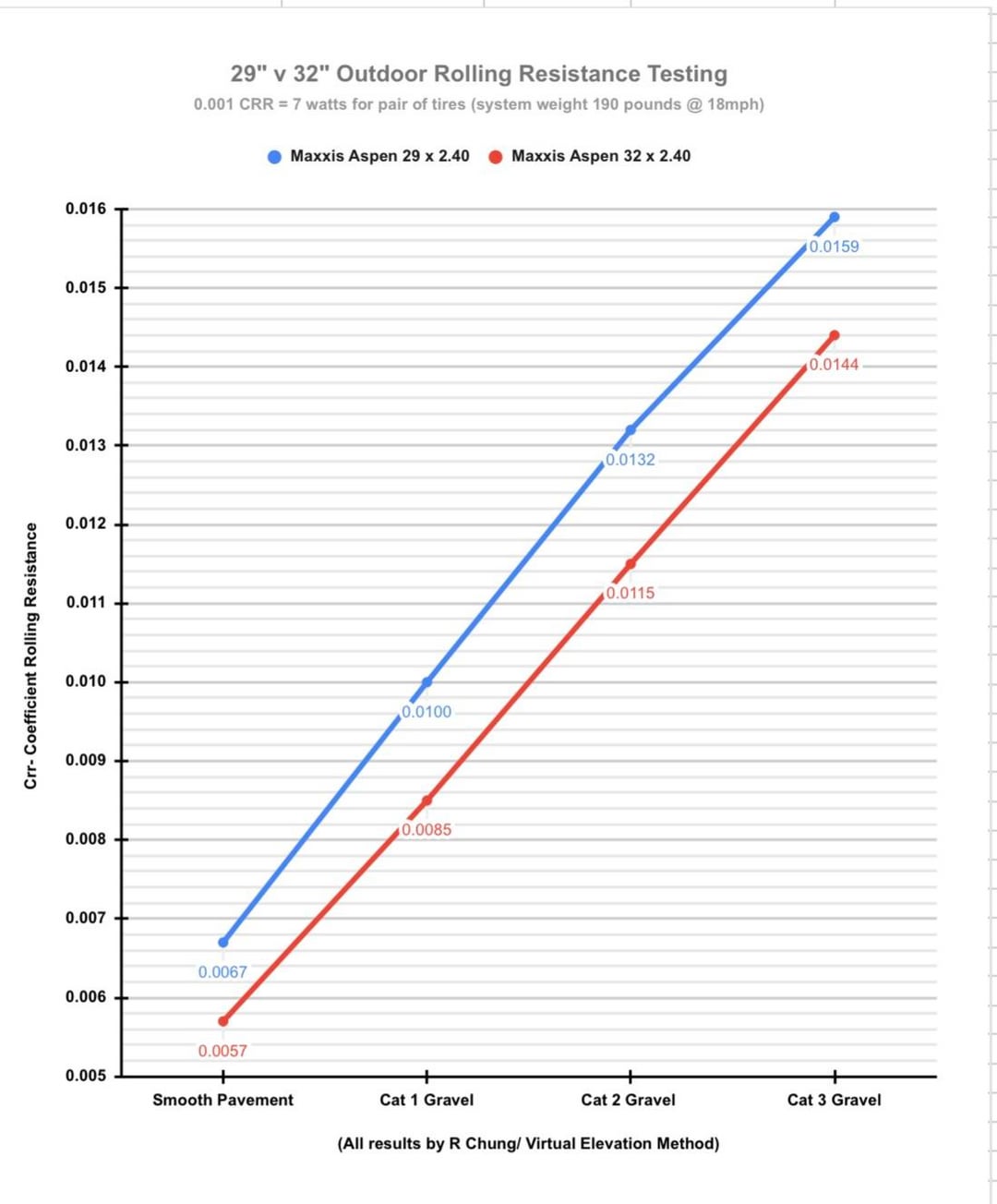
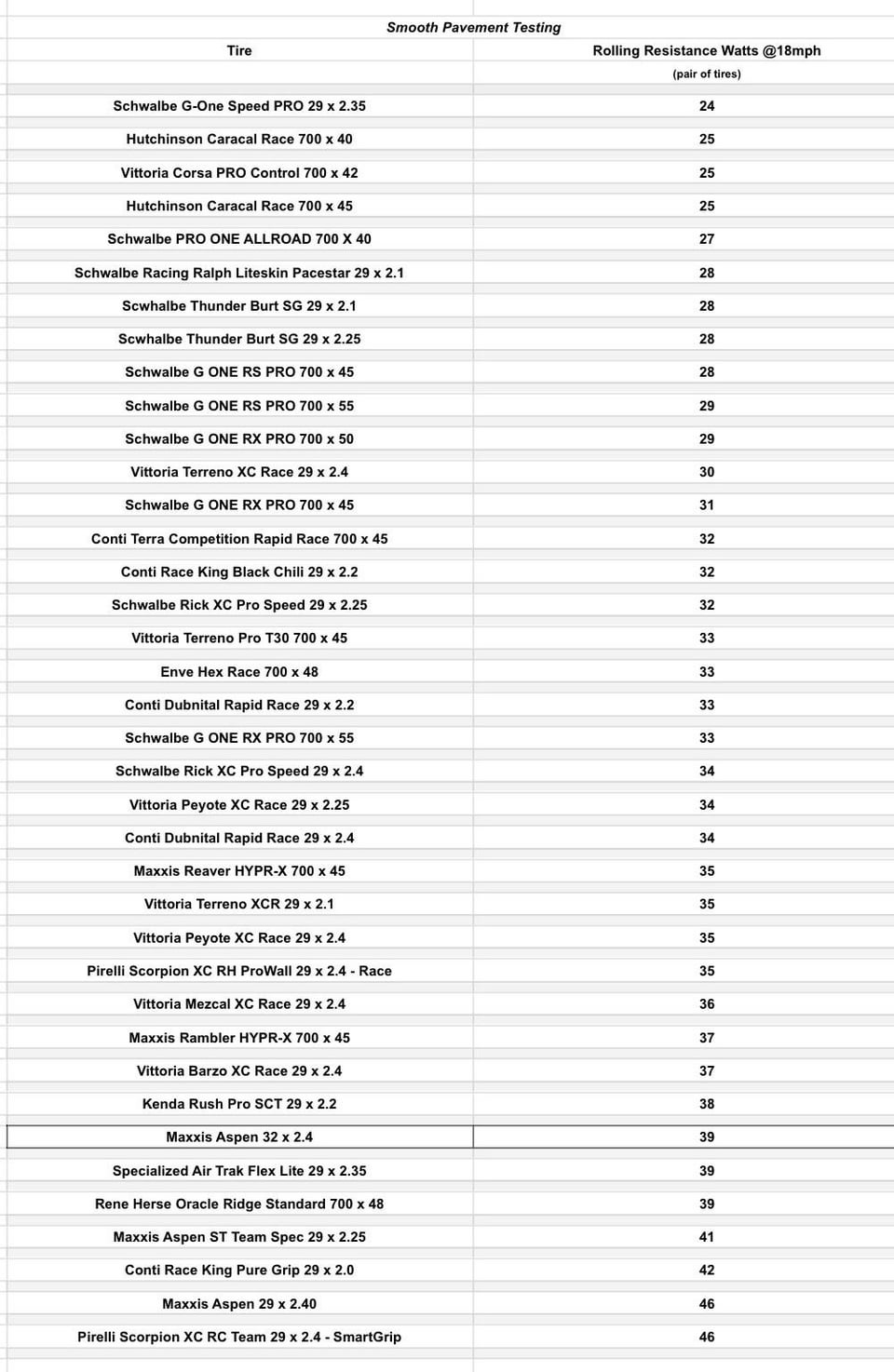
The 32 inch Aspens roll faster than the 29 inch Aspens on EVERY test surface, including very smooth pavement. These are not marginal differences, and WAY outside my testing margin of error. I ran the 32s about 1 psi lower than the 29s for all test rounds. Some folks would suggest a larger differential, but I felt this was a fair place to start. For all the aero nerds, the 32s are worse by around 4 watts at 40 kph and 2 watts at 32 kph.
Keep in mind, this testing is purely rolling resistance. It’s good to consider other factors like climbing and descending ability, rider comfort, and cornering performance in the total picture of off road speed…This certainly won’t be the last 32” focused test round for me!
All testing presented here is my own outdoor Chung Method / Virtual Elevation testing. Wattages are calculated from tested CRR values.
Everyone wants to know…what pressure am I using? Obviously, larger tires will require lower pressure than smaller ones to get the best speed and handling in general…especially off road. The Wolf Tooth Advanced calculator (it goes to 32” now btw) is very good in my usage for gravel and mtb tires. The Rough Gravel setting seems to get quite close to best pressure for not only rolling efficiency (yes, even on gravel that’s not super rough) but also comfort and handling. I will start with that based on the measured tire size, go ride some, recheck pressure once the tire warms up, then reasess the setting based on how the tire is riding. If it feels obviously harsh, go down 1 psi…. If it feels squirmy or I am smacking the rim on hard hits, I will go up 1 psi, maybe 2 in that situation. Often I end up sticking quite close to what the calculator says initially but it isn't written in stone. Rolling efficiency is actually almost identical (reference some testing I posted spring 2025 for this graphically) across a bigger span of tire pressures off road than most realize, which means it is quite easy to get the pressure where the tire will be fastest…the rest is fine tuning to rider preference. Even though I’m testing, I am also enjoying being out there so take the extra steps to see how the tire performs best. Ultimately there is no magic “best” pressure… it is up to rider preference with no real speed penalty unless you really mess it up one way or another, and that is a big reason I am explaining this in such detail. It’s not to justify my results, it’s to encourage folks to keep an open mind about how they set their tires and get the best ride possible. All the Smooth Pavement testing I do is with the tires set to the PSI I would use for riding on average pavement, so in practice about 5-7 psi higher than I would use for off road riding.
by gravykarrasch
5 Comments
🍿
In 2 decades MTBs will have wheels bigger than penny farthing fronts.
I just finished the latest bonk bros. Great work thanks for doing it.
Very interested to see if the trend continues when Schwalbe/Vittoria or one of the other fast 29er/700c tires get a 32″ counterpart. Any indication if this is a structural change like between a lot of mtb and gravel tires or just due to the larger diameter with the same construction as the 29″ version?
Goddamn, mainstream 32″ gravel bikes cannot come fast enough