
Hello. I am the Japanese user who previously posted in this subreddit about an old type of tire used in Japan and East Asia.
Today, I would like to share a more detailed summary regarding these tires.
Structure
The structure of this tire type is as follows:
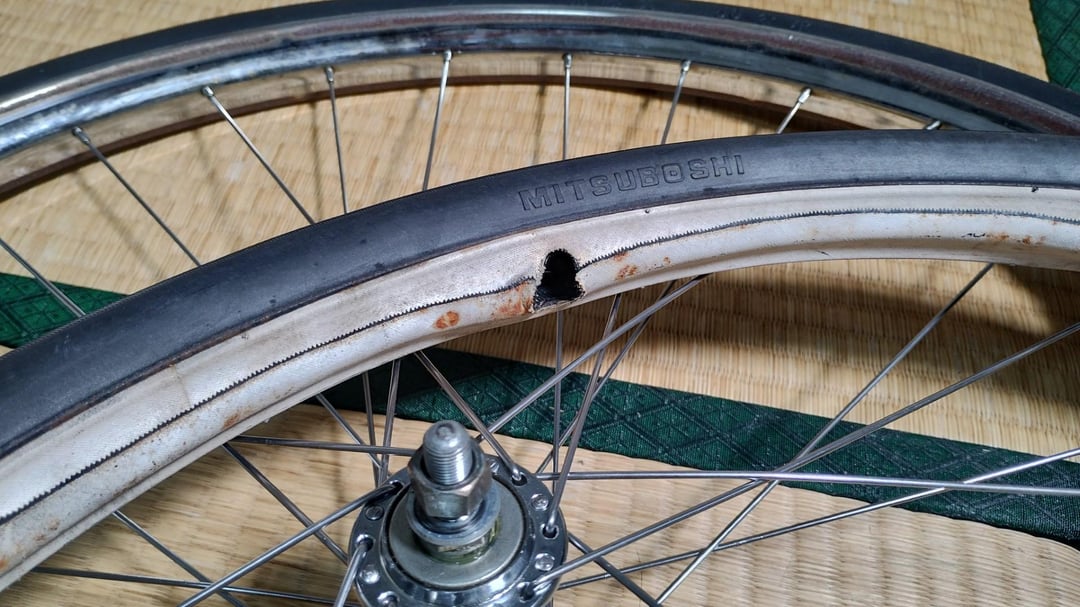
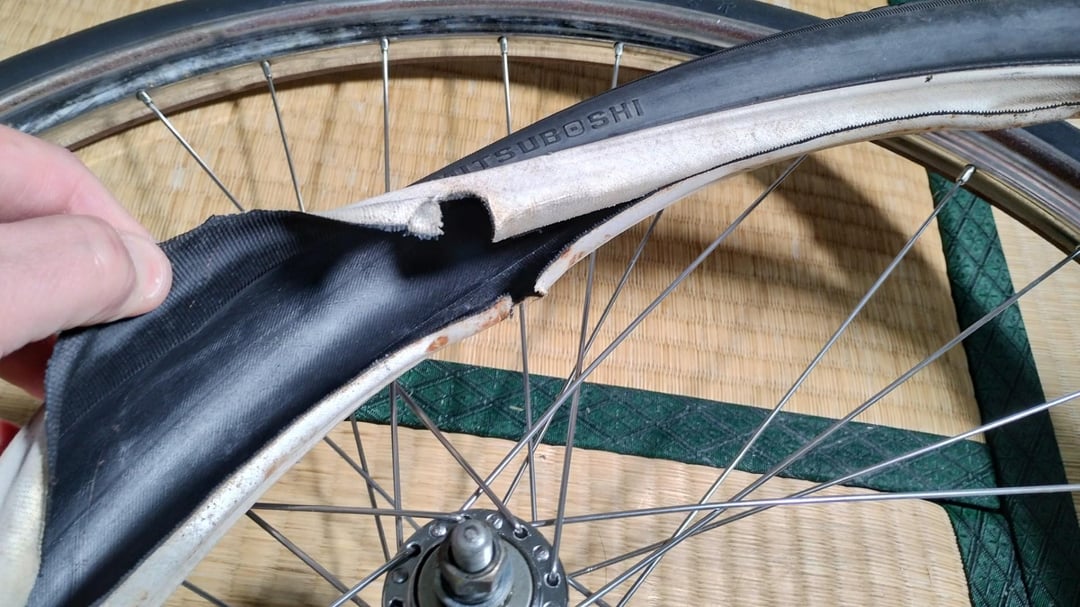
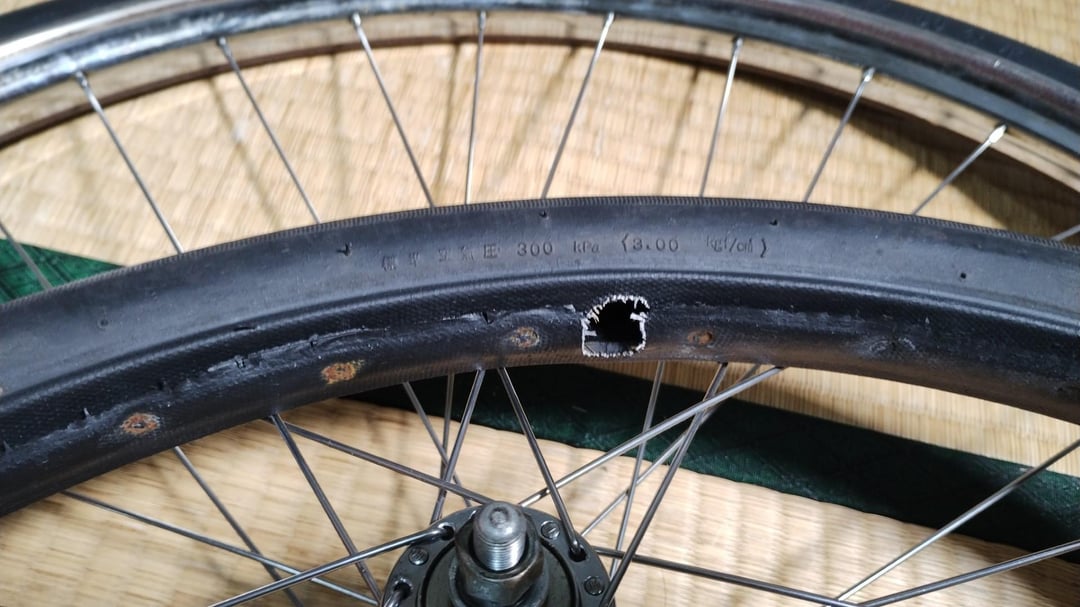
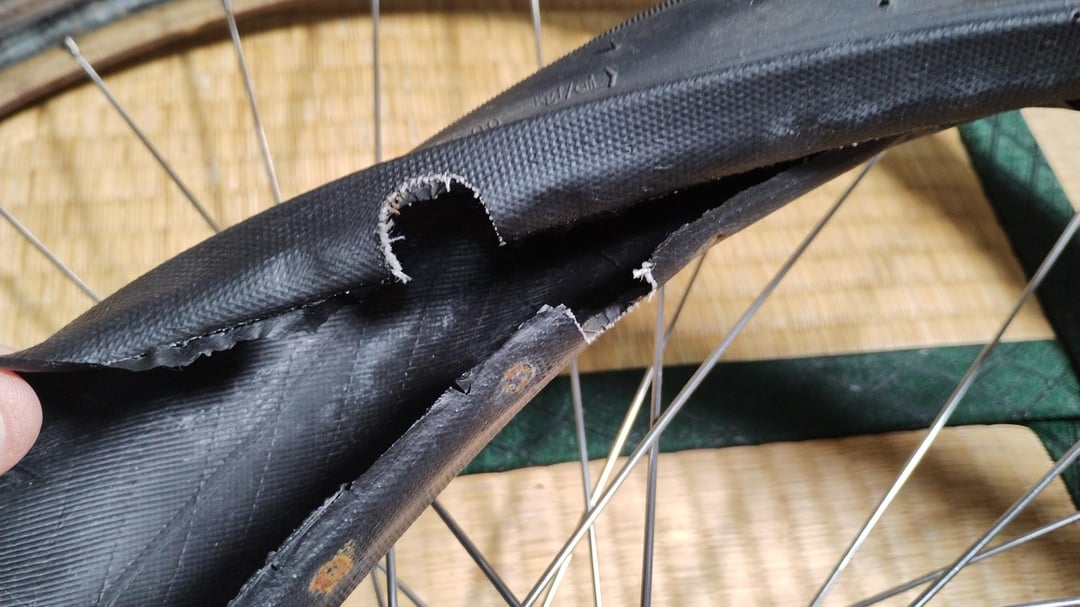
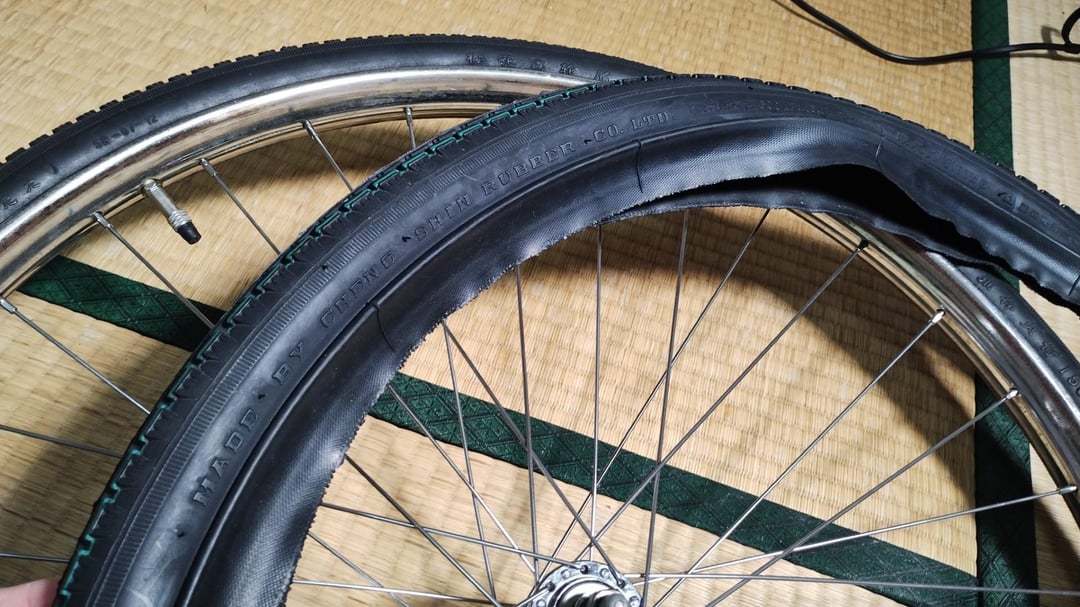
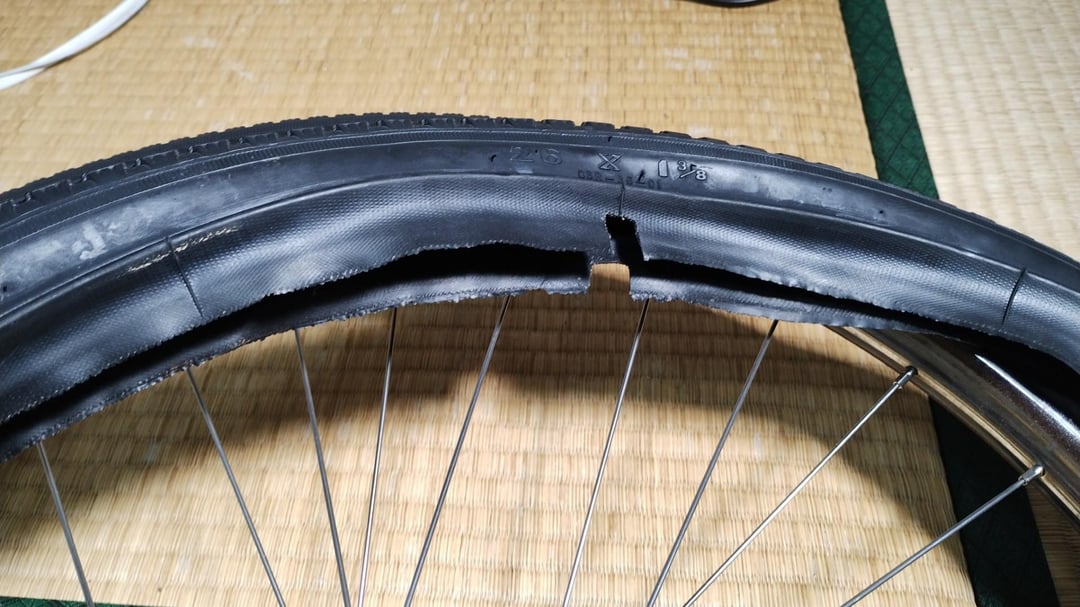
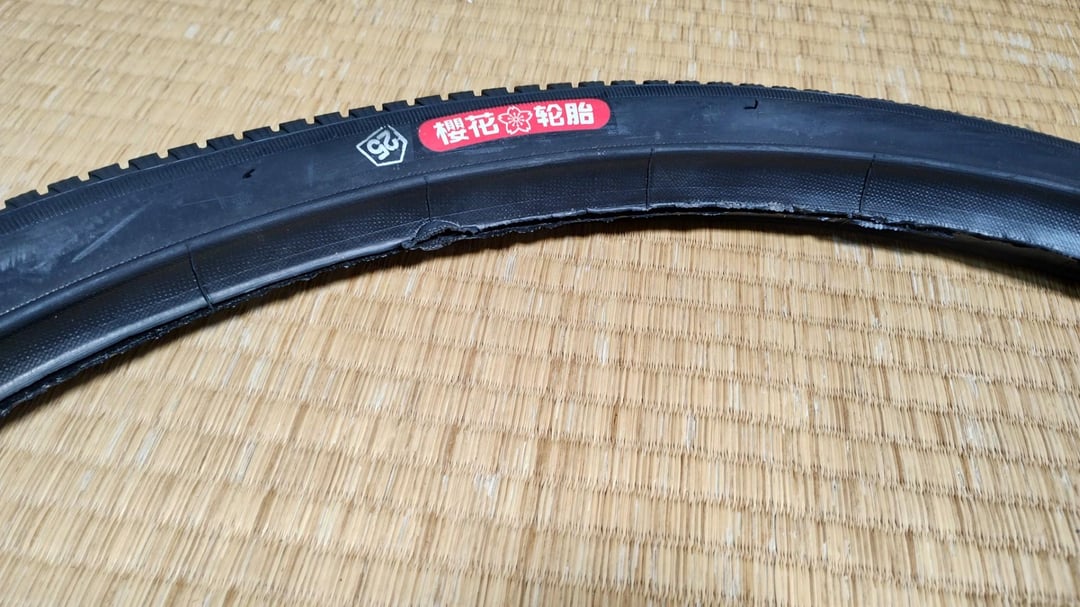
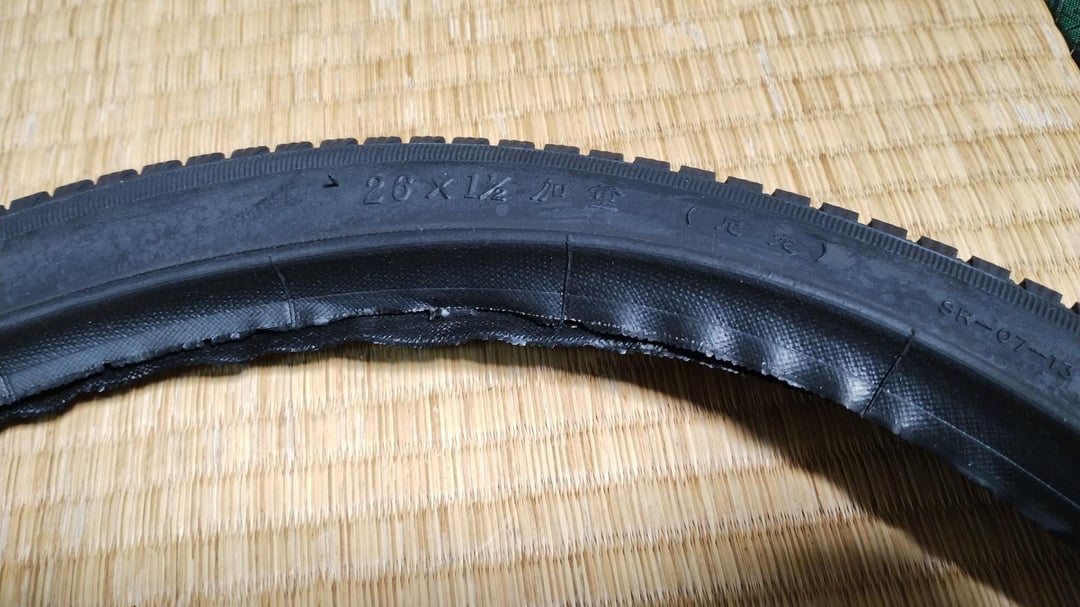
- Flat rubber flaps extend inwardly from the tire beads.
- When installing on a wheel, rim tape is not used. Instead, the left and right flaps are wrapped around the rim bed to overlap. These flaps protect the inner tube from the spoke nipples, serving the function of rim tape.
- It forms a shape similar to a tubular tire, but without being sewn together.
- You need to cut out the valve section of the flaps before installation.
Japanese Name and History
In Japan, this type of tire is called "耳付きタイヤ" (Mimitsuki tire). The Japanese word "耳" (mimi) usually means "ear," but in this context, it refers to the "crust" (like bread crust) or the "edge/selvage" of the material.
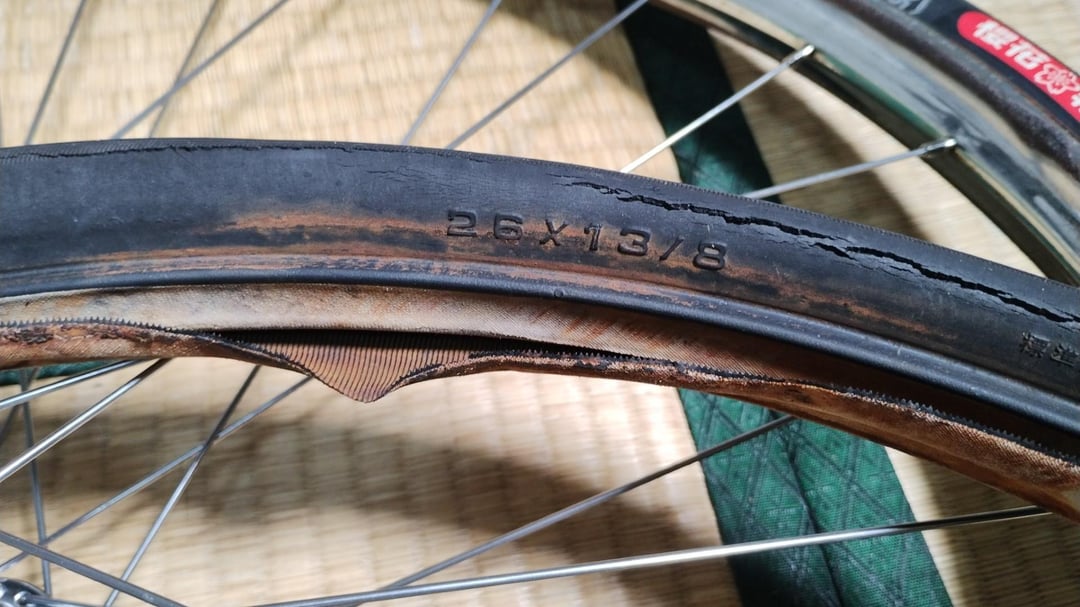
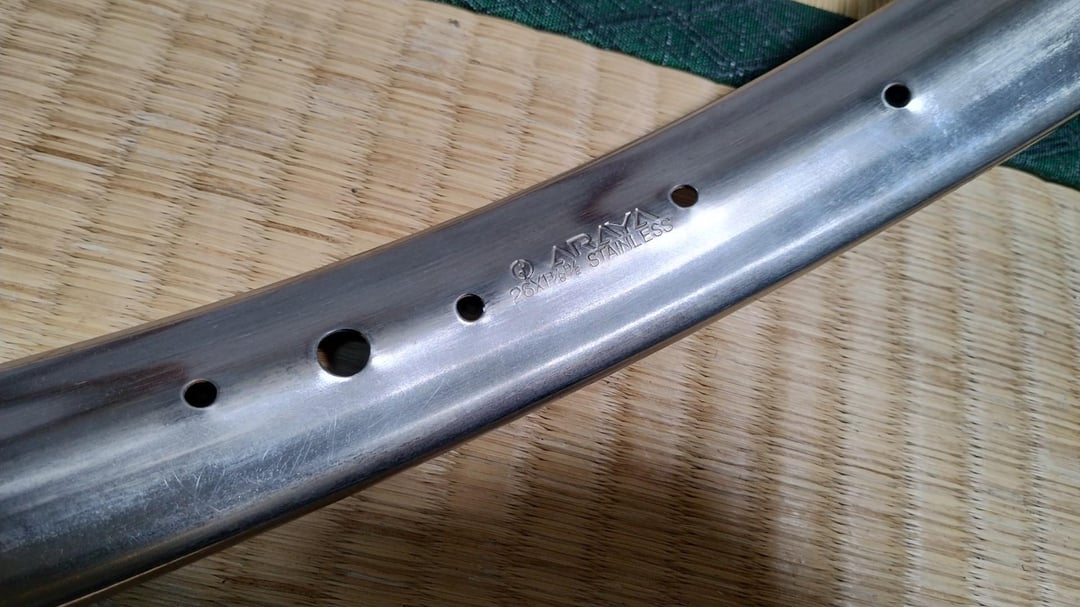
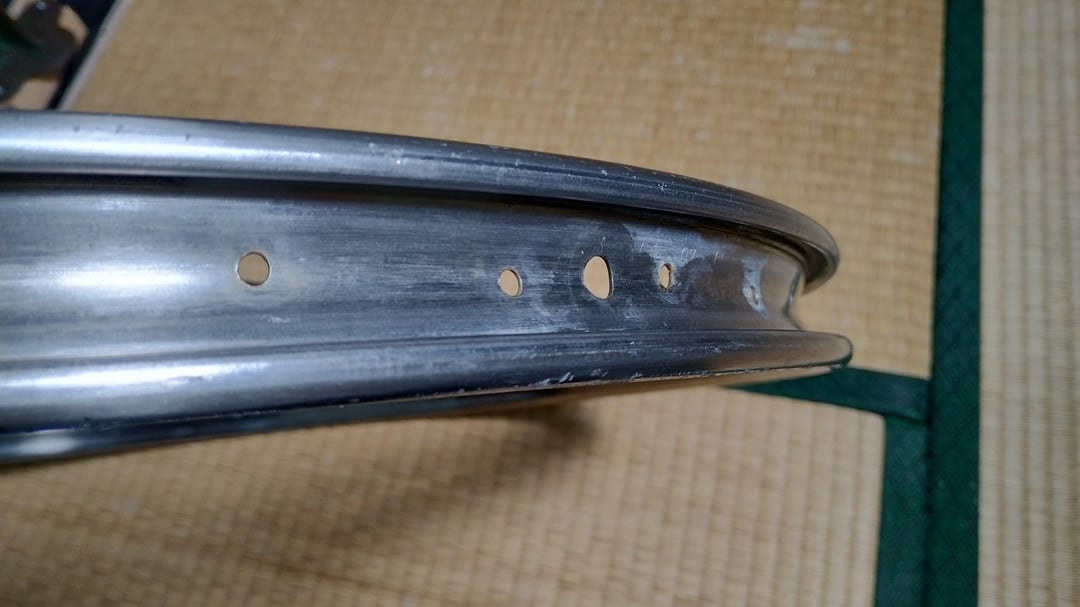
Technically, they are classified in Japan as "BE tires" (short for Beaded Edge tires). The tire and rim shown in the image are the 26×1 3/8 BE standard. It is important to note that this is a completely different standard from the Wired On (WO) 26×1 3/8 (ETRTO 590, 650A) found on most city bikes.
The Japanese bicycle industry began by copying bicycles imported from the UK. It seems this specific 26-inch tire and rim standard survived as a remnant from copying British utility/cargo bicycles.
In Japan, bicycles using this tire type were sold as new vehicles until the early 2000s. They were manufactured by major brands famous for other bike types, such as Maruishi, Miyata, and Bridgestone. They were primarily used for heavy-duty commercial transport: mail delivery, newspaper delivery, and hauling goods at places like the Tsukiji Fish Market in Tokyo. I believe a major reason for the discontinuation of production was the administrative reform in the mid-2000s that led to the privatization of the postal service.
Current Availability in Japan
Currently, only the 26×1 3/8 size is sold in Japan. Other sizes likely existed in the past, but no new stock exists today. Until recently, IRC (Inoue Rubber Co.) in Japan manufactured them, but production has ceased. Now, the only available options are imports manufactured at CST's factory in China.
Chinese Name and Varieties
Although I am Japanese, I studied Chinese at university, so I often use Chinese e-commerce sites (which support payments from Japan and shipping to Chinese residents in Japan). I found similar tires sold there.
In Chinese, this type of tire is called "软边胎" (ruǎn biān tāi). The characters signify:
- 软 (ruǎn) = Soft
- 边 (biān) = Edge/Side
- 胎 (tāi) = Tire So it literally translates to "Soft Edge Tire."
Conversely, standard WO tires are called "硬边胎" (yìng biān tāi), which translates to "Hard Edge Tire."
While only 26-inch versions are available in Japan, 28-inch versions still exist in China. Regarding 26-inch tires, while 26×1 3/8 is mainstream in Japan, the main sizes sold in China are 26×1 1/2 and 26×1 3/4.
Compatibility
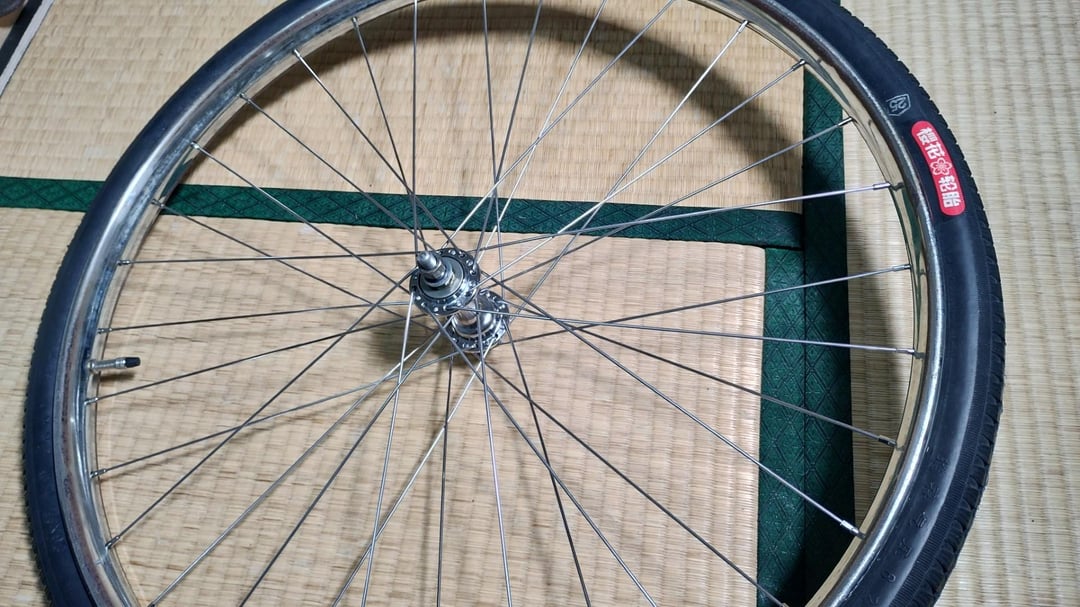
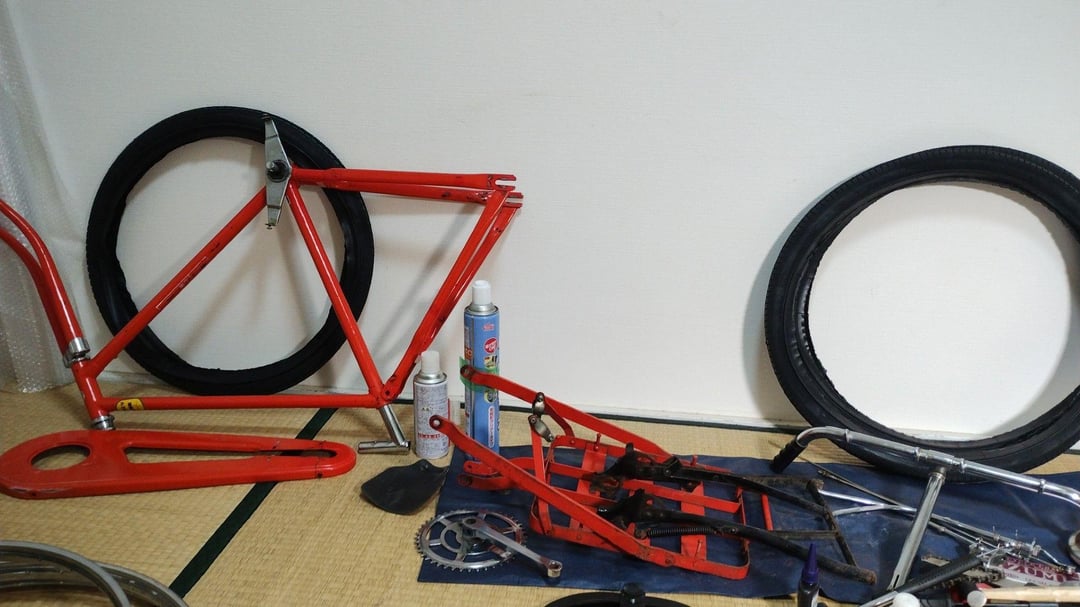
In the attached image, I have installed a 26×1 1/2 tire I personally imported from China onto a wheel from a Japanese mail delivery bicycle. As you can see, the Japanese and Chinese tires of this type are compatible. For the inner tube, I am using a standard 26×1 3/8 tube with a Dunlop (Woods) valve sold in Japan. It is slightly thinner than the tire, but I considered it within the margin of error and used the readily available Japanese generic product. (The reason I used a tube with a Dunlop (Woods) valve is that it is the standard for this type of utility bicycle in Japan. Although I personally use Presta or Schrader valves, I chose this because I might sell this bicycle after restoring it.)
The reason I specifically chose to install tires personally imported from China, rather than the CST ones currently available in Japan, was to test them as a potential substitute in case they stop being sold in Japan in the future.
Other Regions
According to a comment by user u/yankun0567 on my previous post, this type of tire was also used in Germany, Austria, and other Eastern European countries before World War II, where it was called "Wulstreifen".
Additionally, on a product page at classic-cycle.com, a similar tire is sold under the name "Beaded edge tires 28 x 1 1/2", so I assume "Beaded edge tire" is the correct English term. The page mentions it is made in Germany, so it seems this type of tire is still being manufactured in Germany as well.
Images
- Old tires: The old MITSUBOSHI (made in Indonesia) and SHINKO (made in China) tires that were on the used mail bicycle. Both are Japanese brands, but it seems that by the end of this bike's active service, they were no longer using tires manufactured in Japan.
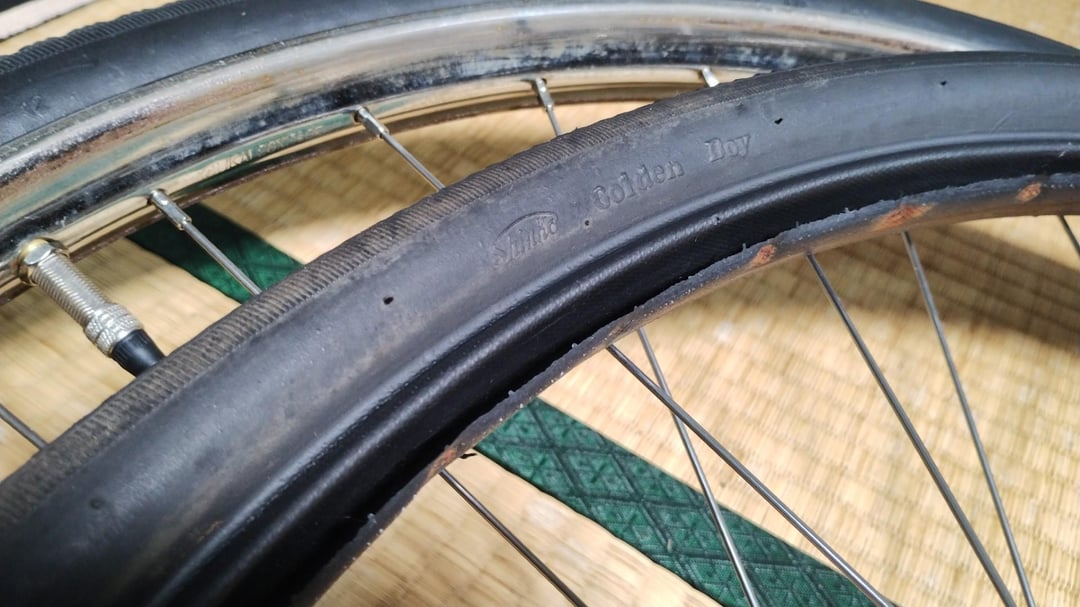
- CST Tire: The CST 26×1 3/8 tire currently sold in Japan.
- Chinese Tire: The 26×1 1/2 tire sold in China. It is a product called "樱花轮胎" (Yīnghuā lúntāi), made in Xiamen, China. The name means "Cherry Blossom Tire." Although CST and Chaoyang seem to be the larger manufacturers for this type of tire in China, I specifically chose this brand because the name "Cherry Blossom" (Sakura) suits a Japanese bicycle perfectly.
- Rims: The rear rim is made by Araya. It is stainless steel with 40 spoke holes (40H). The front wheel is 32H and uses a chrome-plated rim made by UKAI (another Japanese manufacturer).
(This post was translated by AI. I apologize if there are any unnatural expressions.)
by scura_vrc