
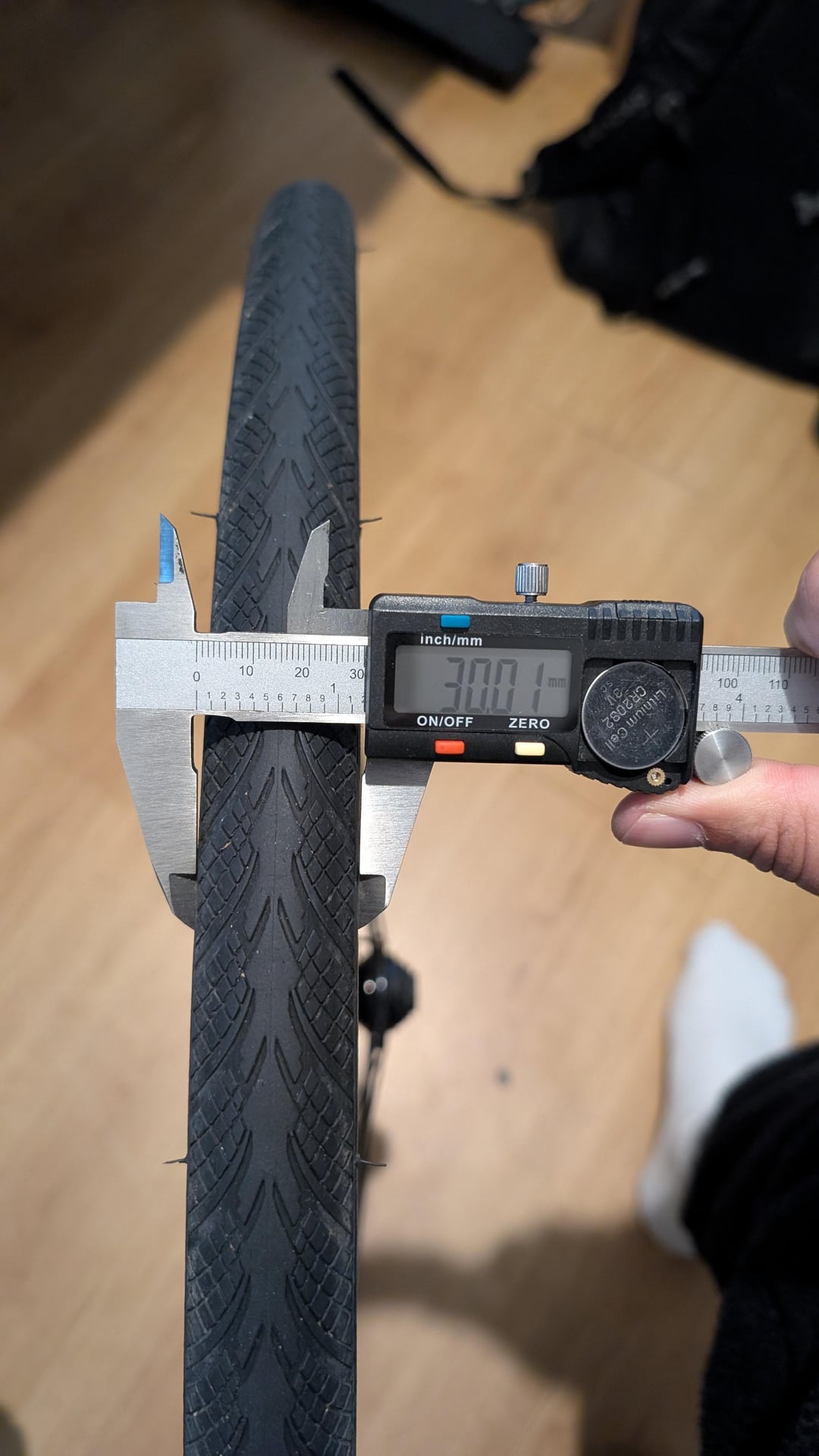
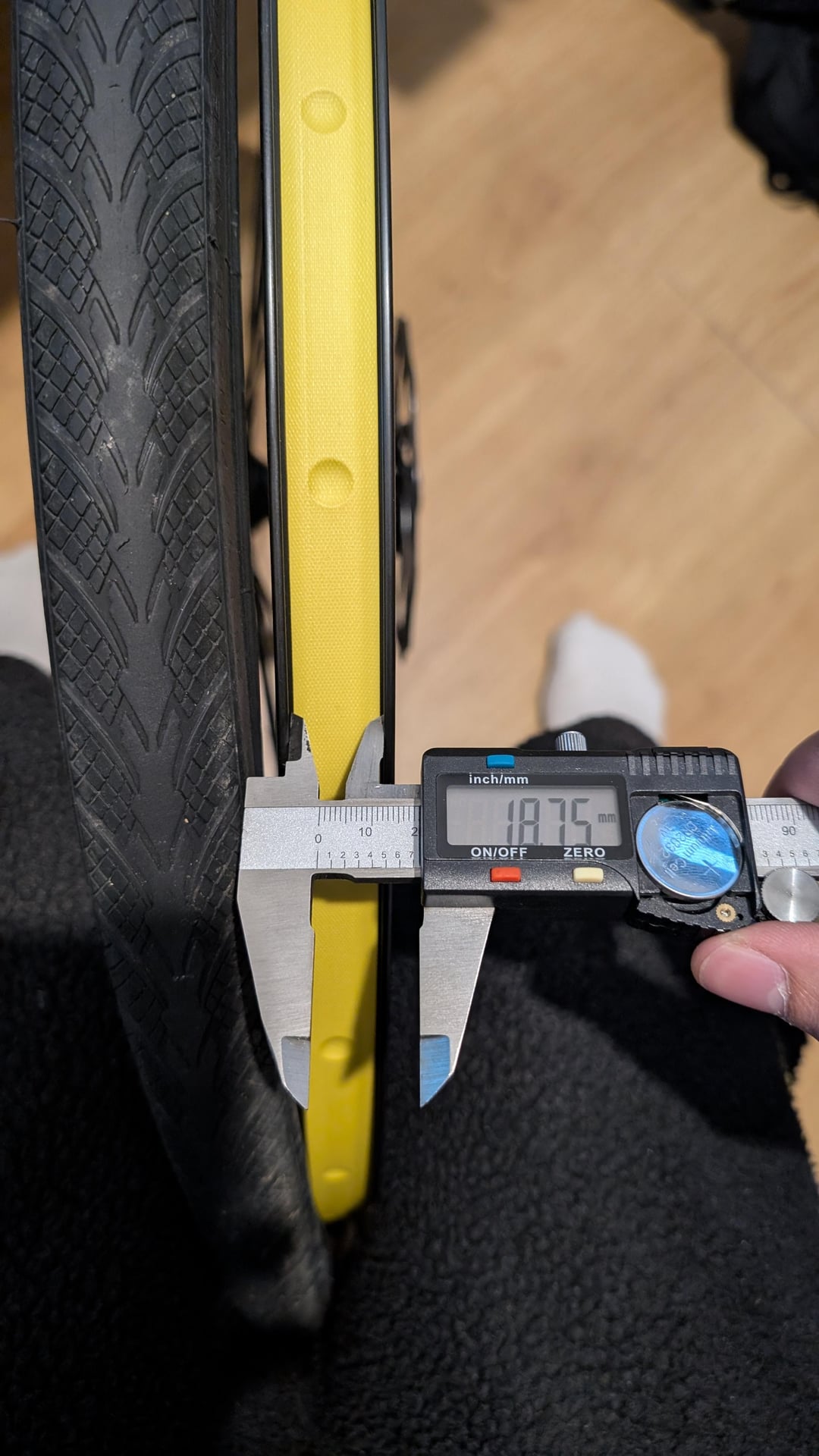
Rims are 622 x 19c measuring 18.75mm inner width
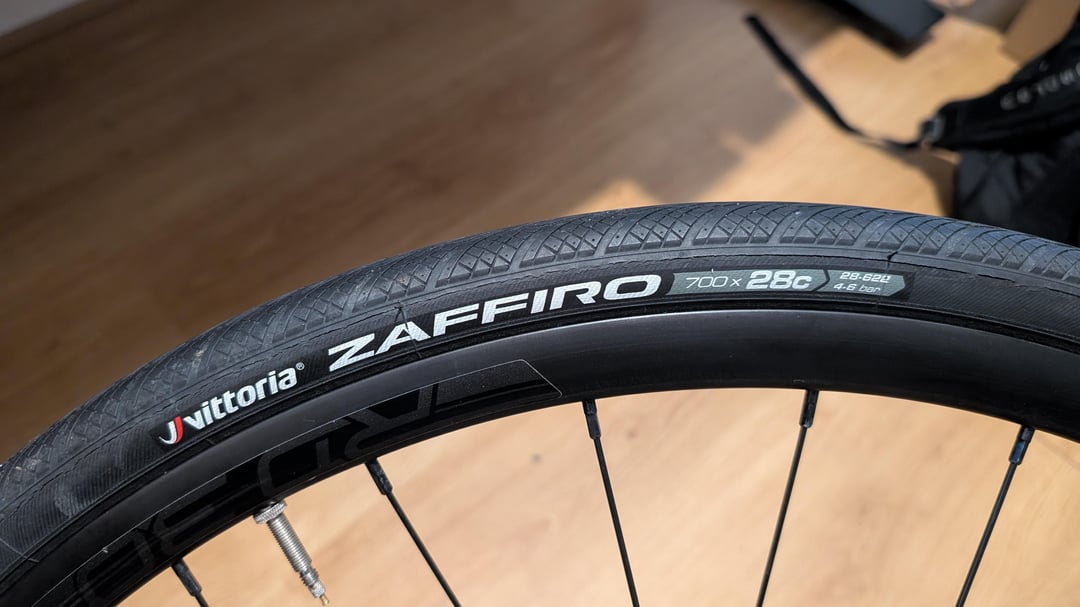
My current tires are Vittoria Zaffiros
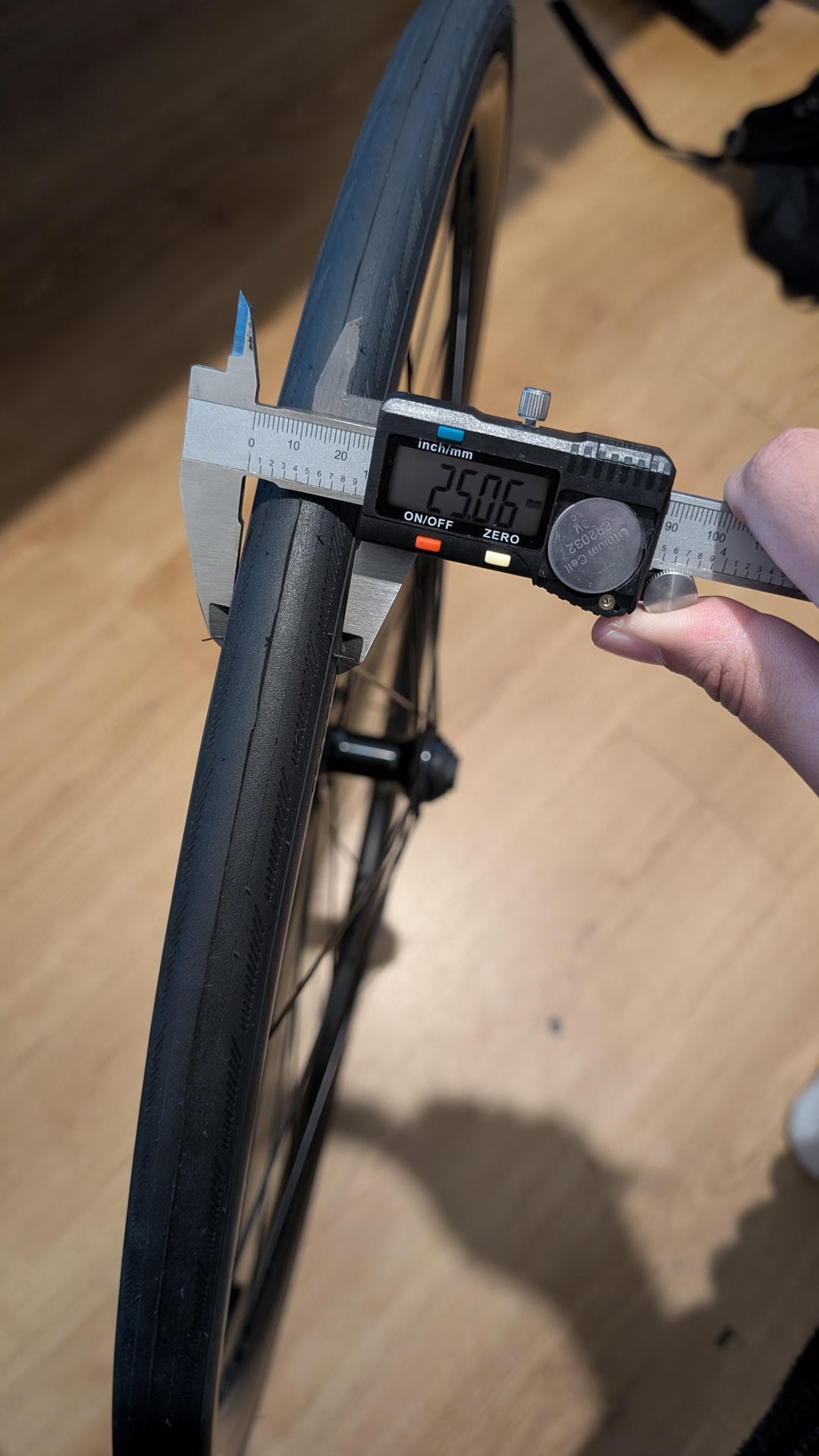
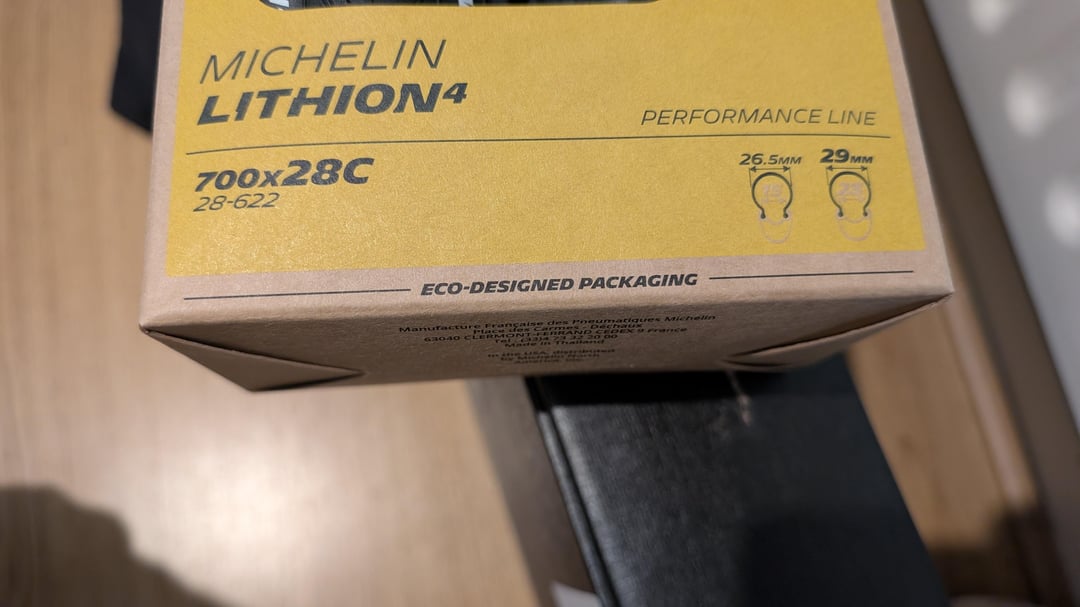
I bought some replacement tires Michelin Lithion 4
Both sets of tires are the same specs ( 700x28c / 28-622 )
Why do the tires measure completely different widths?
– Vittoria: 30mm
– Michelin: 25mm
I'm looking for some 28-30 width tires and went for the Lithion 4s asthey seemed decent and I thought they'd be the same width, but will probably be returning them now.
Is there any way to estimate what the resulting tire width will be from the specs?
by Significant_Fudge
22 Comments
This is a first for me. Also doesn’t match what’s on the box, spec wise. Are you measuring correctly? Is your tyre correctly inflated?
Michelin tends to overestimate the width of their tires.
If you look at the reviews across their whole range, everyone complains that they end up being 3 to 5 mm narrower than advertised.
interesting. i usually get the opposite from the michelin brand, their 28mm Pro 4 tires are closer to 30mm
Rim width can affect the actual tire width.
Same holds true for car tires, not all 275/45-18’s measure the same. Not all are created equal. Each manufacturer measure to their own standards. A specific rim width and pressure.
I’m not sure I’ve ever heard of a tire measuring 3mm narrower than spec. That seems like the wrong tire was packed in the box. Try exchanging them?
Unfortunately there’s no way to estimate other than looking up what others’ experience of the measured width is. Tires are very rarely exactly the width they claim to be, especially when you factor in differences due to rim width
The Vittoria tires are dry rotting (note the cracks along the sidewall), that could have something to do with it.
On the point of the Michelins, narrow rims can reduce the “footprint” of a tire, though by Michelin’s own graphic these should sit in the ~26-27mm range on your rims. Heck, you could ride them for a while and see if they “loosen up” at all, though any potential gained width would likely be minimal.
A bit of a bummer that tire sizing really does feel like chasing your tail sometimes.
Could just be manufacturing variances. Conti has a ~2mm variance in tires iirc, those models could have greater variances. While there is an ETRTO it’s still possible for manufacturers to measure differently (height isn’t defined for example, so varying materials/sidewall strengths might create a variance, I’m not sure if the ETRTO is defined at a specific PSI as well.) Could even be shrinkflation, however I’d imagine that’d be hard to pin down. Likely just variance.
Personally I assume that if they aren’t a matching manufacturer and model there’s no guarantee they’re going to be the same size.
cycling-Elijah Sheldon Brown explained how tire and wheel sizing works on his website [https://www.sheldonbrown.com/tire-sizing.html](https://www.sheldonbrown.com/tire-sizing.html) … it’s also possible that the tires and tubes are mis-packaged or mis-labeled
The width, depth and hook on the rim determine the shape of the tire once inflated
This is really strange. From the Vittoria website:
>When fitting a tyre to a rim with a width different from its design rim width, the actual tyre section width will vary. As a general rule, the tyre width changes by **±0.4 mm** for every **1 mm** difference from the design rim width.
>For example, a **28-622** tyre designed for a **19 mm rim** and mounted on a **23 mm** rim will have an approximate width of: 28 + 0.4 × (23 − 19) = 29.6 mm, plus or minus the tolerance specified by ETRTO for that tyre size (±2 mm in this case).
So, your internal rim width should be **24mm** to get to a tyre width of 30mm . Wild!
Your air pressure is within range?
Unless the ETRTO is all bull, your calliper is off?
It also depends on what rim width the tires were designed for.
There is no clearly defined measuring standard for bicycle tyres.
You vould have 3 tyres together all saying they are 30mm but they would be different sizes.
Some manufacturers measure the tyre size based on the carcass before any rubber is molded onto it, some measure the physical external size of the tyre and confusingly some measure a theoretical average size that’s somewhere in between.
This is why you will sometimes see posts on here with people complaining that they had brand X 30mm tyre fitted with clearance but their new brand Y tyre won’t even go into the frame
Agreed you show a difference. Is the inflation is correct? Think how’s balloon can change size.
Honestly as a manufacturing guy 6mm difference is 1/4” total that’s not much. And there are many reports coming out at a larger tire better turning contact. Smaller width in theory is less rolling resistance, so it’s just perspective.
I think there used to be a database of tires with their claimed and measured widths. People would upload their measurements of what they were running. I can’t find it anymore.
Makes sense to me
I have two 30c tires which measure 28mm in 19id wheels
Different rim widths and tyre designs affect how they blow up. I don’t know if there is a standard, but the rim width different companies design for may differ, resulting in various widths for the same tyre size on the same rim. Also, for cheaper tyres like this, there is probably a lot of variation between batches
The problem with standards is everyone has their own. When was the last time two 700c tire brands were equally easy (or difficult) to mount.
The website bicycle rolling resistance lists measured width.
Manufacturers are updating widths to account for modern rims being wider. It might be that your older Vittoria tires were calibrated for narrower rims.
Tires are the easiest upgrade for your bike. Why not spend a few bucks more and get gp 5000 s tr?