
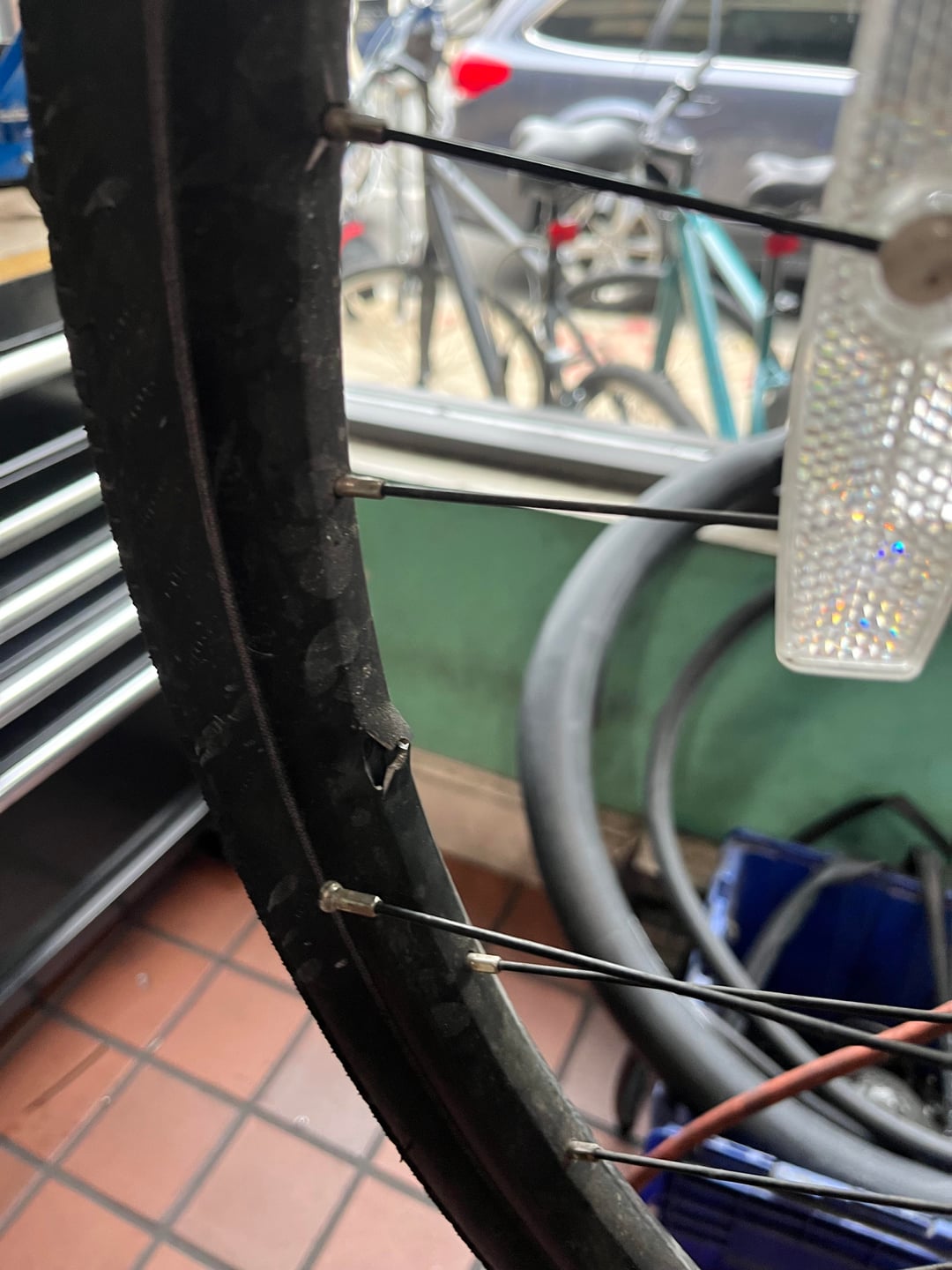
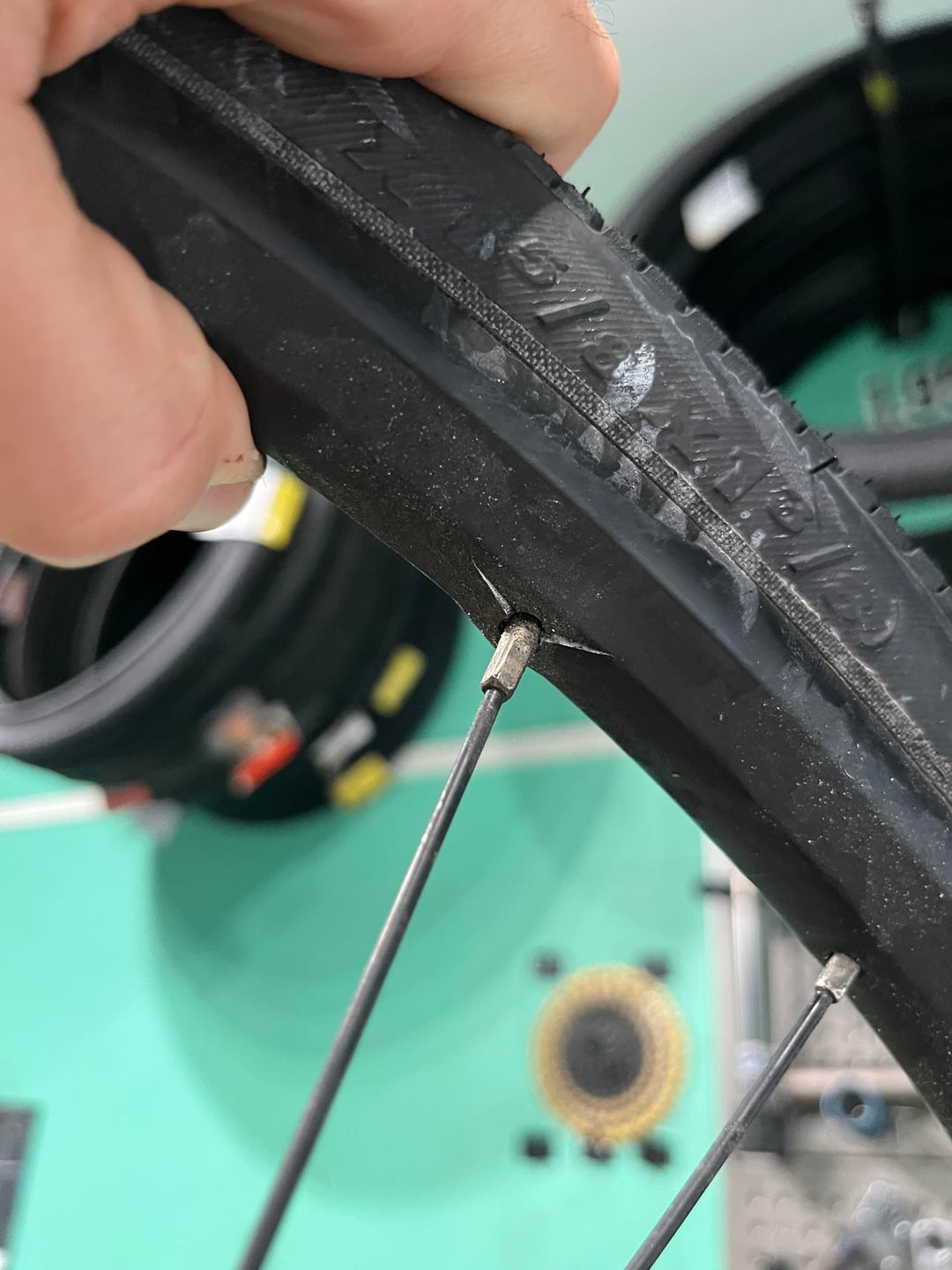
I’ve been riding my Surly for about a year and I’ve got a few thousand miles on it mixed between longer weekend rides and commuting to work with all of my stuff on a rear rack.
I noticed my rear tire was wobbling so I checked it out and one spoke was completely broken out and a few others were cracking. Is this just due to hitting pot holes or is there something I can do to prevent this? Don’t want to be replacing wheels every year.
by Imaginary-Country-67
14 Comments
Getting stomped on by a buffalo would definitely make that happen.
Very uneven spoke tension is the main suspect. Did you true the wheel yourself, and did you use a tension gauge?
are we heavy ?
Metal fatigue. Eventually this would happen to any aluminium rim, but will happen quicker due to cheap materials used in manufacturing. Higher loading of the wheel will also accelerate the process.
Possibly too much spoke tension.
2 spokes up is also about too break, 2 down difficult to spot but looks like a crack, too much tension on that side.
I’m a heavy raider (220 lbs) and have this happen twice in my 30 years of riding.
When sourcing a replacement wheel, for for a 36 hole 3 cross wheel (32 hole 3 cross would be ok if options are limited)
Nothing beats the strength, durability , serviceability, and affordability that a 36 hole, 3 cross, double wall rim.
Another thing you can do is install a wider tire. If it’s a Surly frame that says Fatties Fit Fine in the chain stays, then fit a larger volume tire.
Basically the cheaper materials deteriorate quicker, can also be location related (if you live near the ocean as an example) how often you wash and maintain your bike – there’s a whole bunch of reasons.
Shitty wheels
It’s from an impact 180 degrees from the damage.
I did that to a wheel that I was trying to true.
Plastic spoke reflectors. They concentrate halogen headlight beams from cars onto adjacent spokes.
No, seriously, that group of spokes were probably poorly tensioned and sort of hammered the rim over time.
Corrosion (especially if alu nipples),
age(metal fatigue)
poor re-tensioning/truing over the years if old : if someone’s just relied on tightening one or two spokes closest to a ‘ding’ and not worked it out around the wheel a bit more because sometimes you can straighten wheels by releasing tension in spots rather than just keep tightening.
Combination of all the above.
Better wheels and avoid hitting potholes.