
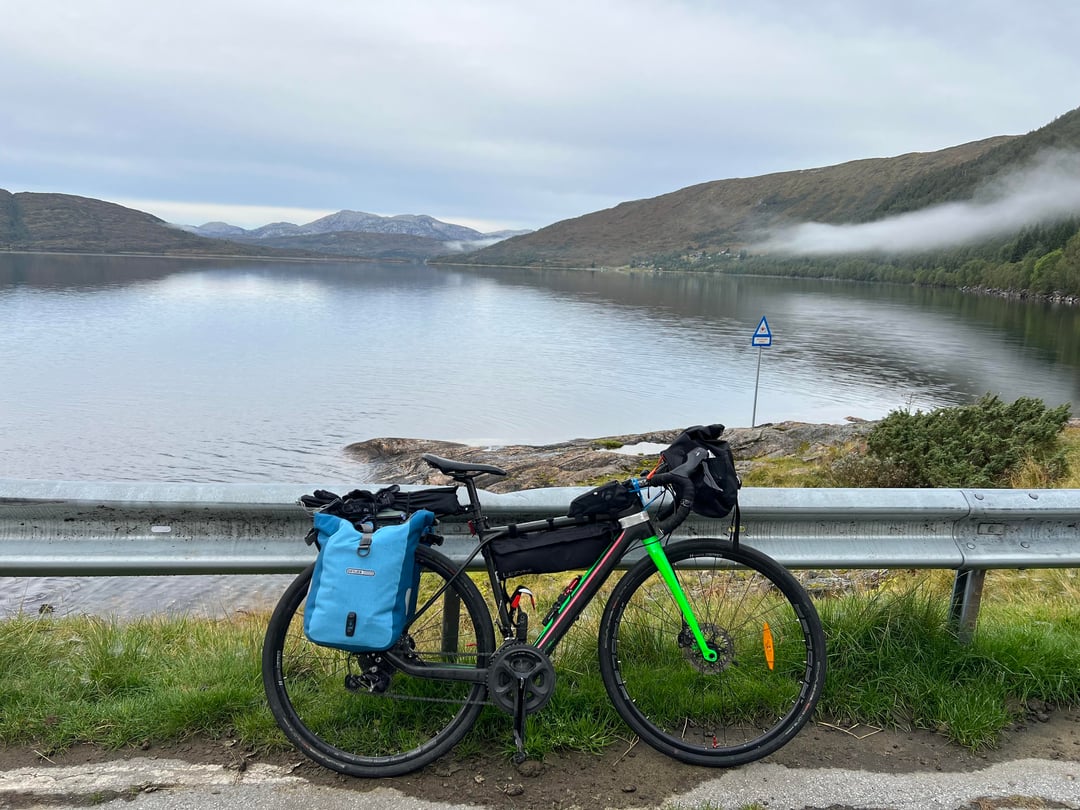
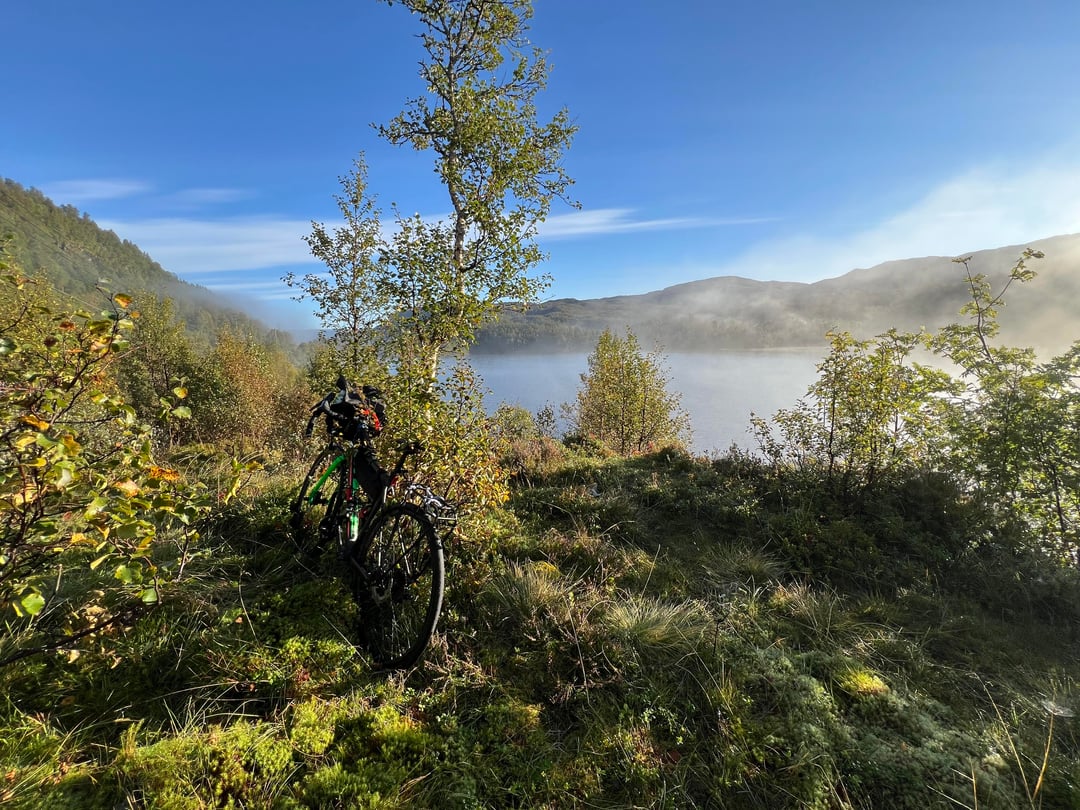
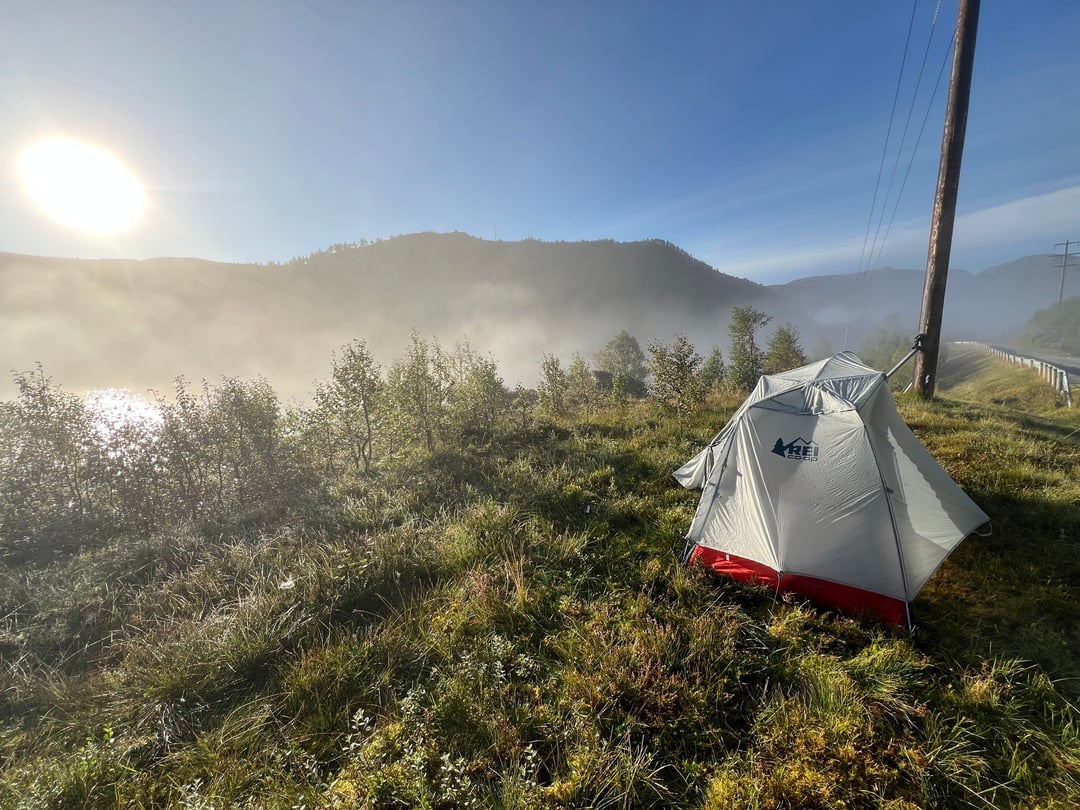
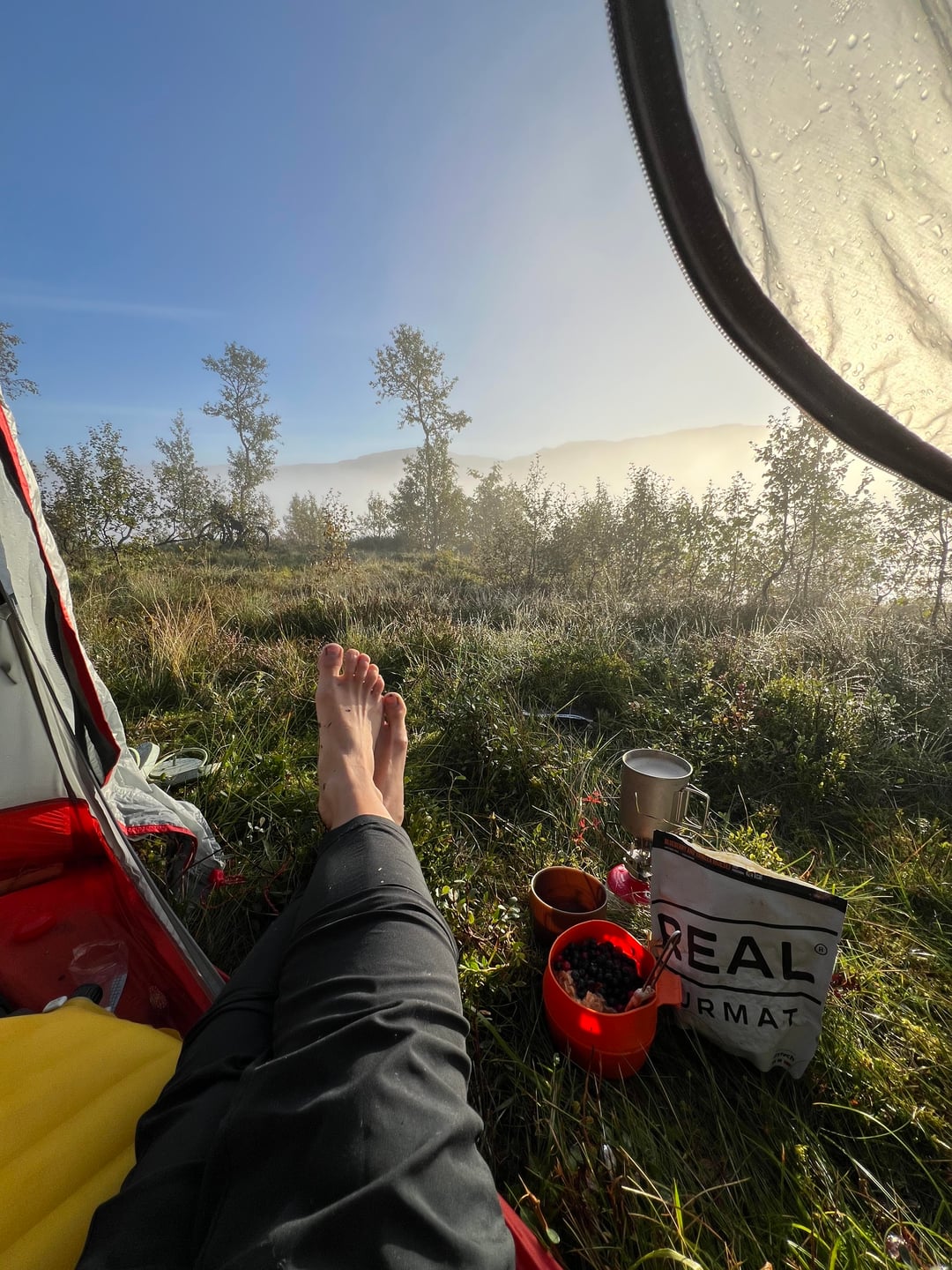
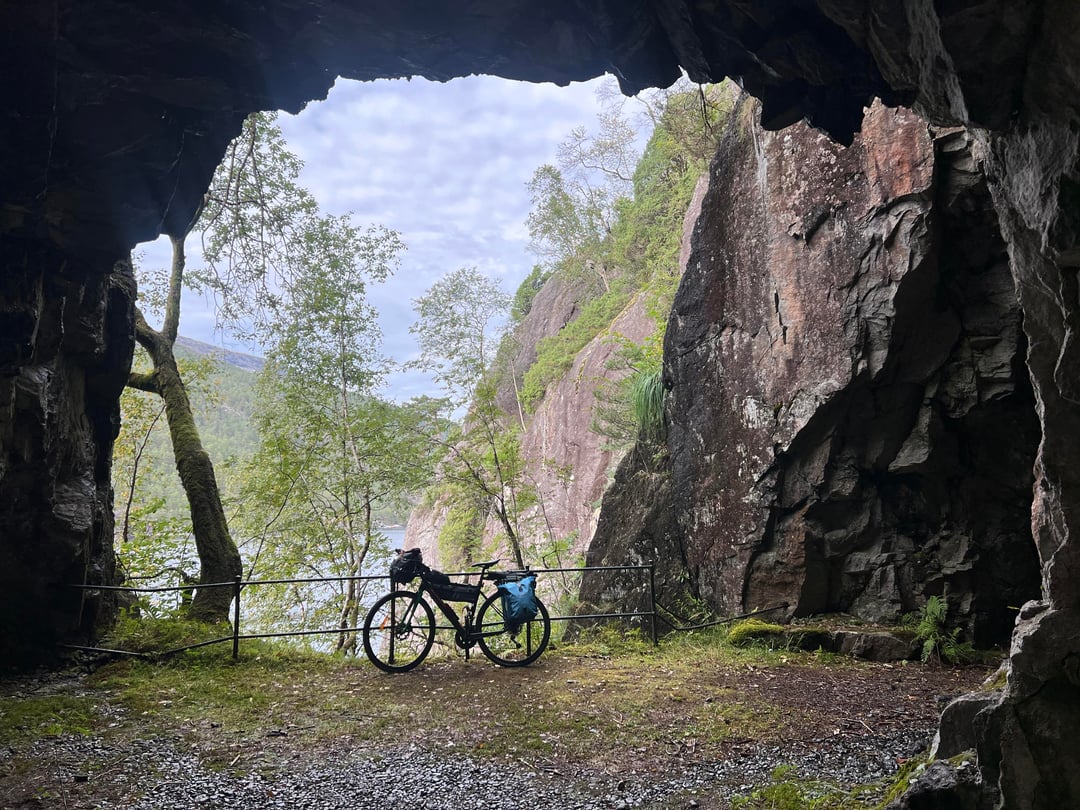
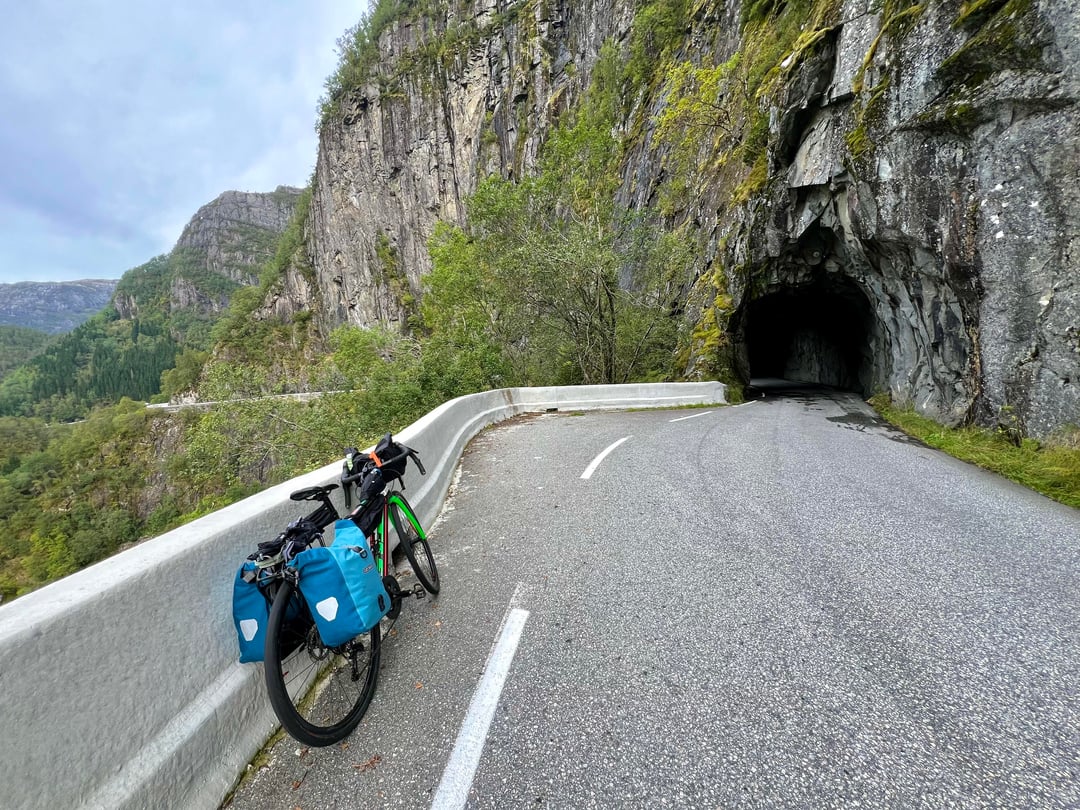
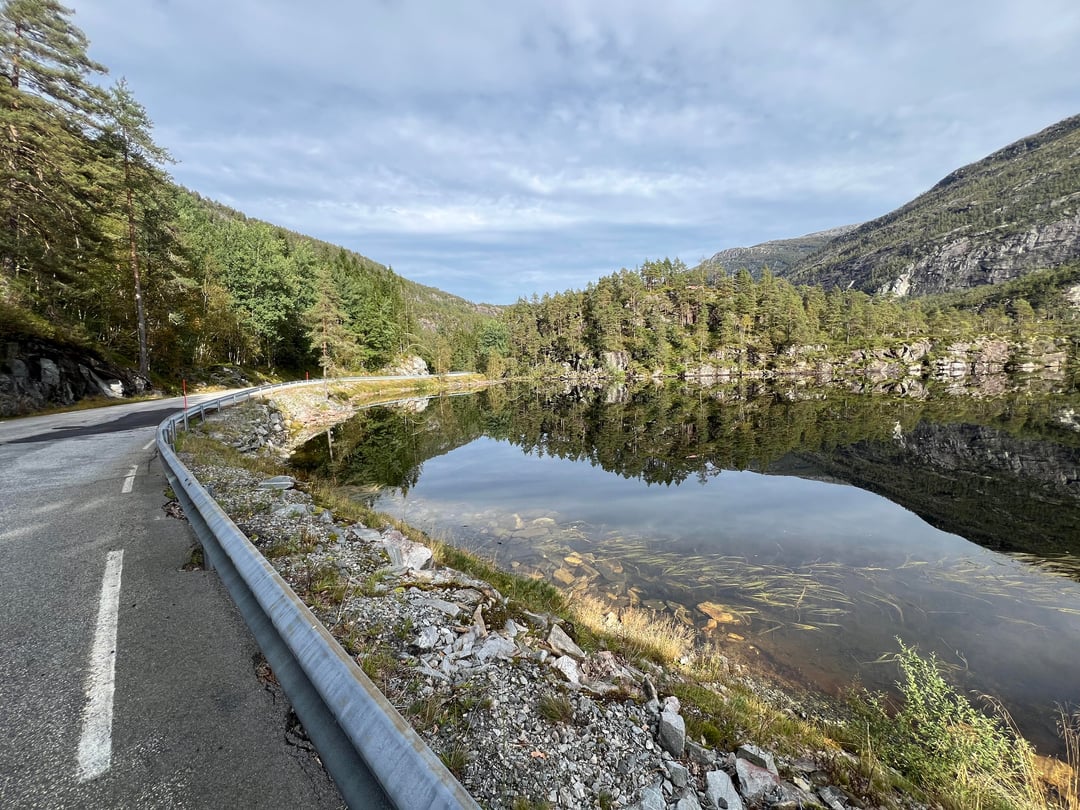
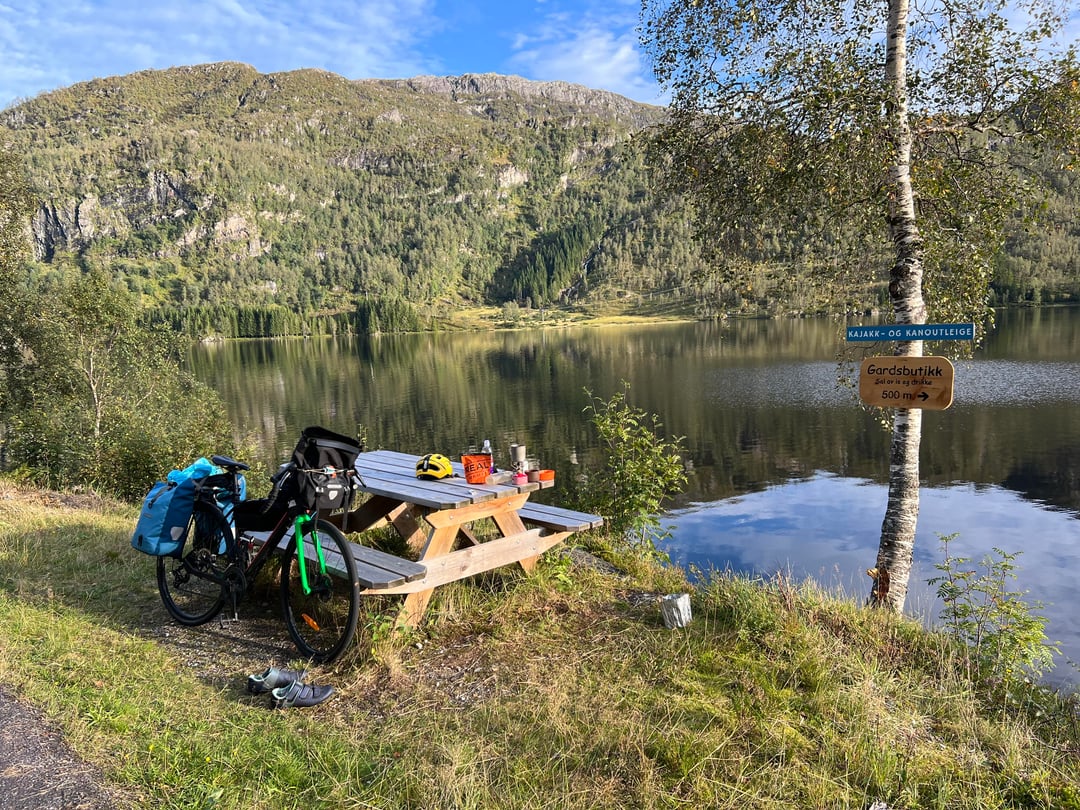
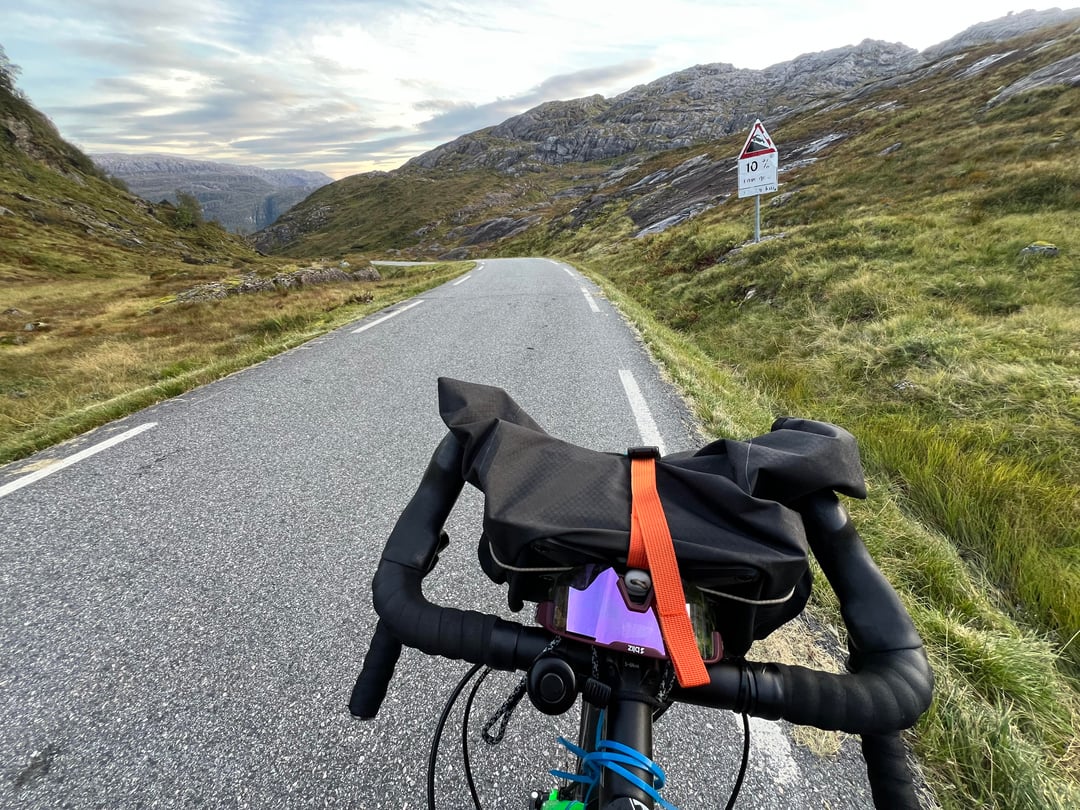
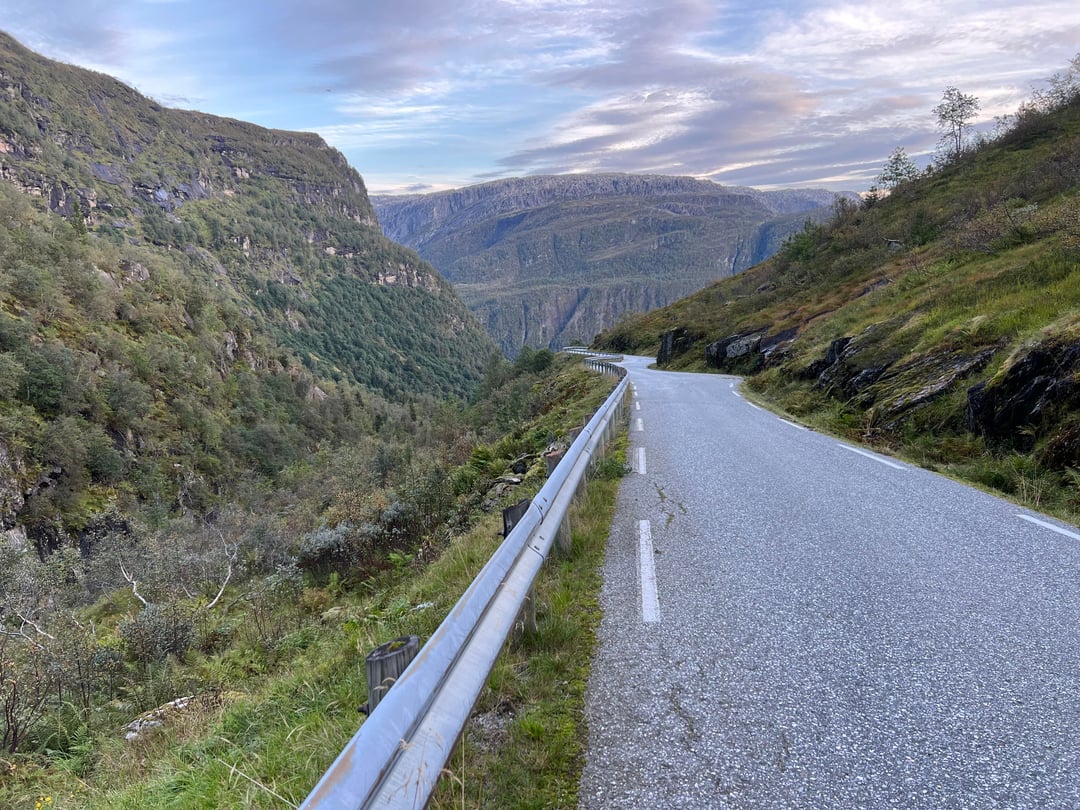
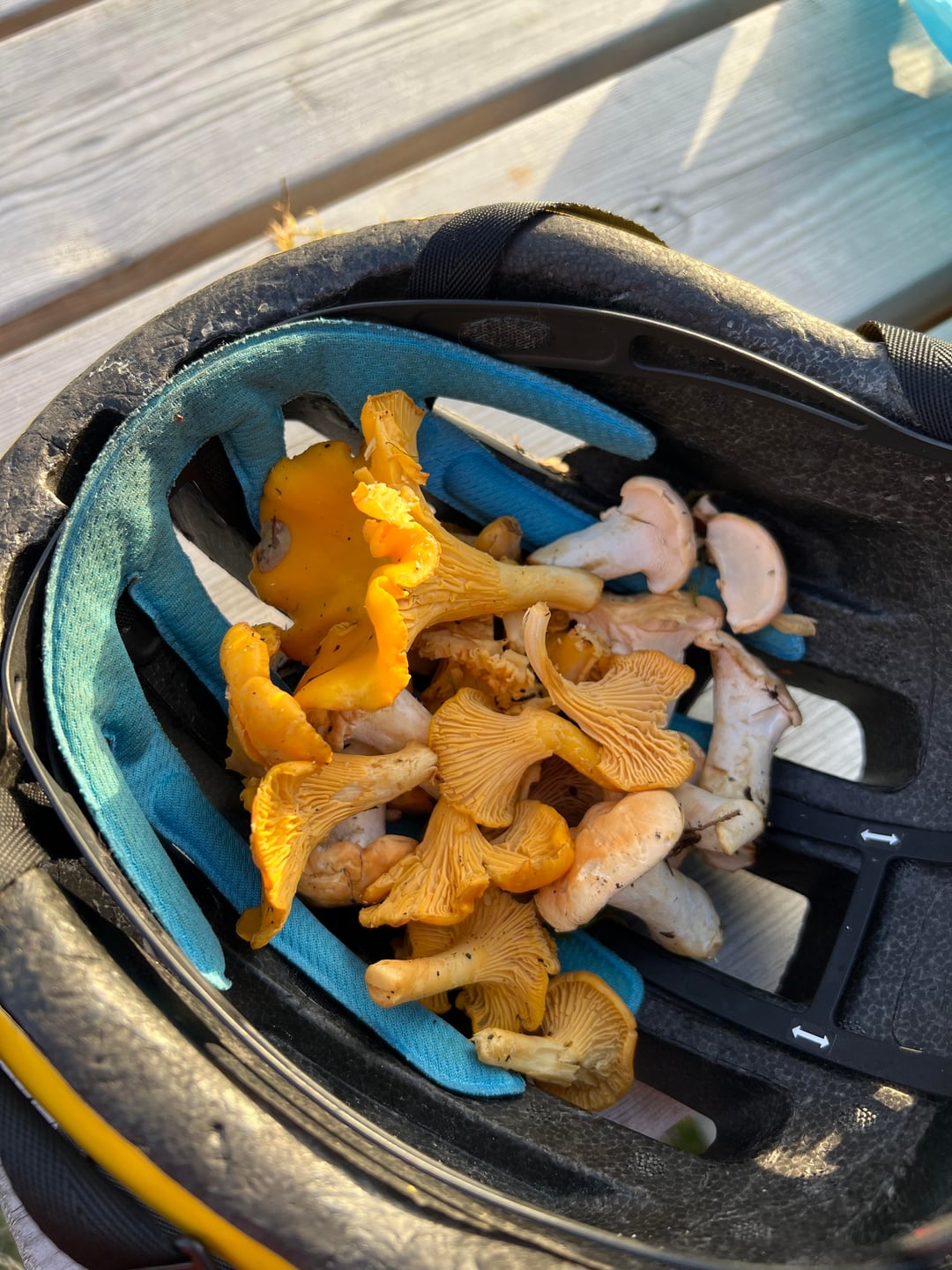
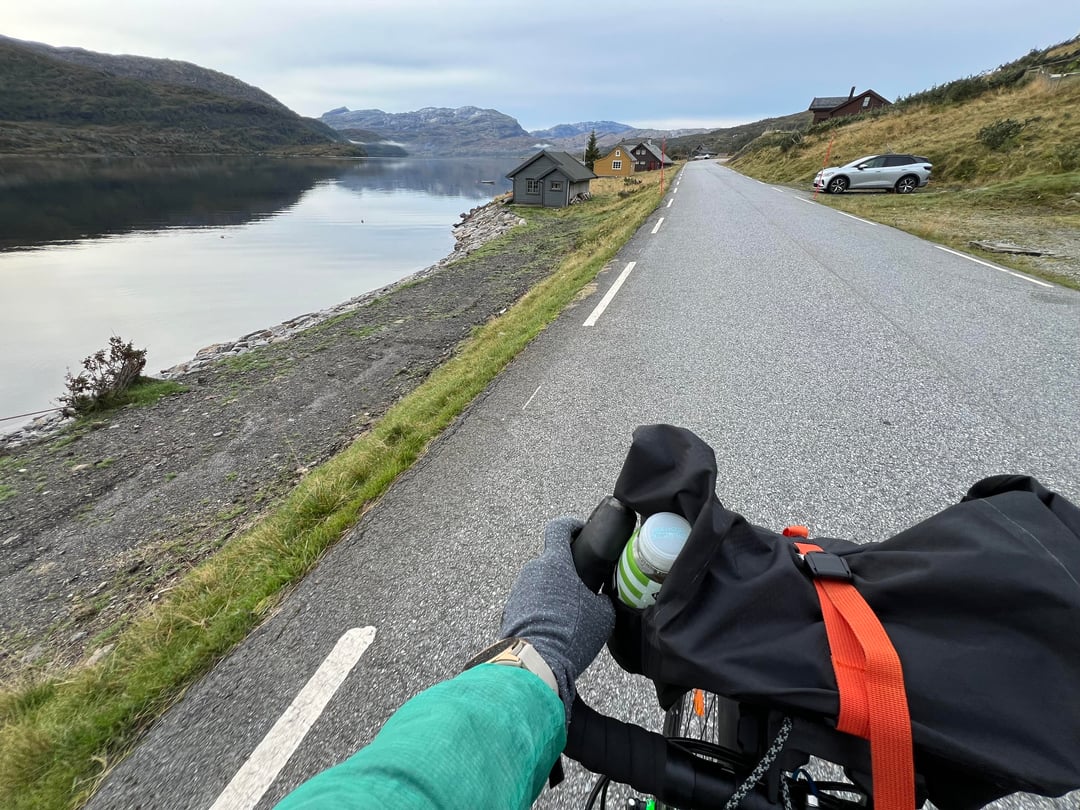
As someone who HATES hiking with a heavy pack (I am a trail runner) I wasn’t sure this would be my cup of tea, but I am sold! Even the uphills were not as bad as I thought they would be. Did a short(er) trip this time, not too far from home, with 2 nights out — left the evening of the first day, cycled all day the second day (managed more distance than I expected!), finished the morning of the third day. The whole setup with the frame weighed in at about 21kg, that included a mini stove and 2 freeze-dried dinners.
One thing that I noticed might take some troubleshooting/getting used to during longer trips is managing moisture. I was very lucky with the weather (it didn’t rain a drop), but with the morning dew everything still got completely soaked overnight. Since I wasn’t going far, it wasn’t a big deal, but as I have a down sleeping bag and jacket I can see how it could quickly become an issue during longer trips. Any tips for traveling around in wet conditions?
by sriirachamayo
5 Comments
Those Landscapes are so beautiful!
Where did you go?
Depends on your tent and location as to where you camp, so if you camp near a watersource, you will get dew, and condensation in your tent, if you have venting in the tent, leave it open all the time, if you have bad venting leave your Vestibule open over night, that is if it is not going to rain, if it is going to rain, and it is humid as well, then most tents get condensation, IN winter I use only a 3 season tent, and although it is cold in the tent, I don’t get condensation much at all.
For down sleepingbags/quilts, it is best to have a DWR down bag, as they are treated so they can handle a bit of moisture, and not get mouldy or too damp.
I think in regards to dampness inside the tent, it’s all about allowing air flow. I’m just getting into the Bikepacking side of things and although I’ve camped a lot, it’s always been in much larger tents which is probably less of an issue.
I would suggest trying to leave the vents wide open unless it’s really raining hard and if possible maybe roll a door up during times that you are not inside it.
These are just my suggestions as I’m just getting into the camping side of Bikepacking as we speak. Previously I’ve used cheap hotels and Airbnb’s but in two weeks time I am cycling around the complete coastline of Sardinia with a friend. Just out of interest, which tent do you have?
Welcome to the guild ! 🙂
In wet conditions, there is no silver bullet, only compromises. You’ll probably need a bit more gear too.
Some unstructured tips:
– Down is nice (very compressible, very warm), but don’t like water at all (it would loose all its insulation power). Protect it at all costs. Some synthetic-filled sleeping bags can be both performant and quite compressible, but are usually quite expensive (in contrast with entry-level synthetic sleeping bags).
– Cycling ponchos (the ones that makes a little “tent” between your body and the handlebars) are really nice and understated. It protects very well and it’s very well ventilated. You can also use it as a ground cover. But if it’s windy, it will act as a sail (not cool at all if headwind) and be a real pain.
– Wool clothes are very nice: wool keeps the warmth even wet, it’s very smell resistant, it doesn’t retain water as cotton (cotton is deadly in wet + cold condition), and is useable in very warm conditions too (thin merino tshirts). Wool socks in wet/cold is a must.
– Always keep a set of dry, clean and comfortable clothes for the night. Keep it dry at all costs.
– The hardest thing, for me, when” bivouaquing” in the wild, is the morning: it’s best to repack everything as dry as possible (tent, tarp, sleeping bag), but it’s not always easy / feasible. A cold and damp night can ruin your next day badly.
– Choosing the right place to sleep in the wild is a bit of an art. Be mindful of the dominant winds. Always choose the among the most elevated places of the area, to avoid being drenched in morning dew. If possible, having a cover (old barn or bus stop) can help a lot, but please be mindful of your local laws. Asking locals never hurts and can even ends up being invited for the night.
– Shoes cover are really useful/needed in cold conditions (wet or not). In summer, I usually assume that my feet will be wet (or I use minimal sandals).