
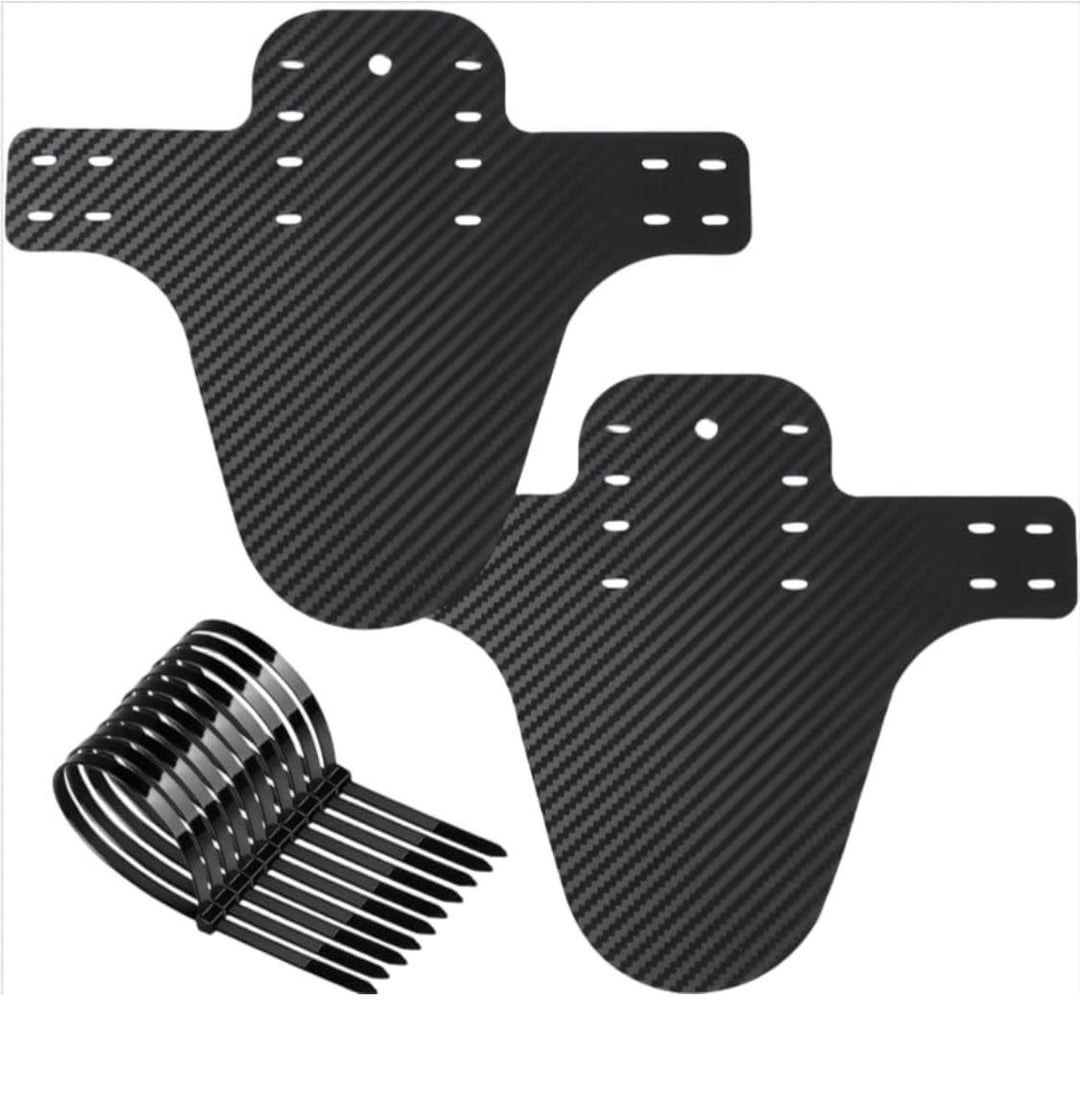
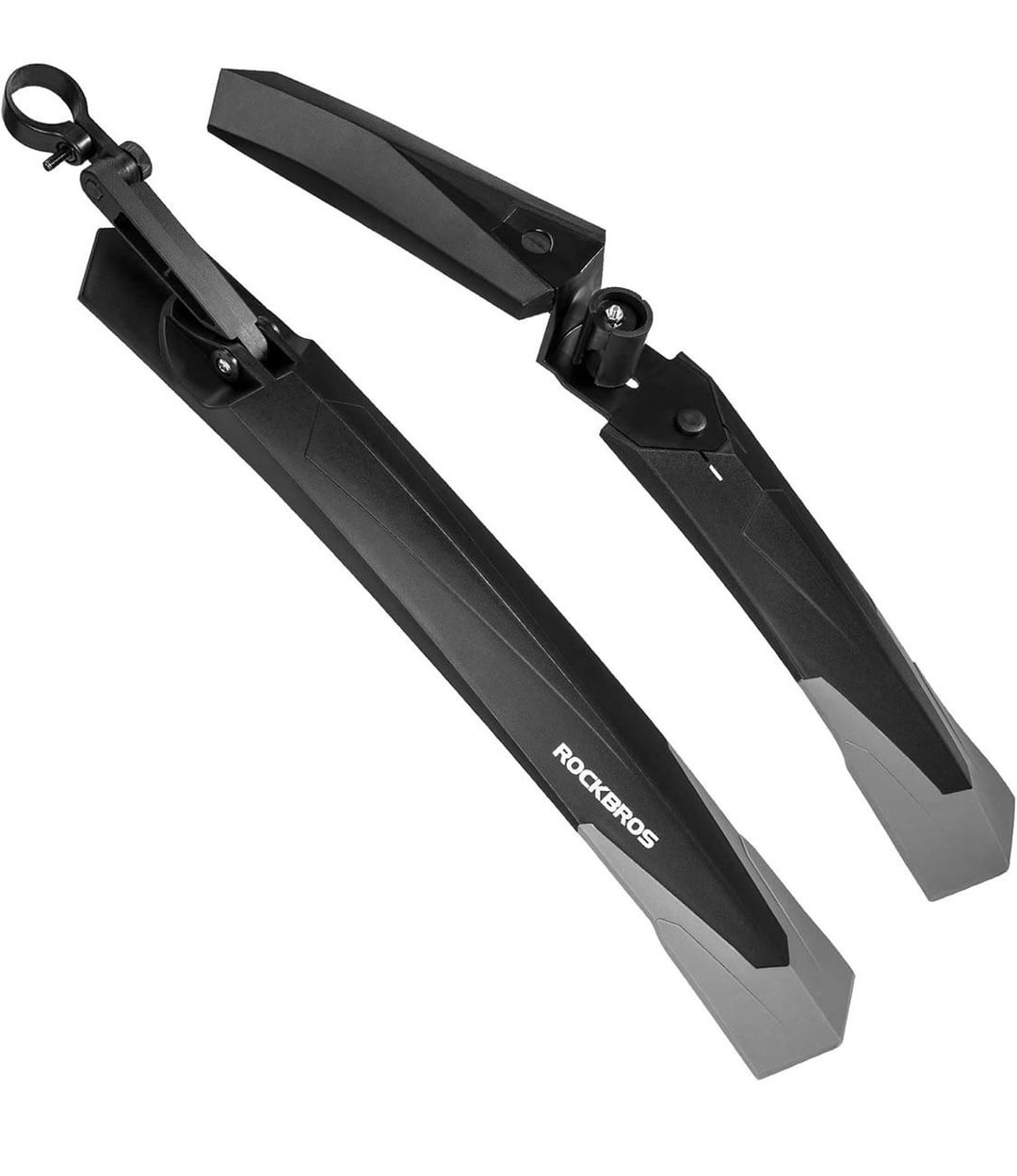
I am new to mountain bike riding but I know I will be riding in the mud for sure. I have been looking at mud guard options and it seems like there’s generally 2 styles out there, one is a smaller, perhaps wider design and the other is a longer thinner design – example images above.
My question is, the smaller and wider mud guard, it seems very small, is this really just to stop mud from getting onto the front suspension or can one expect this will meaningfully stop mud getting onto you as well? Is the longer and thinner mud guard more effective or is it actually just unnecessary plastic and the smaller design is sufficient? Or with both of these mud guards can one expect the bike and you will still get pretty dirty?
Any other advice is welcome!
by humble___bee
19 Comments
That second one looks like it would flop off the bike
I use style number one but we don’t have trails we can ride when muddy here. It does relatively well at keeping rocks from being thrown into my teeth.
The first one 💯.
It protects my eyes/face more than anything. The little tiny gravel that shoot’s up when you’re traveling with any speed.
The longer ones are really just for people using their mountain bike as a commuter or adventure bike, they are not suitable for fast, rough trails or jumps and drops. The small ones are handy to block most of what would be directed at your face but plan on getting muddy.
Mucky nuts mug guard. Shorter one for the front. Longer one for the rear. You can also buy them from Amazon if you’re in the US.
https://muckynutz.com/shop/products/guards
There are ones in between those, like the RRP mudguards. They zip tie on like the first one, but they’re already moulded into shape and typically longer, they do the best certainly in sloppy UK winters and mean you can at least ride without goggles.
Mudhugger rear is most likely the only long one suitable for trails. Good front ones too
My spoon bar’s packaging was a mud guard so I run that! It’s one of the smaller malleable plastic ones and I figure it’s better than nothing.
I have removable front and rear SKS Mudrocker mudguards. Just put them on when you need them. Packaging includes foil protectors for frame paint as ZIP ties can damage paint. Not in this case because these have velcro with antislip rubbery finish.
https://www.sks-germany.com/en/Products/Mudguards/MUDROCKER-FRONT.htm?a=article&ProdNr=11669&p=1003
The first ones. You can buy thin cutting boards, the cheap kind you can roll up, and make your own. There are templates on the interwebs.
I have never had on the rear wheel.
But the front one… if you are going flat out down a fire road type, and it passes through a cow pasture(? You know, a field where there are cows). Some of the cow shit might get thrown from your front wheel and more or less straight up and become embedded in your eyes, nose and mouth.
Yeah… the shower after that run was extremely nice!!
I prefer a bolt on fender. Depending on your fork, this may be an option as well. SRAM and Fox am have been incorporating this option into most of their popular model lines for the past couple of years.
Also worth pointing out that in many parts of the country (speaking about the US here) particularly out West the trails do not do well in the wet and get damaged and tore up really quickly… To the point that many land managers close them entirely to prevent damage.
I would get any of the solid “mud hugger” type, bolt on or zip tie. Make sure they’re solid and inflexible.
The smaller classic flat pack ones do work well, but I tend to only use them in summer for stopping gravel flicking into my eyes or the odd puddle
Protects my stanchions. I put the first style on every bike.
i removed the long style mudguards for being too inconvenient, the summers been so dry this year they’re unnecessary. i should buy the shorter one at least for the front wheel cuz it prevents rain from the road landing directly on your face
Yeah, I run one on the front of my bikes. We frequently have puddles on the trails here and New England and it’s enough to stop me from getting sprayed with nasty stagnant water.
I find [this style](https://www.amazon.com/MEGHNA-Mudguard-Fenders-Universal-Mountain/dp/B0D1V12GF7/ref=mp_s_a_1_3_pp?crid=3ERF25XGB6RR8&dib=eyJ2IjoiMSJ9.Y7zu_0WVDXmqrKsYfLV9hR-pTdQovlRDeVk85hgOweweghydiPJcEvJJMTaAfxTISr8CDvMhRiviDZWpmf4G-_zb9UKMdyV4ZwQuW6sxnlBaXRCugcxpic4dlALtJKiZa389qooAVlJlDivHedXE3Respzx-2j4Ih-ONBo87eAQpTi9mjmM8FlttlnlVVuw1DGoWBfC1Cki1gI7vOvucYw.XQxBqQDiJDKY8cImU49Ybgl6wUaoZ3wti1hH59Js8Tc&dib_tag=se&keywords=mtb+fender+mudguard&qid=1756210126&sprefix=mtb+fender+m%2Caps%2C218&sr=8-3) works the best for me.
MuggyNutz or MudHugger are the best. I do use a front screen for both front and rear, you just need to be aware that this.will only protect the suspension/dropper, your back wilm still be sprayed
The first one is good for the front forks to help keep the crud off the sanctions.
I put muckynutz long on my bike and they are great with the rear having the removable extra length you can put on for those days there might be more mud.