
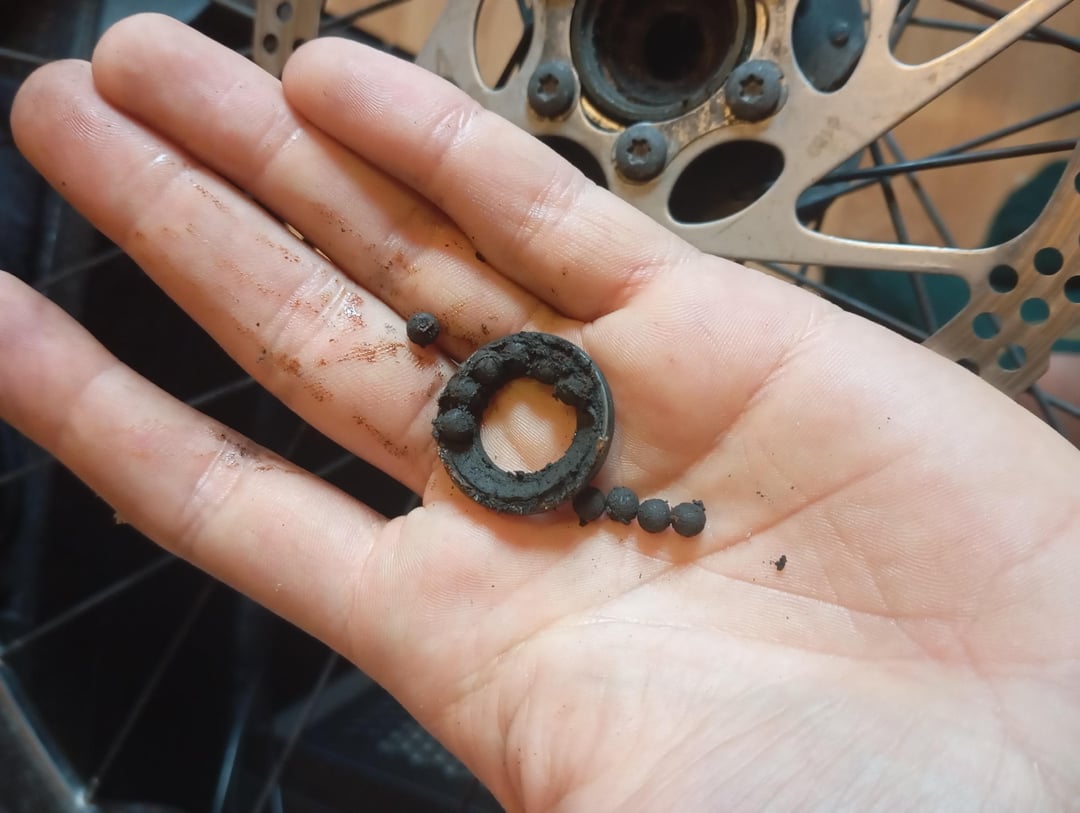
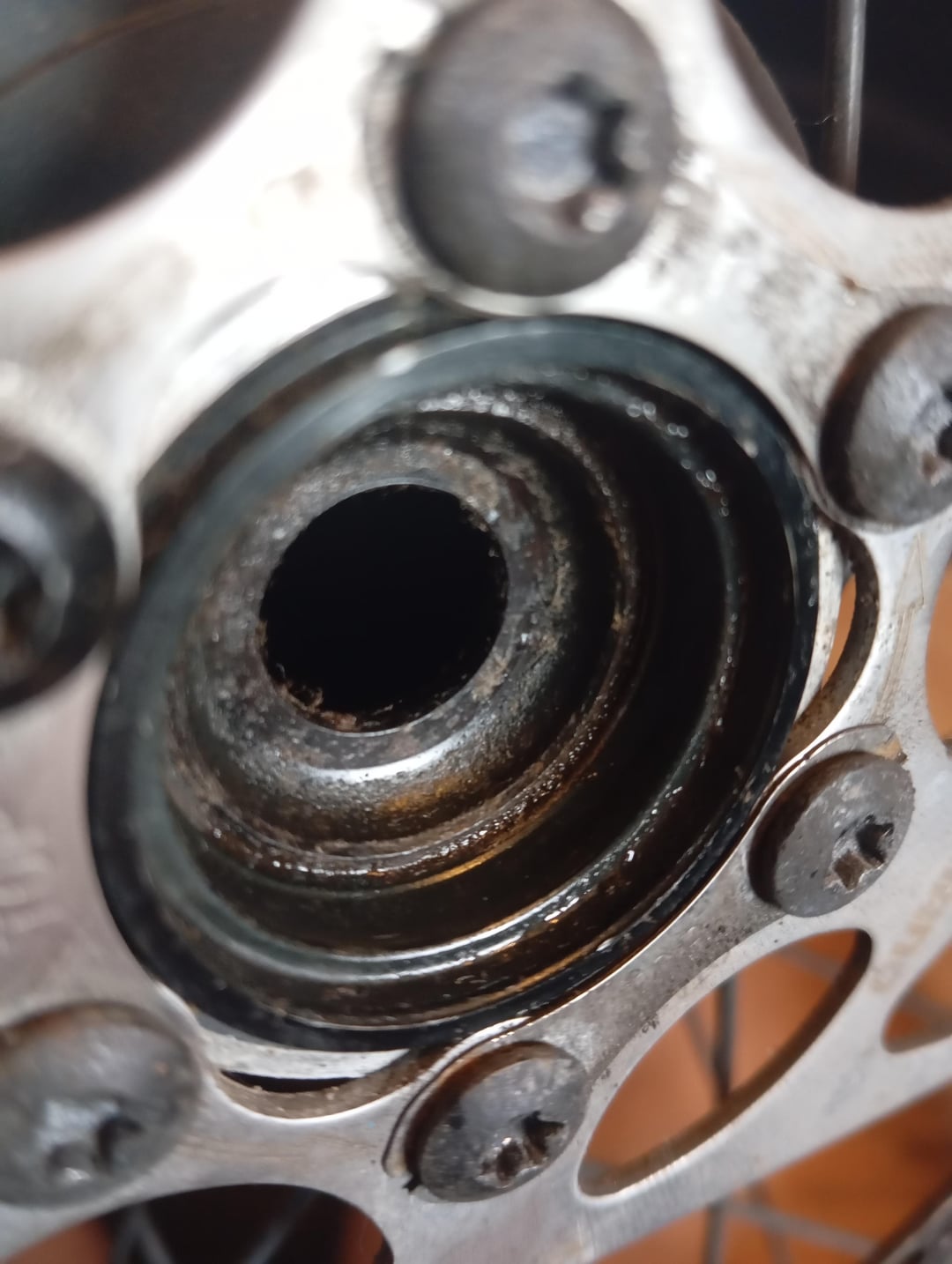
Bought a set of used 28" wheels a couple of weeks ago for a frame-building project. Turns out the bearings in the front wheel were dried-out and rusted, both the cup and cone is thoroughly pitted and gritty. I'll have to replace the entire hub and rebuild the wheel, possibly with new spokes. I am aware of the work involved and tools needed, it'll be a learning project.
Now for the real question: would I be better of getting a new hub with sealed bearings or a new hub with cup and cone style bearings? Is one type of bearing generally considered to be better than the other, or is the quality of the overall hub more important than the type of bearing inside? To me it seems sealed bearings that can be replaced is a smarter system than cup and cones, as those will eventually self destruct if you're not 100% on top of maintenance, but I'm not sure if there are any disadvantages to sealed bearings I'm not aware of. The bicycle will be used for loaded touring.
I'm looking to buy either a HB-TC500-15 (sealed bearings) or SLX HB-M7110 (cup and cone bearings). They would cost exactly the same (the TC-500 is new from store, the SLX M7110 is new but sold second-hand for half price). Sealed bearing or twice-as-expensive cup and cone. What would you go for and why?
by discombobulatek
9 Comments
Really depends on your definition of loaded touring. If you’re going on mega tours across less developed parts of the world you’ll be able to get cup and cone bearings replaced basically anywhere. If not, then a sealed bearing should last longer between overhauls and like you say, a ruined bearing doesn’t mean a ruined wheel.
*Edit* Should also say, regardless of where I am in the world, if I’m expecting to be without proper tools for the worst case very conservative bearing wear interval, maybe a few thousand km (thinking horrible weather, heavy load, etc), then cup and cone bearings would still be my choice, as relubing is a quick enough job you can do with minimal tools vs a bearing replacement. Most bike bearings die from poor lubrication and water ingress, which you can see from some brands offering stainless steel bearings, which are more likely to last a bit longer in those conditions compared to a typical hardened steel bearing which will take a higher load for a given size of bearing than stainless.
Sealed bearings are generally considered to be better. The only cup and cone advantage is that it can spin better with proper grease and adjustments
Quality matters more than bearing type. I’ve happily used Shimano and Campagnolo cup and cone hubs, and Hope cartridge bearing hubs. Shimano’s early through axle cup and cone hubs were quite bad, some hubs it was possible if the hub was ridden loose balls could get between the axle and hub shell (!)
I like cups and cones better. Just loosen a little (not enough to drop the bearings) , add a few drops of oil lubricant or grease, then tighten back up, wipe the excess. Don’t Even need to disassemble anything. Even better if the hubs have an oil port/zerk. They’ll last forever if not neglected. Takes about 15 minutes to lube and entire bicycle this way, once you get a routine down.
Also you might be surprised how good the existing bearings and cups are if you derust and clean them up. Might just need to replace a couple bearings and not all of it. It’s about 50/50 in my experience.
What you’re looking at is crusted up lube (most likely motor oil) in the pic. You can’t tell what the conditions are until you remove the crud. Believe it or not, often that dried lube with absorbed dust does a great job protecting the parts from rust, I generally consider caked on crud as a good thing when looking at bicycles to restore or mod, because it’s a sign that the bicycle was maintained before it got put away. Dry rusty stuff is generally more of a concern.
Soak them in mineral spirits overnight to get a better idea of what you’re up against.
Sealed bearings for sure. You can pop out a sealed bearing in minutes and replace with new cartridges. Which renews the bearings and races at the same time.
Cup and cone bearings can last a very long time with simple preventive maintenance and repeatable steps. Sealed bearing hubs are good in their own way, but people oversimplify the process by which a bearing gets “popped” out and pressed in. Only fancy cartridge hubs keep their tolerances for extended periods of time. Cheap ones can become loose and rattly and your only option is bearing replacements. If the bike is just for fun, either will work.
Campagnolo and Fulcrum use cup and cone bearings on their higher end wheels and cartridge bearings on their low end wheels.
However there are Cyclus tools for removing and replacing the cups and the cups and cones are readily available. Not everyone knows this and you are perhaps unlikely to be using Campagnolo hubs on a touring bike.
I think it would be easier to find cartridge bearings on your travels. Almost all bearings used in bicycles are standard sizes used in machines so they can be picked up from a bearing company as readily as a bike shop.
Sealed bearings are great zero maintenance you literally fit them and forget them until the time comes to replace them, This sounds like a big plus but it’s also a big downside.
When the bearings need replacing you need a bearing press to do the job properly and for things like touring etc people tend not to carry a bearing press with them just in case.
Cup & cone bearings are admittedly old fashioned they do need occasional maintenance but often this is little more than a quick tweak with a cone spanner to keep them running without play. When they need cleaning & regreasing it can be done with basic tools little more than 1 cone spanner & 1 adjustable which are light and take up next to no space if you are touring. Once you have done it a couple of times cleaning & regreasing can be a fast process easily inder 10 minutes per hub.
Now here’s the real kicker cup & cone bearings given not much more than occasional adjustment & regreasing from time to time can outlast sealed cartridge bearings many times over. The concept has been around since Roman times it’s just been refined with better materials and more precise machining. They are still in use today because of their simplicity & reliability.
Never actually had to replace cartidge bearing just because of it being too rough or worn out, but if one does its really straight forward job with pressing tools, and result is always newlike hub.
On cup and cones having to set preload, tighten wheel on, test, repeat is enough to me not to service them ever. Then when loose bearings are worn out cones are usually done too and finding replacement is not always even possible