
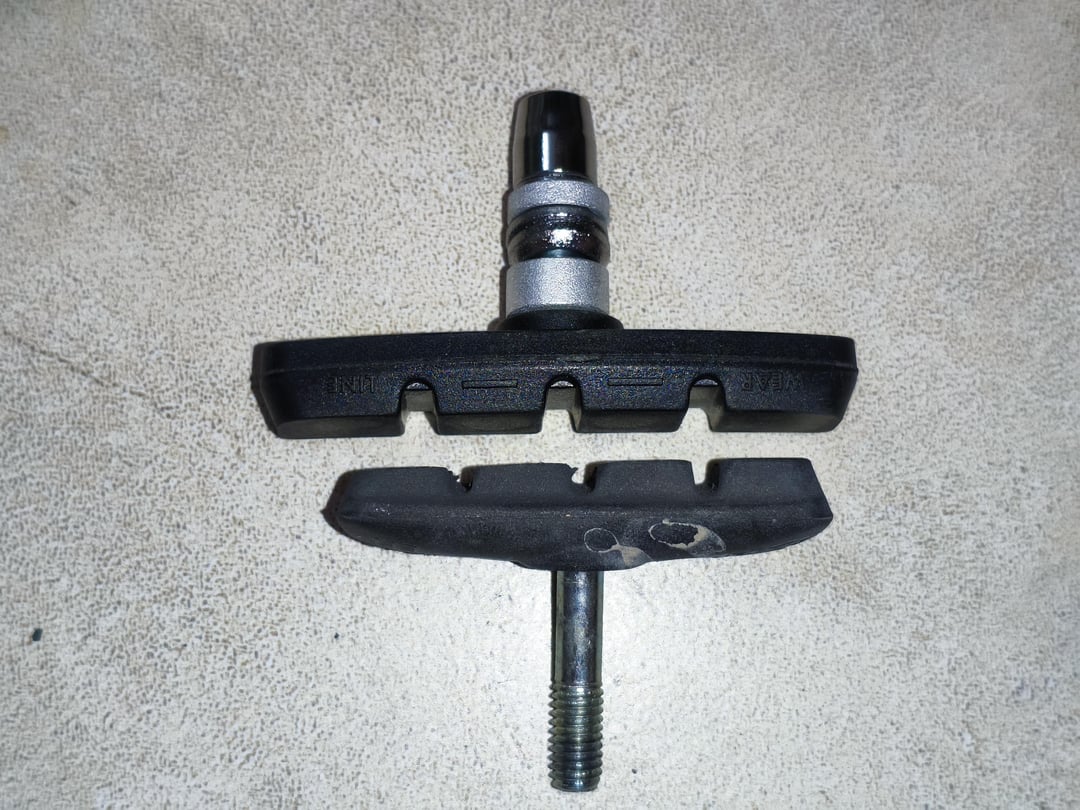
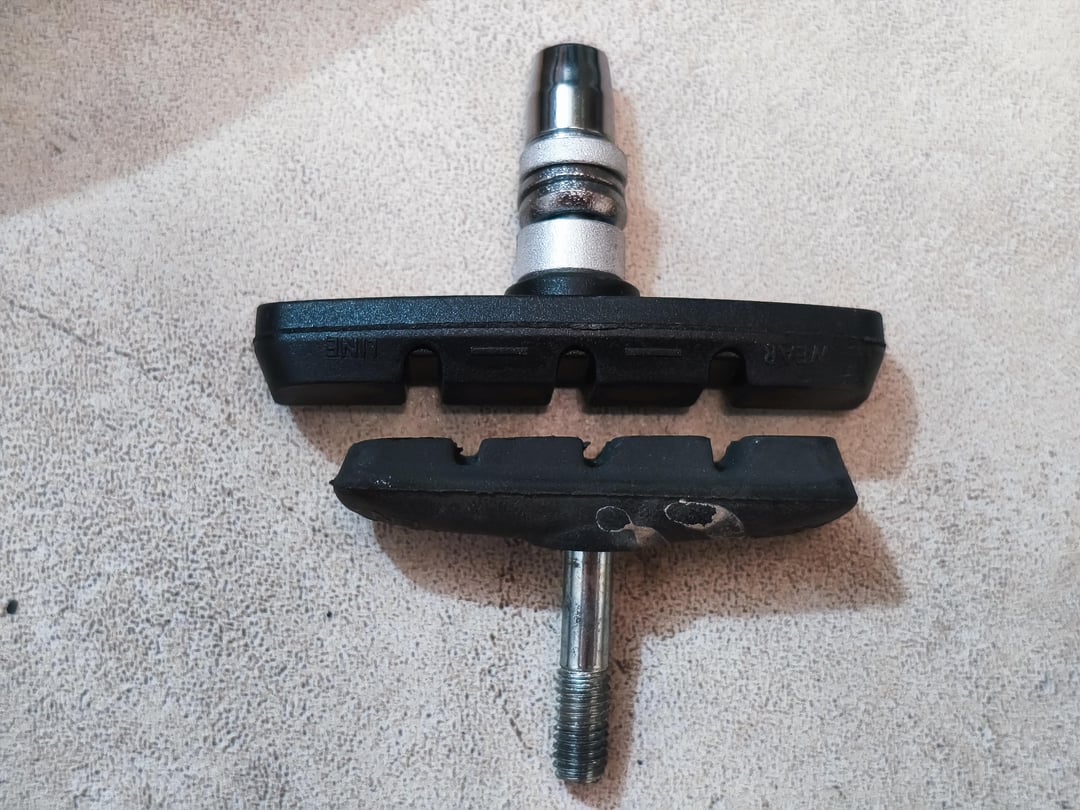
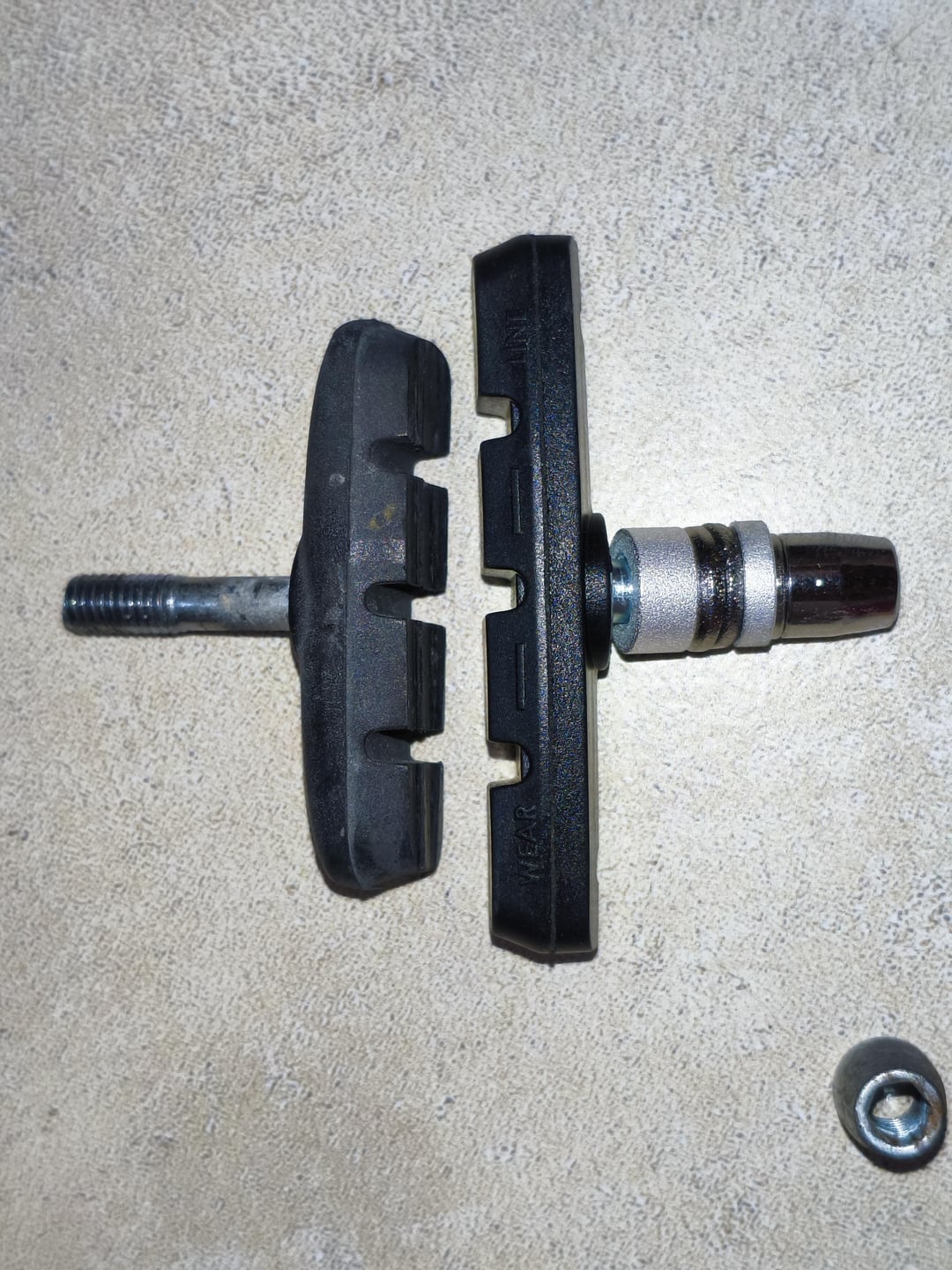
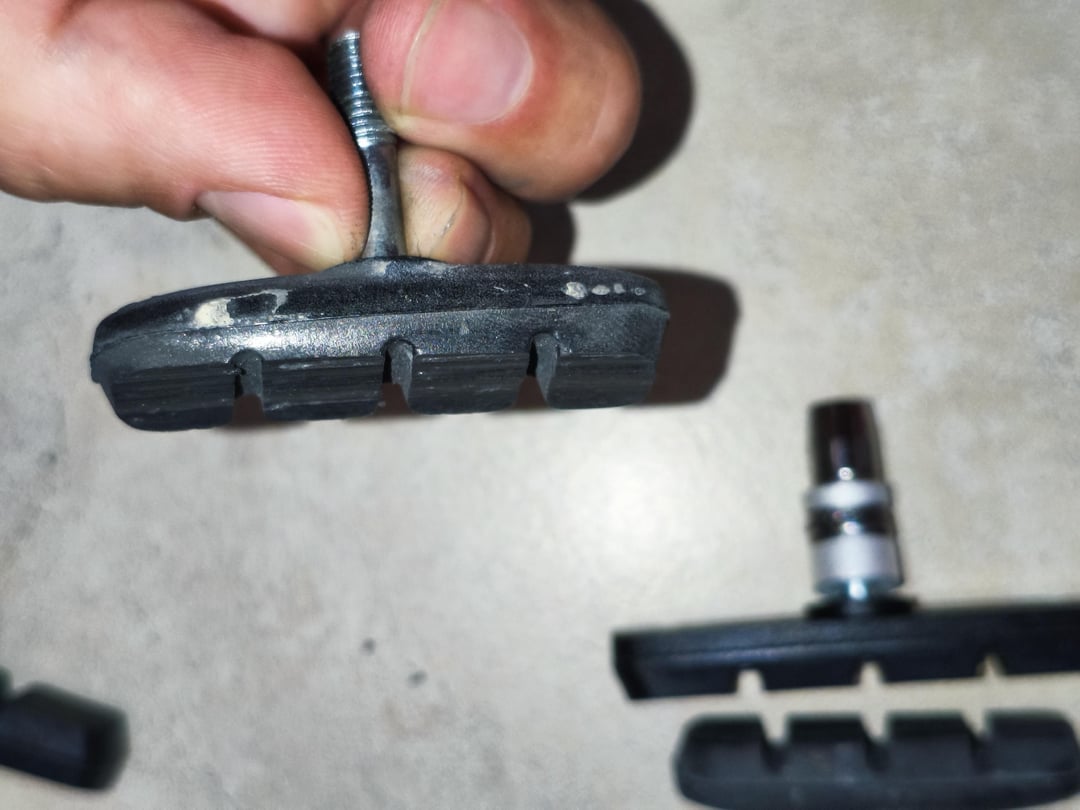
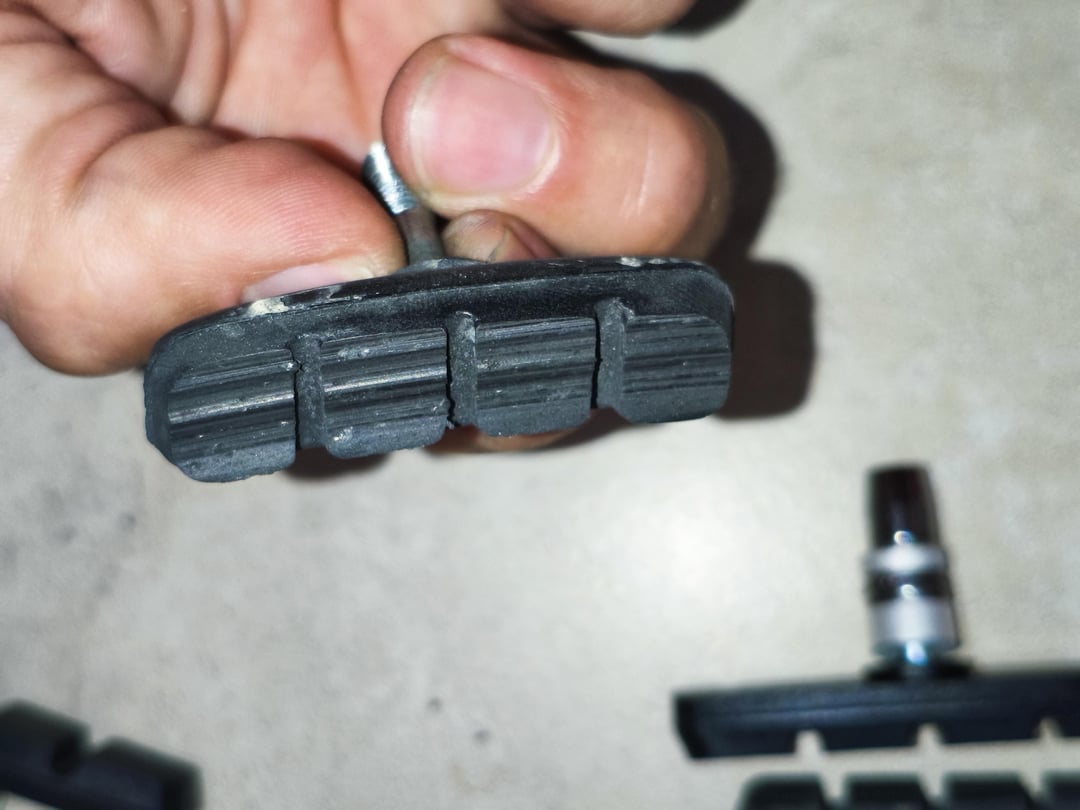
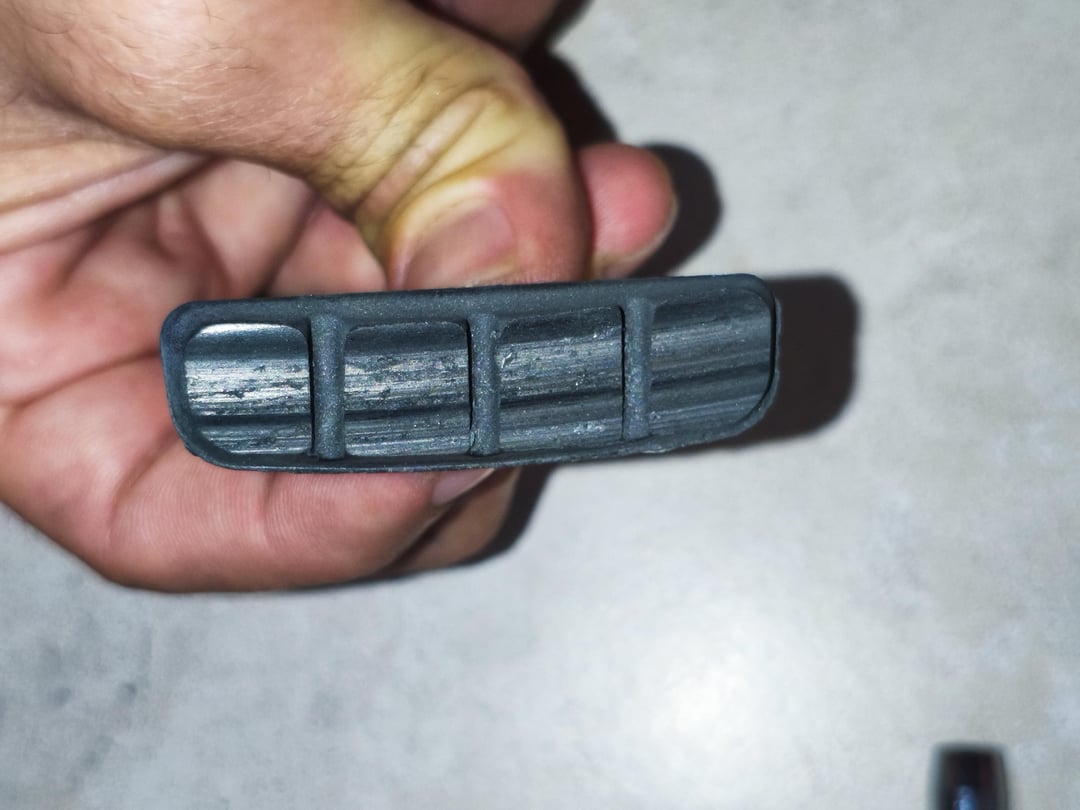
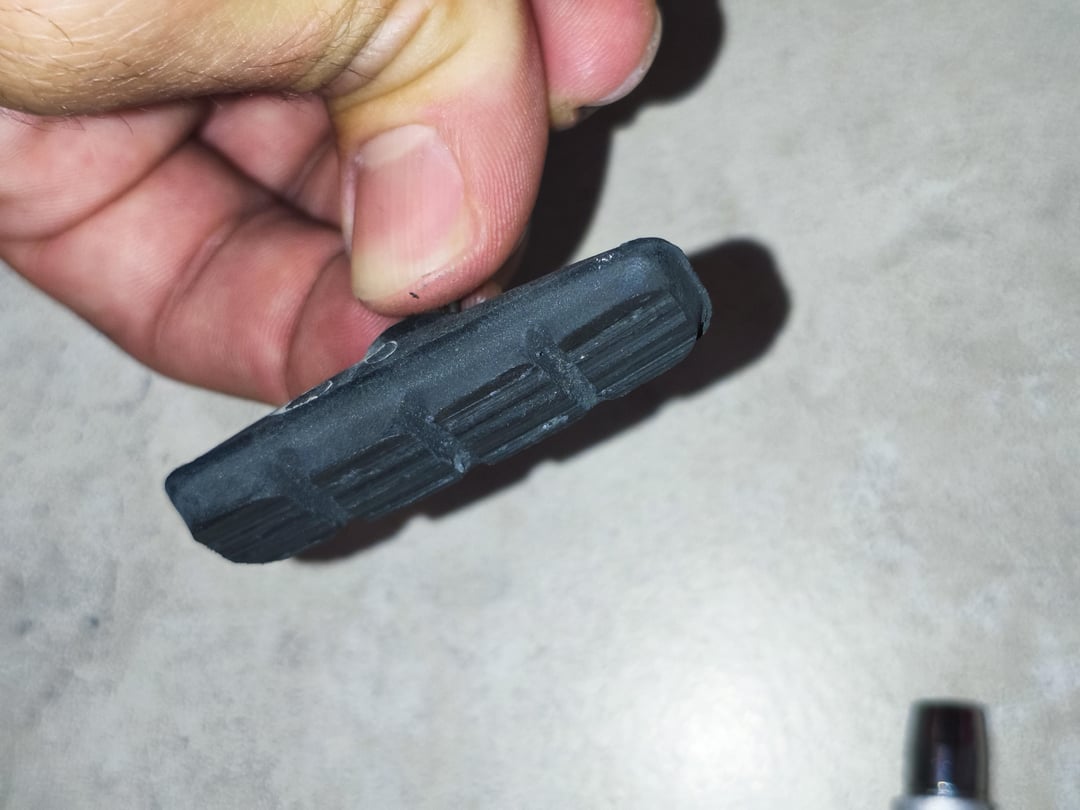
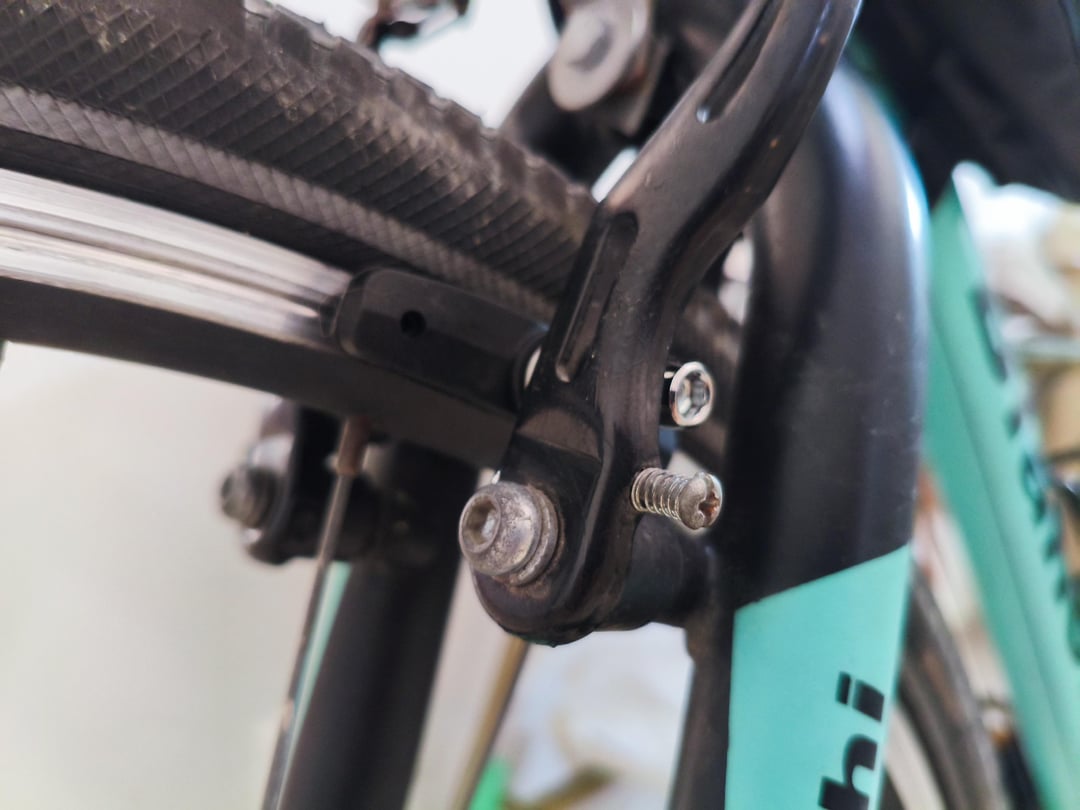
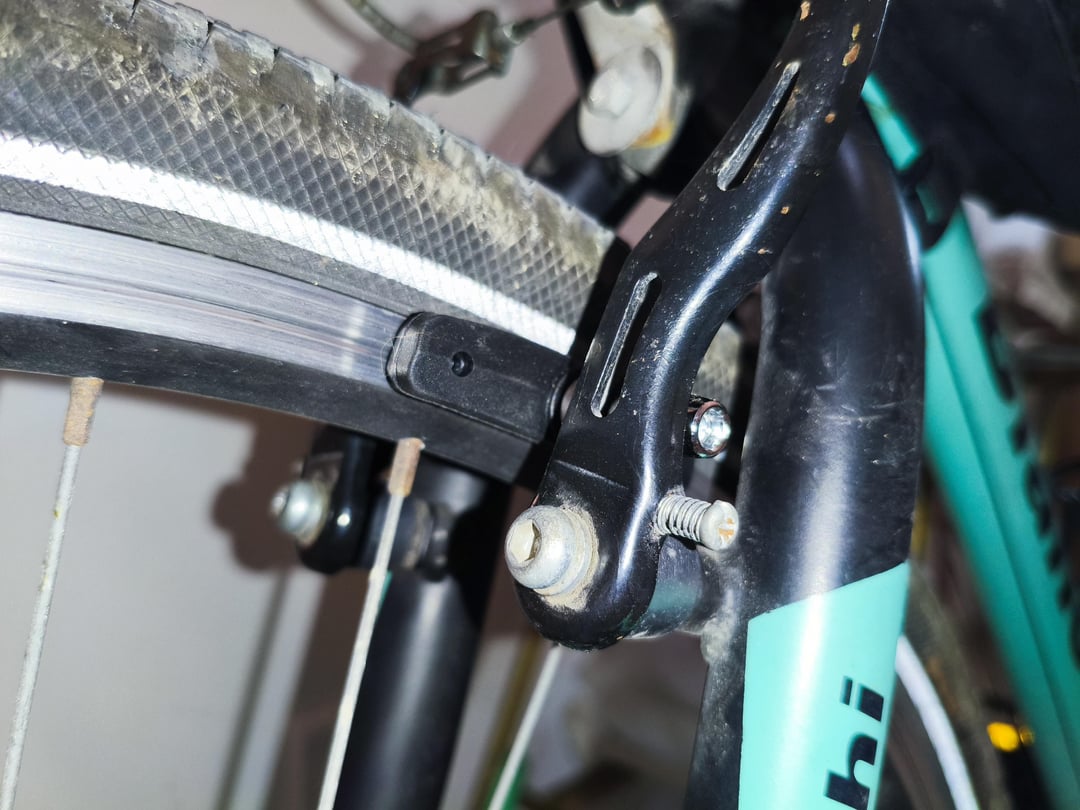
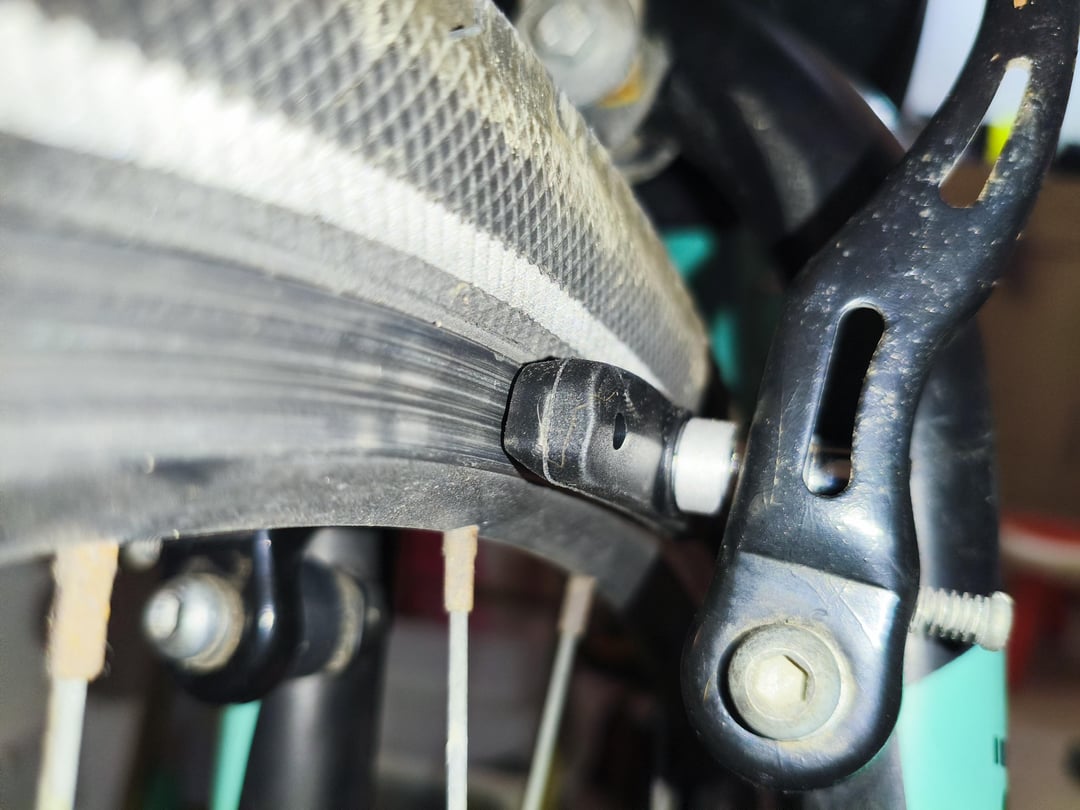
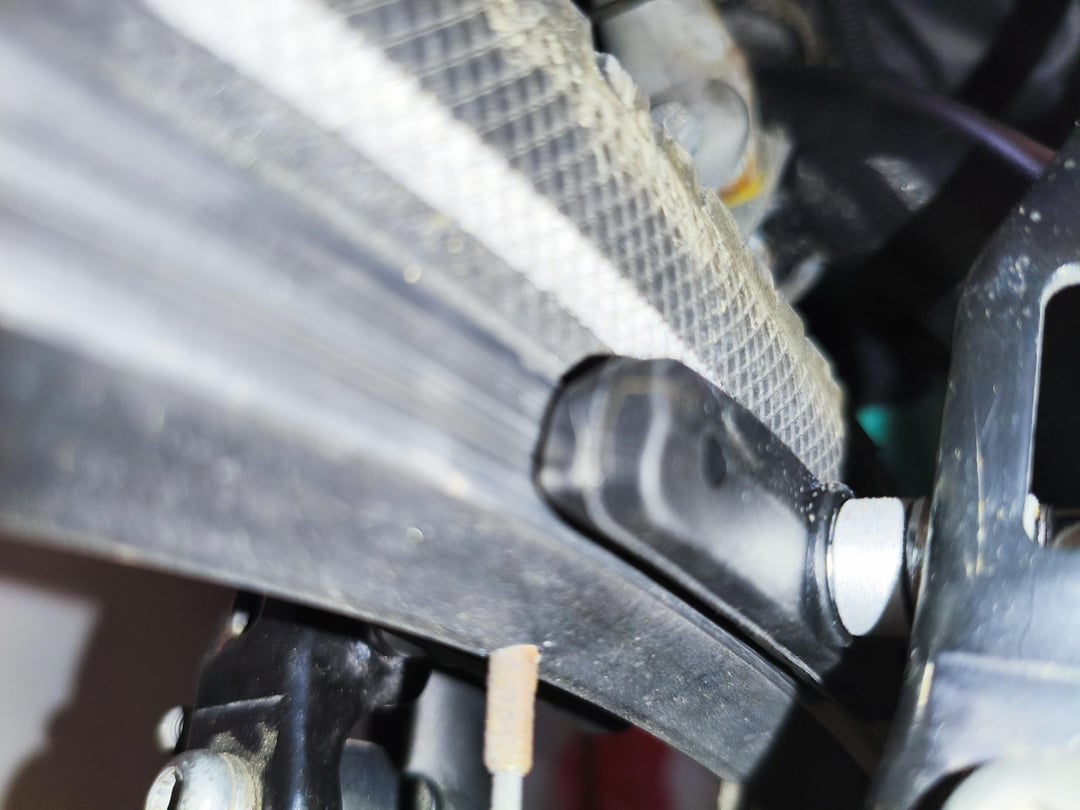
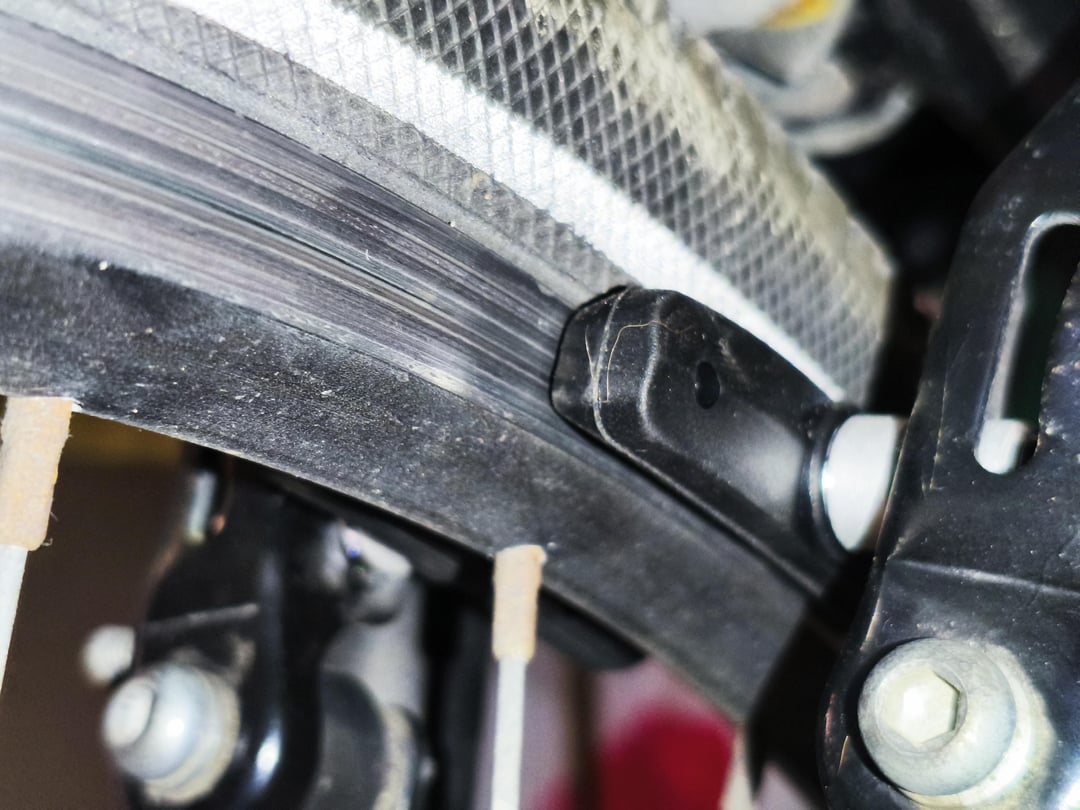
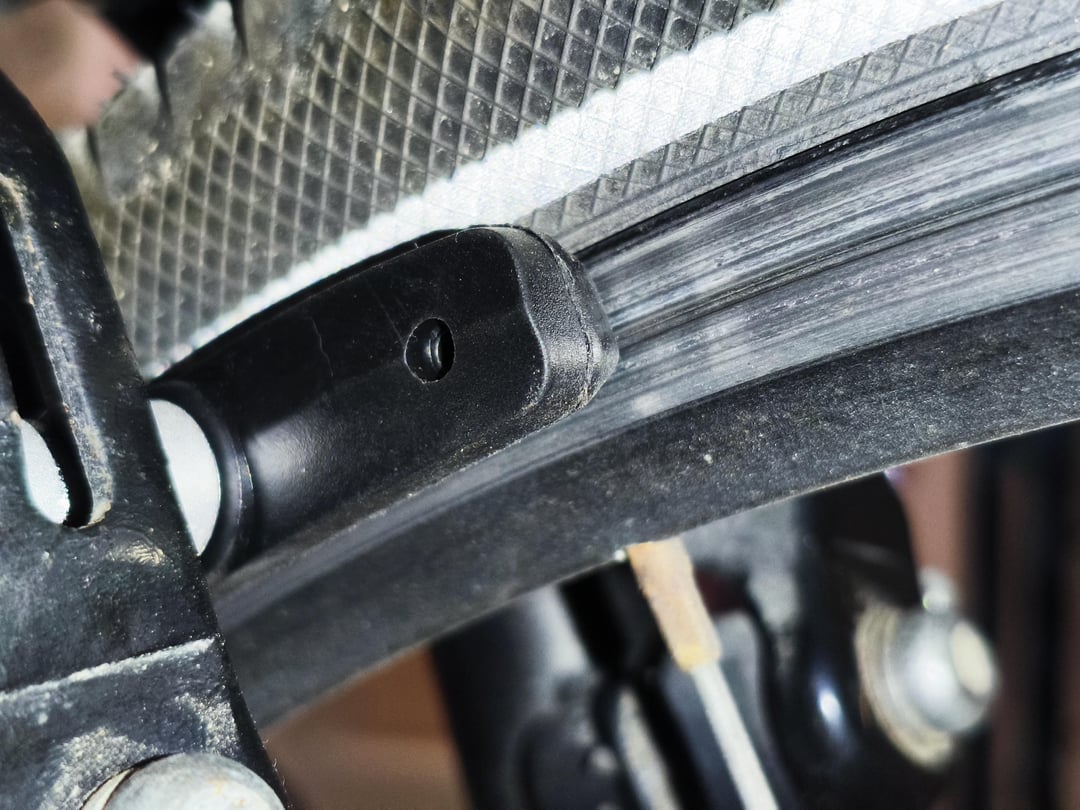
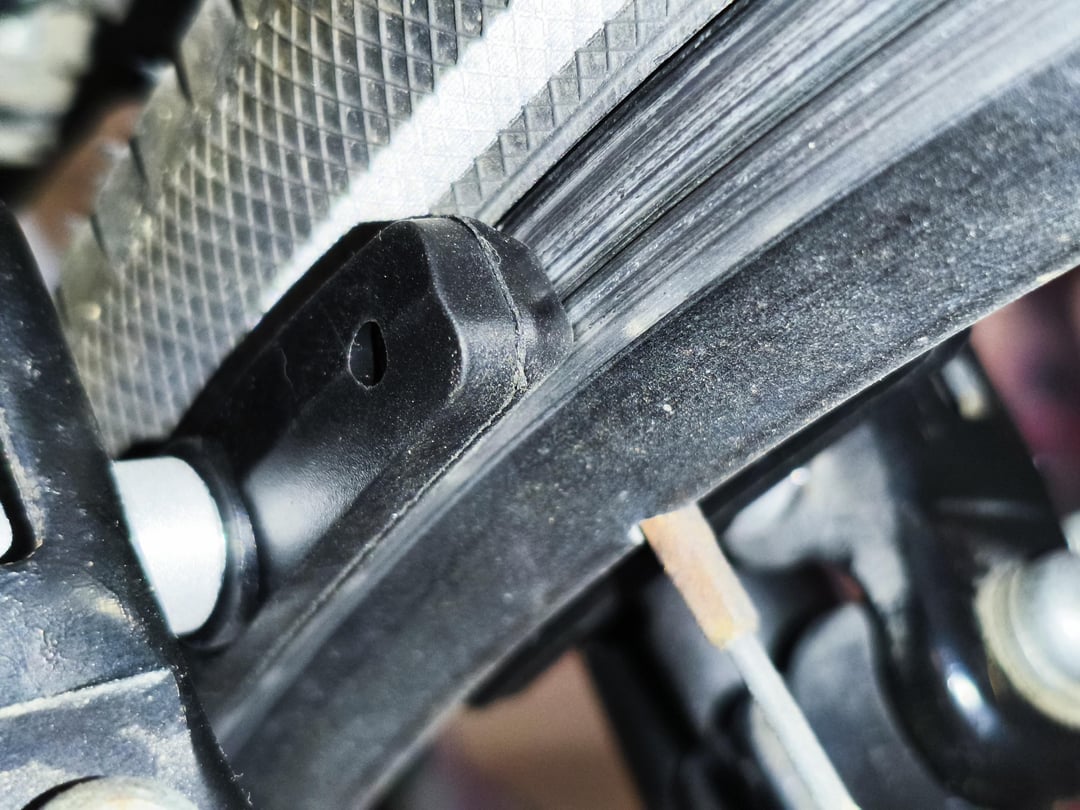
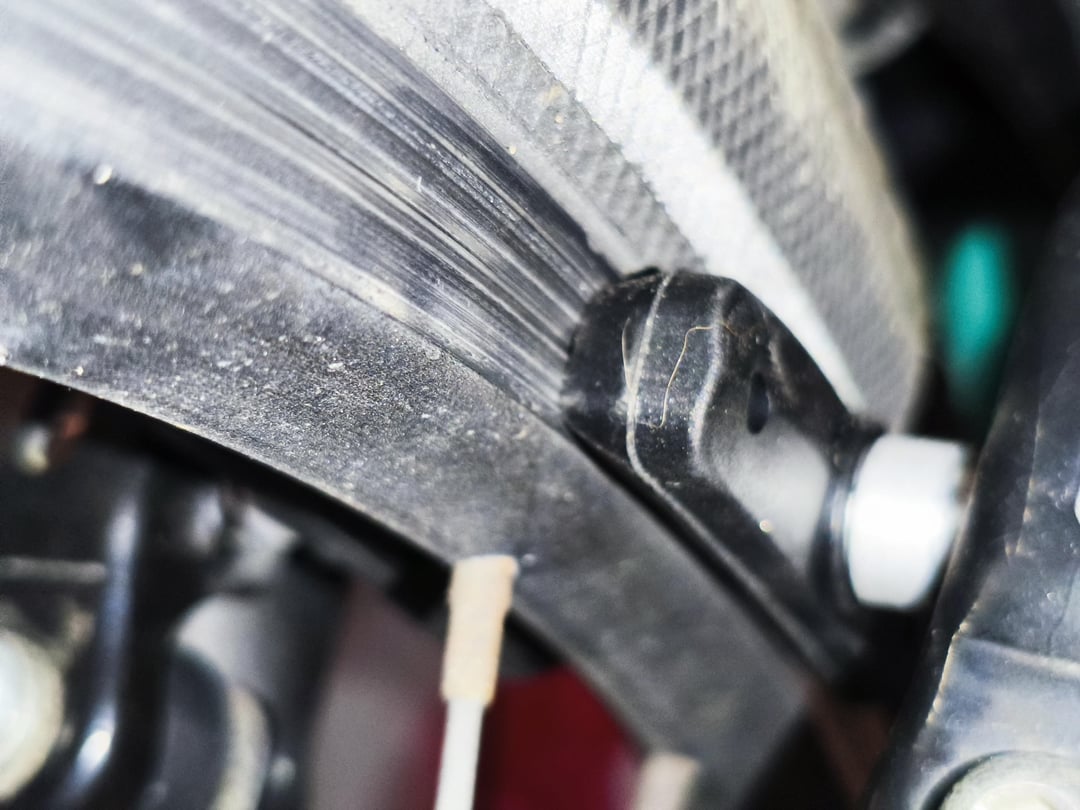
Was it time to replace brakes? New brakes don’t have as much ‘bite’ as the old ones after a test ride.
by Trying_to_fix_a_bike
Was it time to replace brakes? New brakes don’t have as much ‘bite’ as the old ones after a test ride.
by Trying_to_fix_a_bike
5 Comments
as long as the wear indicator « gaps » are visible, you’re good to go (seems more than reasonable here). cleaning brake pads and rims to eliminate contamination/dust/debris helps. also, new pads need to be broken in to achieve optimal braking performance. will get better
It takes some time to mate the surface of the pad to the rim. Look up break-in procedures on youtube. I generally just use light pressure while riding down hill and give it time to cool down between pulses.
Those cheap steel brake arms arent helping. The rim brake surface is past sits useful life too.
The pads do look setup properly.
It takes a bit of use for the brake pad surface to wear to match the rim surface. Also it’s quite easy to get the alignment of the pads out slightly, such that you’re not getting very good contact.
Think of it in terms of glazing. New pads come out of the mold “glazed” and need a bit of abrasion to get to the “good part”.
You can remove the factory finish by braking or can take a bit of sand paper (on the finer side, like 240) and rub the pads. It doesn’t take much, you just need to remove the topmost layer.
The pads will still need a bit of bedding time to fully adapt to the rim, as has already been mentioned.
Lastly, keep in mind that there basically as many pad compounds as there are pad manufacturers, so there’s always a chance that your new pads are harder than your old ones and may simply not feel the same even after the break in/bedding process.