
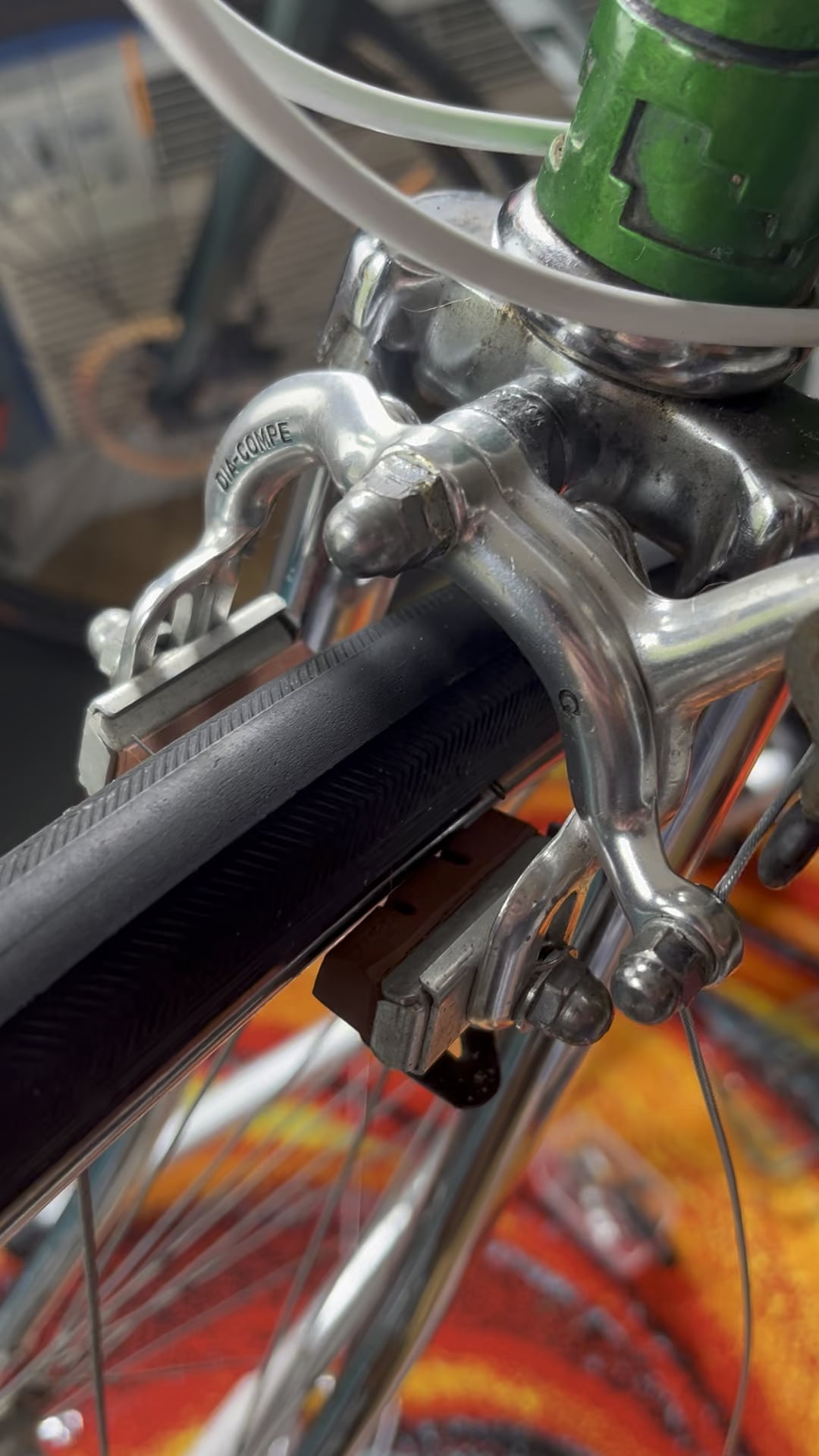
How do I tighten these calipers so that they don’t also make the brakes too tight
How do I tighten these calipers so that they don’t also make the brakes too tight
byu/mishkaTHEmiller inbikewrench
by mishkaTHEmiller
How do I tighten these calipers so that they don’t also make the brakes too tight
How do I tighten these calipers so that they don’t also make the brakes too tight
byu/mishkaTHEmiller inbikewrench
by mishkaTHEmiller
7 Comments
They’re supposed to move side to side like that. That’s how the braking action works. If you have issues with rubbing or only one sode clamping down you may actually want to loosen them slightly or apply some lubricant to the joints (not the pads!)
Use appropriate washers, I’ve seen thrust bearings as thin as washers that are used in old caliper brakes so that you can tighten them without seizing.
Tighten the nut on the other side of the fork, that’s the one that holds it in place..
I just work on my own bikes, I’m no technician so take what I have to say with that in mind but I have always thought the single pivot pull style is supposed to have that play. If you tighten it, then it won’t return to the same open position. With these I always spin the wheel, pull the brake lever hard and spin again. For adjusting the cable if it touches anywhere, loosen and if not, tighten until it does and then back off a bit while repeating the spin, apply brakes, spin test. Newer brakes with dual pivot or other styles are less prone to unevenness but usually you can move the pads to solve any issues with one side always touching first. It’s just got a really basic spring so if the tension is uneven or there’s gunk in the pivot it’s not gonna work great.
That’s maybe a hair too loose to my liking but like others have said, a little movement is required so they can return to open position after braking.
For tightening up, I tend to spin the wheel, pull the brake lever hard to stop the brake in the middle of the actuation then tighten up the retaining nut on the rear of the fork whilst still holding the break lever. It moves back fine and brakes centrally.
Am reading and wondering if we no longer have to adjust the screw by the break leaver to tighten those pads??
That aside as most say those brakes hould have a little play in them to allow for movement of the pad arms