
I'm cometely new to bikes and I'm looking to purchase a mountain bike since I'll be commuting from work to home on hills that are a bit steep, I really have no idea on what to choose based on parts/specs (If possible explain it to me in PC part terms).
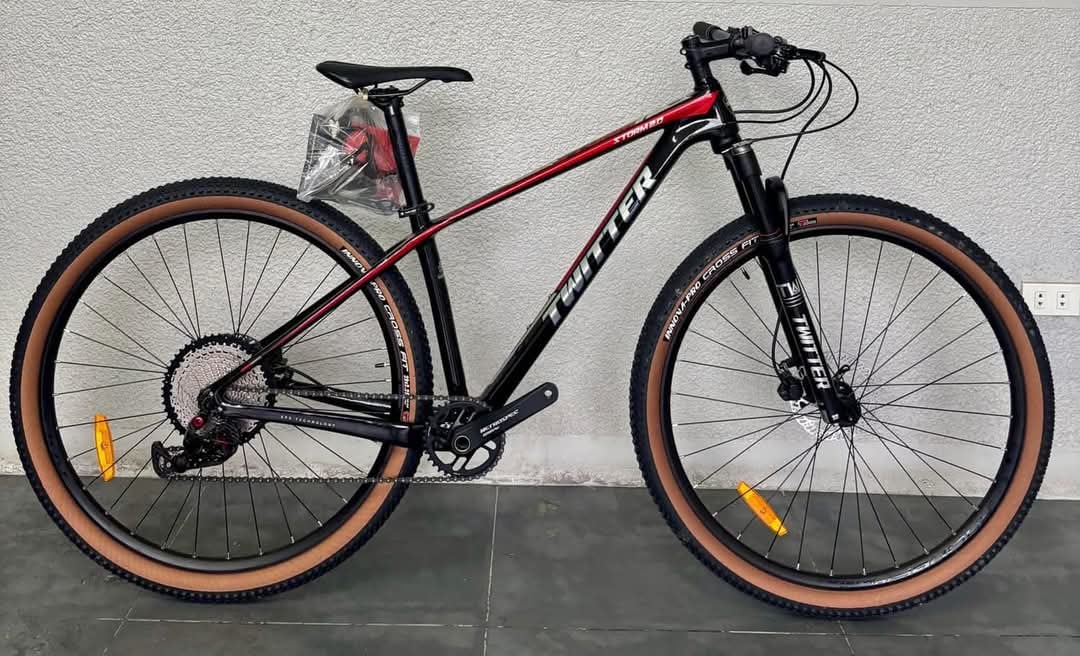
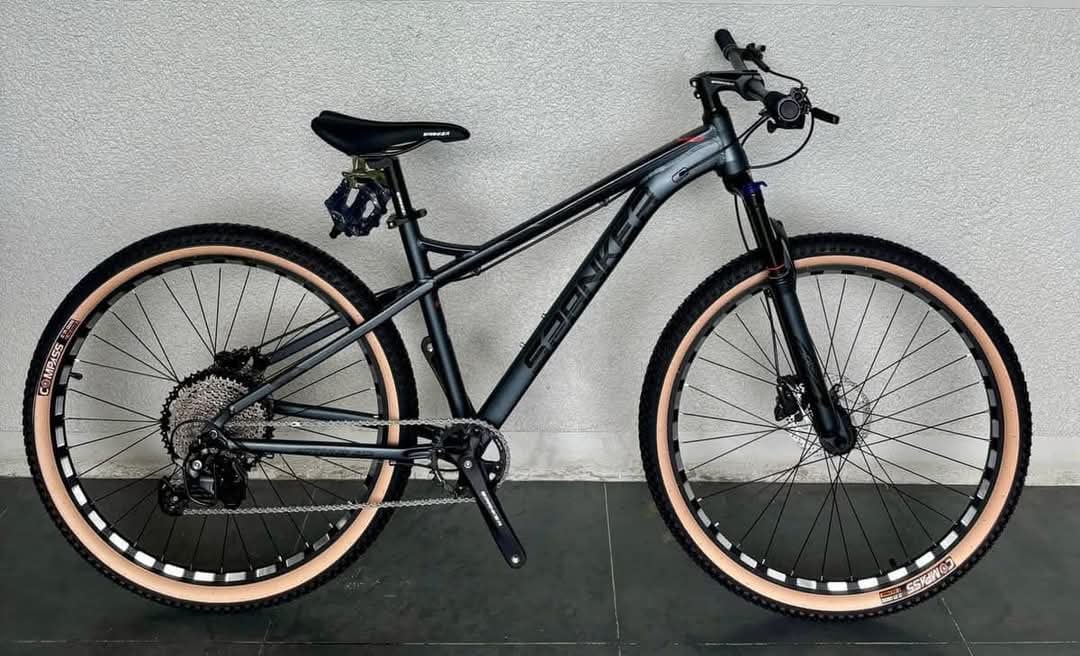
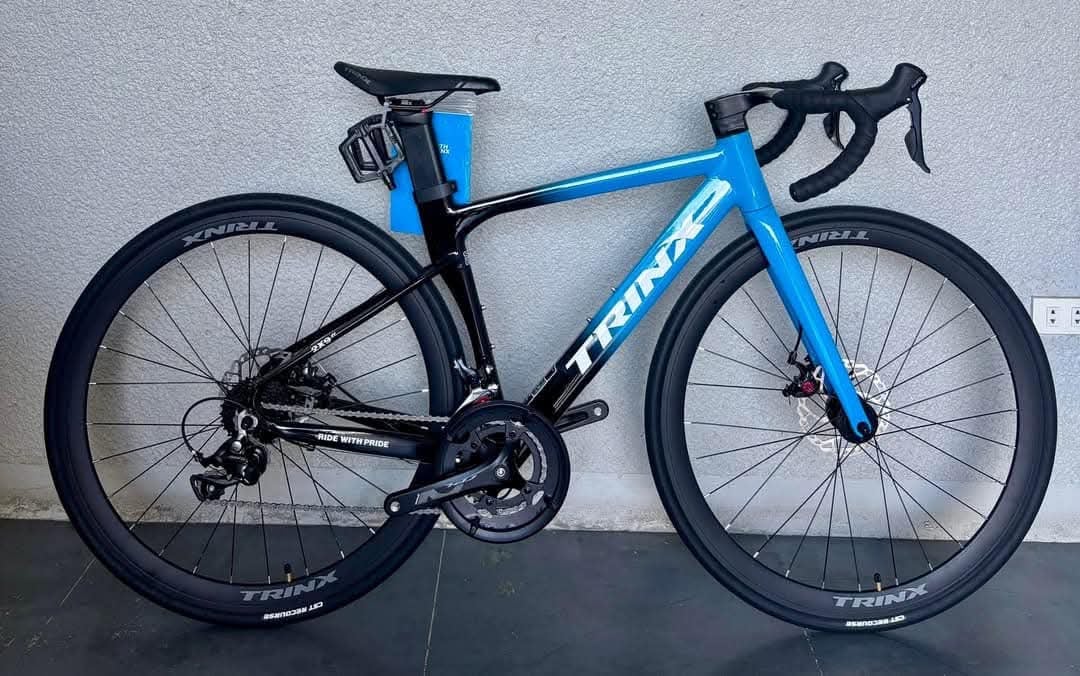
I've listed some bikes that I saw online that looked good for it's price (Purely aesthetics).
by Dozeymonke
6 Comments
If you get the first bike, Elon Musk will buy it from you for $44 billion
How steep are the hills? Are they paved?
get a bike that *fits* you ……a too large, or too small of a bike is a work-out, if not painful
if it fits …then get the *best* components that you can afford ….cheap equipment = you get what you pay for
First narrow down by what I want to do with it that I can’t do on a bike I currently own, or that it does significantly better than one of my bikes.
Then by price. I’m not made of money.
Then I look at reviews.
Then, if I can, I try them out at a local store.
I think when steepness enters the conversations, you will want to look at having a broader gear ratio (more gears or bigger gears on the rear hub) and essentially a light bike. Preferably light wheels.
These are the two things that will help you a lot.
And then, a solid bike, of a famous brand preferably, with a good geometry that fits you, is rigid although comfortable on longer rides so you don’t arrive at work totally rinsed. The size of the frame is very important for comfort and stamina conservation. Too small, your back and arms will hurt. Too big, your back and arms will hurt. Check some online sizing guides by famous brands like specialized or canyon or YT so you know how to select a frame size for your body dimensions !
Finally good components for reliability, especially for the brakes since you’re gonna go steep (down as well?), a brand like Shimano is perfect then.
With all these boxes checked and some proper maintenance, to maintain performance and safety, you’ll keep the bike for super long so it’s worth it !
Finally, the most importantest part : the looks. You have to really like or love your bike. So take all of the info from above and then end up buying a bike in size M instead of L because the M had the design of your dreams and because you’re an idiot and regret this decision 8 years later but damn your bike looks rad mate !
Whereabouts in the world are you? I would honestly recommend going to a bike shop and trying out a couple of options. You’ve attached an interesting range of bikes here – the first two make sense but the last one is an aerodynamic narrow tire road bike with drop bars. That would be an odd choice for a beginner and for a commuter (the riding position takes some getting used to, and if you have a backpack it ruins the aerodynamics anyway).
Tire width makes a huge difference – wider is more work and way harder to go fast, especially on pavement.
Lots of people like to commute on gravel bikes or ‘flat bar hybrid’ bikes, both have narrow tires but not super skinny like a road bike. They accommodate tires with knobbier treads, which work well for a variety of weather conditions.
Weight is a big factor, and there’s a reason light bikes cost more. I would go for an aluminum frame, if I were you.
Last but not least, suspension… if you’re strictly commuting then I wouldn’t bother with a suspension fork, and I’d try to find something rigid. Good suspension costs a lot, weighs a lot, and wastes a lot of energy on flat pavement. However, if you want to try out some trails or light mountain biking, then suspension makes that much more comfortable.
Just like everything in life, it depends what you want to do with it – you wouldn’t get a lifted mud-tired un-aerodynamic jeep if all you do is groceries and highway trips. Just like you wouldn’t take a Toyota Corolla off-roading. You wouldn’t get a gaming computer if all you’re gonna do is office work and answering emails, and vice versa.