
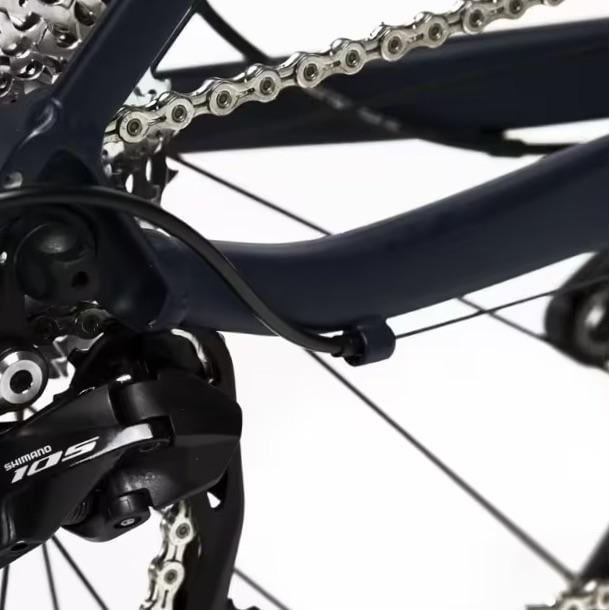
Can someone explain the design of having the inner cable exposed? It seems to just allow dirt into the outer housing and eventually it will not shift.
by noodlecat4
Can someone explain the design of having the inner cable exposed? It seems to just allow dirt into the outer housing and eventually it will not shift.
by noodlecat4
8 Comments
Historically developed. My guess is less friction. Think of the old friction down tube shifters: The RD spring(s) had to be strong enough to pull the cable slack back after shifting down but soft enough to not pull the cable back from the friction held shifters after shifting up. And it worked for decades, even with MTBs. So why change?
The main reason is that cable housing is prone to compressing somewhat, so the more length of outer cable you have the more compression that can happen. That adds “slop” to shifting.
The second reason is friction. This is less of a problem then it was back in the day because with good quality cables both the inner and outer cables have treatments designed to reduced friction that has improved over time – but it can still be noticeable.
You’ve already identified the downsides of exposed cables – and the reason full cable housing is more common on MTBs and gravel bikes than road bikes is for exactly that reason. Although on most high end road bikes these internal cable routing is by far the norm, and they almost exclusively use full length housing inside the frame.
Modern bikes have already moved on to hidden cables. (Not fully hidden) Even at entry level models.
Of course nowadays they still make bikes with exposed cables if the company thinks it keeps the cost even lower or it’s a retro inspired bike.
There is long nose cable cap and you can also inject white oil into the cable cap to prevent water & dust.
My work around is slick lube liner for the exposed cable and sealed housing ends. Worked really well until I moved to a frame that can use full housing
if you do just basic servicing/cleaning it would never pose an issue.
Something that hasn’t been addressed is cost and « style ». There are still a lot of steel frames that have outer cables exposed – including boutique frames or hand-made frames. It’s a mix of building practicability, thinnesse of the steel tubes used in some cases, and also of course appealing to the retro gouche that pretends that inner cables rattle and are a hassle to route and maintain.
I’d personally be for full housing on the outer side, like they used to do on cheaper MTB. It’s the best of both worlds IMO.
Changing cables and housing like this costs less than £10 and takes about twenty minutes.