One of the PITA initial prep steps is to remove the grease from a new factory chain, or any existing oil based lube. Normally you’d soak the chain with repeated tolulene or similar, then alchohol dips to completely clean it, before doing your first wax. Silca however has sorted a process that chemically converts grease/oil to wax, which means you can just take a clean, factory greased chain, and drop it in the wax instead of messing with solvents. It’s some very cool organic chemistry stuff: [https://silca.cc/collections/chain-lube-wax/products/strip-chip](https://silca.cc/collections/chain-lube-wax/products/strip-chip)
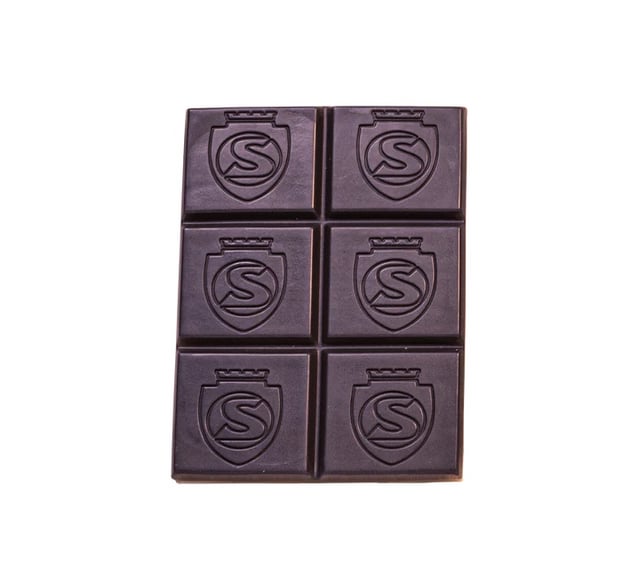
The idea is that each time you treat a new factory greased chain, you break off one “chip” (pic 3) and toss it in with the chain and existing wax. The chip has the compounds needed to kick off the oleogelation (fairly new chemistry coming from agricultural science world) which basically converts the grease and oil to wax, leaving any anti-corrosion etc. compounds that were forumulated with the grease active.
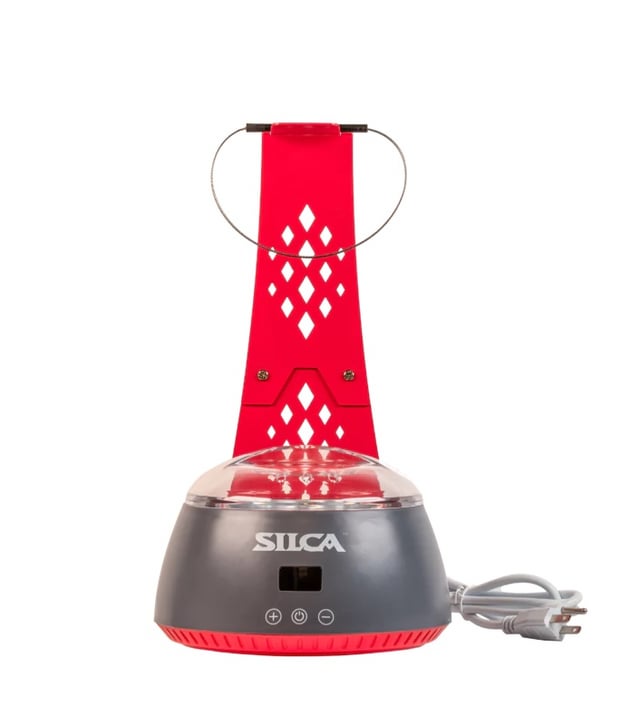
The one caveat though is that the process requires getting the wax and chain to 125 C (257 F) for 10 minutes for the chemical magic to occur. Normally, your target for wax when treated a chain is about 75 C (167 F). Silca has sorted this out with a wax pot with the necesary set temps (pic 4) which would cost me about $170 CAD to my door.
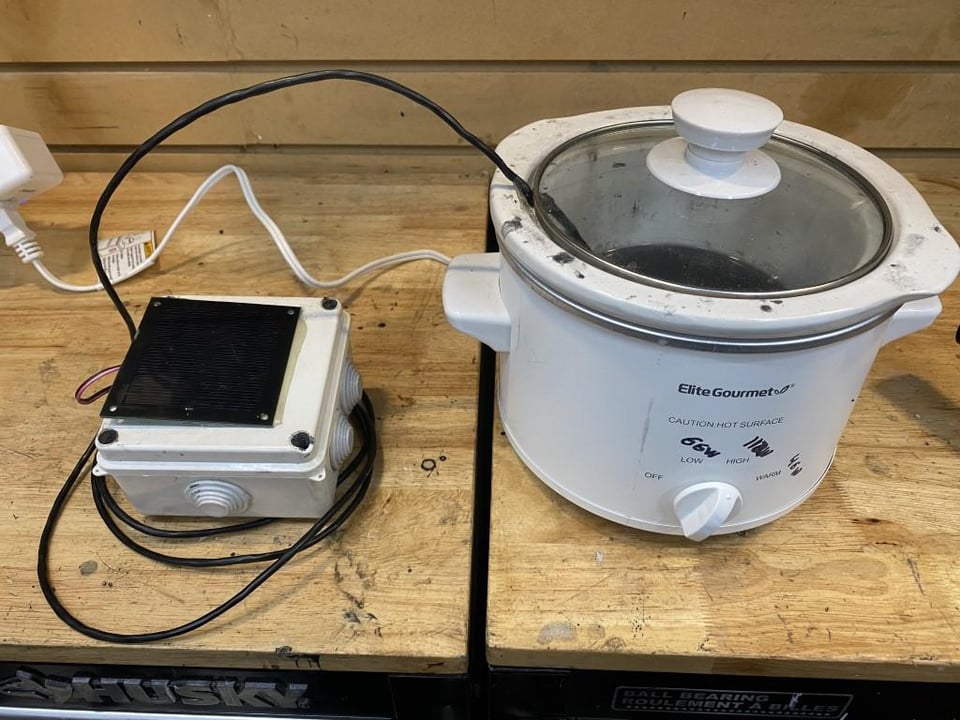
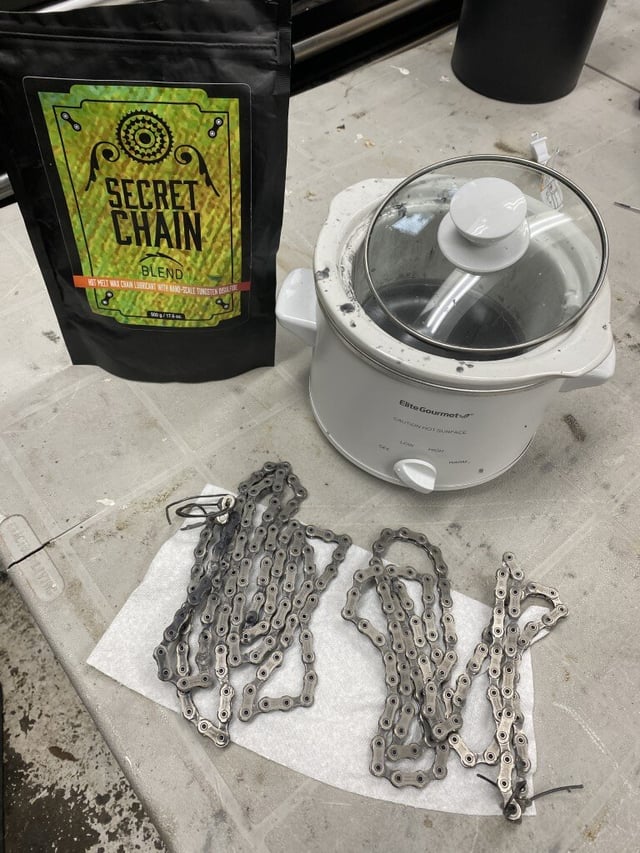
I had already purchased a cheap 1 1/4 quart slow cooker ($25 CAD) for this purpose. I haven’t worried so much about temps, but going forward, I wondered if there was a quick way to make my cheap slow cooker, a “smart” appliance with precise temperature control. I had some automation bits hanging around so figured I would give it a try. One zigbee (wireless) temperature probe, a dimming lamp module, and about 3 minutes worth of code later, success 🙂
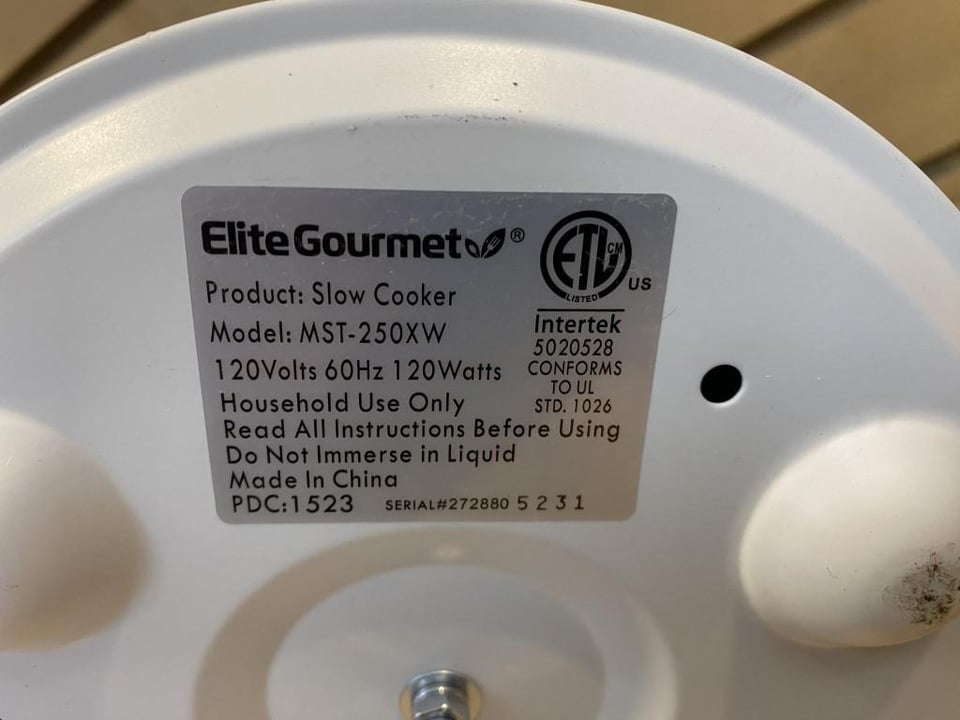
The cooker has 3 settings Low, Medium, and Warm. These measured out to 66 watts (low), 112 watts (high) and 46 watts (warm). Low and warm don’t seem capable of melting the wax at all, particularly as my shop temps during testing were right around freezing temps inside. The other question I had was if the unit could even get the wax to 125 C (257 F)? In the last chain/wax cycle I turned the unit on when I was heading out for a ride, with the chain in there, and by the time I got back the chain was ready to pull out. Easy peasy..but no temperature control.
For temperature, I used a Zigbee (wireless, modified for solar power) door sensor with a cheap $2 DS18B20 temp probe attached.
The dealio in pic 5 with the blue LED light is an old Zigbee wireless lamp dimmer controlled by the Hubitat automation hub.
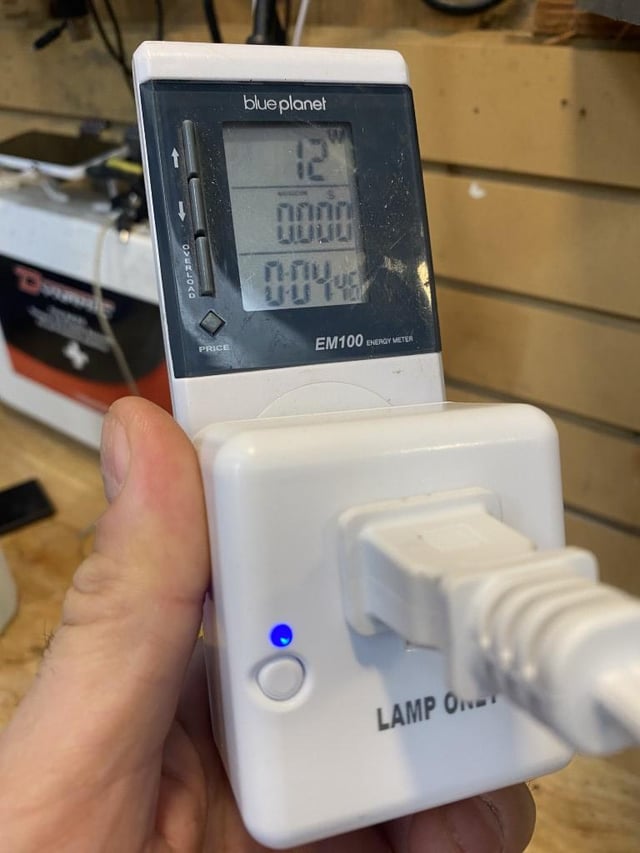
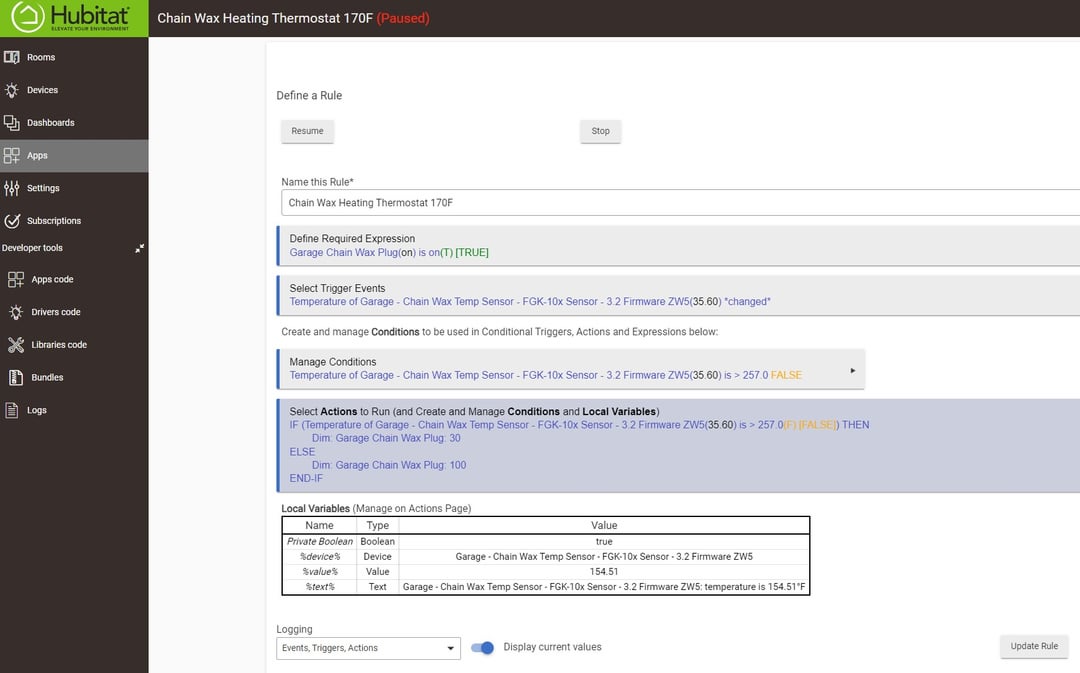
The code shown in pic 7 runs every time the wax temperature changes. If the wax reaches 257 F, it dials back the dimmer to 30%, which cuts wattage to the pot (normally 112 watts) to about 20 watts. In the pic above, it was dialed back to 20% on the dimmer, so 12 watts. Once the wax cools below 257 F, the dimmer/pot goes back to 100% wattage.
Turns out this works very well for both a 75 C (167 F) set point and 125 C (257 F) set point, controlling the temp within a range of +- 3 C (+- 5 F). The dumb wax pot is now pretty smart 🙂

1 Comment
One of the PITA initial prep steps is to remove the grease from a new factory chain, or any existing oil based lube. Normally you’d soak the chain with repeated tolulene or similar, then alchohol dips to completely clean it, before doing your first wax. Silca however has sorted a process that chemically converts grease/oil to wax, which means you can just take a clean, factory greased chain, and drop it in the wax instead of messing with solvents. It’s some very cool organic chemistry stuff: [https://silca.cc/collections/chain-lube-wax/products/strip-chip](https://silca.cc/collections/chain-lube-wax/products/strip-chip)
The idea is that each time you treat a new factory greased chain, you break off one “chip” (pic 3) and toss it in with the chain and existing wax. The chip has the compounds needed to kick off the oleogelation (fairly new chemistry coming from agricultural science world) which basically converts the grease and oil to wax, leaving any anti-corrosion etc. compounds that were forumulated with the grease active.
The one caveat though is that the process requires getting the wax and chain to 125 C (257 F) for 10 minutes for the chemical magic to occur. Normally, your target for wax when treated a chain is about 75 C (167 F). Silca has sorted this out with a wax pot with the necesary set temps (pic 4) which would cost me about $170 CAD to my door.
I had already purchased a cheap 1 1/4 quart slow cooker ($25 CAD) for this purpose. I haven’t worried so much about temps, but going forward, I wondered if there was a quick way to make my cheap slow cooker, a “smart” appliance with precise temperature control. I had some automation bits hanging around so figured I would give it a try. One zigbee (wireless) temperature probe, a dimming lamp module, and about 3 minutes worth of code later, success 🙂
The cooker has 3 settings Low, Medium, and Warm. These measured out to 66 watts (low), 112 watts (high) and 46 watts (warm). Low and warm don’t seem capable of melting the wax at all, particularly as my shop temps during testing were right around freezing temps inside. The other question I had was if the unit could even get the wax to 125 C (257 F)? In the last chain/wax cycle I turned the unit on when I was heading out for a ride, with the chain in there, and by the time I got back the chain was ready to pull out. Easy peasy..but no temperature control.
For temperature, I used a Zigbee (wireless, modified for solar power) door sensor with a cheap $2 DS18B20 temp probe attached.
The dealio in pic 5 with the blue LED light is an old Zigbee wireless lamp dimmer controlled by the Hubitat automation hub.
The code shown in pic 7 runs every time the wax temperature changes. If the wax reaches 257 F, it dials back the dimmer to 30%, which cuts wattage to the pot (normally 112 watts) to about 20 watts. In the pic above, it was dialed back to 20% on the dimmer, so 12 watts. Once the wax cools below 257 F, the dimmer/pot goes back to 100% wattage.
Turns out this works very well for both a 75 C (167 F) set point and 125 C (257 F) set point, controlling the temp within a range of +- 3 C (+- 5 F). The dumb wax pot is now pretty smart 🙂