
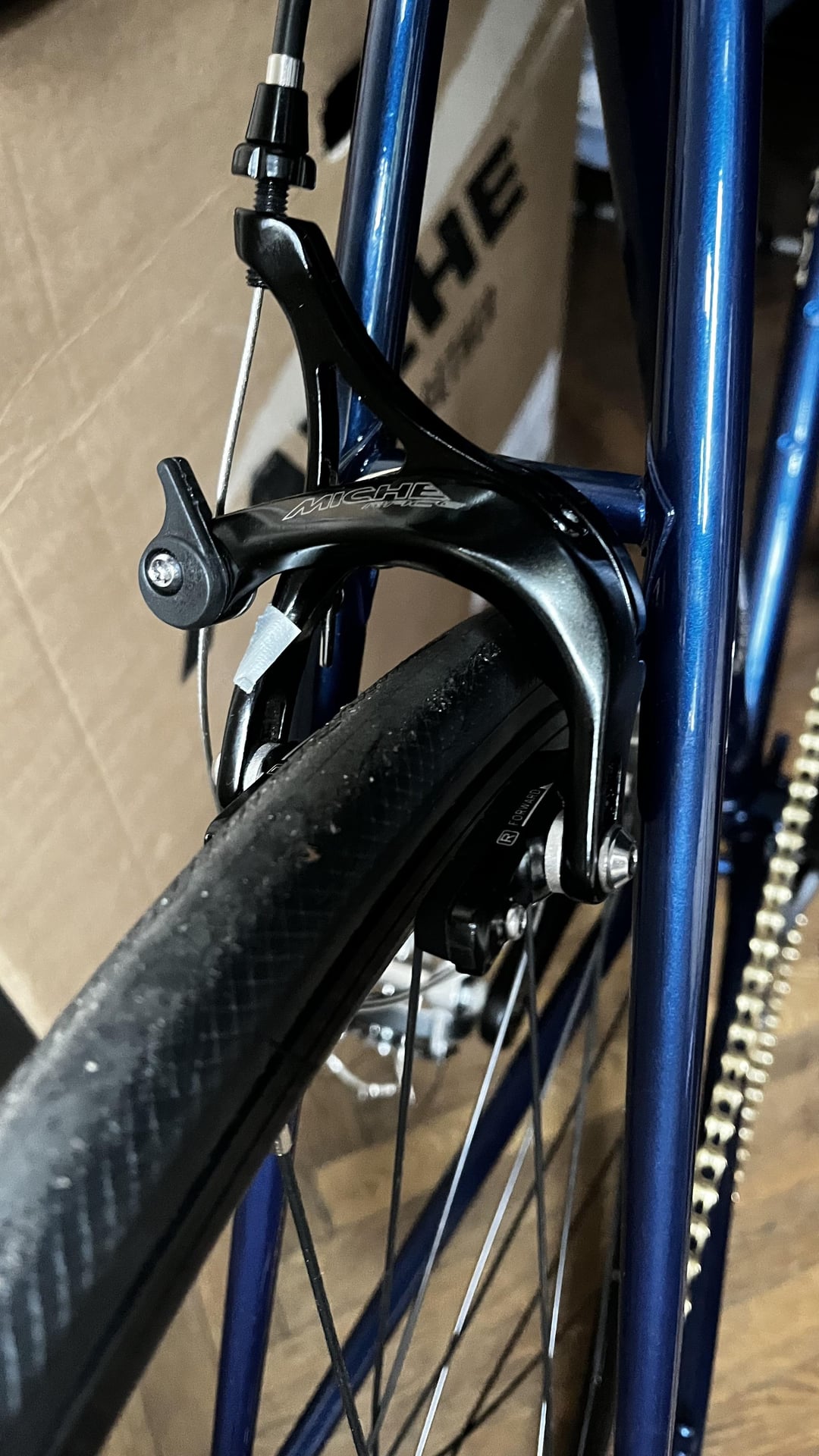
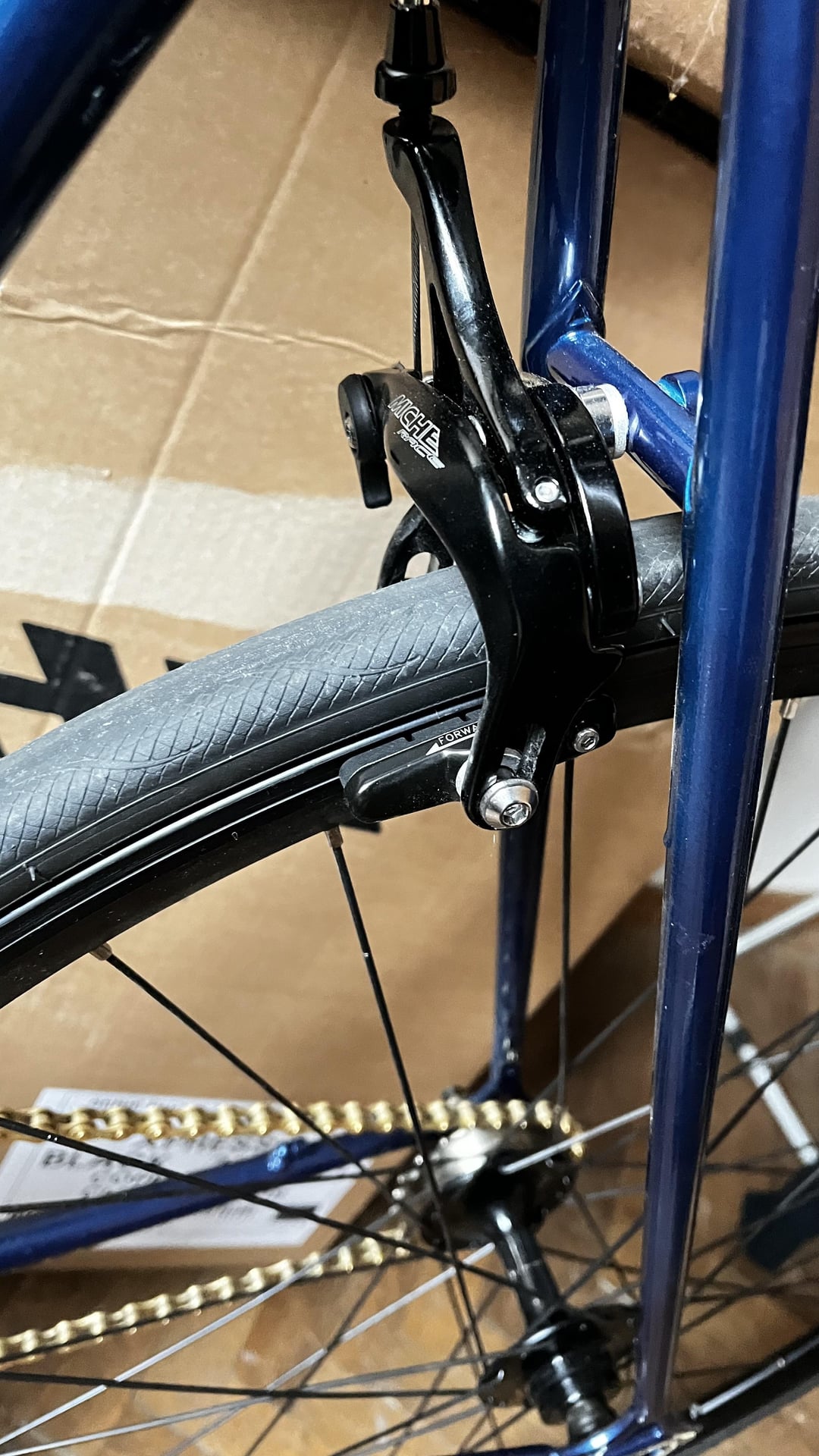
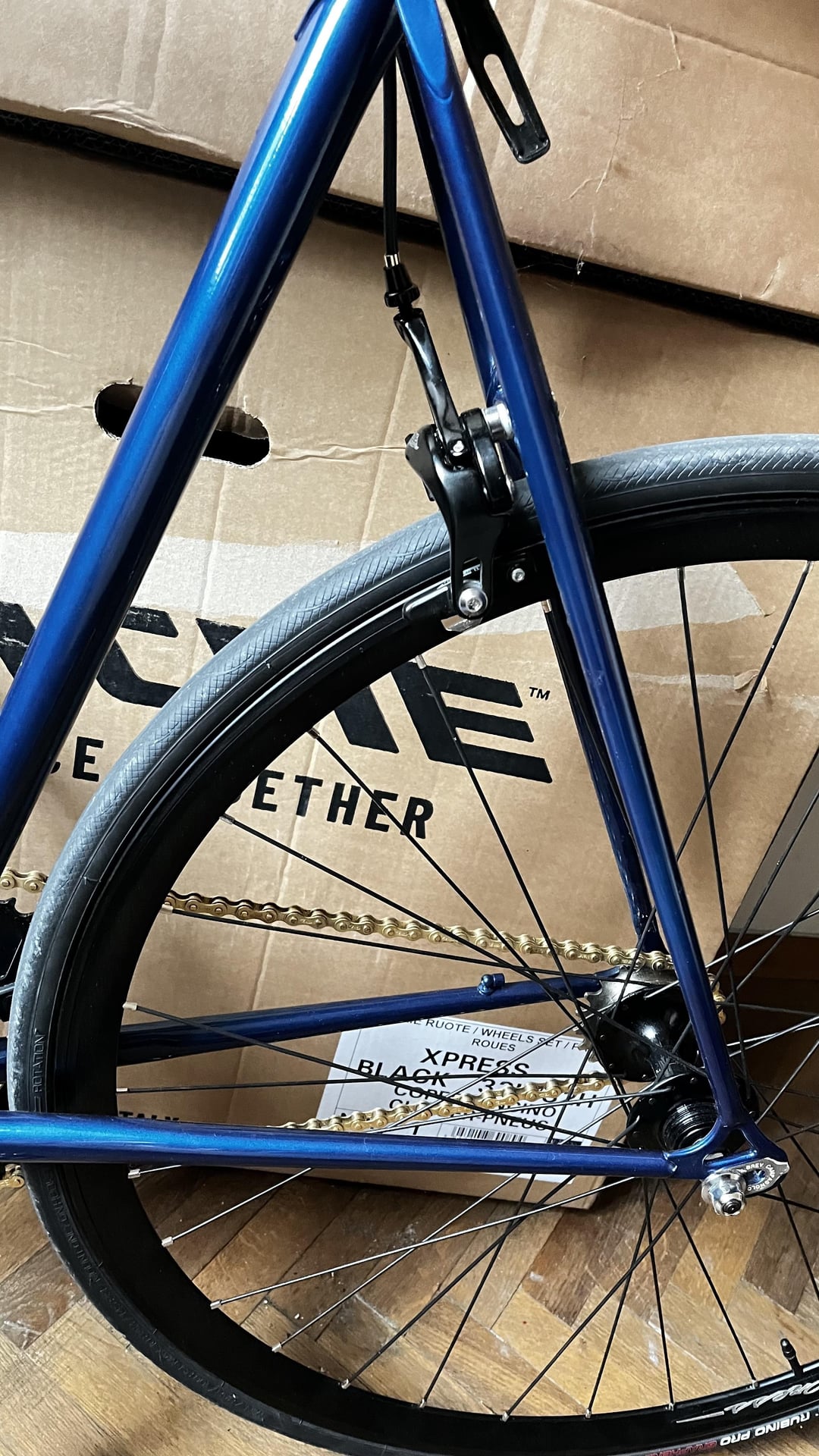
These brakes don’t have the reach installed the correct way, but they work fine installed backwards. Is it dangerous to use it like this or it’s ok?
by OkTiger5709
These brakes don’t have the reach installed the correct way, but they work fine installed backwards. Is it dangerous to use it like this or it’s ok?
by OkTiger5709
20 Comments
[deleted]
Sin no, dangerous yes.
If the tiny screws holding the brake rubbers into the metal come loose you will fire the rubbers forwards when you brake
If the thought, would this be dangerous is coming to mind, wouldn’t it just be better to set it up correctly.
The calliper will just be feeling like it’s on a front fork. It’s weird, but feels less weird than those street BMXs with their vbrakes on the chainstay.
Just monitor the seat stay bridge & make sure it isn’t deforming.
I trust that you have used all of the right hardware to secure the calliper?
It’s the rear. Perhaps there’s some sub-optimal flex when mounted this way but long as you have the brake pad holders oriented the correct way I don’t see any real danger here.
They say about 70% of the braking comes from the front wheel and 30% from the rear brakes. I assume that the forces are similarly distributed between the wheels during braking. So if this placement is capable of withstanding an approximately 2x as big rotational force on the front fork, then it should be fine on the rear wheel as well.
Back in the day some TT bikes came with the rear caliper mounted under the chain stays for “aerodynamics”. I believe there were MTB bikes that did this as well. You should be fine.
i’m feeling really stupid here… what is wrong with this image? nothing looks backwards to me!
Would you be able to change correct length of chain to the bike? To me it looks like the whole rear wheel could be mounted a bit further back.
The chain looks a bit too short. I wouldn’t ride it with the wheel this far out of the dropout.
Especially being singlespeed and expected high torque on hills, this will likely come loose.
The axle nut should make contact all around and not float in the air…
Sidenote: Go fixed and only install a front break for more street cred. Bonus points for going brakeless /s
Nope not dangerous at all.
Just ensure the pads are facing the correct direction due to reverse facing caliper.
Your rear wheel is really far forward, far enough that I’d question if the nits are fully engaging on the dropout. Are you sure you can’t run a chain with +1 link and move the wheel (and brake) reward to a more normal position?
rear dropput/axle scares me
It may be a sin. The way you have the calipers now, they are more ‘out of the way’ (in a good way) which makes me wonder why this setup isn’t the standard. I personally would ride this way but an engineer might be able to explain why it’s not a great idea in the long term. I’d say ride it as is and pray for forgiveness until you get a long enough cable/housing and change it to the righteous way.
Get that wheel positioned correctly before addressing the brakes. As others have said, it looks like your chain is too short to allow the wheel to sit correctly. Please don’t ride it like this.
Once you fix the rear axle issue, those brakes may reach on the other side.
I used to do that if possible because of UK brake setup (right/front, left/rear) the cable routing for the rear brake is much better this way (on my bikes anyway).
Yes, it’s dangerous as those look like slide in brake pads. The “stop” or closed area is facing the wrong way so when you engage the brake it will eventually rip the pads out from the holder. You need correct this. Only takes an Allen wrench and 5 minutes.
Used to be a builder on the east coast, Harry Havnunien (butchered the spelling) that had his rear brakes like this. Raced w guys w the set up, never an issue.
It is a sin from best-practice for a rear brake because it’s designed to “compress” into the frame as you pull the brake and the pads grab the wheel. This setup it’d be pulling the brake off the frame trying to rip the mounting bolt out and going against the pad dorection. Properly mounted the rear brake pushes up against the frame in compression so it’s able to take much more braking force for its designed intent. The pads look like they’re slide in and under braking would want to slide out.
Some brakes/frames are designed to set up this way, others happen to be strong enough to support this for lighter use cases but it’s not a gamble I’d want to take
For science I’d be curious if a front brake there would be a working option because it’d be fighting forces in the proper rotational direction but it’s easier to just run what you have on the proper side.