
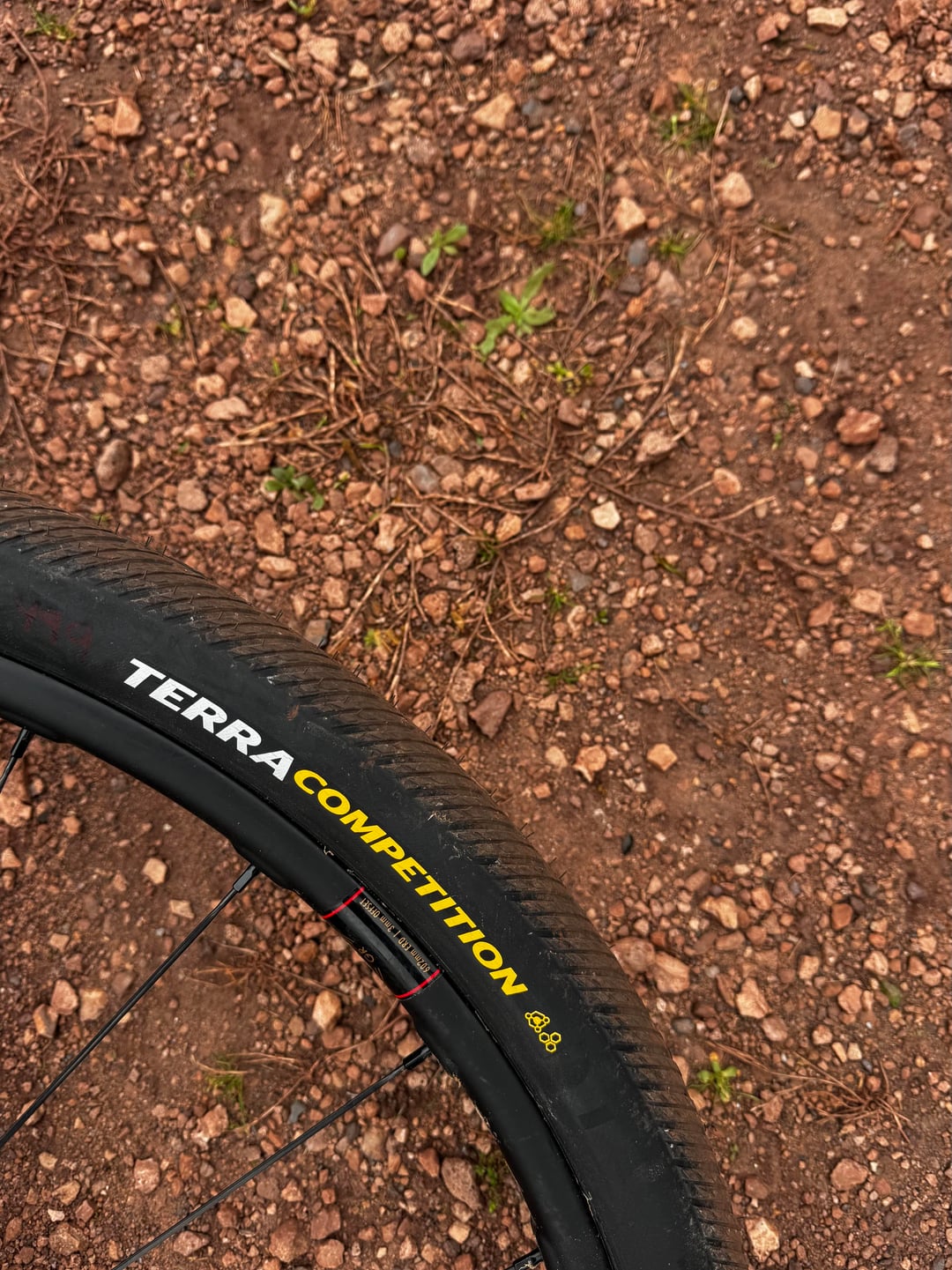
Exactly one month ago, Continental announced the release of it's fastest gravel tire ever. In their words, "The Terra Competition features a specialized tread pattern optimized for rough tarmac, compressed soils, and light gravel in dry to moist conditions. The design incorporates an almost continuous center area designed for straight-line speed, while pronounced shoulder knobs provide the necessary soil interaction for off-road performance." This also Conti's first gravel tire intended for aerodynamic optimization, although we don't know what wheel system or exact tire size this optimization is based around. They also have claims of improved rolling resistance compared to the existing Terra Speed model.
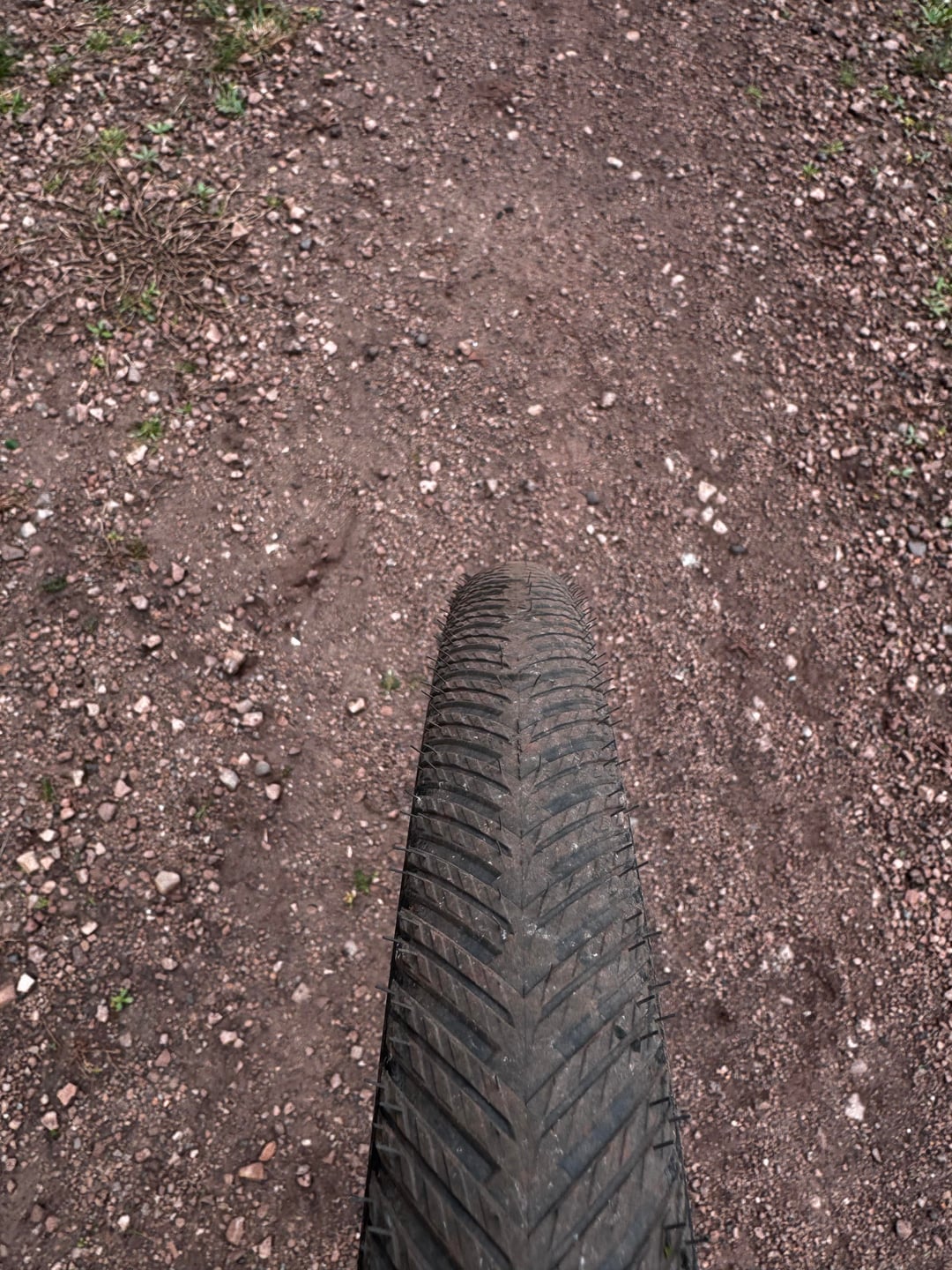
The Terra Competitions I have measured in at 45 mm exactly when inflated on a 25 mm internal width Reserve rim with a 116 mm flat bead to bead width. A little bigger than the 45 Terra Speed for sure. Average weight for my set was 504 grams. Numbers aside, the most striking thing about these is the v shaped tread pattern which is rather thick in the center at 3.5 mm. This gives the tire a unique visual profile with a bit of an abbreviated tread area at the lateral edges. I had no issues inflating these and the quality is quite good.
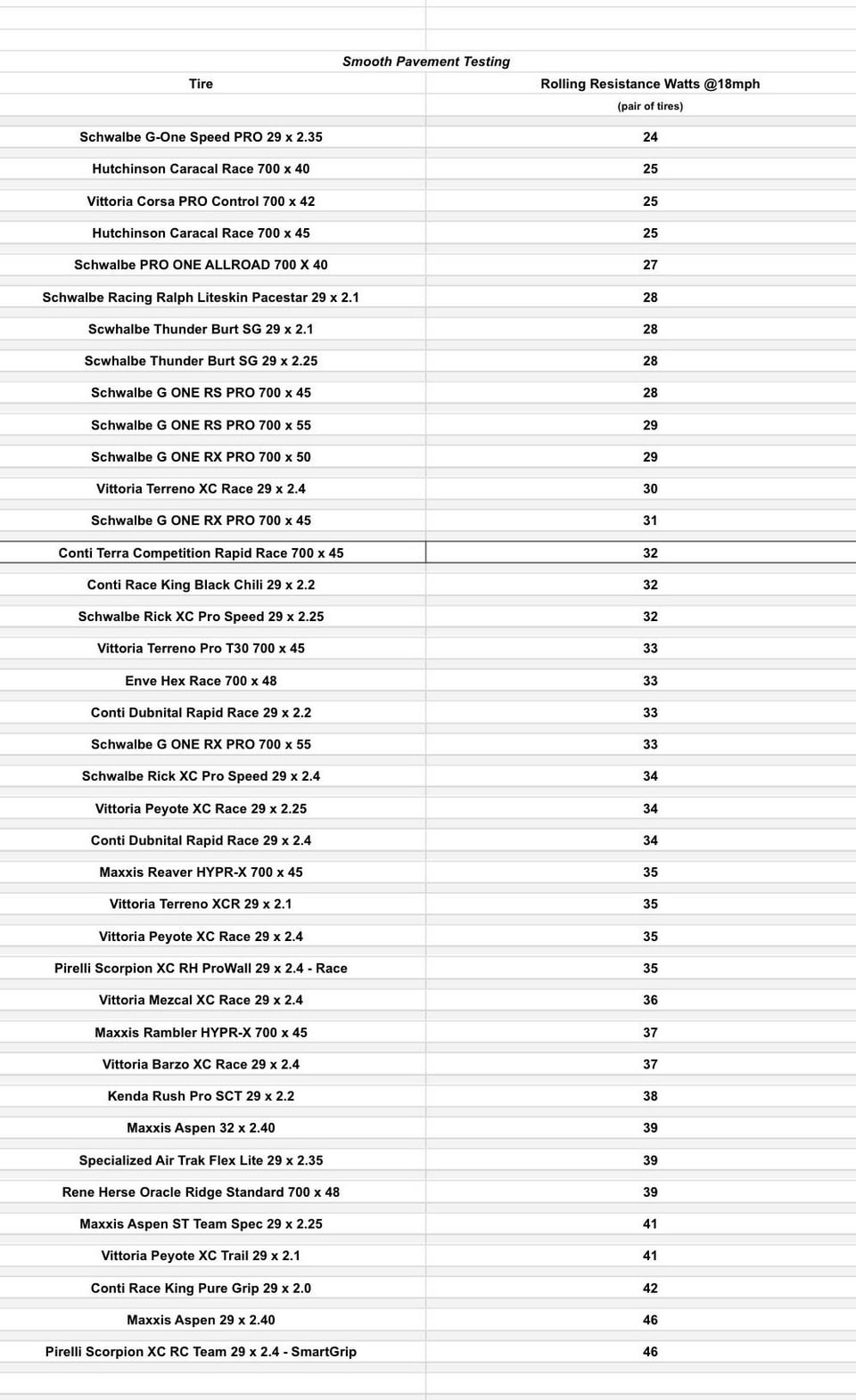
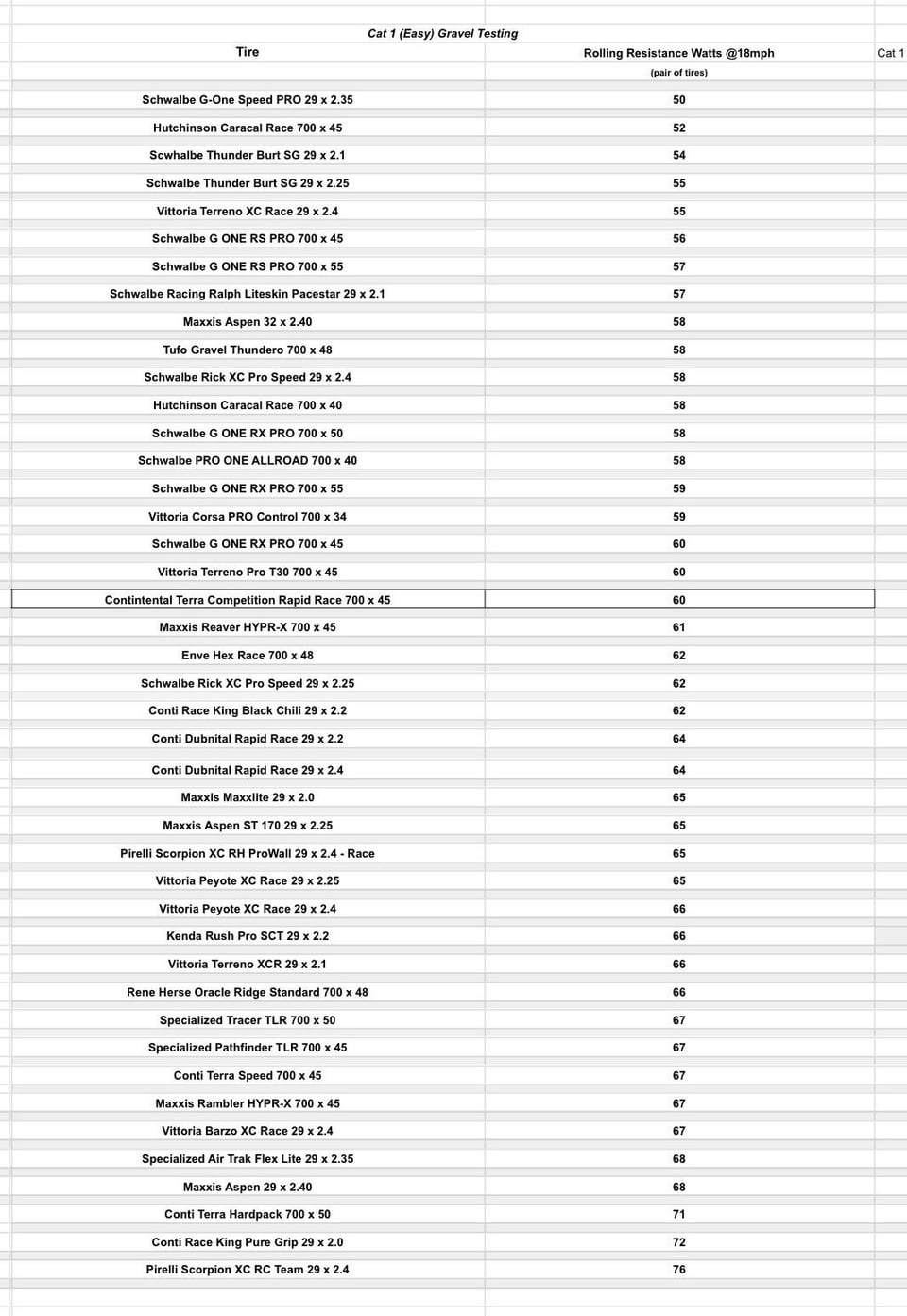
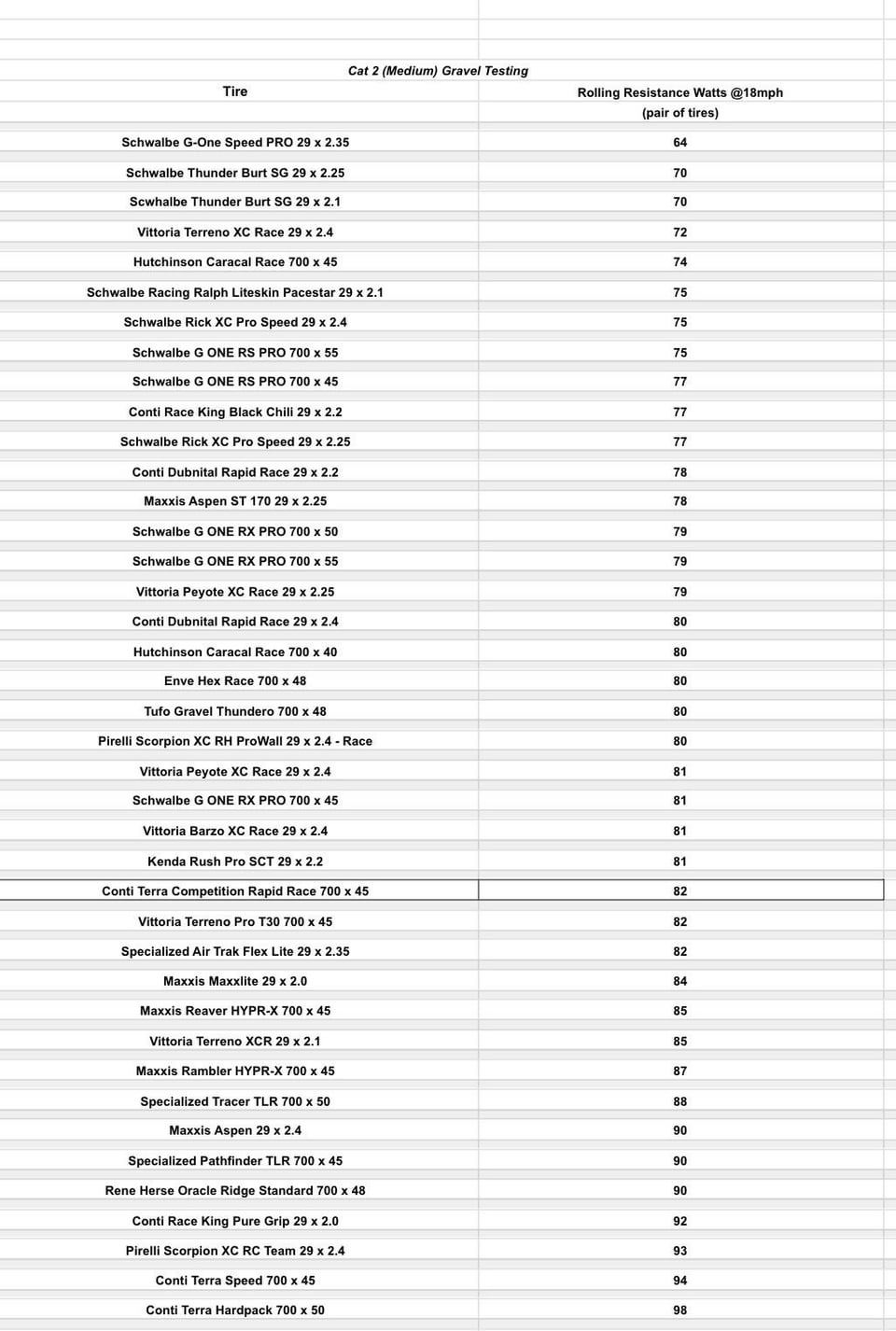
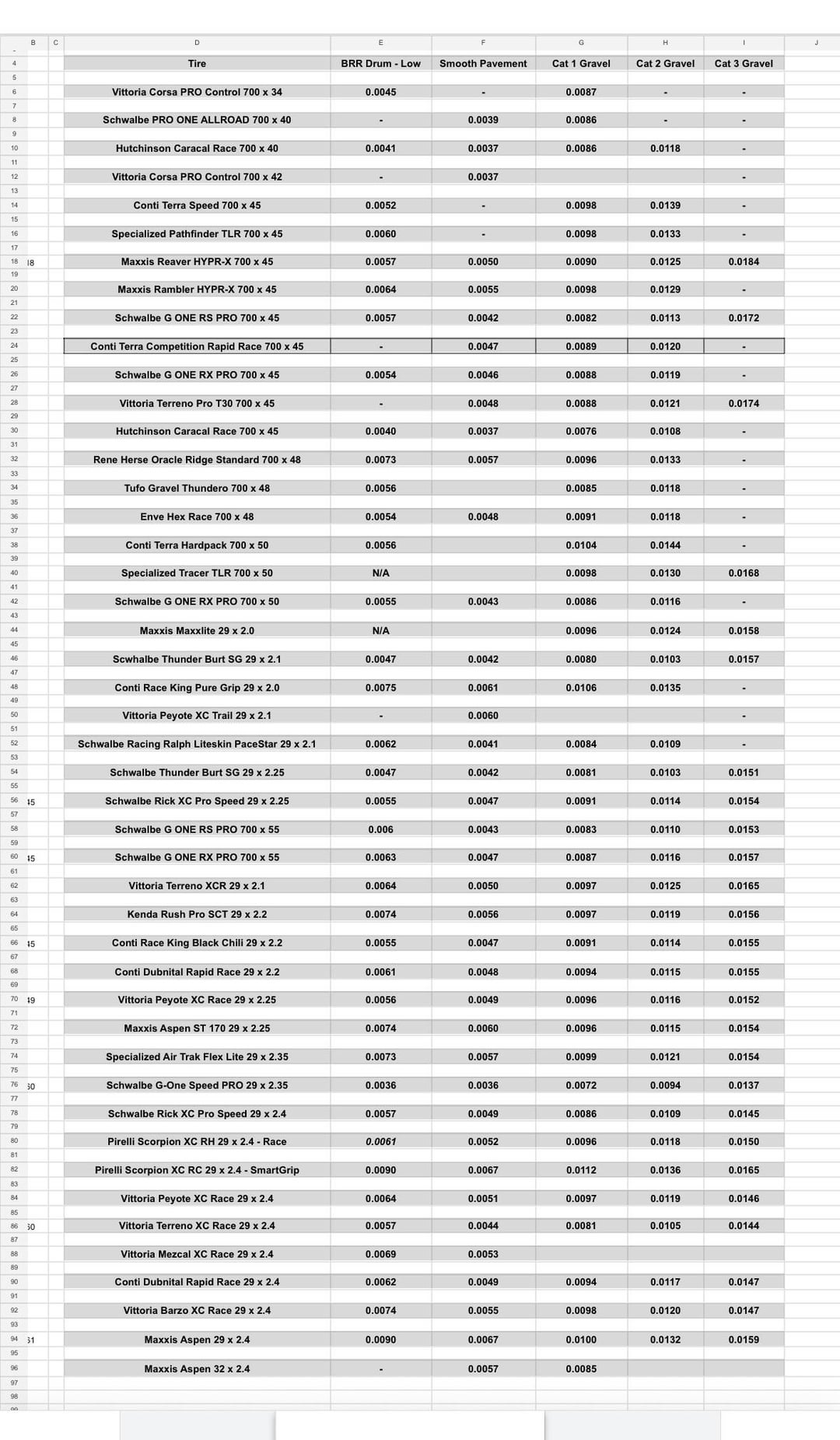
For those hoping for a faster tire than the Terra Speed, my test results here will be good news for you. For some context with other 45s, the Terra Competition slotted neatly in between Schwalbe's G One RX PRO and the new Maxxis Reaver HYPR-X across all tested surfaces. As far as the aerodynamic claims, these didn't hold up for me when tested on a Reserve 25GR shallow section rim. This depends heavily on tire/rim interactions in the wind, so I am interested to see other data on these.
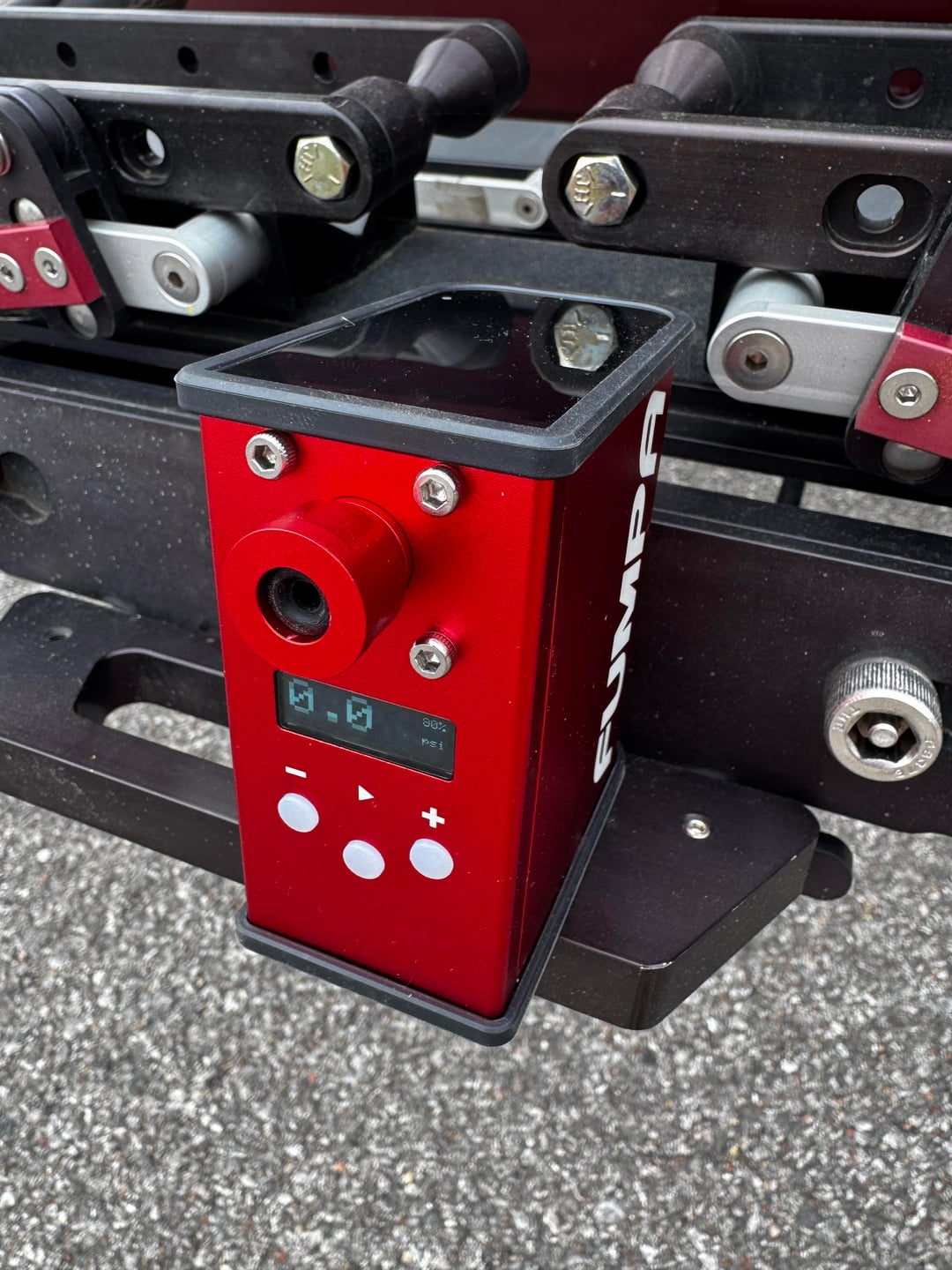
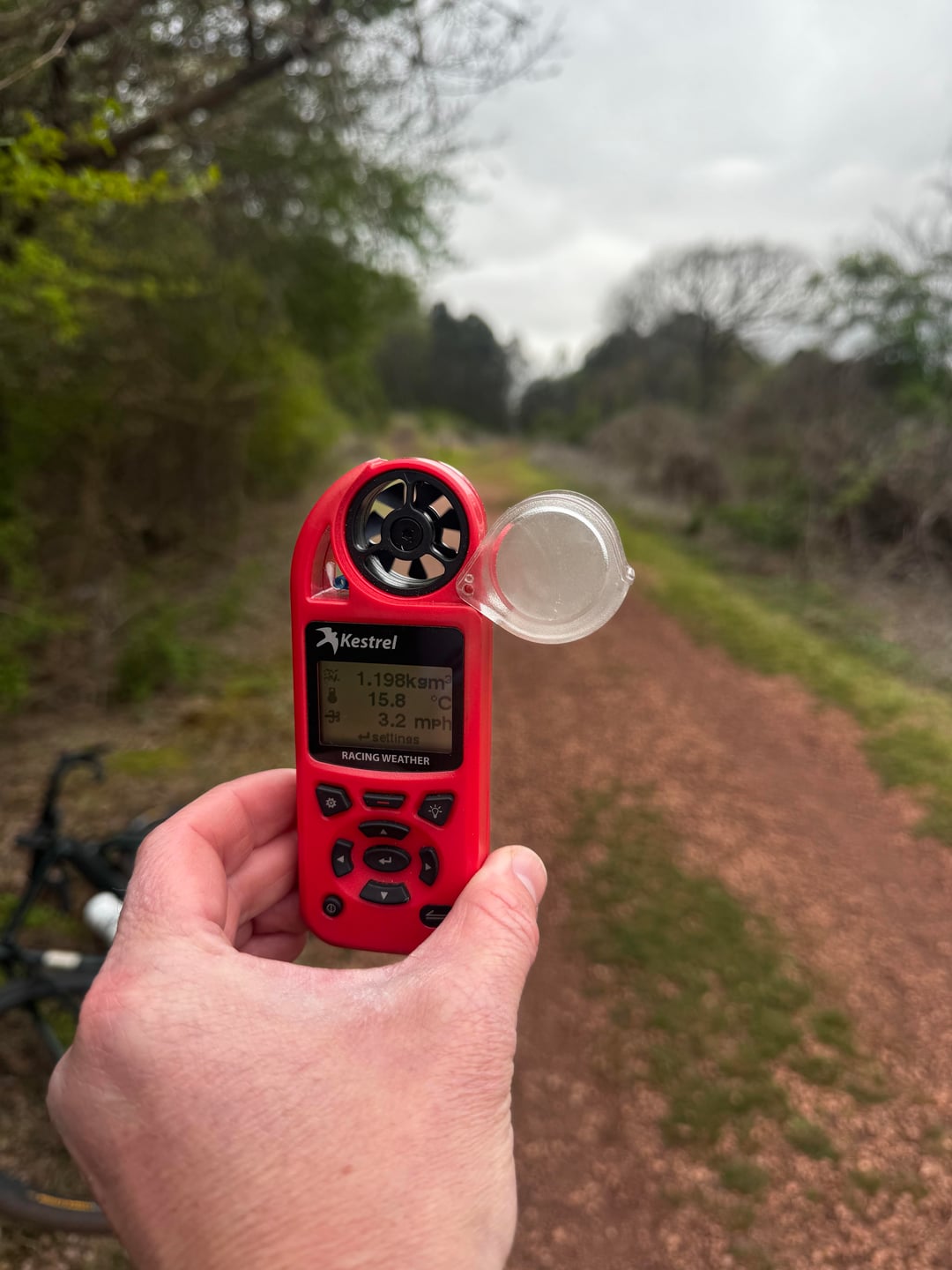
All test results are via my own outdoor testing by Chung Method/VE… psi notes below.
Everyone wants to know…what pressure am I using? Obviously, larger tires will require lower pressure than smaller ones to get the best speed and handling in general…especially off road. The Wolf Tooth Advanced calculator is very good in my usage for gravel and mtb tires. The Rough Gravel setting seems to get quite close to best pressure for not only rolling efficiency (yes, even on gravel that’s not super rough) but also comfort and handling. I will start with that based on the measured tire size, go ride some, recheck pressure once the tire warms up, then reasess the setting based on how the tire is riding. If it feels obviously harsh, go down 1 psi…. If it feels squirmy or I am smacking the rim on hard hits, I will go up 1 psi, maybe 2 in that situation. Often I end up sticking quite close to what the calculator says initially but it isn't written in stone. Rolling efficiency is actually almost identical (reference some testing I posted spring 2025 for this graphically) across a bigger span of tire pressures off road than most realize, which means it is quite easy to get the pressure where the tire will be fastest…the rest is fine tuning to rider preference. Even though I’m testing, I am also enjoying being out there so take the extra steps to see how the tire performs best. Ultimately there is no magic “best” pressure… it is up to rider preference with no real speed penalty unless you really mess it up one way or another, and that is a big reason I am explaining this in such detail. It’s not to justify my results, it’s to encourage folks to keep an open mind about how they set their tires and get the best ride possible. All the Smooth Pavement testing I do is with the tires set to the PSI I would use for riding on average pavement, so in practice about 5-7 psi higher than I would use for off road riding.
by gravykarrasch