
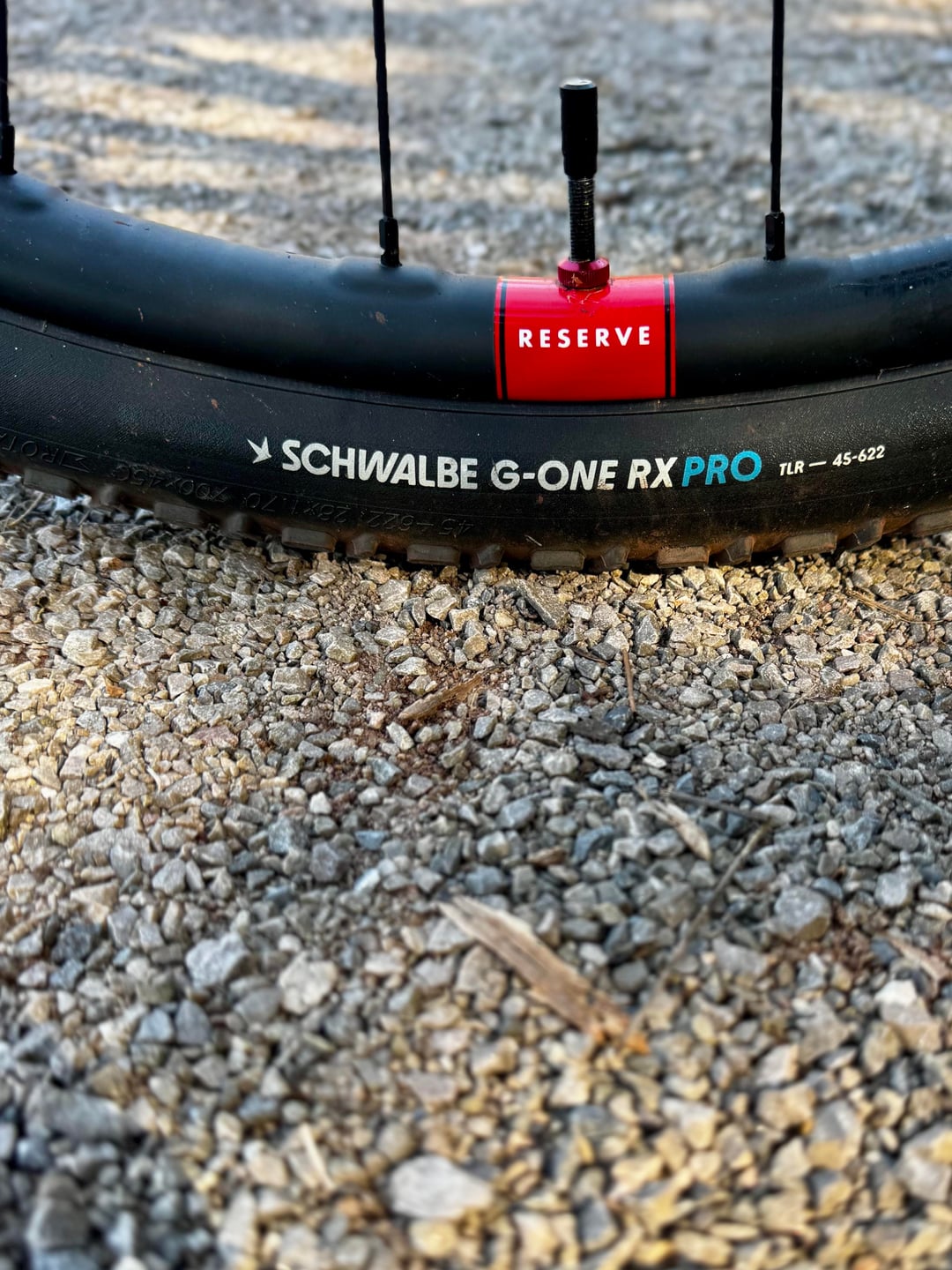


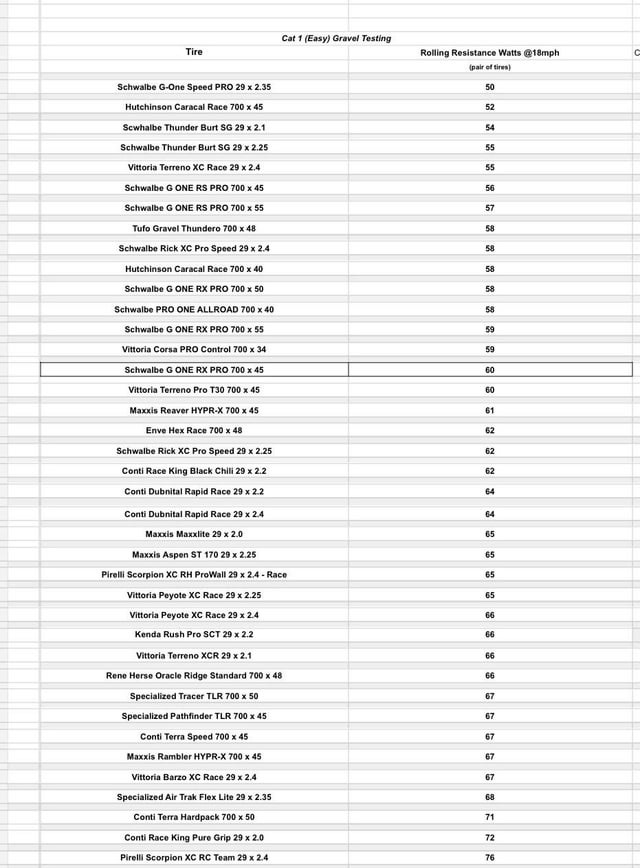

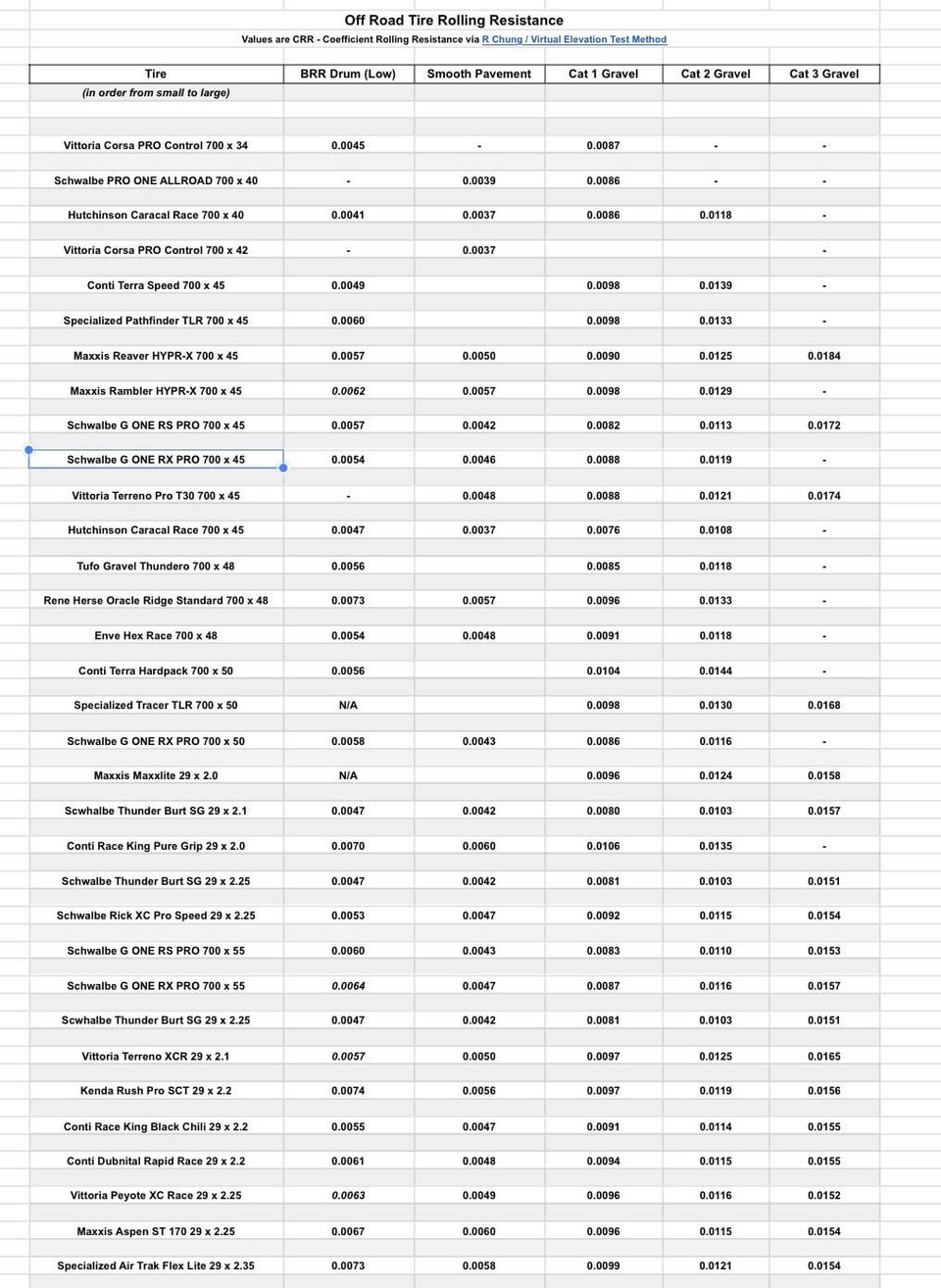
Schwalbe's G-One RX PRO is the most aggressively treaded option of their PRO gravel lineup, with the same construction (Addix Race compound and V Guard casing) as the G-One RS PRO and G-One R PRO. Schwalbe says the RX is is "the race tire for best offroad performance" with the semi slick RS PRO designed to be for maximum speed and efficiency on hard surfaces. I have already tested the 50 and 55 mm versions of this tire, but many folks wanted to know about the 45 as it is still a very commonly used size…especially for a rear tire, as was the case with Cam Jones’ winning bike setup from Unbound 200 in 2025.
These aired up to 46 mm wide on a 25 mm internal width Reserve carbon rim with no drama to speak of and remained easy to deal with during multiple months of riding and testing. Due to the higher center knobs, the RX is a bit taller tire than the semi slick RS. I never weighed these, but given the weights of other recent Schwalbe gravel tires, I have no reason to question their claimed weights. The MTB lineup seems to have some more variance there.
As expected, these tires were very fast even on pavement, which might surprise some folks given how different the tread looks from many commonly advertised "fast rolling" gravel tires. They are also remarkably quiet on pavement, which isn't a must have but sure is nice. The speed gap from the RS to these across all surfaces is small enough to pick what suits your terrain best. For anyone with the clearance for a 50, that would be my RX pick over the 45 most times.
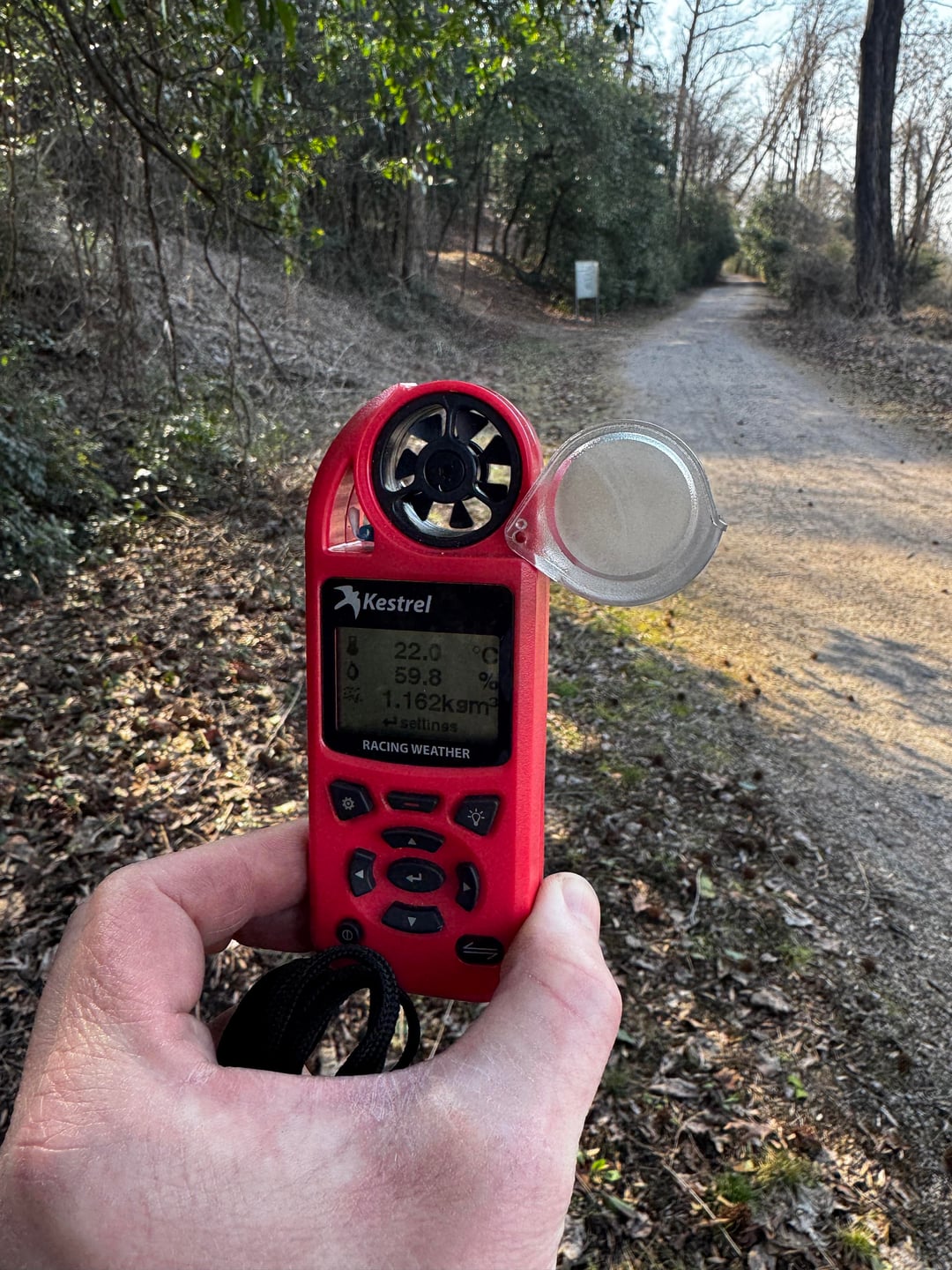
All outdoor results based on my own Chung Method / Virtual Elevation testing…
Everyone wants to know…what pressure am I using? Obviously, larger tires will require lower pressure than smaller ones to get the best speed and handling in general…especially off road. The Wolf Tooth Advanced calculator is very good in my usage for gravel and mtb tires. The Rough Gravel setting seems to get quite close to best pressure for not only rolling efficiency (yes, even on gravel that’s not super rough) but also comfort and handling. I will start with that based on the measured tire size, go ride some, recheck pressure once the tire warms up, then reasess the setting based on how the tire is riding. If it feels obviously harsh, go down 1 psi…. If it feels squirmy or I am smacking the rim on hard hits, I will go up 1 psi, maybe 2 in that situation. Often I end up sticking quite close to what the calculator says initially but it isn't written in stone. Rolling efficiency is actually almost identical (reference some testing I posted spring 2025 for this graphically) across a bigger span of tire pressures off road than most realize, which means it is quite easy to get the pressure where the tire will be fastest…the rest is fine tuning to rider preference. Even though I’m testing, I am also enjoying being out there so take the extra steps to see how the tire performs best. Ultimately there is no magic “best” pressure… it is up to rider preference with no real speed penalty unless you really mess it up one way or another, and that is a big reason I am explaining this in such detail. It’s not to justify my results, it’s to encourage folks to keep an open mind about how they set their tires and get the best ride possible. All the Smooth Pavement testing I do is with the tires set to the PSI I would use for riding on average pavement, so in practice about 5-7 psi higher than I would use for off road riding.
by gravykarrasch
1 Comment
So no real point of these if you can fit the 50mm version?