
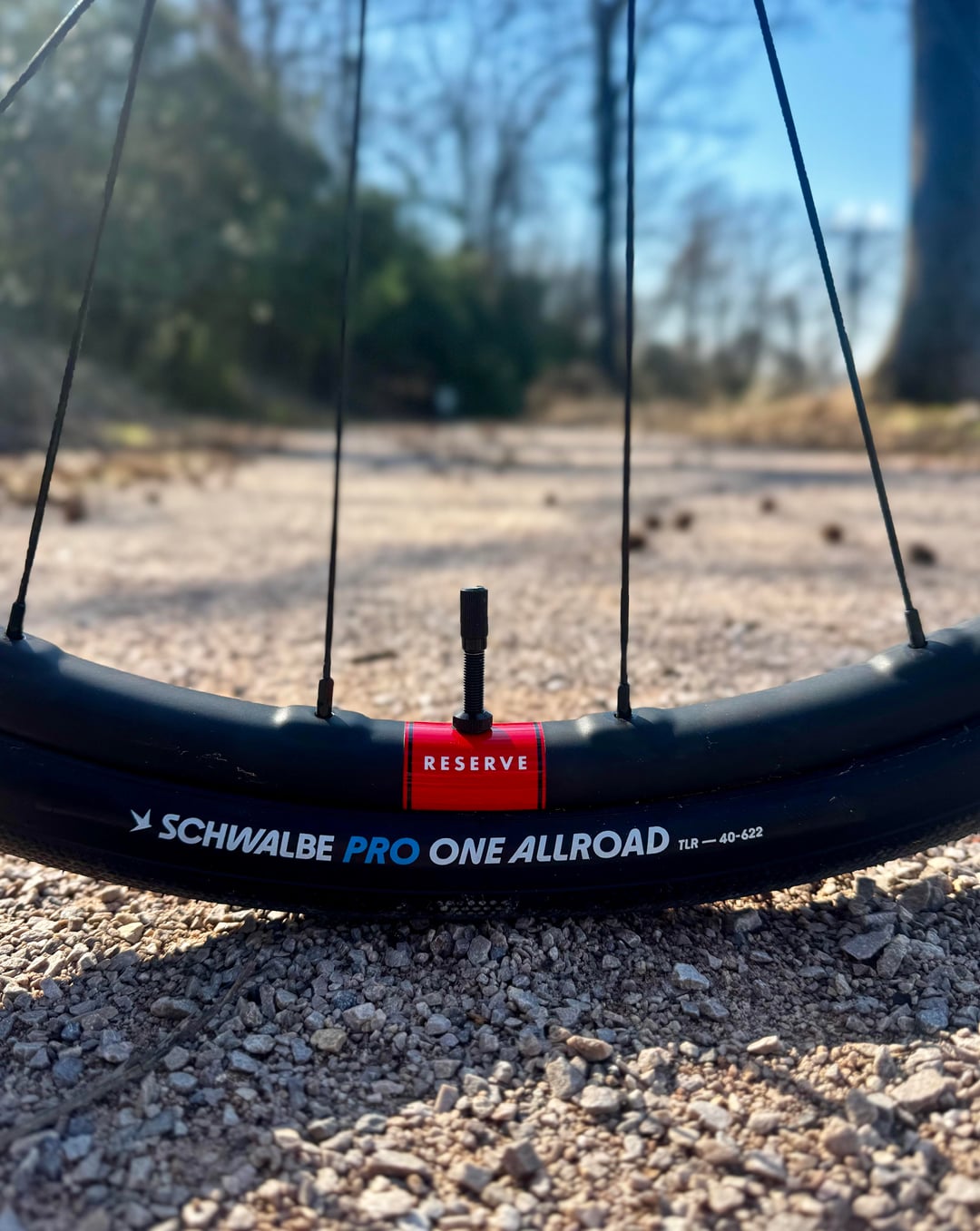
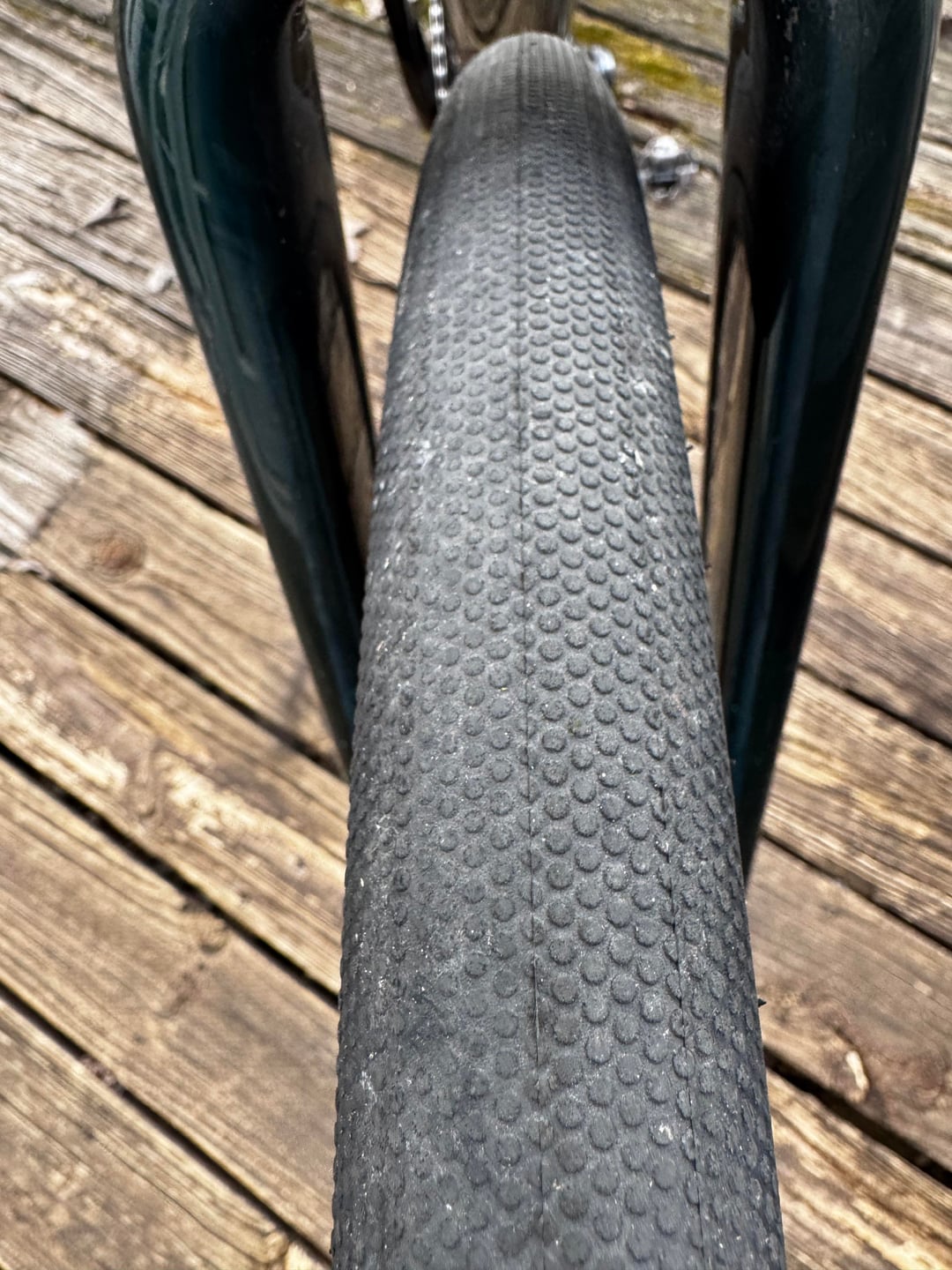
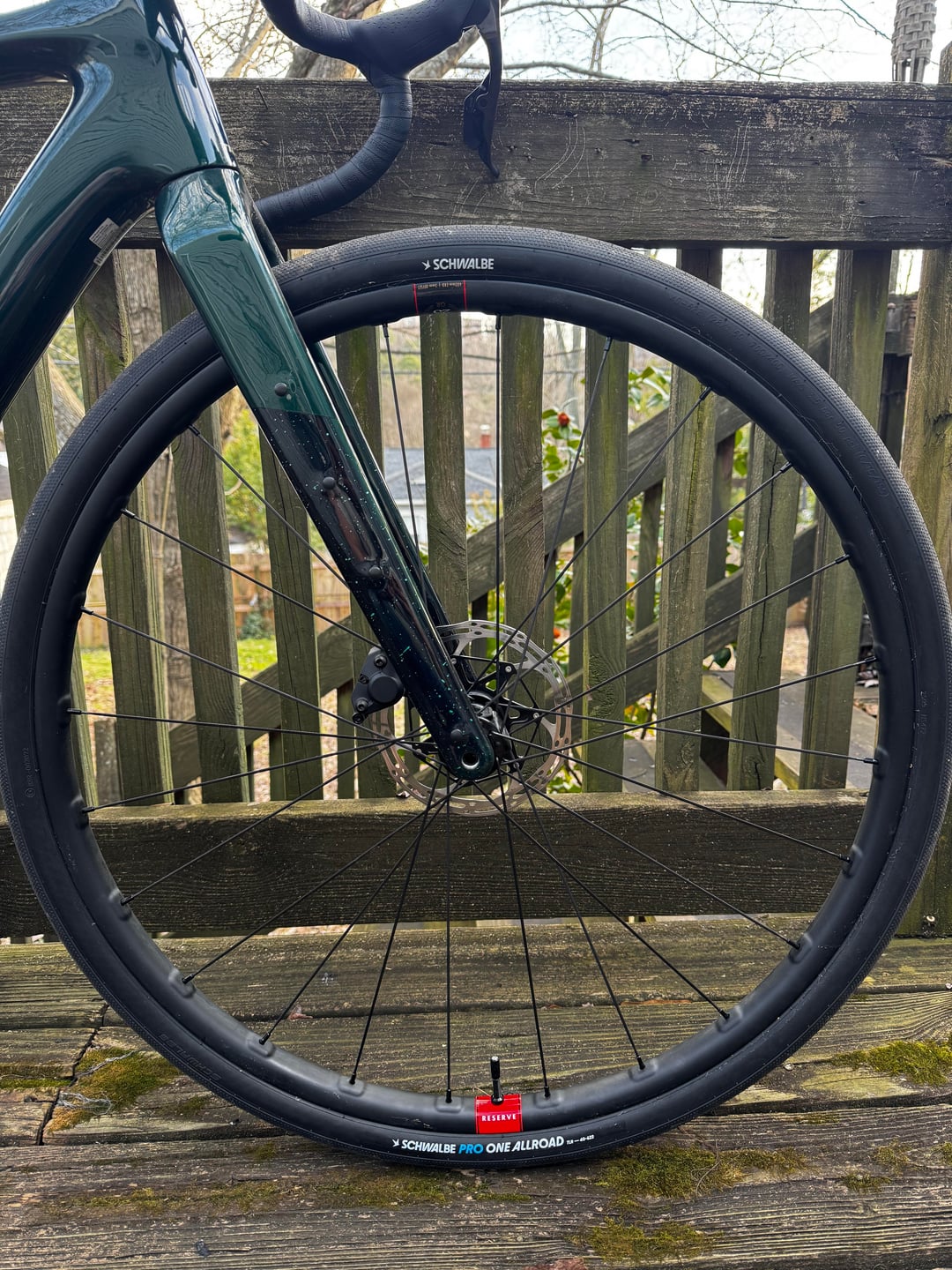
Released less than a month ago at the Velofollies trade show, Schwalbe's new PRO ONE ALLROAD replaces the G One Speed in 700 x 30, 35, and 45C sizes. Schwalbe says they have "completely reimagined the PRO ONE ALLROAD: it combines race-driven speed on asphalt with secure grip on light gravel and reliable traction in wet conditions. No compromises — a true Allroad tread that closes the gap between road and gravel." The Allroad traces it's origin back to the S-One, a 700 x 30 road tire that premiered at the 2015 edition of Paris Roubix, and was often referred to The Special One by Schwalbe.
Schwalbe has also used The Special One reference for their 700 x 60 beach racing tire, The Big One, now the G One Speed PRO. Prior to the PRO ONE ALLROAD, G One Speed sizes in between 30 and 60 mm were held back with not so fast compound and casing options. The ALLROAD seeks to remedy this with their Addix Race compound found on the more special editions. This tire uses a similar Race PRO with V Guard construction as their new gravel lineup (the 60mm option does use a thinner RaceGuard protection).
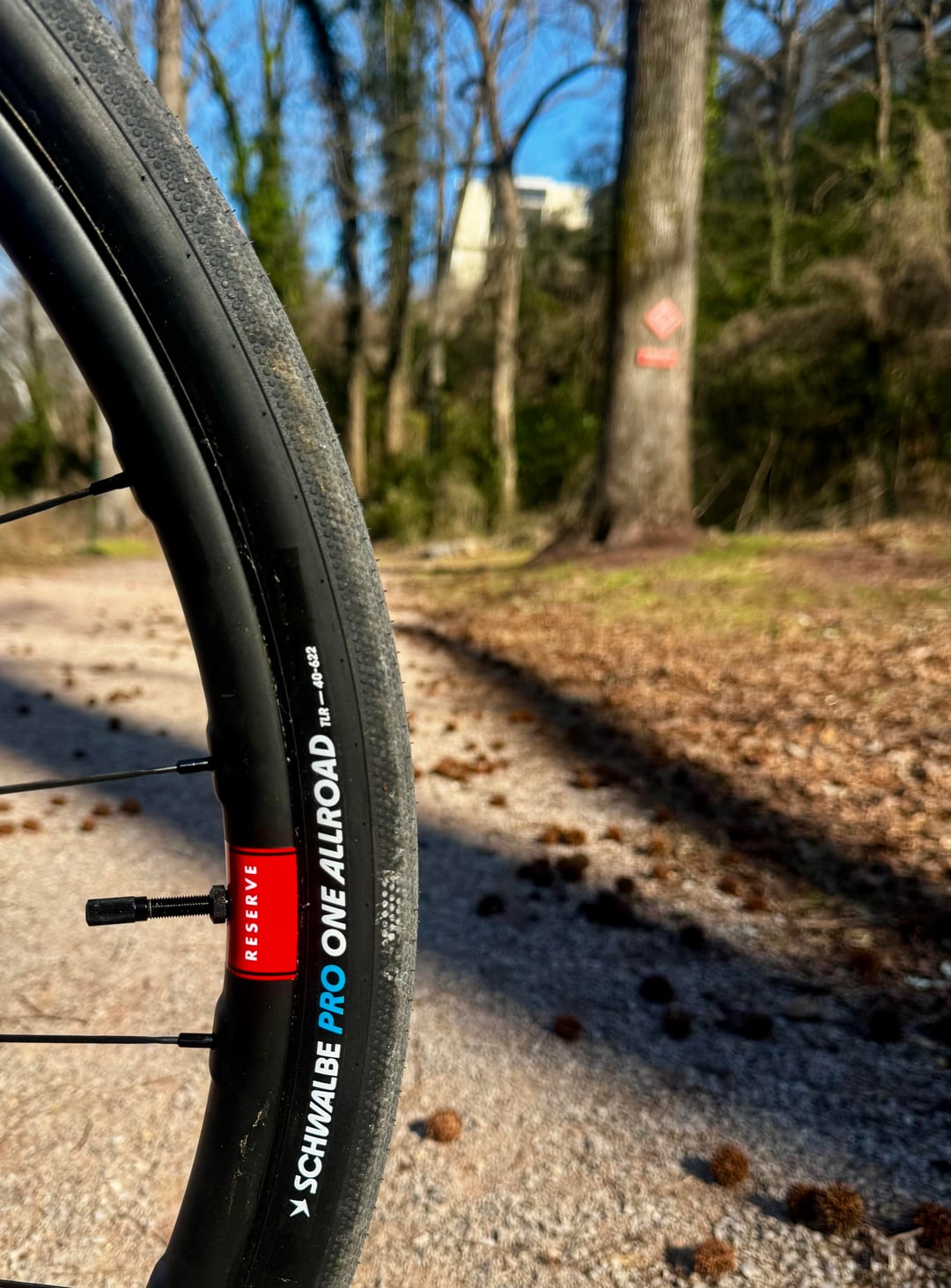
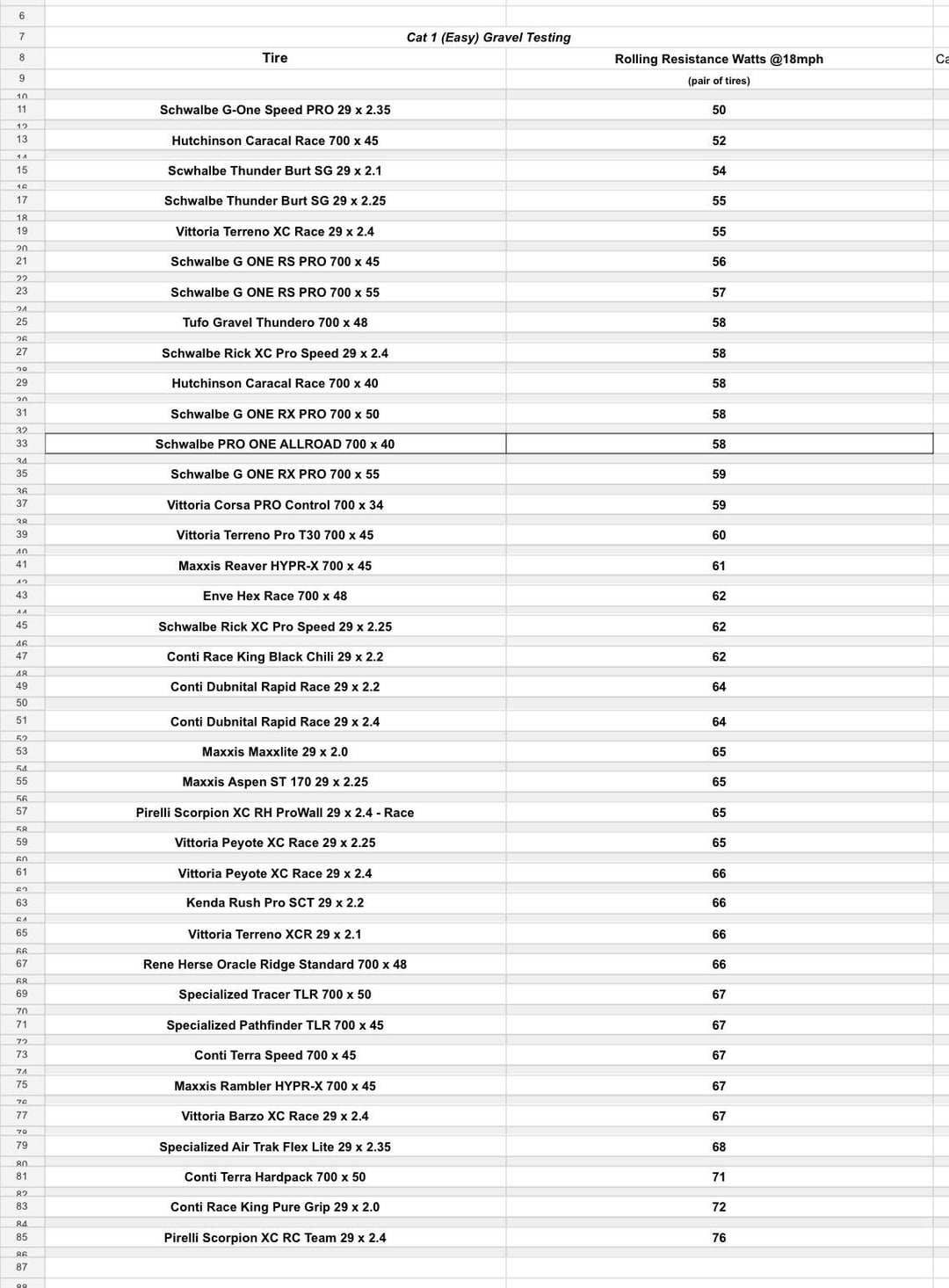
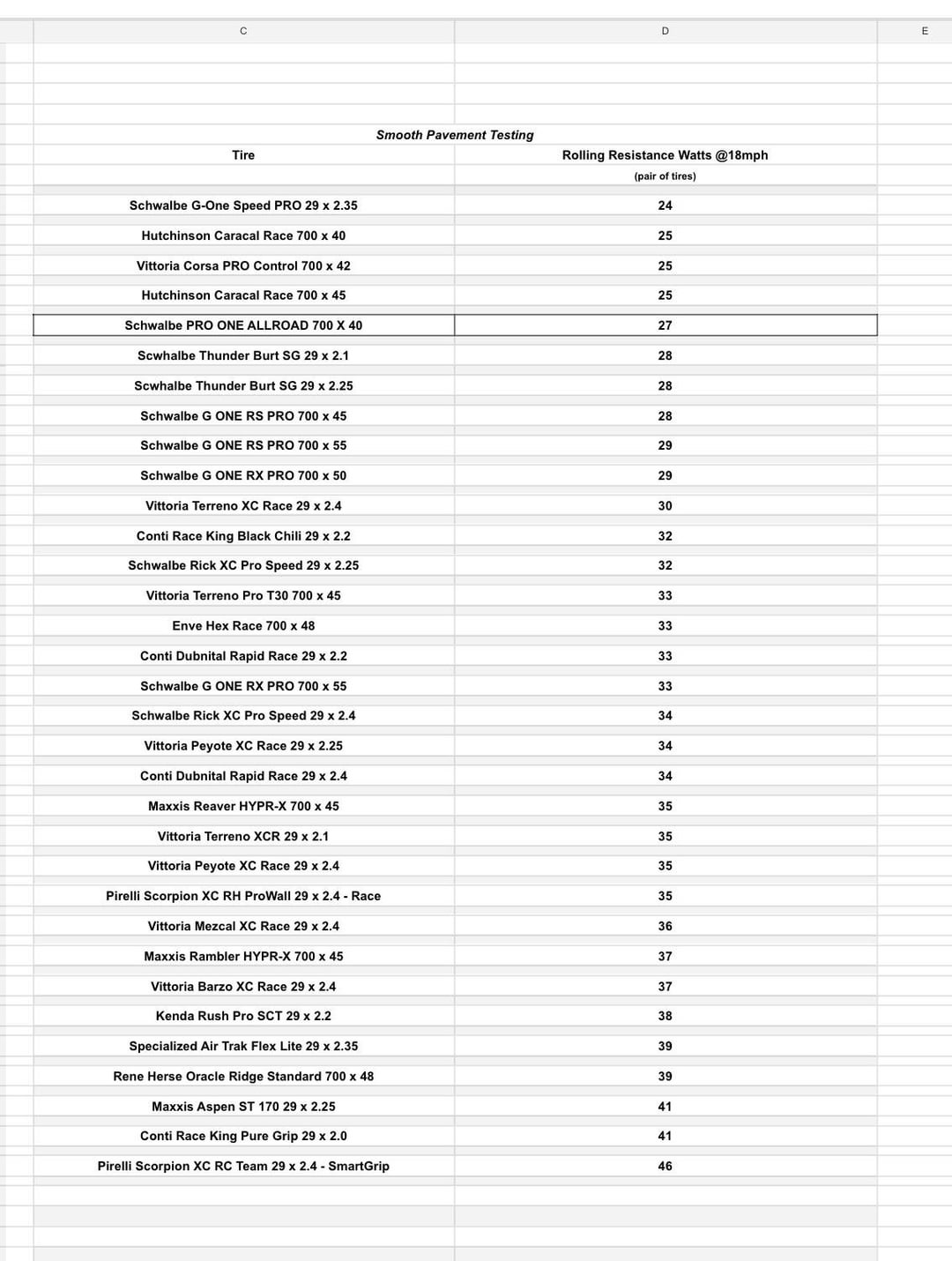
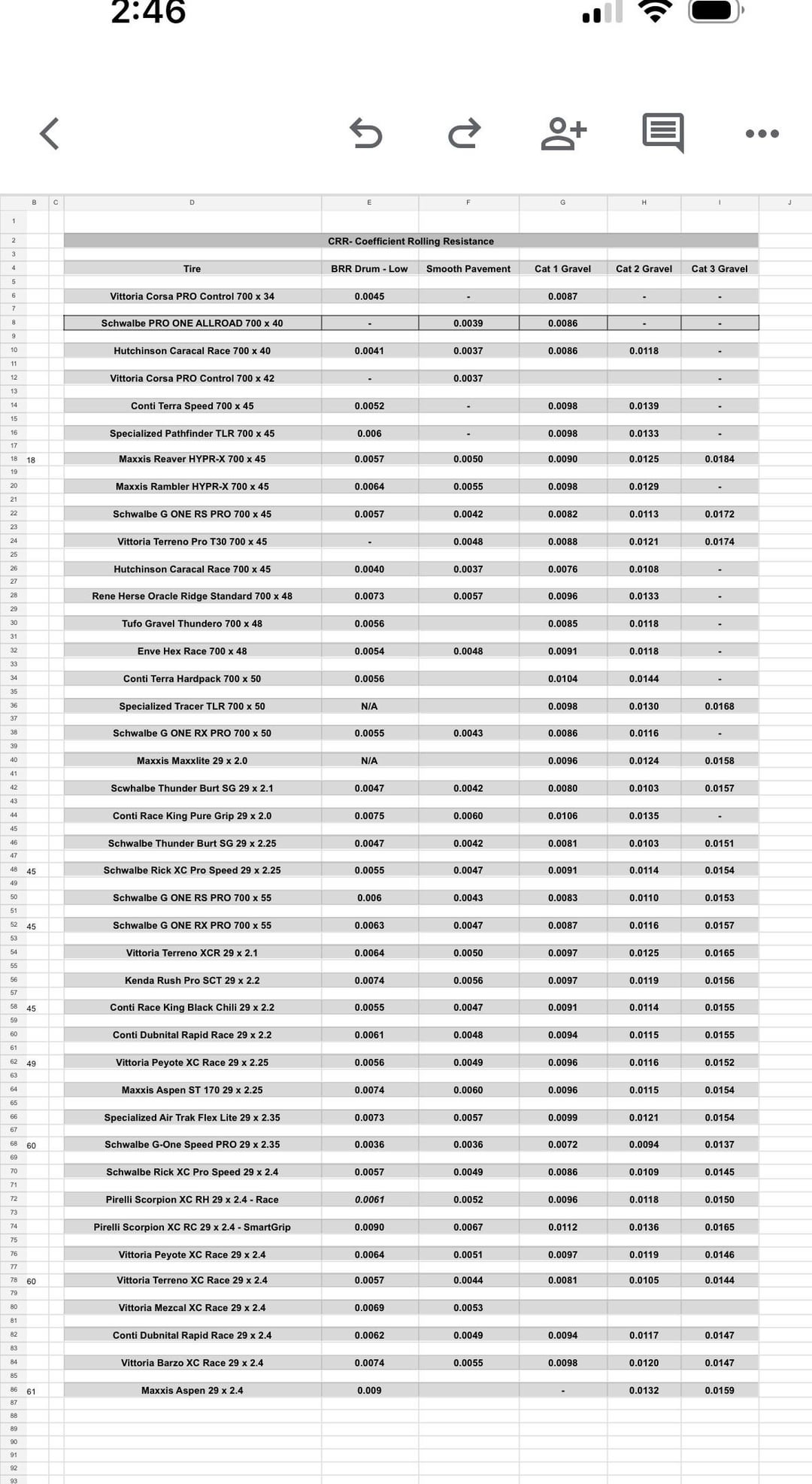
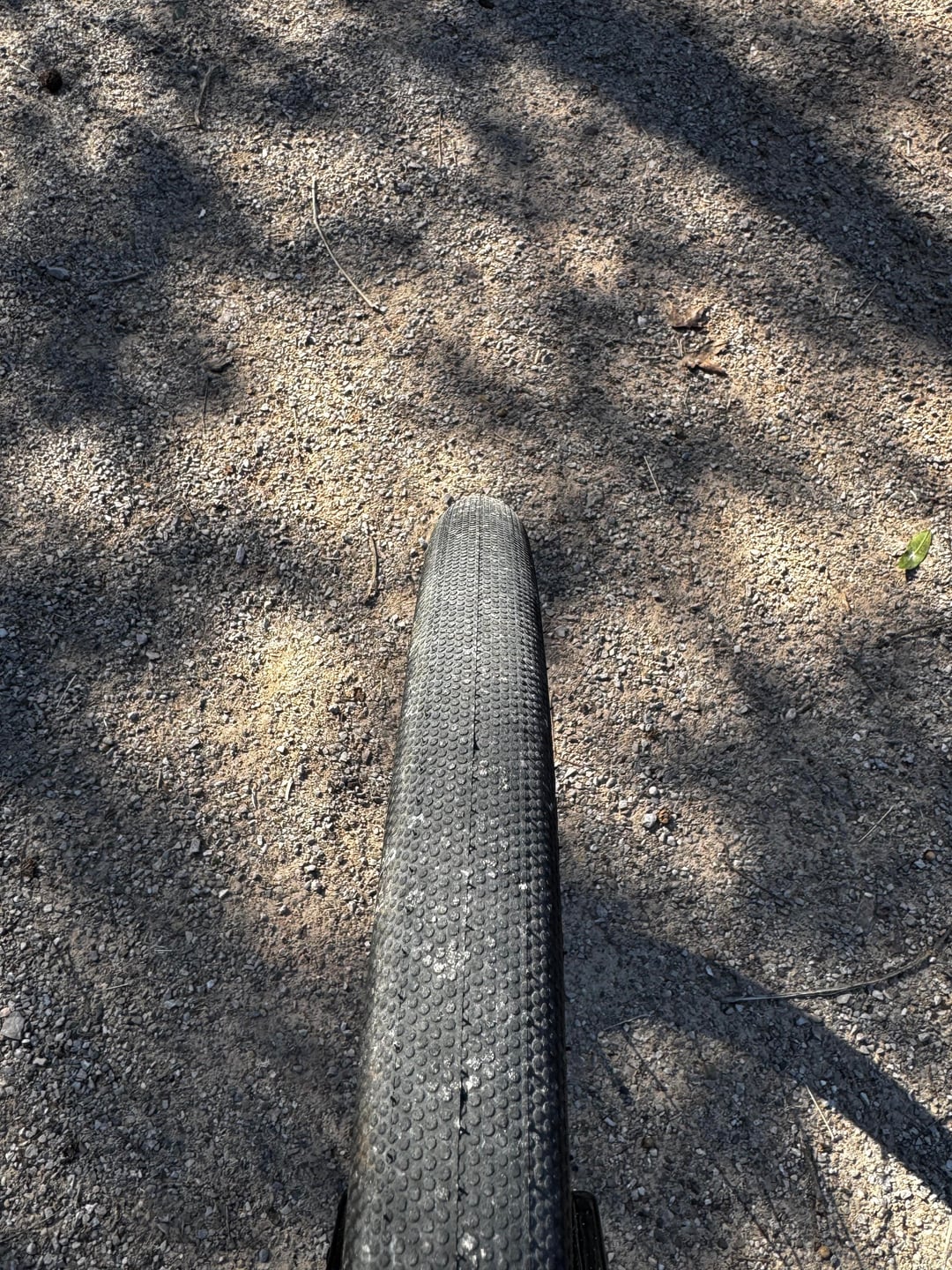
The 700 x 40s I tested weighed in at 445 and 450 grams, had a 105 mm flat bead to bead width measure, and puffed up to 40 mm wide on a 25 mm internal width Reserve rim. I had zero issues with them holding air, and they were quite a nice tire to ride on all pavement and easy gravel. No doubt about it, these are FAST, with results showing them barely off the pace of the Caracal Race 40 on pavement and dead even with it on the Cat 1 gravel course! After enjoying a couple fast 40 mm options recently, I am curious how similar offerings from Pirelli and others might perform…
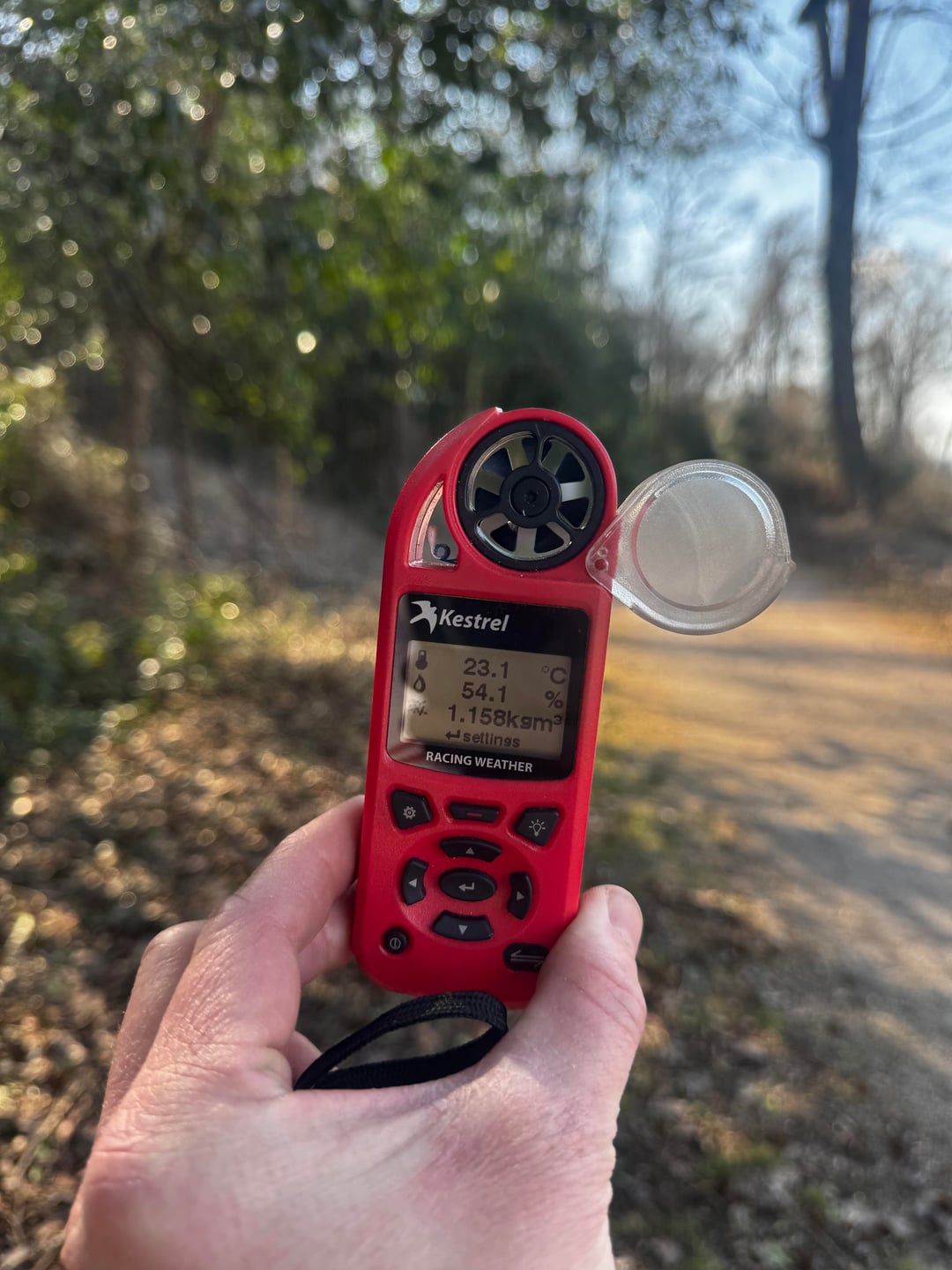
All outdoor test results my own via Chung Method protocol.
Note: Everyone wants to know…what pressure am I using? Obviously, larger tires will require lower pressure than smaller ones to get the best speed and handling in general…especially off road. The Wolf Tooth Advanced calculator is very good in my usage for gravel and mtb tires. The Rough Gravel setting seems to get quite close to best pressure for not only rolling efficiency (yes, even on gravel that’s not super rough) but also comfort and handling. I will start with that based on the measured tire size, go ride some, recheck pressure once the tire warms up, the reasess the setting based on how the tire is riding. If it feels obviously harsh, go down 1 psi at a time. If it feels squirmy or I am smacking the rim on hard hits, I will go up 1 psi at a time. Often I end up sticking quite close to what the calculator says initially but it isn't written in stone. Even for tires with the exact same size and casing, tread pattern design can also influence finding ideal pressure. Rolling efficiency is actually almost identical across a bigger span of tire pressures off road than most realize, which means it is quite easy to get the pressure where the tire will be fastest…the rest is fine tuning to rider preference. Even though I’m testing, I am also enjoying being out there so take the extra steps to see how the tire performs best. Ultimately there is no magic “best” pressure… it is up to rider preference with no real speed penalty unless you really mess it up one way or another. All the Smooth Pavement testing I do is with the tires set to the PSI I would use for riding on average pavement, so in practice about 5-7 psi higher than I would use for off road riding.
by gravykarrasch
7 Comments
74,50€ for one 💀
The G-One RS Pro is, as of right now, only 50€ in 40, 45 and 50mm.
Why are Gravelkings missing from this list? They may not be the best for your needs, but they are legit gravel tires!
That looks like a fair bit of wear. How many miles did you put on them?
Do those mini knobs actually do anything?
Very interesting. Did you repeat some measurements to get an idea of uncertainty in your estimates?
Hm they look like my 40mm Kenda 4titude pros, which have a similar tread.
loving massive road tires are becoming more mainstream.