
I've just got back from a 12 day tour, my most enjoyable so far.
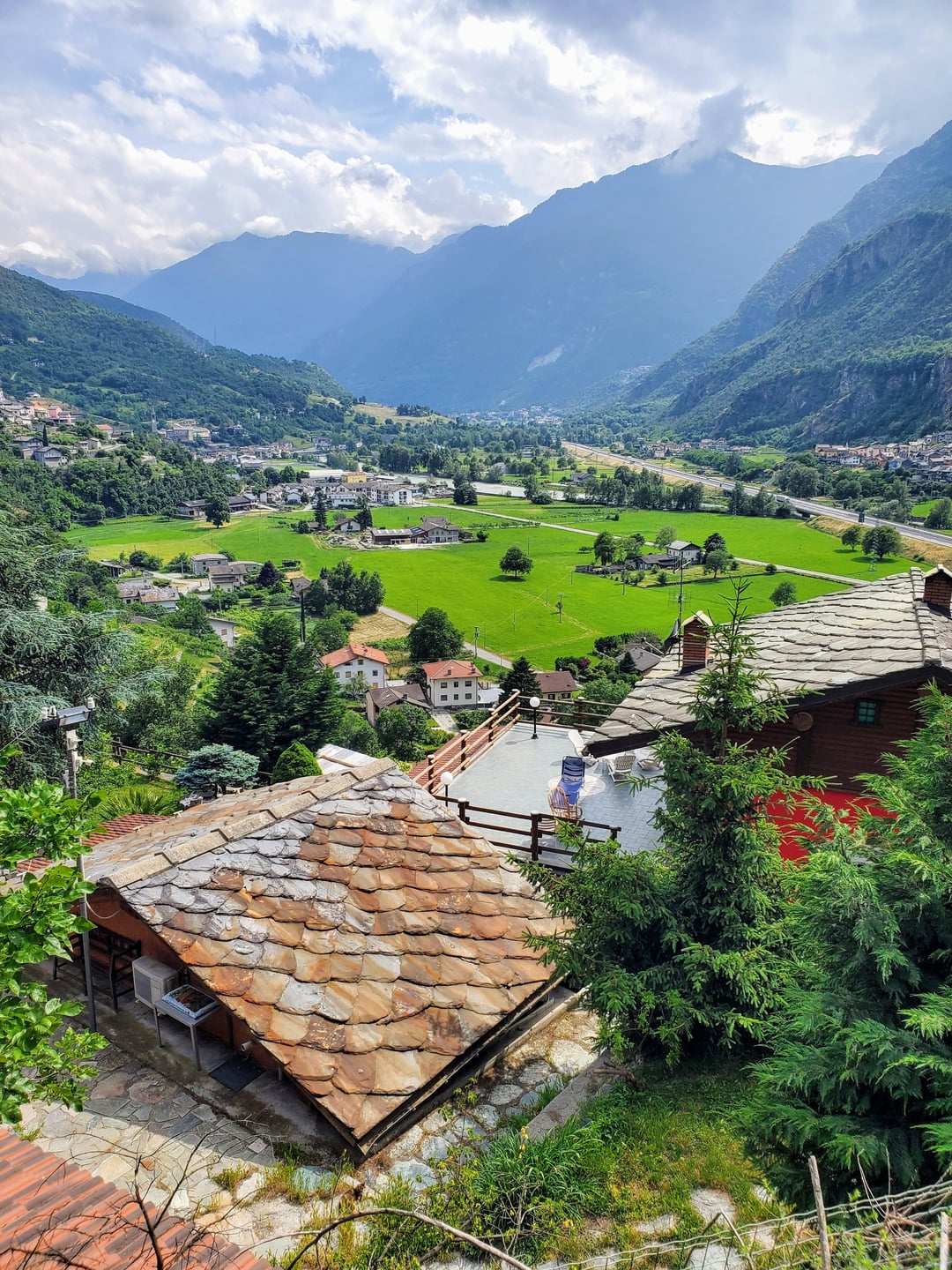
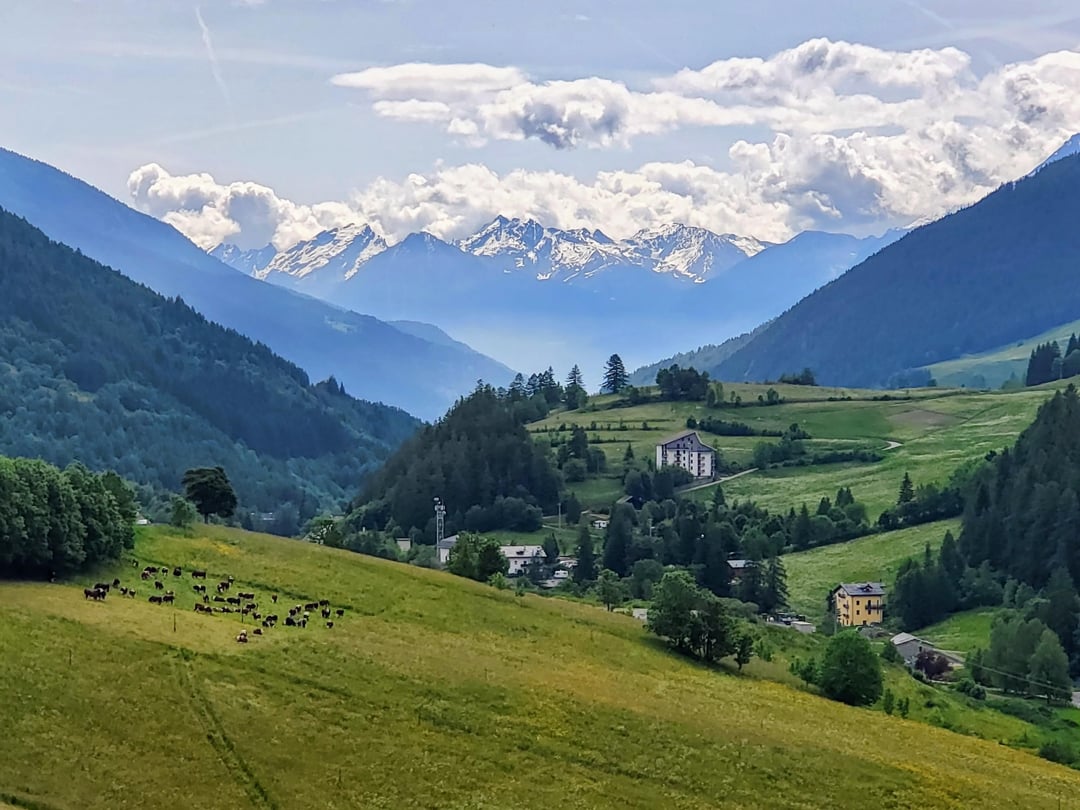
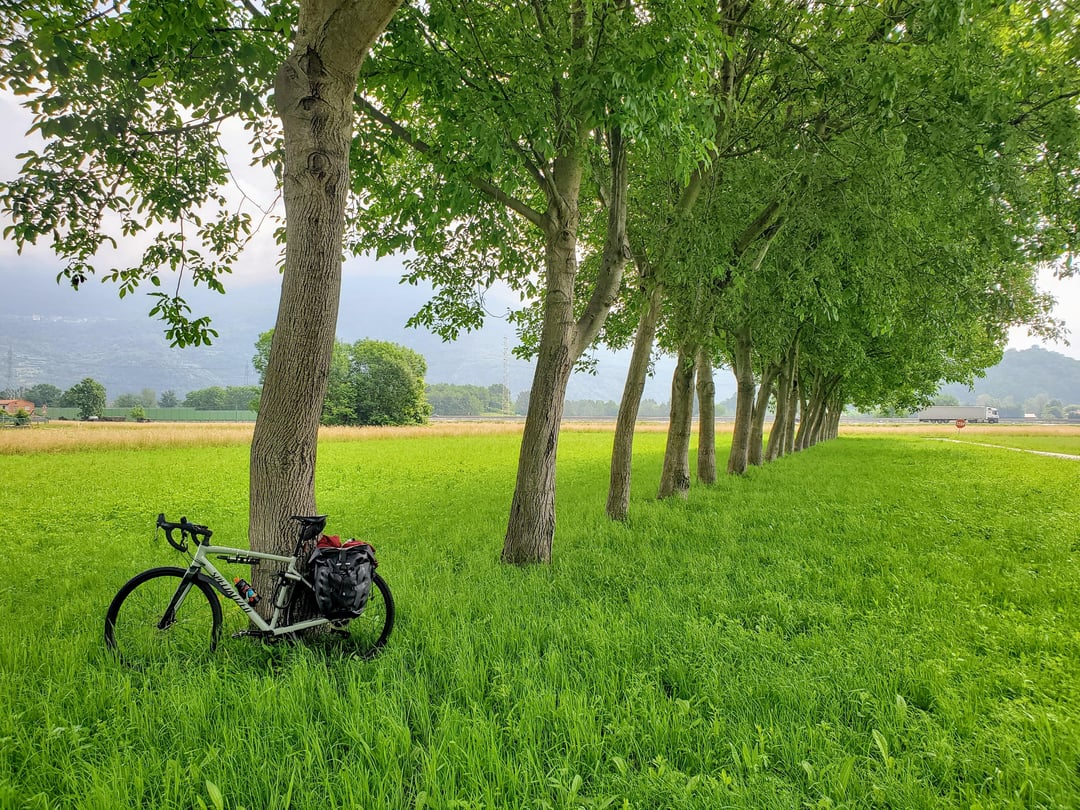
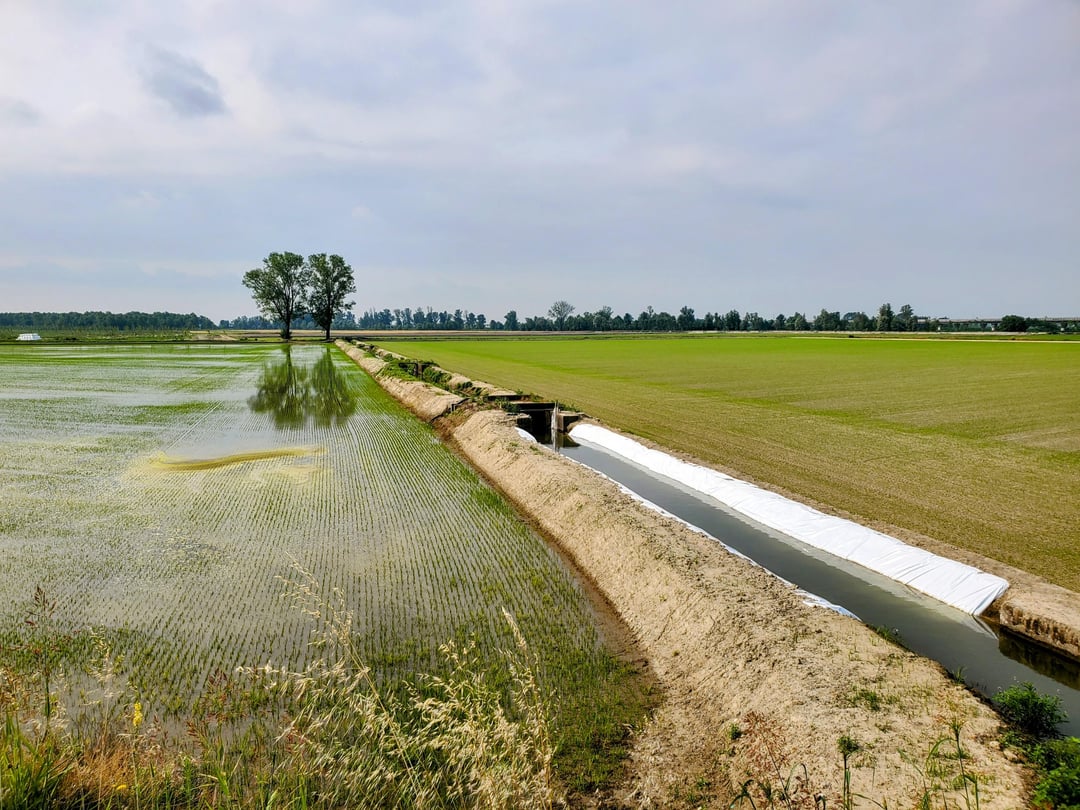
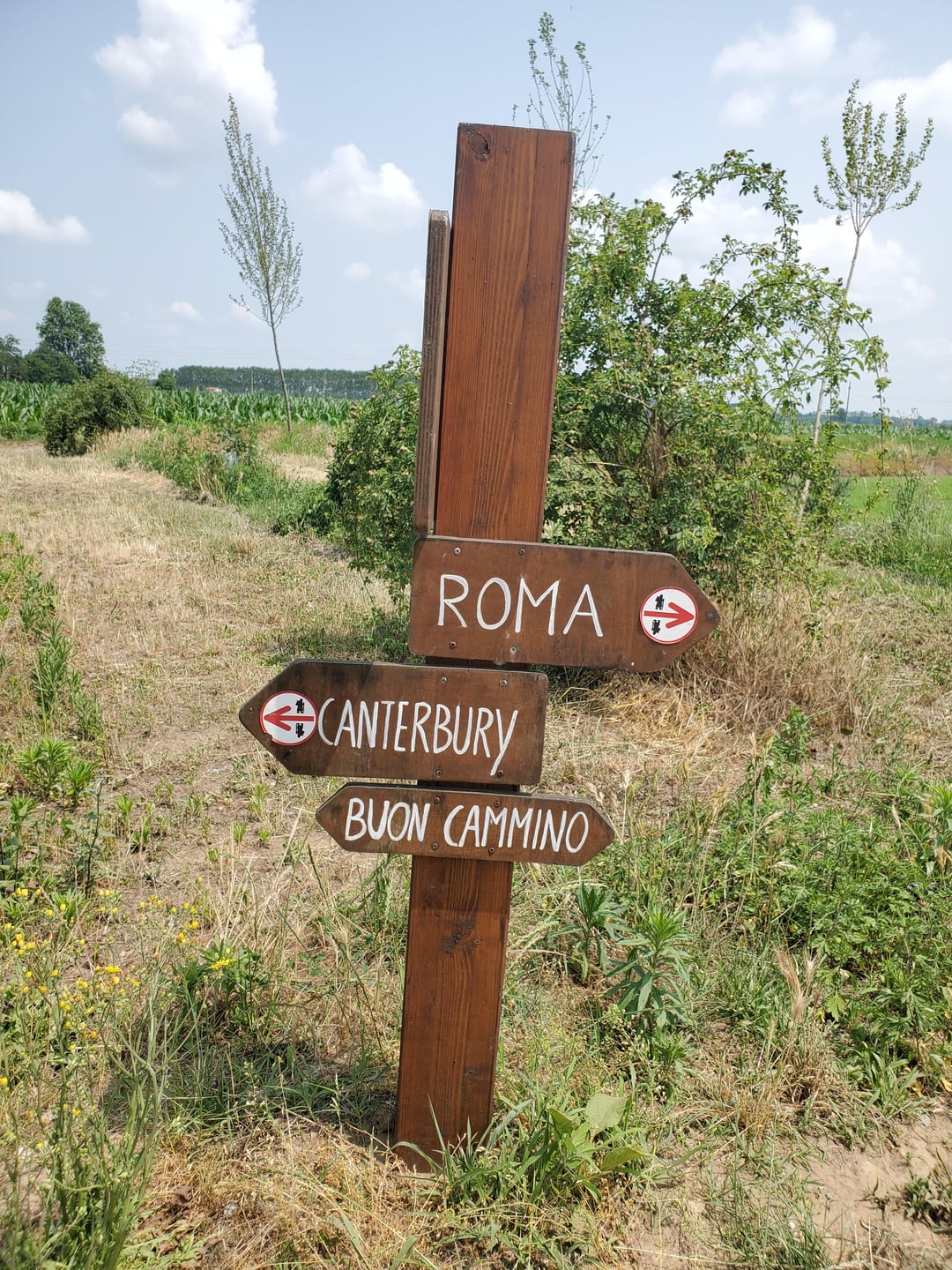
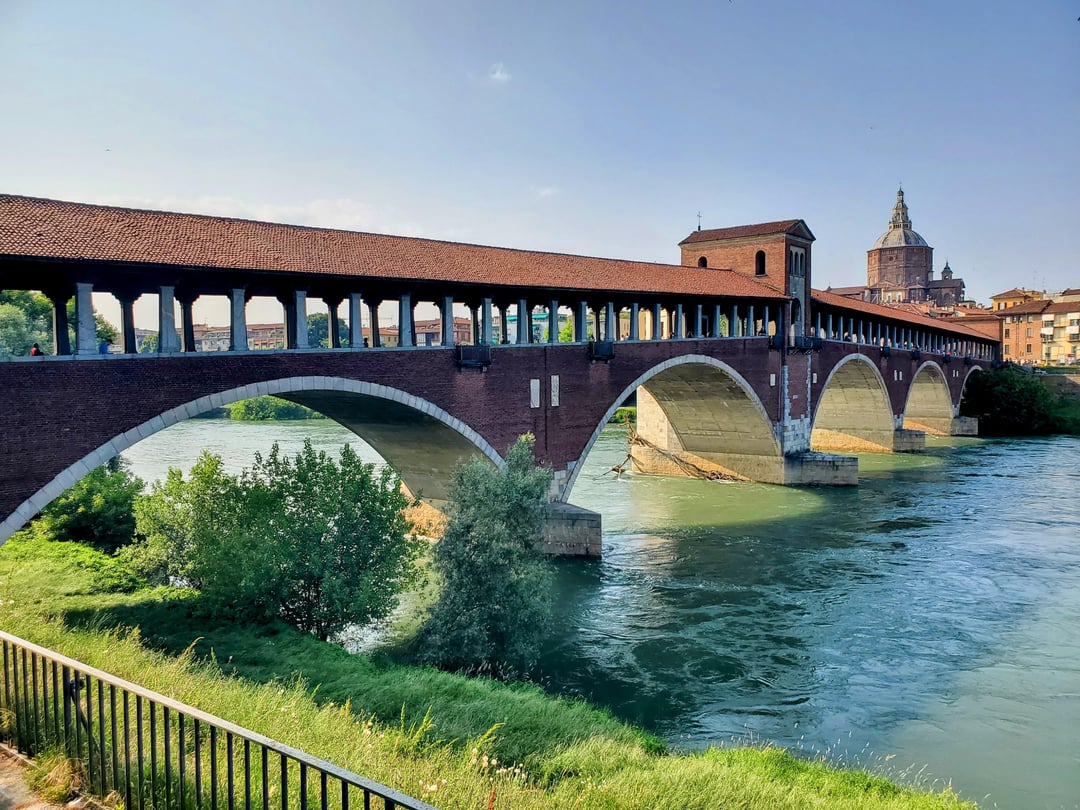
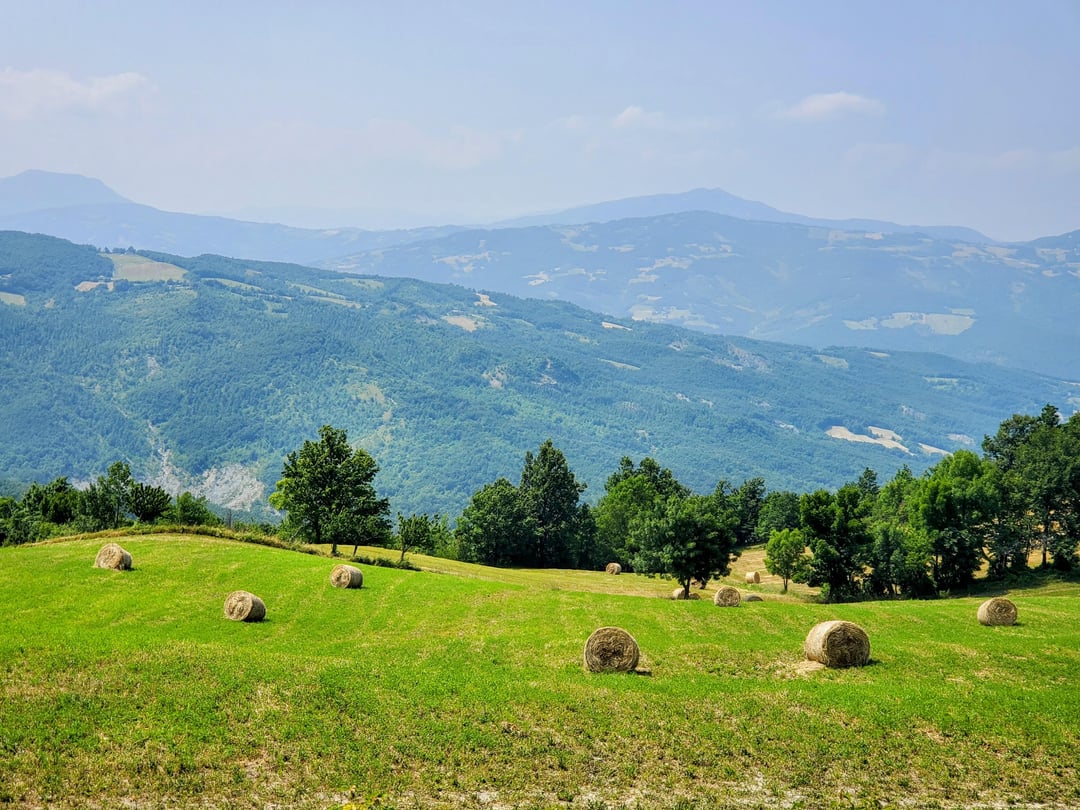
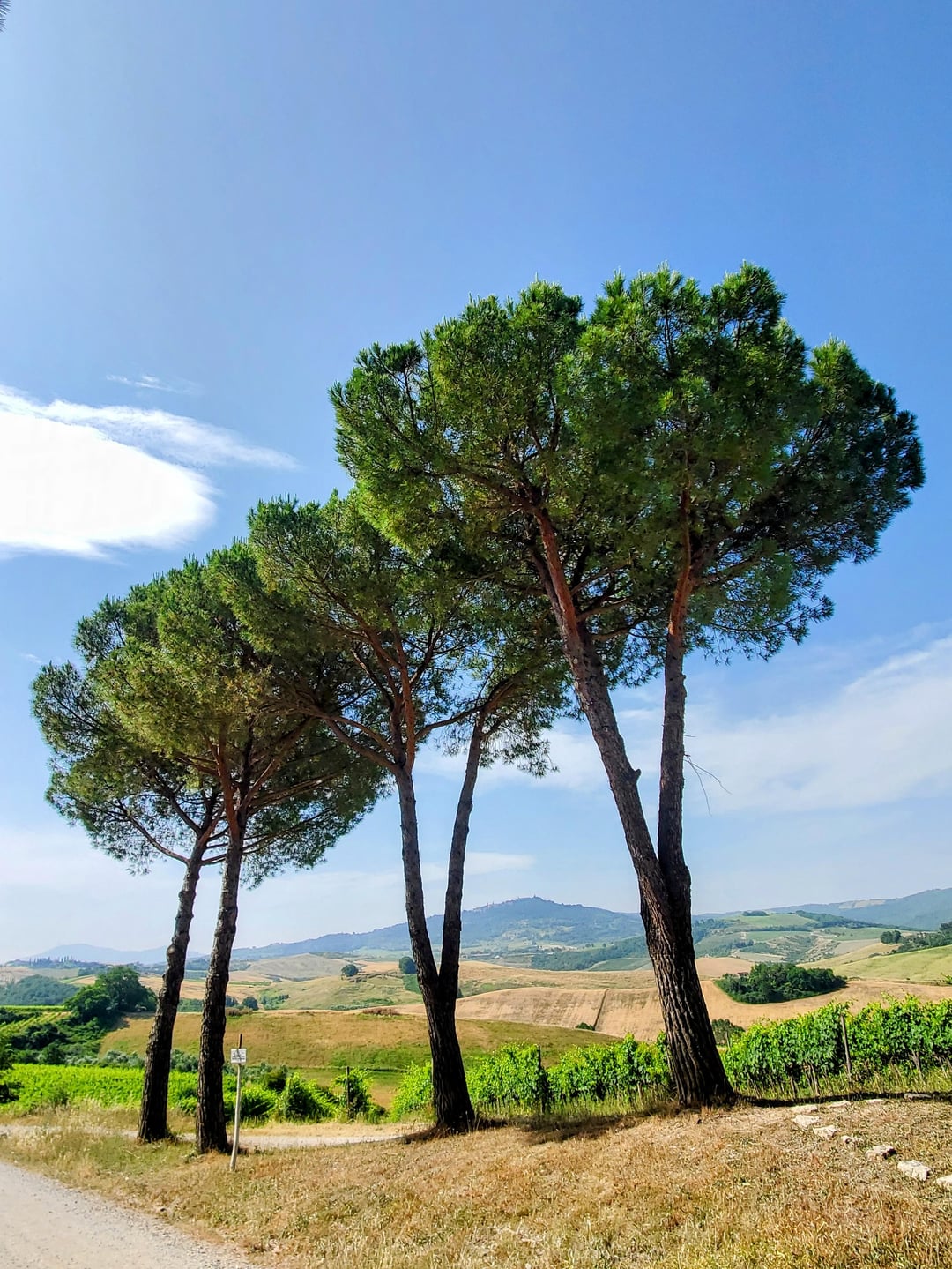
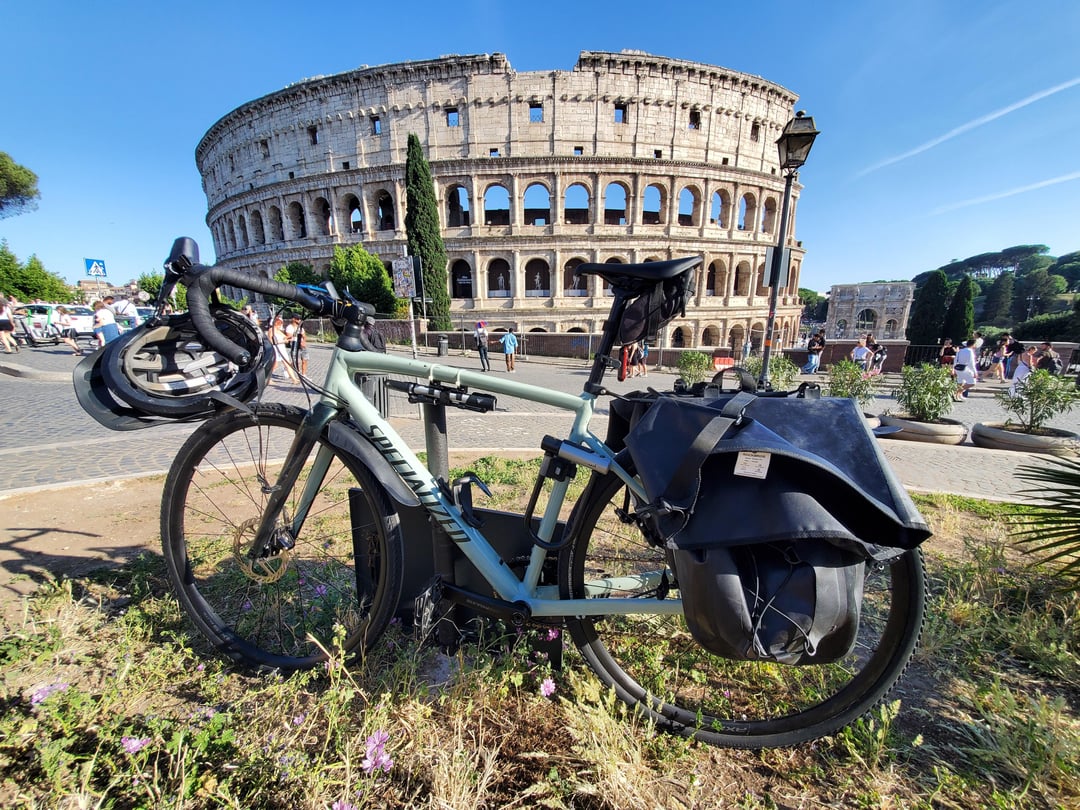
The Route: The "Via Francigena" is an official Catholic pilgrimage route, pretty well maintained for travelers both on foot and on bikes. It ventures through 7 Italian regions, quite distinct from one another in terrain, landscape, culture and cuisine. Generally speaking, you start by rolling down the Alps through the gorgeous Aosta Valley; You then ride through endless rice fields in Piedmont and Lombardy; You escape these flatlands by climbing the Apennine mountains in Emilia-Romagna; You ride up and down hills across Tuscany; And finally you ride through the pleasant highlands of Lazio on your way to the final destination – Vatican City.
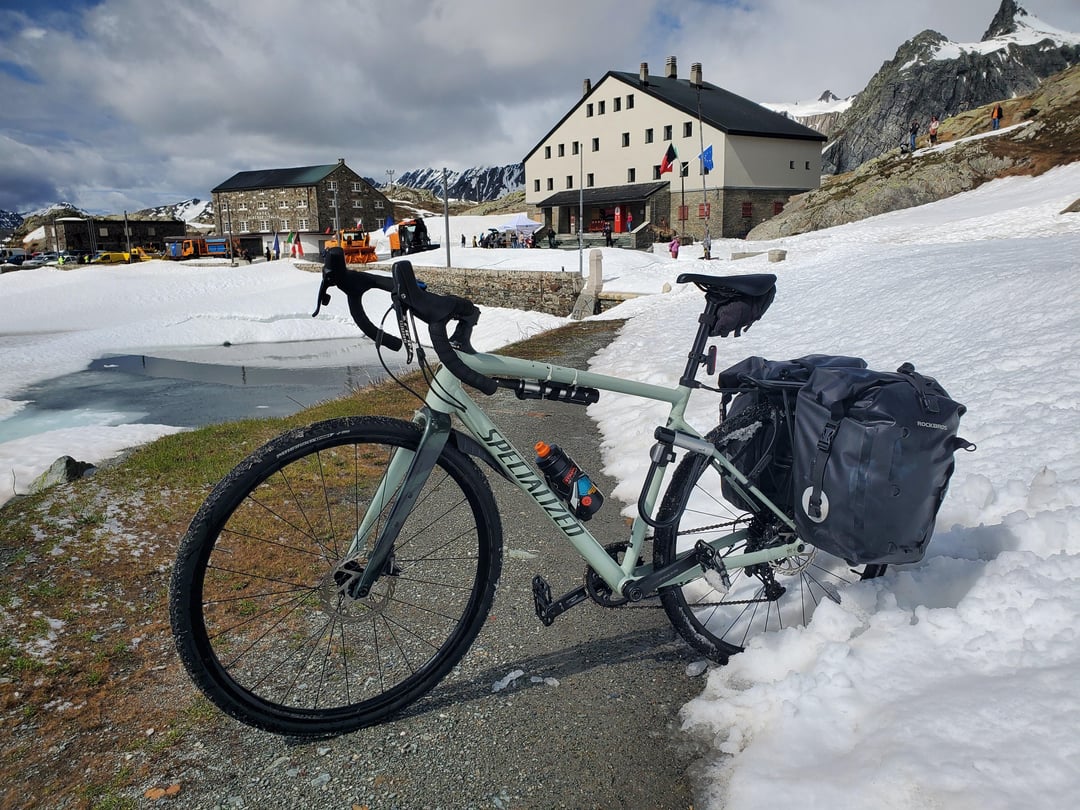
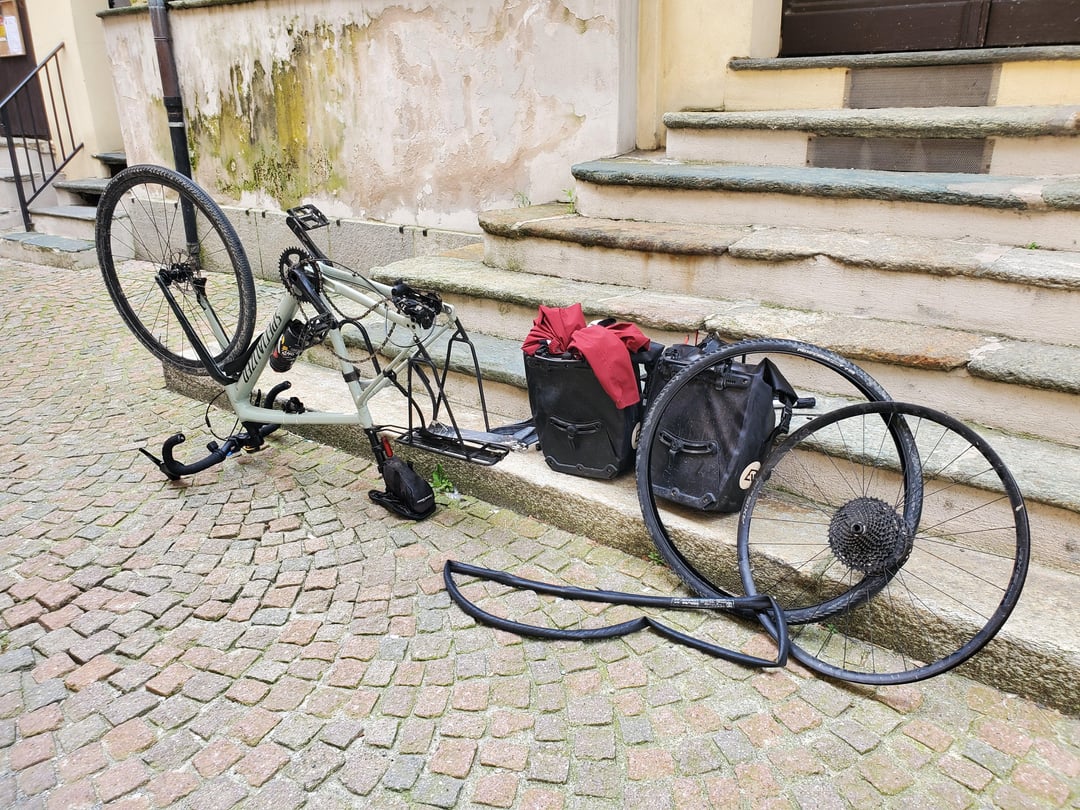
Planning: planning this trip was a bit of a challenge – mostly, figuring out how many days it would take and how to get to the starting point with my bike. For the former, I ended up creating a spreadsheet that calculates the expected difficulty of each day (see my previous post about it) which turned out to be an excellent predictor and created a great itinerary – one that was challenging enough on one hand but left me enough time to explore on the other (on average I did 2 "legs" per day). As for the latter (transportation): I ended up flying into Rome, unpacking and leaving my bike bag there, taking an 8-hour train to Torino (the high-speed train doesn't allow bikes, as far as I could tell), transferring to a 2-hour bus to Aosta (via FlixBus, which allow loading bikes on some routes), spending the night there, and taking a 50-minute cab ride to the starting point on top of the Gran St. Bernardo pass the next morning.
Navigation: the official Via Francigena website has GPX files for each section – I've mostly followed these to the dot and they provide for some excellent rides, going through many points of interest, view points, beautiful towns and historic churches. The official route does a very good job at keeping you off main roads with very few exceptions for very short sections going on roads with more traffic. About 20%-25% of the route is on dirt roads, which can probably be avoided if you want to but I stuck with it in most cases. I used Beeline's Velo2 navigation device – which together with these GPX files made navigation a non-issue.
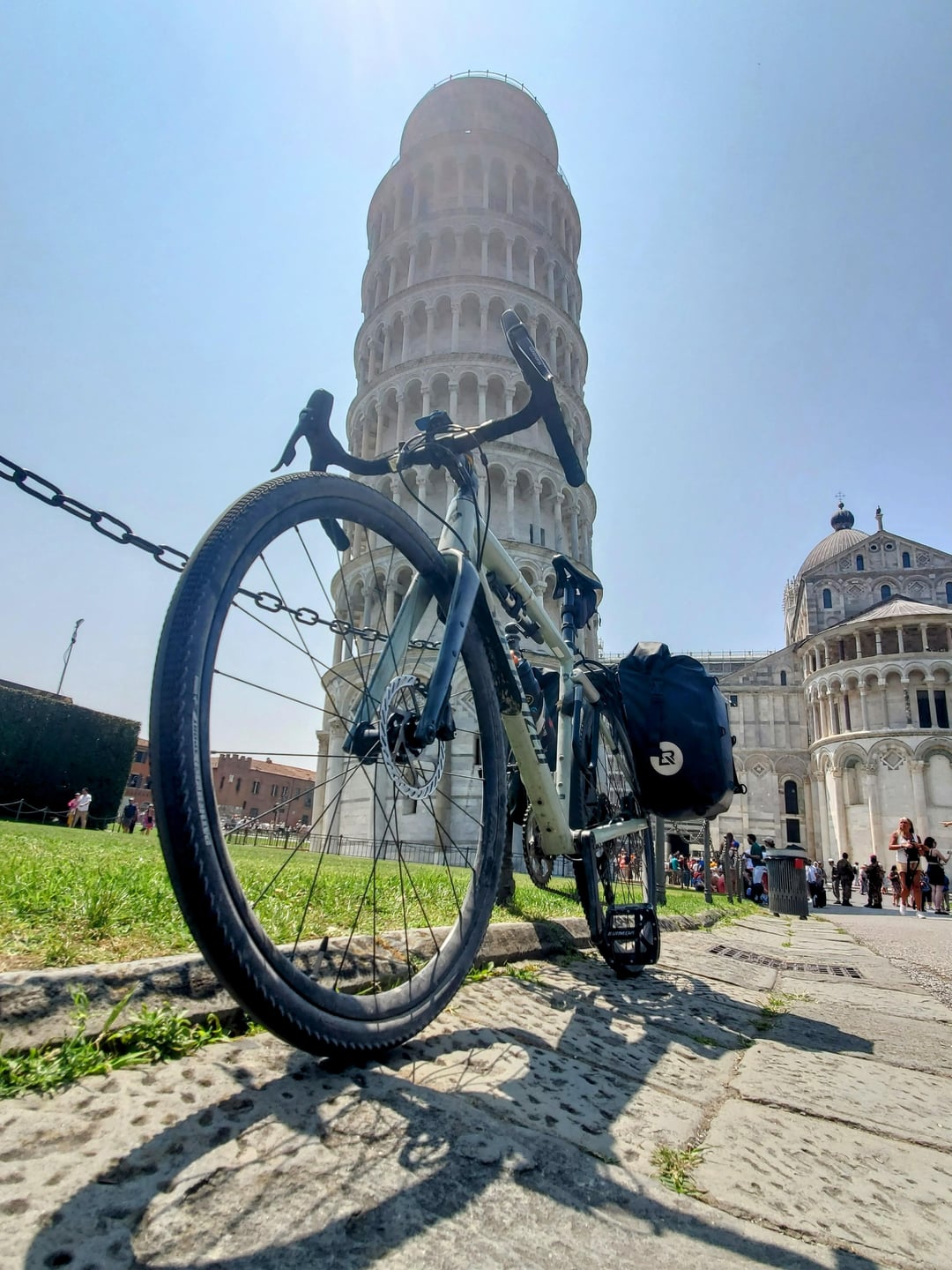
Detours: I strayed off the official path twice: once, to enjoy the beach at Marina di Massa (spending the night there instead of the nearby Massa, is about 4 kms inland), and then again the next day, adding a 3-4 hour detour to see the Tower of Pisa on my way to Lucca. I felt both decisions were worth it, even though Pisa is (naturally) flooded with tourists and the ride there isn't exciting.
Accommodation: while you can certainly camp along the route (there are plenty of official camping sites), you can also stay in designated pilgrim hostels – available almost in every town along the route. These are basic but nice and accommodating, some of them are also quite interesting as they've been serving pilgrims for 500+ years. I've stayed in a couple of those, as well as in small B&Bs and hotels.
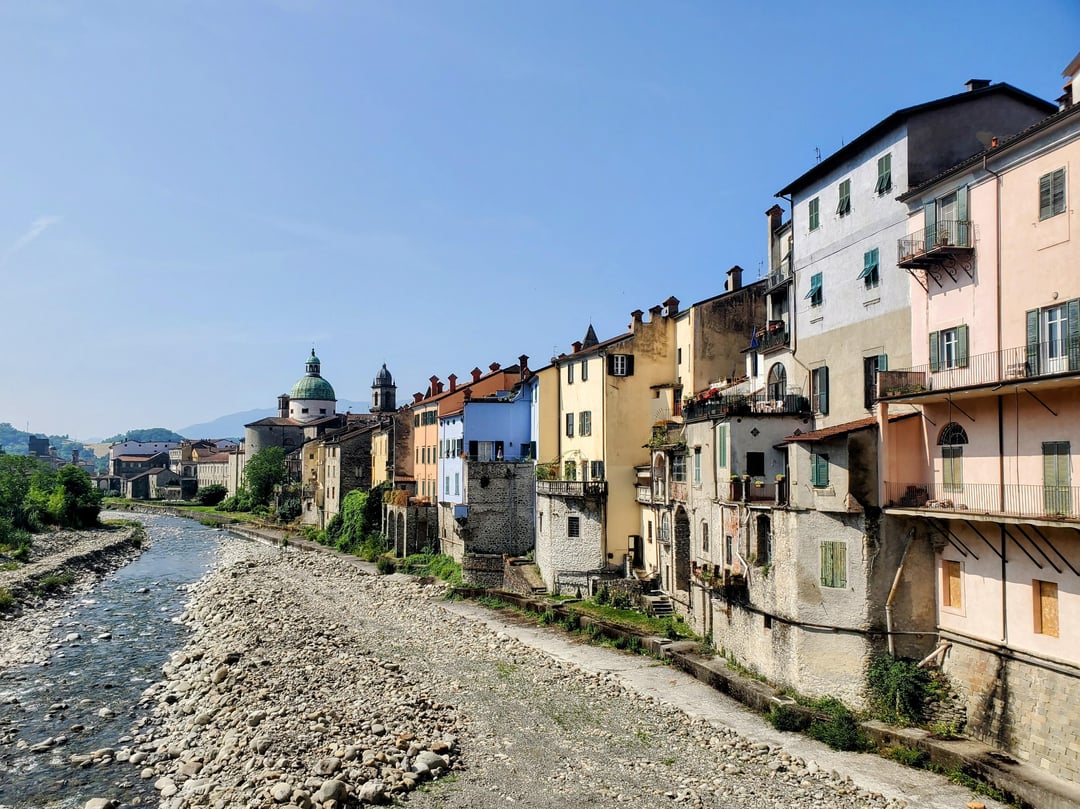
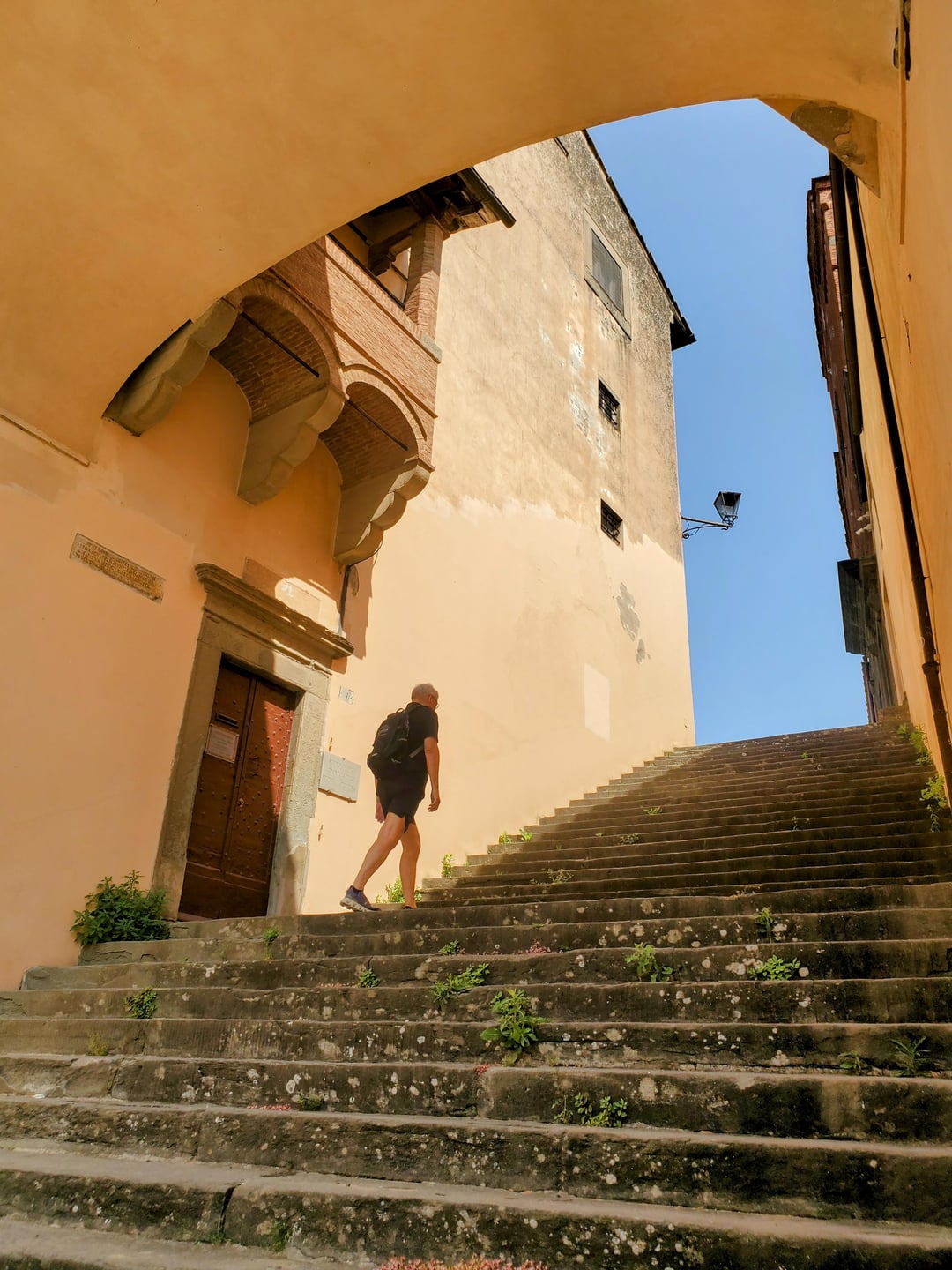
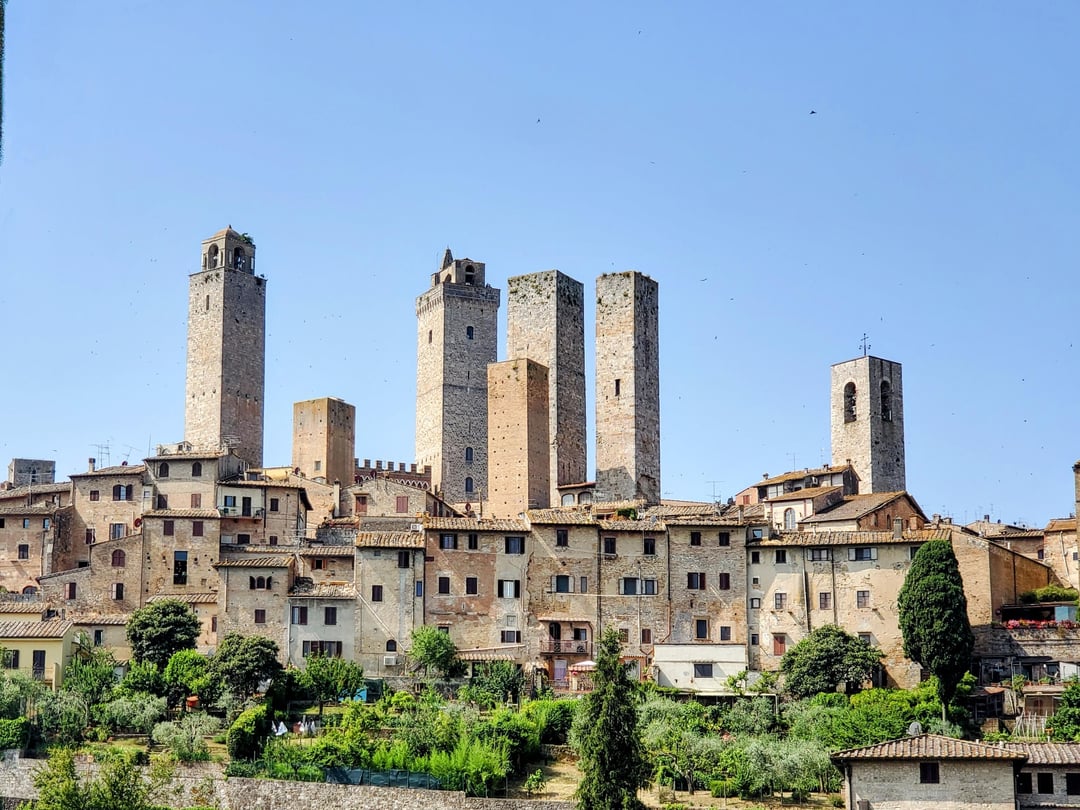
Highlights: following the historic Via Francigena means that you travel through a living thousand-year history of Catholicism. I can't exaggerate how beautiful, rich, interesting, and authentic this route is. Every couple of hours you pass through a small town, seemingly a "nowhere", and are surprised by impressive medieval structures that would have become a magnet for tourists if there weren't hundreds of these well-preserved towns all over the place. With the exception of some tourist hubs such as San Gimignano and Siena (beautiful on their own), you truly get to experience this rare combination of authentic, humble, everyday Italian life with magnificent history and architecture. Some of my favorite spots:
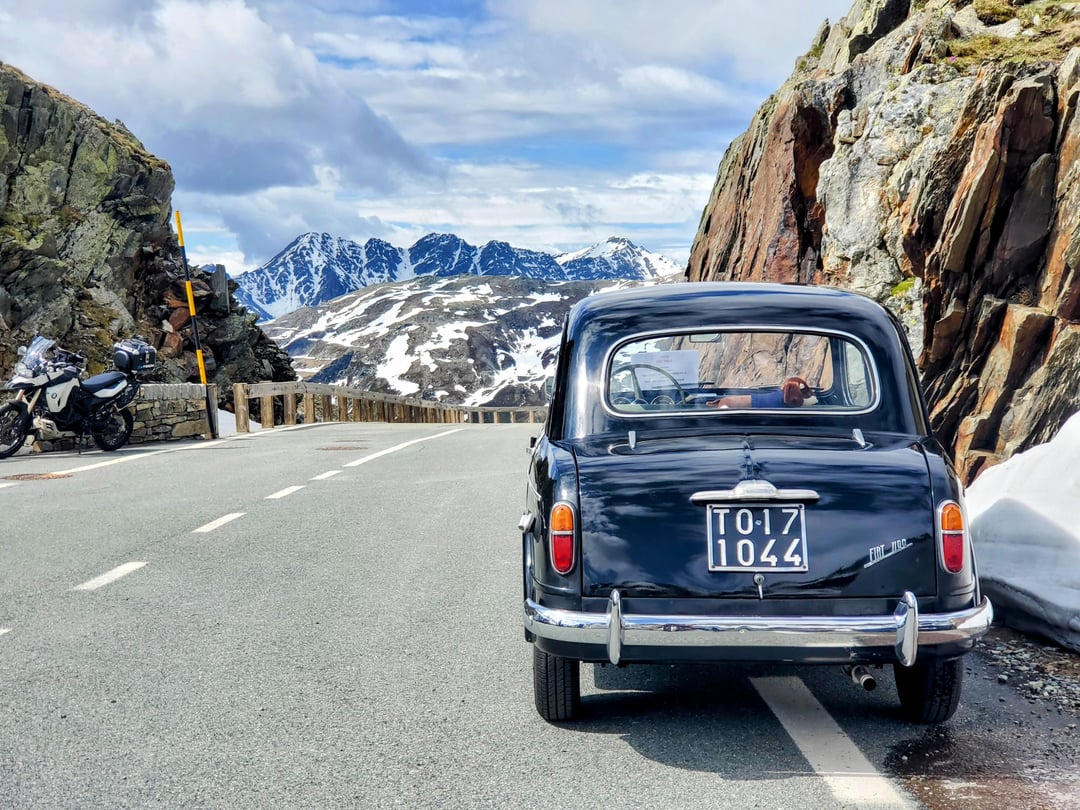
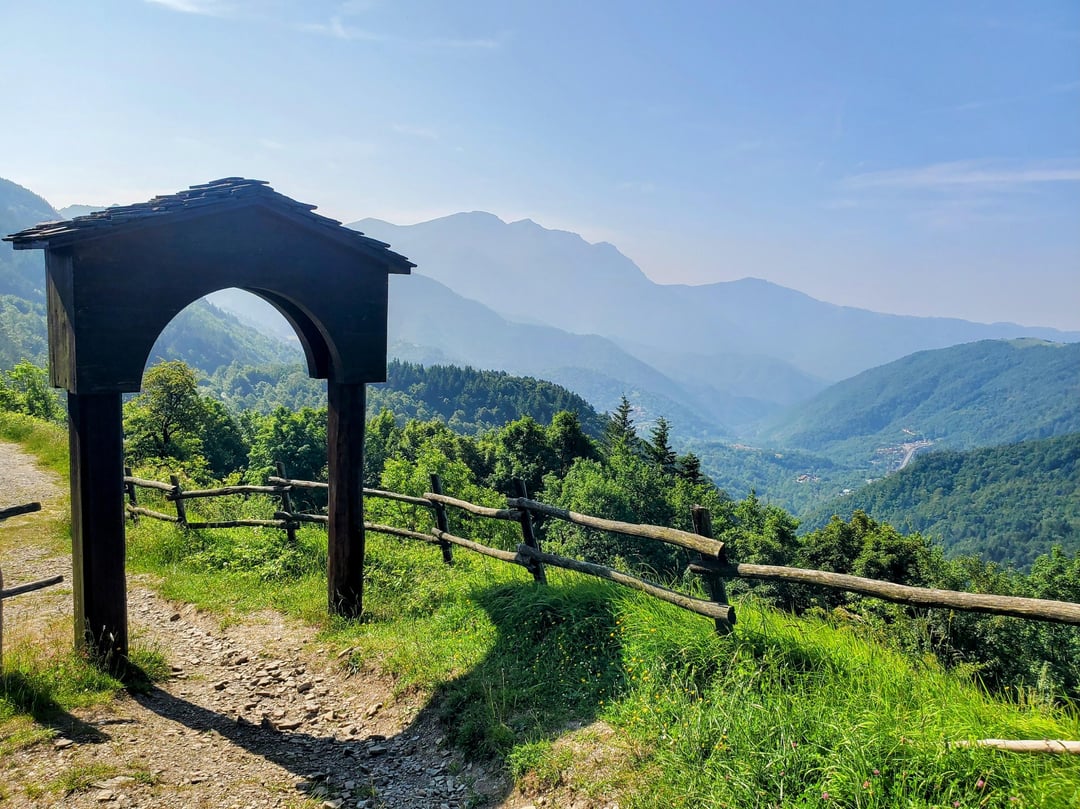
- Gran San Bernard pass: while difficult to get to, the views from the pass and from the way down are entirely worth the effort
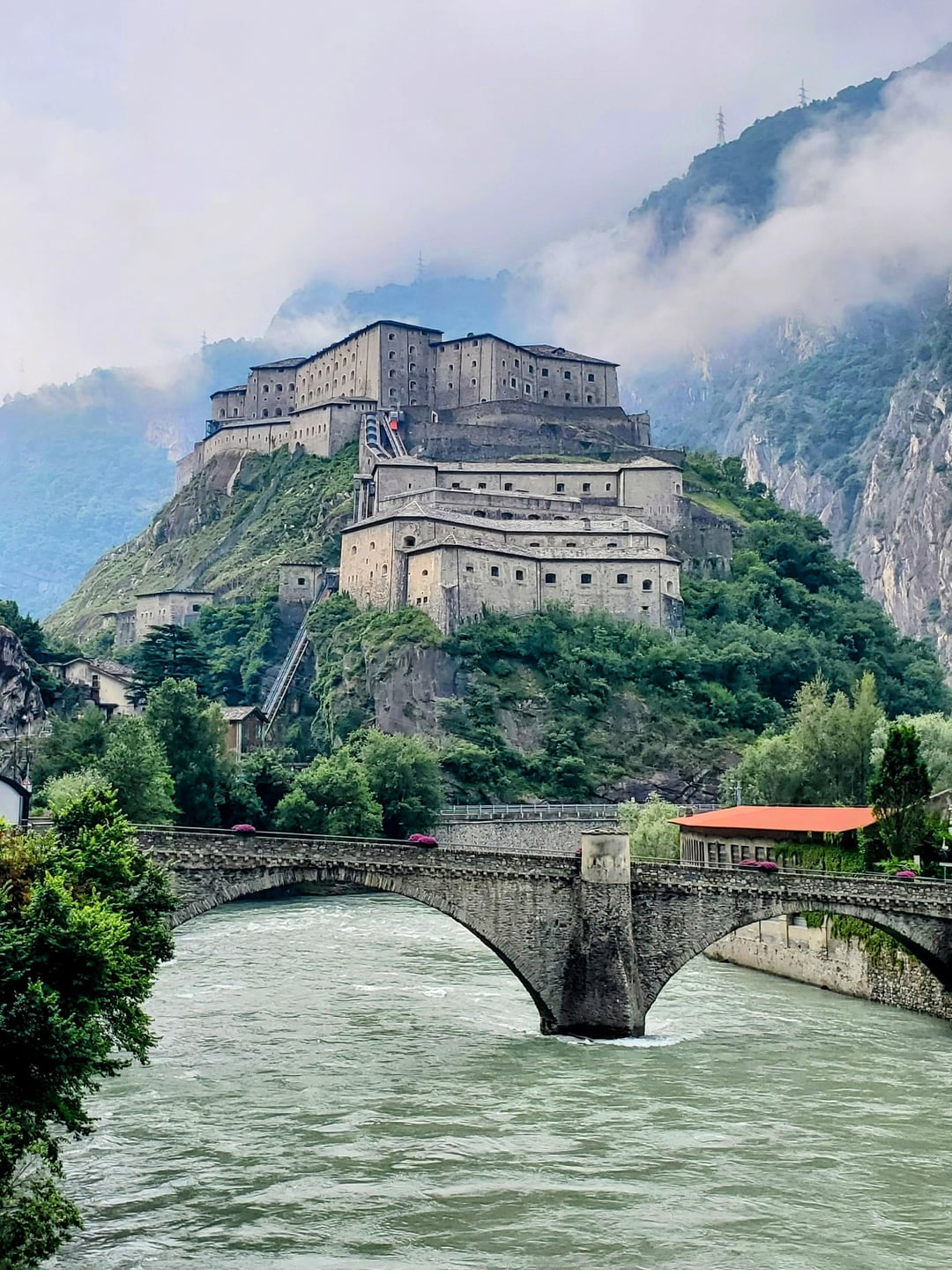
- Bard: the most impressive fort out of many in the Aosta valley
- Vercelli: this historic town in Piedmont, surrounded by rice fields, was surprisingly bustling with families and young crowds flooding the many restaurants and bars
- Berceto: this small town in the Apennines feels completely stuck in time in the best way possible
- Lucca: slightly less overwhelmed with tourists compared to other Tuscany destination, this medieval walled town is as gorgeous as they get
- Bolsena: a laid back lake town in Lazio just a day's ride away from Rome
Altogether, this trip was satisfyingly challenging and absolutely gorgeous.
by zach_zohar