Dogs are one of the biggest fears cyclists talk about on tour. Romania, with its infamous stray population, should have been a nightmare. But honestly? I’ve mostly enjoyed encountering them.
**Please allow me to offer a contrarian perspective as an example of one.**
Sure, they bark at night (easily the most annoying part of this trip), and yes, every stray has its own little patch of road they see as theirs. But I’ve found that acknowledging that—without hesitation or submission—makes all the difference. A quick glance, an assertive posture, and moving forward as if I belong have worked every time. No permission-seeking, no fear.
The more I rode, the more I tested my dog-fu. Stopping confidently always made them back off. A stray might act tough, but without a pack, they rarely have real confidence. They know their limits.
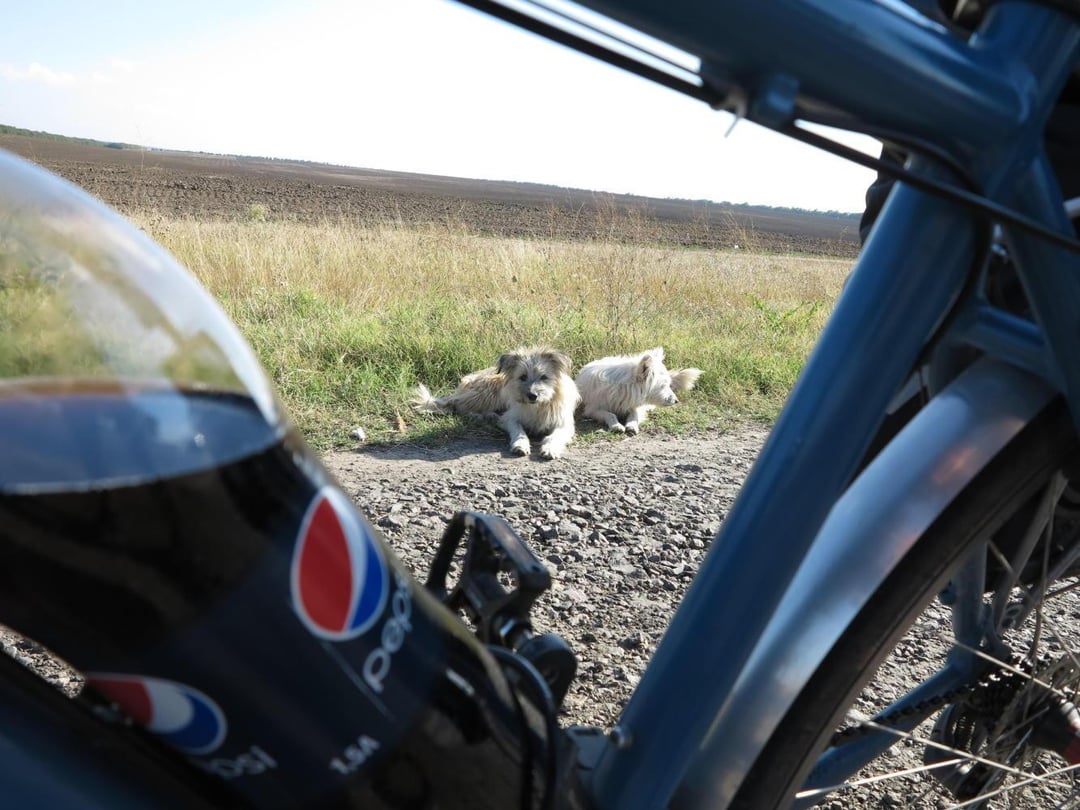
When I stop, I hold my ground as if I belong there—assertive, but not aggressive. I do normal things, like fiddling with my bike or adjusting my gear. I move laterally, never directly toward the dog, and I don’t stare. But I acknowledge him.
Eating or drinking is a power move. I have water—he doesn’t. That’s the hierarchy.
**Maybe my comfort comes from the time I spent dog-sitting.** That, more than anything, changed how I see them.
❖
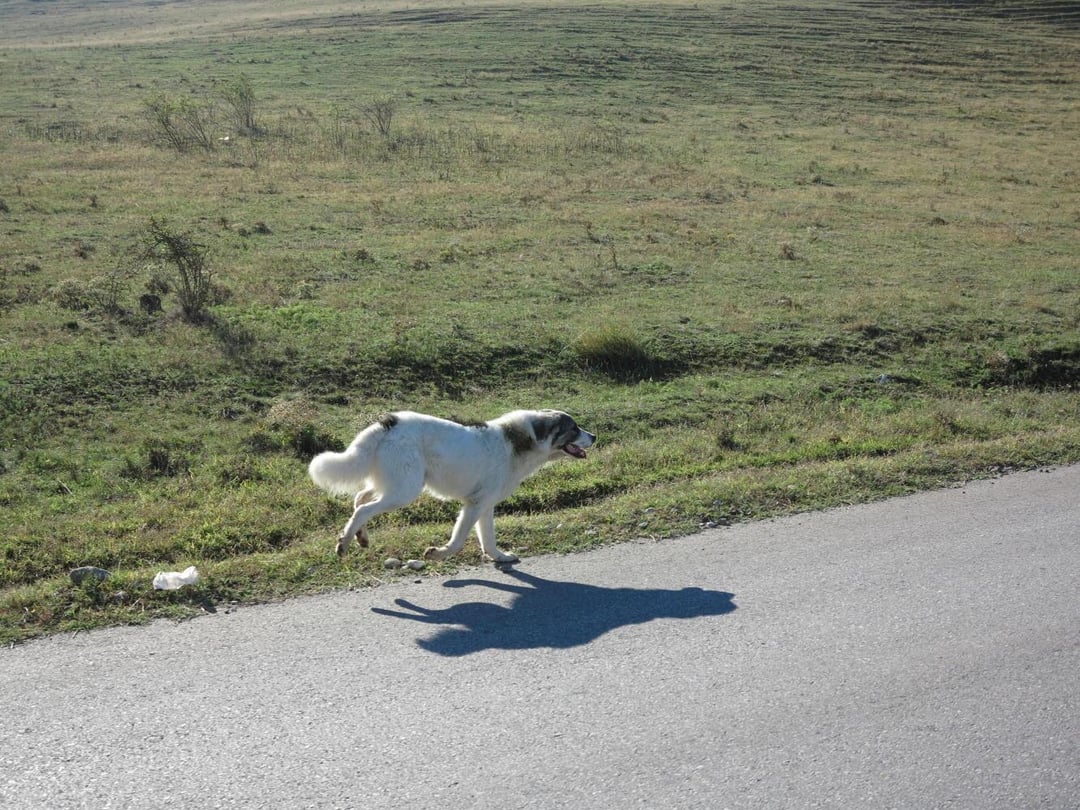
That said, I met another cyclist who had a very different experience. He rode through a village when one dog barked, then another, then a whole pack joined in. Soon, he was sprinting down the main street, fully chased. Out of pure instinct, he let out a primal scream—loud, raw, and desperate. He got away. But when he finally slowed down outside the village, he heard something unexpected: laughter. The farmers in the fields had cupped their hands and were barking back at him, grinning. Their dogs had done their job, and they loved it.
❖
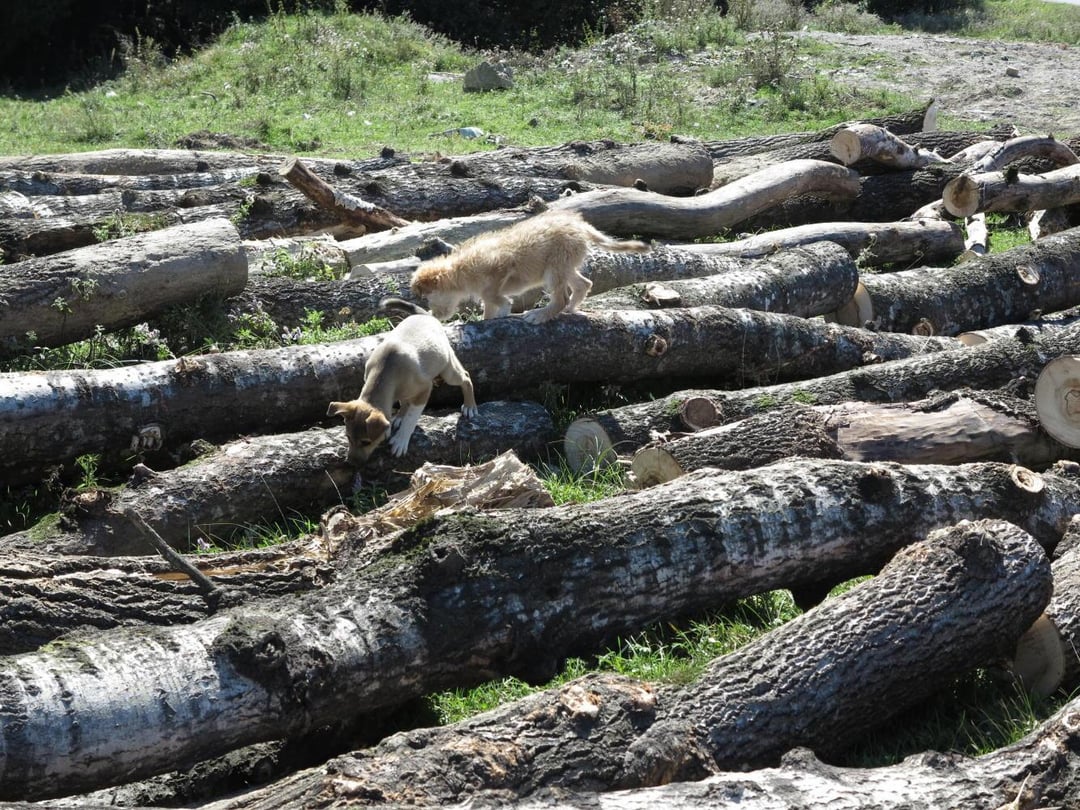
Not all dogs are a menace on tour. Some are downright fun. Even in Romania.
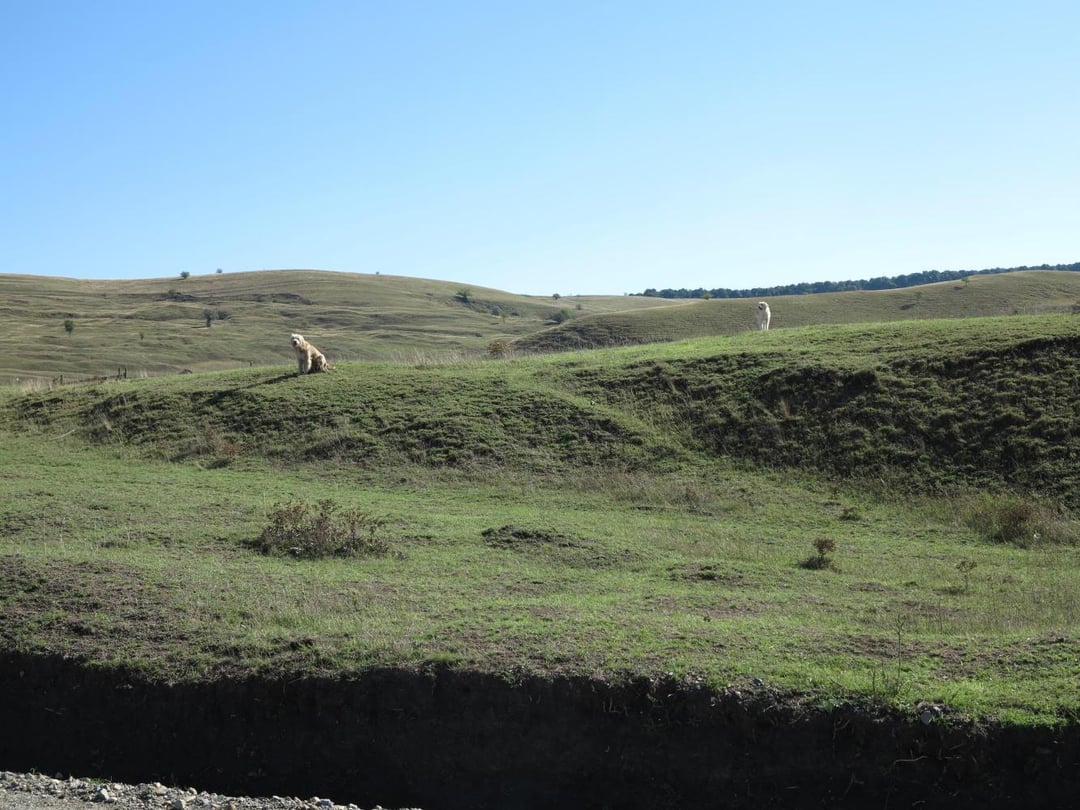
I had one truly intense encounter. A lonely stretch of country road, no villages in sight. Up on a hill, a whole pack of dogs spotted me. They barked excitedly, then started moving—fast—toward my direction.
**I had a split second to decide.** Pedal harder and risk triggering their full chase instinct? Or stop, plant myself, and become an occupant of the land?
I stopped. Stood my ground, feet firm on the gravel. No sudden movements. Just presence.
The dogs slowed. Then stopped. Then sat down. Watching me. I took a sip of water, unwrapped some food—because that’s what I do.
A few minutes passed. No barking. No aggression. Just a quiet standoff.
Then I got back on the bike and rode away. The pack stayed put. No chase. No drama.
The reason? A simple reflex: knowing when to stop.
Riding harder might work with one or two dogs. But a pack? They feed off movement, off fear. Stopping removes the game. It turns you from a thing to be chased into just another part of the landscape.
❖
**Maybe, to get along with dogs, you have to think like one.**


1 Comment
Dogs are one of the biggest fears cyclists talk about on tour. Romania, with its infamous stray population, should have been a nightmare. But honestly? I’ve mostly enjoyed encountering them.
**Please allow me to offer a contrarian perspective as an example of one.**
Sure, they bark at night (easily the most annoying part of this trip), and yes, every stray has its own little patch of road they see as theirs. But I’ve found that acknowledging that—without hesitation or submission—makes all the difference. A quick glance, an assertive posture, and moving forward as if I belong have worked every time. No permission-seeking, no fear.
The more I rode, the more I tested my dog-fu. Stopping confidently always made them back off. A stray might act tough, but without a pack, they rarely have real confidence. They know their limits.
When I stop, I hold my ground as if I belong there—assertive, but not aggressive. I do normal things, like fiddling with my bike or adjusting my gear. I move laterally, never directly toward the dog, and I don’t stare. But I acknowledge him.
Eating or drinking is a power move. I have water—he doesn’t. That’s the hierarchy.
**Maybe my comfort comes from the time I spent dog-sitting.** That, more than anything, changed how I see them.
❖
That said, I met another cyclist who had a very different experience. He rode through a village when one dog barked, then another, then a whole pack joined in. Soon, he was sprinting down the main street, fully chased. Out of pure instinct, he let out a primal scream—loud, raw, and desperate. He got away. But when he finally slowed down outside the village, he heard something unexpected: laughter. The farmers in the fields had cupped their hands and were barking back at him, grinning. Their dogs had done their job, and they loved it.
❖
Not all dogs are a menace on tour. Some are downright fun. Even in Romania.
I had one truly intense encounter. A lonely stretch of country road, no villages in sight. Up on a hill, a whole pack of dogs spotted me. They barked excitedly, then started moving—fast—toward my direction.
**I had a split second to decide.** Pedal harder and risk triggering their full chase instinct? Or stop, plant myself, and become an occupant of the land?
I stopped. Stood my ground, feet firm on the gravel. No sudden movements. Just presence.
The dogs slowed. Then stopped. Then sat down. Watching me. I took a sip of water, unwrapped some food—because that’s what I do.
A few minutes passed. No barking. No aggression. Just a quiet standoff.
Then I got back on the bike and rode away. The pack stayed put. No chase. No drama.
The reason? A simple reflex: knowing when to stop.
Riding harder might work with one or two dogs. But a pack? They feed off movement, off fear. Stopping removes the game. It turns you from a thing to be chased into just another part of the landscape.
❖
**Maybe, to get along with dogs, you have to think like one.**