
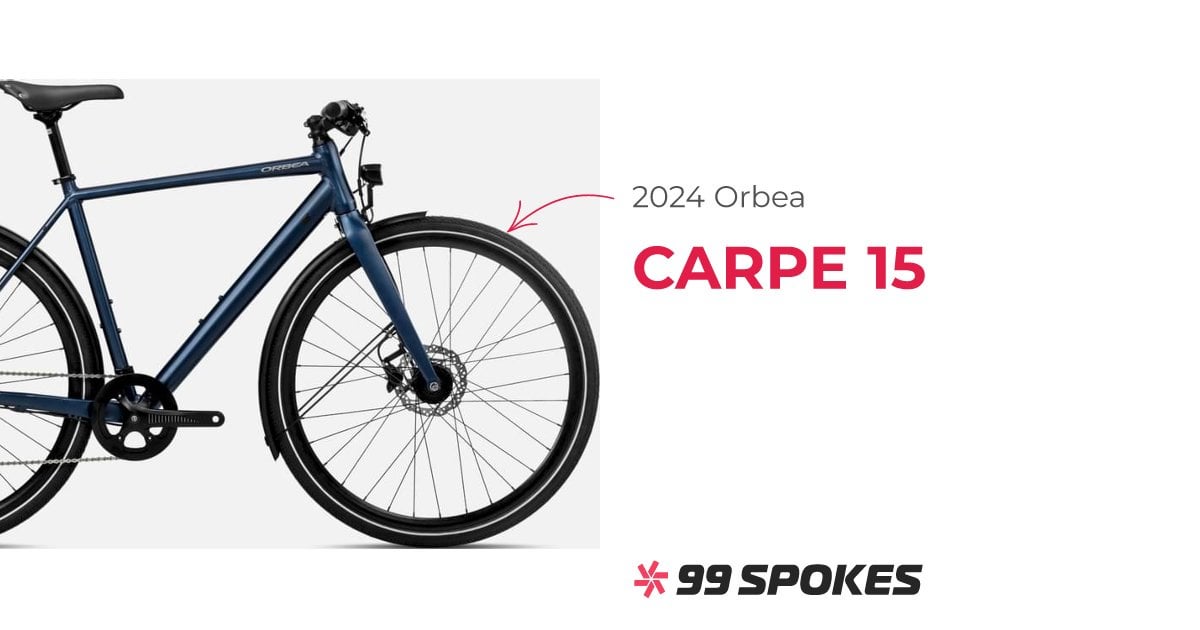
Context: I am looking for a bike for myself (33M) and my SO (36F), with the idea of using for commuting, and occasional trips outdoor (asphalt, cycle path, or dry comfortable gravel paths, mostly flat).
For my SO we’ve already chosen a bike, since SO is less likely to do trips outdoors:
[Orbea Carpe 15:](https://99spokes.com/en-EU/bikes/orbea/2024/carpe-15) aluminum bike, Shimano components all around, hydraulic brakes, and lights and fenders included, purchased for 780€
Now I am trying to choose a bike for myself, and some friends have suggested looking for a gravel bike in case I am more serious with the outdoor trips, and can be more versatile to take trips all season. I can park the bike indoors at work, which allows me to safely use a more expensive bike for commuting.
Yesterday I got the chance to try a gravel bike, a [Merida SILEX 200](https://99spokes.com/en-EU/bikes/merida/2024/silex-200), and while I can say the riding position is more comfortable than I was expecting, I am a bit confused with the value I am getting for the money. This bike costs 1400€ and the positive I see is that I am getting a carbon fork on the front.
That is where I felt the positive ends, and that the bike looks cheaper in other areas. I don’t understand why I am getting mechanical breaks instead of hydraulic ones. I get that some things like tires on the gravel bike seem better, 20€ vs 45€ for each RRP, but then again I am getting SKS fenders on the cheaper bike that I am not getting on the gravel bike.
Can anyone explain, for someone like me who knows nothing about bicycles, where the price difference is justified? We’re talking about double the price, 780€ vs 1400€, that’s one bike you’re getting for the price you could buy two bikes. And yes, I know these are two types of bikes (city vs gravel), but seem to be made of aluminum, it cannot be that difficult to machine aluminum into different shapes of bikes.
by M_B_M